Considering a Center City condo with a “10-year abatement” tag and wondering what that really means for your monthly costs? You are not alone. Many Washington Square buyers see the headline and want clarity on how it works, what they will still pay, and how to prepare for the day the abatement ends. This guide breaks it down in plain English so you can compare options with confidence and avoid surprises. Let’s dive in.
Philadelphia’s 10-year abatement, in plain terms
Philadelphia’s 10-year property tax abatement exempts the increase in assessed value created by qualifying new construction or improvements for 10 years. You still pay property taxes on the pre-improvement or land/base assessment during that period. After year 10, the full assessed value becomes taxable.
The program often applies to ground-up builds and substantial renovations, including condo buildings and individual units. The abatement normally stays with the property, so if you buy a unit with years remaining, you inherit the remaining term. For official policy and assessment information, start with the Philadelphia Office of Property Assessment and the Philadelphia Department of Revenue.
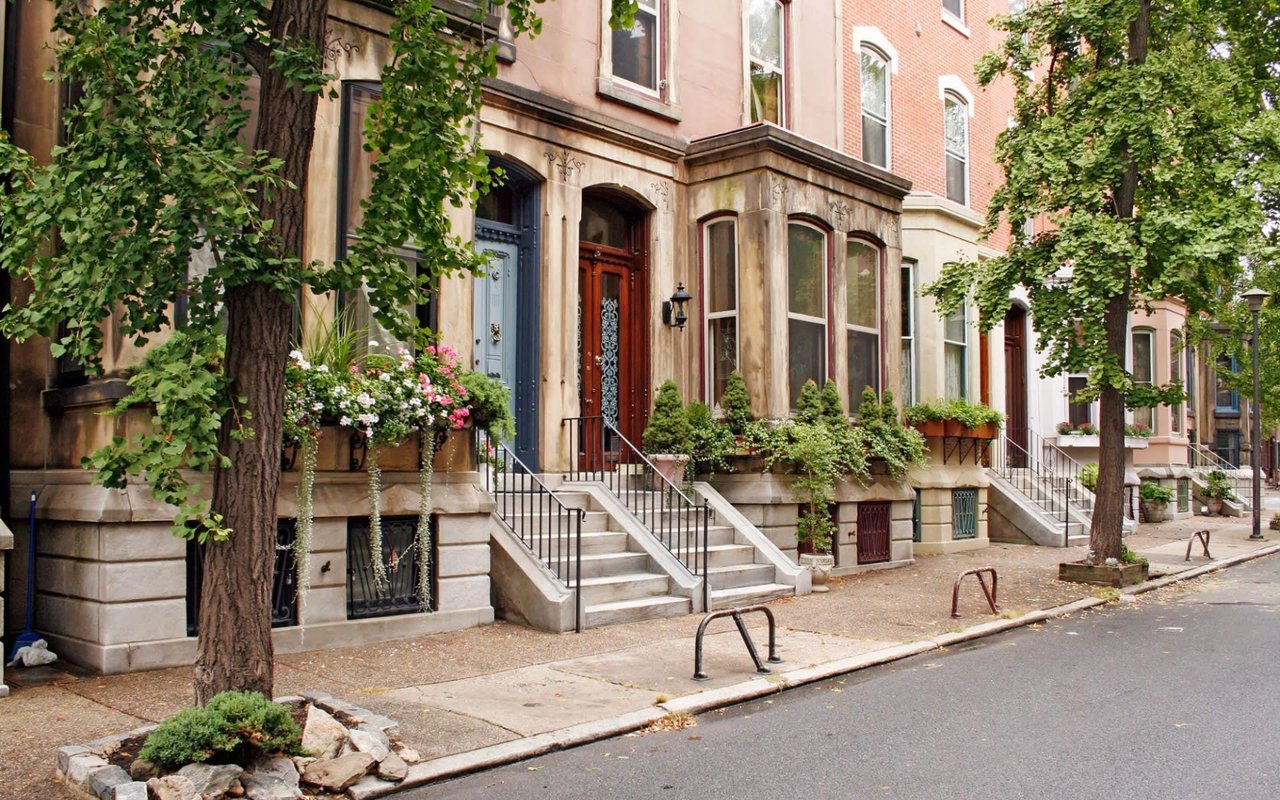
Where you see it in Washington Square
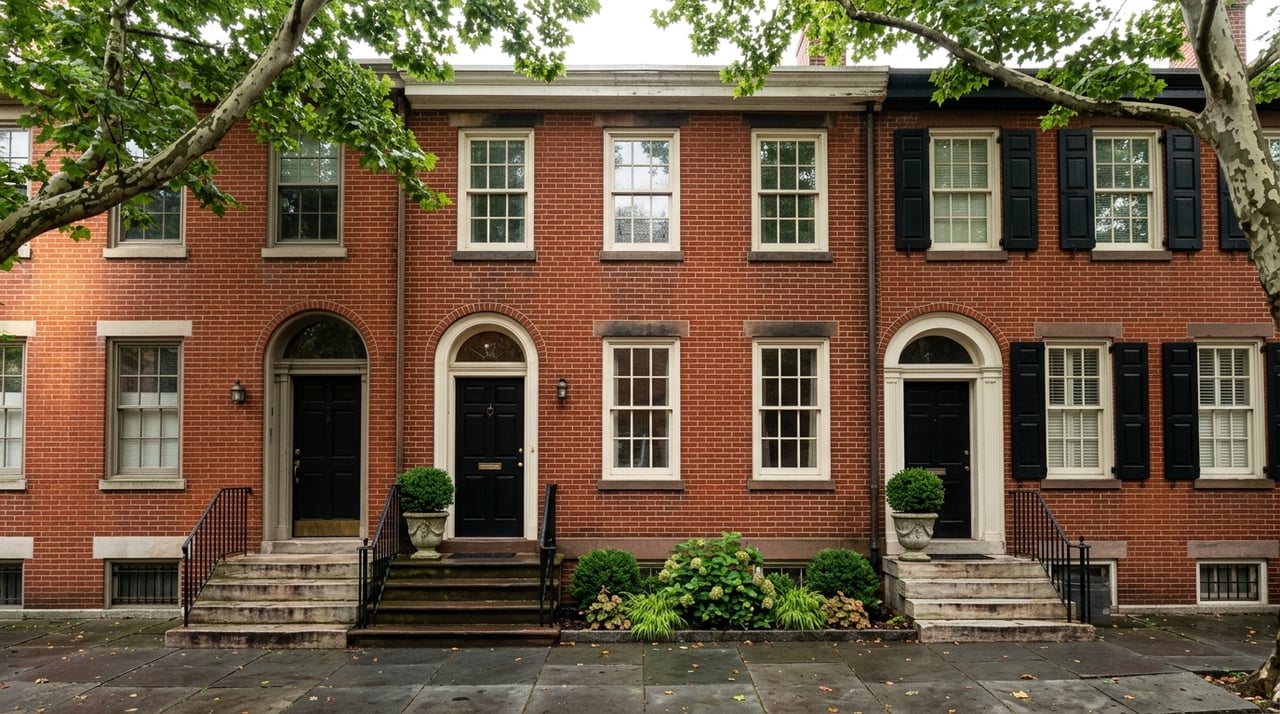
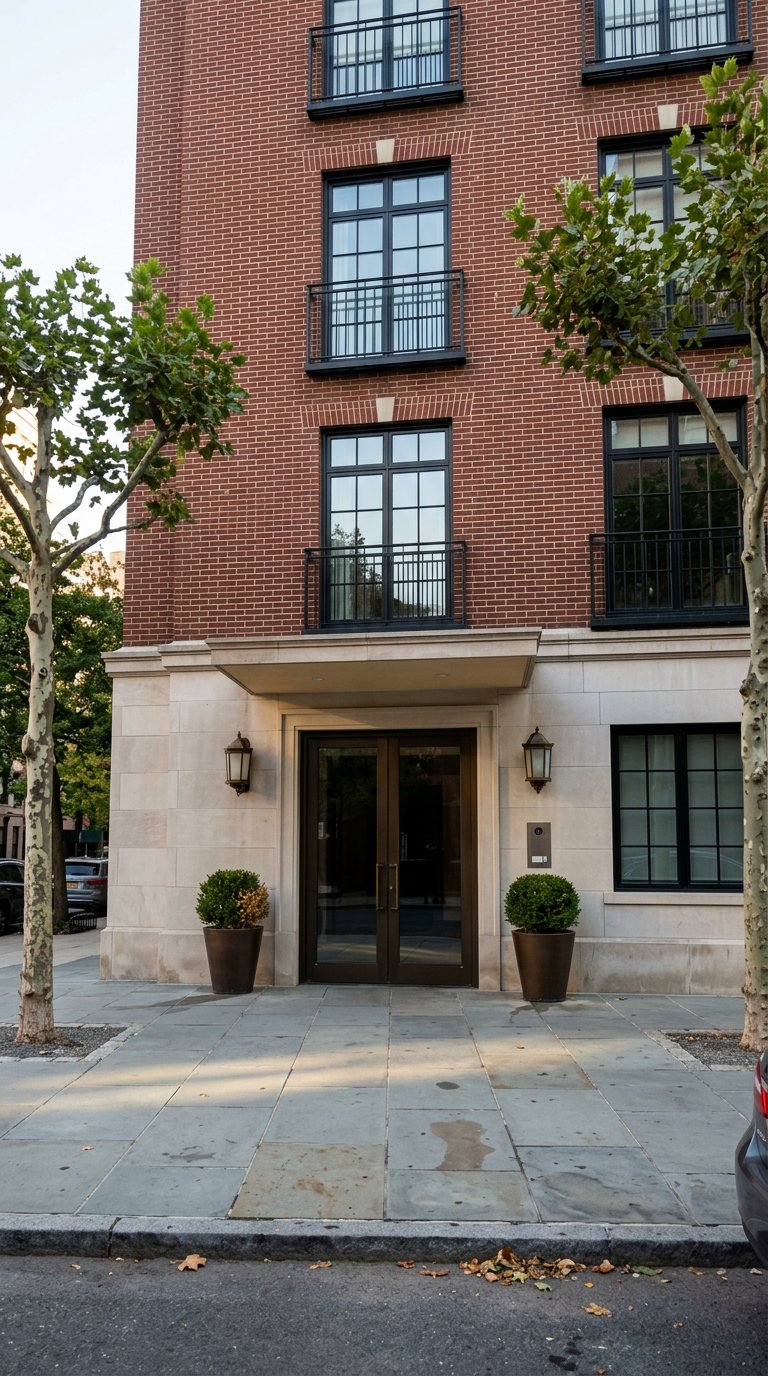
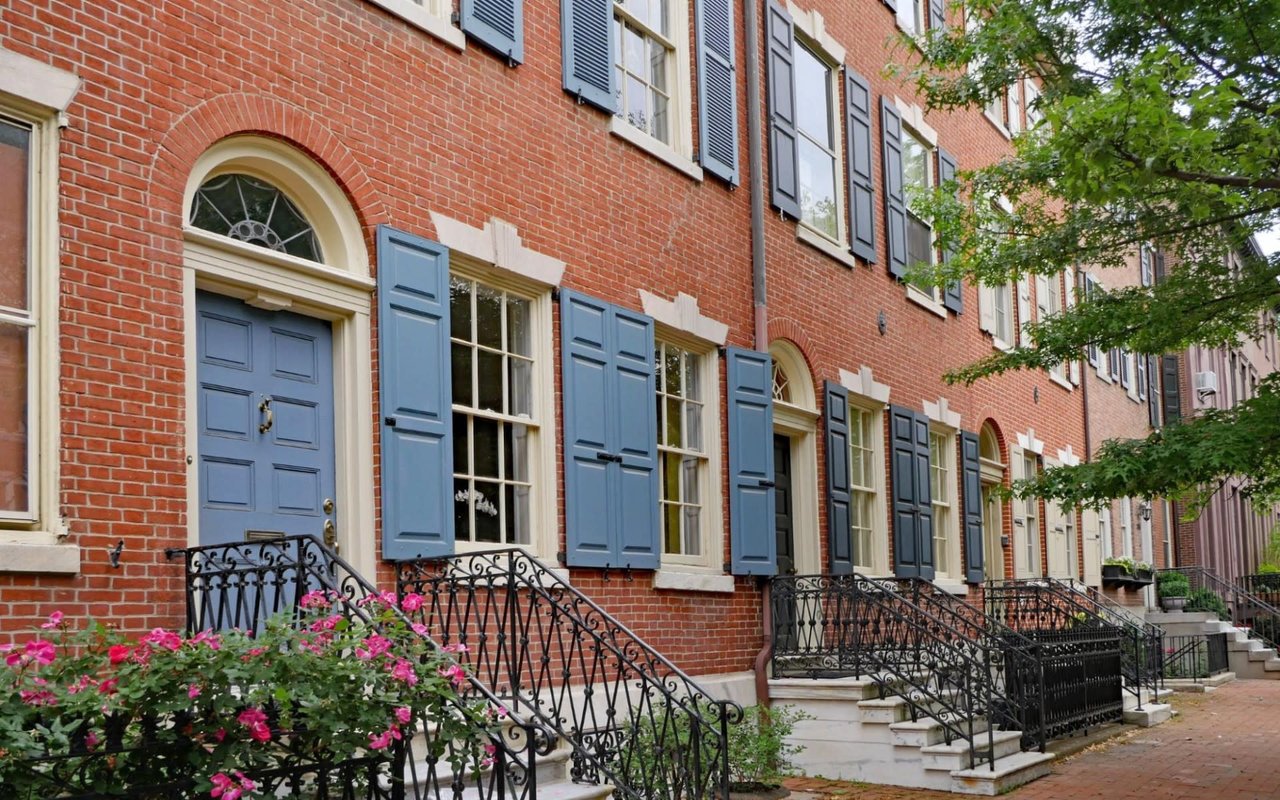
You will most often encounter the abatement in newer Center City condo buildings or historic conversions where permitted work increased the assessed value. Developers frequently plan projects with the abatement in mind. Mixed-use projects can also qualify for the improvement portion.
Washington Square has high land and base assessments. Because the abatement covers the improvement increase, the amount you save depends on how much of the total assessment is tied to the new or improved construction. In many downtown projects, the improvement portion is significant, which can create meaningful savings over the abatement period.
What you still pay during abatement
Even with an abatement, you will still have recurring costs:
- Property taxes on the pre-improvement or land/base assessment
- All HOA or condo association fees and common charges
- Other city assessments and municipal fees that are not tied to improvement value
Sellers may advertise “10 years remaining,” but it is smart to request current tax bills and verify the details with city records before you rely on any projection.
The year 11 tax jump: a simple example
The abatement is temporary. After 10 years, the full assessed value becomes taxable, which can be a large step-up. Here is a hypothetical illustration:
- Pre-improvement assessed value: $200,000 (taxed during abatement)
- Post-improvement assessed value: $800,000 (taxed in full after year 10)
- Abatement exempts the $600,000 increase for 10 years
In this scenario, you would pay taxes on $200,000 during the abatement. After it expires, taxes are calculated on $800,000. Actual bills depend on official assessments and tax rates, so always confirm with the city.
Plan now for post-abatement costs
To avoid surprises later, build the future tax increase into your purchase plan today.
- Ask for an abatement schedule showing the start date and years remaining. Verify details with the Office of Property Assessment and the Department of Revenue.
- Request the last 2 to 3 years of tax bills and a projection of taxes after the abatement ends.
- Include post-abatement taxes in your affordability and mortgage underwriting. Many lenders evaluate payments based on estimated taxes after abatement.
- Consider whether you might qualify for other programs, such as homeowner exemptions or credits. These are separate from the abatement and have their own rules and applications.
How to verify abatement status
Here is a practical checklist to review before you submit an offer:
- OPA property profile with assessment history and current improvement values
- Abatement term details in writing, including start date and years remaining
- Last 2 to 3 years of city and school tax bills
- Building permit history and Certificate of Occupancy to confirm timing
- Condo association budget and recent assessments
You can confirm assessment and abatement information through the Office of Property Assessment and tax billing with the Department of Revenue. Verify that the abatement applies to the specific condo unit, not just the building, and clarify whether any portion is excluded.
Questions to ask the seller or developer
- When did the abatement begin, and how many years remain?
- Can you provide OPA and Department of Revenue records showing the abatement?
- Has any portion of the improvement been reassessed or disputed?
- Are any exemptions currently applied, and will they require reapplication?
Common risks and how to avoid them
Understanding the limits of the abatement will help you make a clear decision.
- Post-abatement tax shock. Model the Year 11 payment now so it is part of your plan.
- Misreading what is covered. The pre-improvement assessment is still taxed. HOA fees and other non-property charges continue as usual.
- Overreliance on marketing. Confirm every number with OPA and the Department of Revenue, and review actual tax bills.
- Policy or administrative changes. The program has been longstanding, but processes can evolve. Always check current city resources before you rely on assumptions.
Smart next steps for Washington Square buyers and investors
- Pull the OPA property profile and recent tax bills. Get the abatement term in writing.
- Ask your lender for a post-abatement tax estimate and include it in your debt-to-income review.
- Speak with a CPA about potential income tax considerations if you are investing.
- Consult a real estate attorney for complex cases, such as historic conversions or phased developments.
- For investors, run pro formas that show cash flow with and without the abatement. Model the Year 11 tax increase directly in your NOI.
Resources
- Review assessments, improvement values, and FAQs at the Office of Property Assessment
- Confirm billing, payments, and abatements at the Department of Revenue
- Explore citywide services and property-tax guidance on the City of Philadelphia
If you are weighing a Washington Square condo with an abatement, experienced guidance can save time and help you avoid costly assumptions. For a private conversation about specific buildings, documentation to request, and long-term planning around taxes and HOA costs, connect with Douglas Pearson for buyer representation or strategic listing advice.
FAQs
What is Philadelphia’s 10-year property tax abatement?
- It exempts the increase in assessed value from qualifying new construction or improvements for 10 years, while you continue to pay taxes on the pre-improvement or land/base assessment.
Do Washington Square condos typically qualify, and does the abatement transfer?
- Many newer builds and substantial conversions qualify, and the abatement generally transfers to a buyer for the remaining term, but you should verify unit-level details in writing.
What costs are not covered by the abatement on a Center City condo?
- You still pay taxes on the pre-improvement assessment, plus all HOA fees and municipal charges that are not tied to improvement value.
How do I verify how many abatement years are left on a condo?
- Request the OPA property profile, recent tax bills, and a written statement of the start date and remaining term, then confirm with the OPA and the Department of Revenue.
How should I plan for the Year 11 tax increase when getting a mortgage?
- Ask your lender to underwrite using estimated post-abatement taxes and include that payment in your affordability plan so there are no surprises later.