Thinking about bringing your Doylestown or Buckingham estate to market, but not sure where to start? Preparing acreage and multiple structures can feel complex, especially when privacy and presentation matter. This guide gives you a clear, step-by-step plan so you can launch with confidence, attract qualified buyers, and reduce surprises during escrow. Let’s dive in.
Market timing that works
Premium estates in the Doylestown and Buckingham area tend to show best in late spring through early summer (May–June) and early fall (September–October). These windows highlight landscaping, fields, and views, while avoiding peak summer travel. Winter listings can work if you emphasize interior comfort and systems performance.
Your buyer pool may include relocating professionals, equestrian and small-farm buyers, multi-generational households, and investors evaluating land use. Because zoning differs by municipality, verify whether your property is in Doylestown Borough, Doylestown Township, or Buckingham Township before setting strategy. For broader context, review statewide resources from the Pennsylvania Association of REALTORS.
Assemble critical records
Start early and gather documents that answer buyers’ first questions. A complete package signals credibility and streamlines due diligence.
- Deed and chain of title, plus any recorded covenants.
- Current survey or boundary map, especially if the last one is older or improvements were added.
- Easements and restrictions, including right-of-way, utilities, conservation, scenic, or agricultural.
- Tax assessment records and parcel mapping.
- Permits and Certificates of Occupancy for additions, barns, pool, or guest houses.
- Septic location, pump records, and prior inspections.
- Private well records, recent water quality test, and pump service history.
- Conservation easements or historic designations with trustee or oversight contacts.
- Insurance claims history and any environmental reports, such as underground tank removals or wetlands delineations.
Pre-sale inspections
Pre-inspections reduce negotiation friction and give you time to fix or disclose issues in a controlled way.
- Comprehensive home inspection covering structure, roof, and mechanicals.
- HVAC and chimney servicing with receipts and any certifications.
- Roof inspection and, if needed, an estimate for replacement.
- Septic inspection and pumping record; consider soil testing if future subdivision is a possibility.
- Well water test for bacteria and common contaminants, guided by the PA Department of Environmental Protection.
- Radon test. Pennsylvania has elevated-risk areas, so include results in your disclosures using guidance from the Environmental Protection Agency’s radon resources.
- Environmental screening if your property includes or adjoins wetlands, streams, or former agricultural or industrial areas.
Zoning and site checks
Rules and review processes differ among Doylestown Borough, Doylestown Township, and Buckingham Township. Confirm which government oversees your property to understand permitted uses, setbacks, accessory structures, and potential for subdivision.
- Wetlands and watercourses may require permits or review. Consult the PA DEP for regulations.
- If you are near a watercourse or low-lying area, confirm flood zone status using the FEMA Flood Map Service Center.
- For land and drainage planning, review soil types through the NRCS Web Soil Survey.
- Historic district oversight may apply in certain areas of Doylestown. Exterior changes could require review.
Polish grounds and exterior
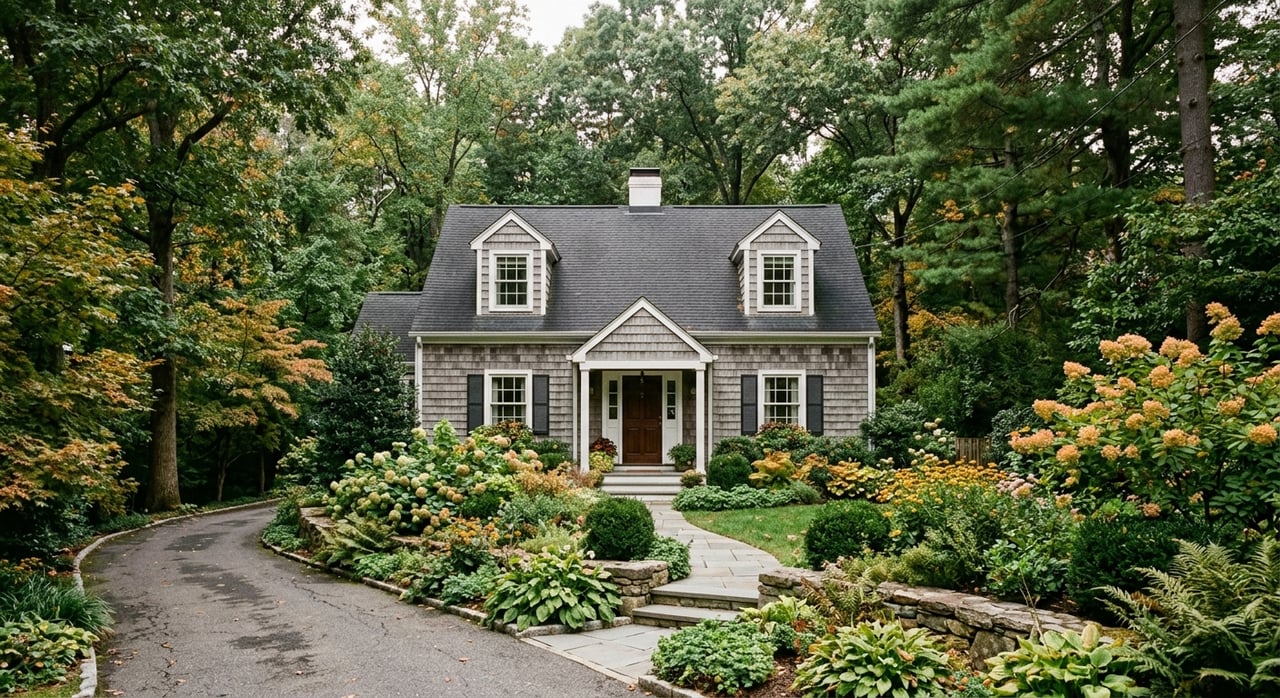
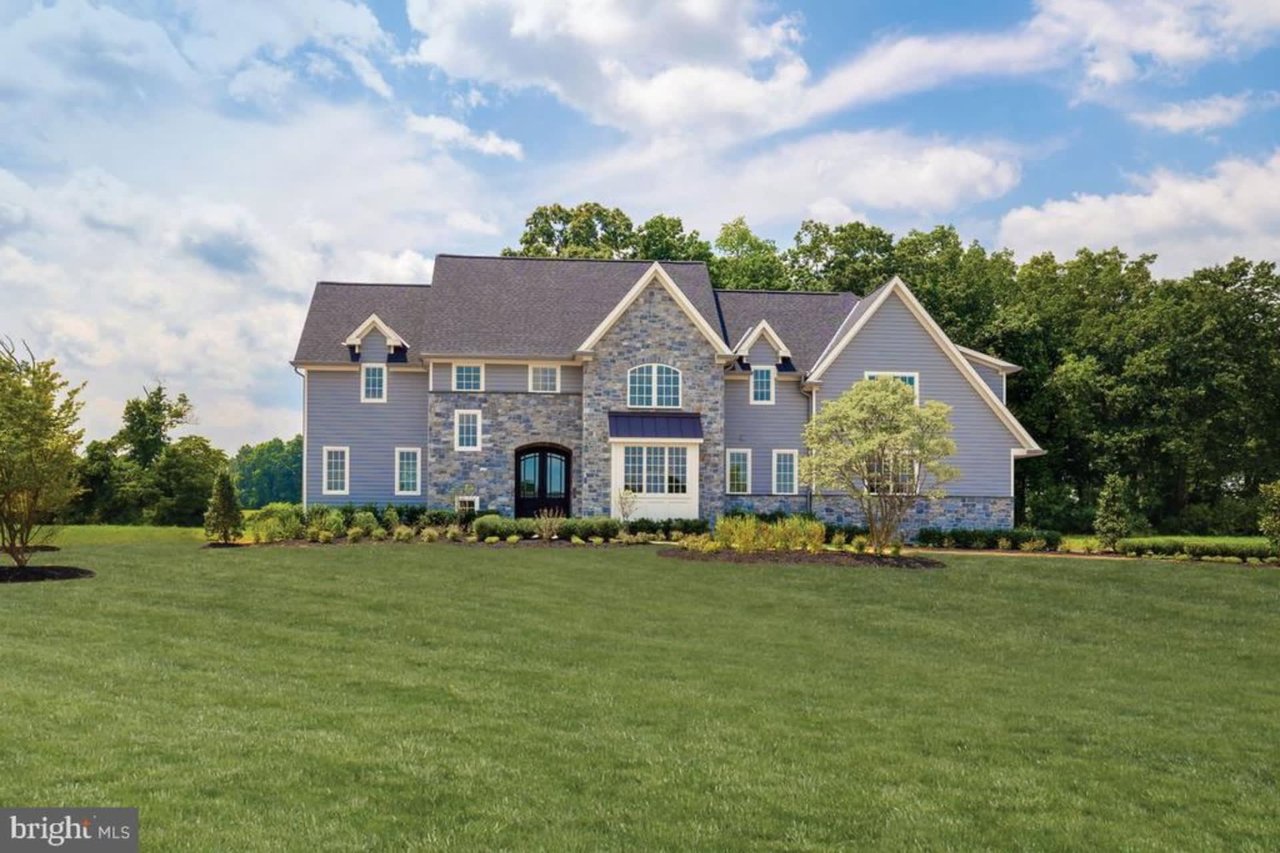
On acreage, buyers respond to clear access, strong first impressions, and simple, livable outdoor spaces.
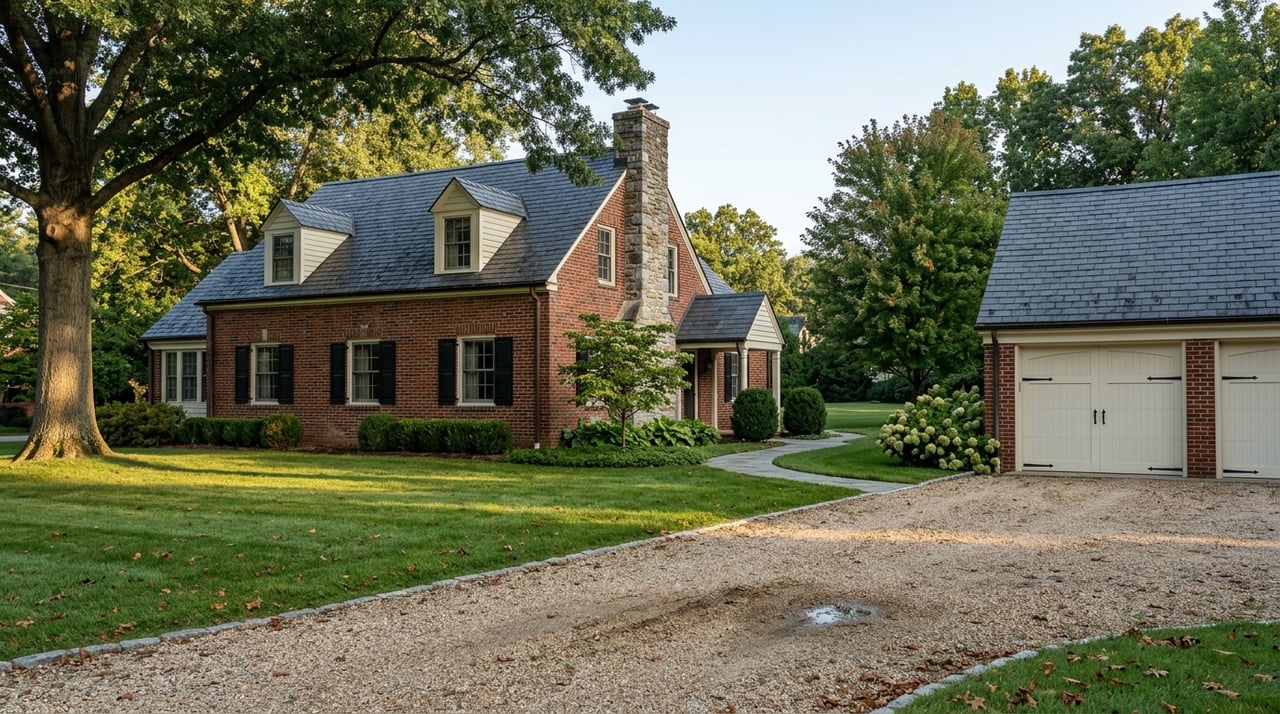
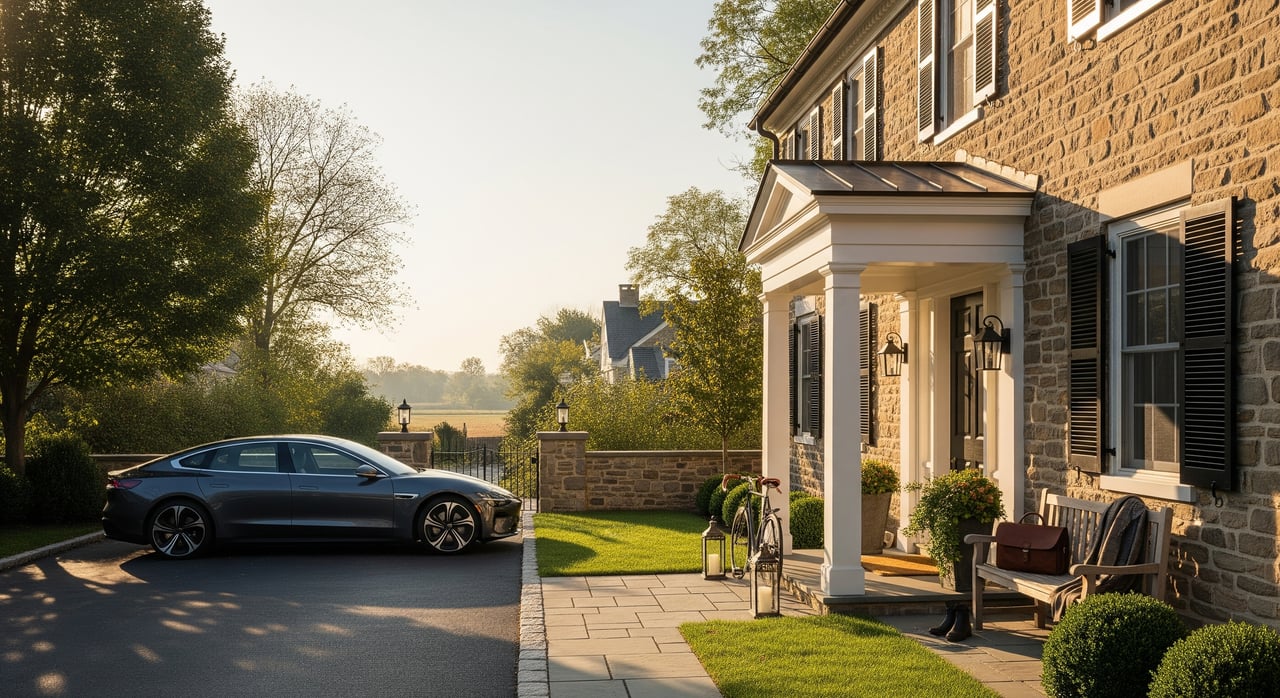
- Driveway and entry. Repair potholes, regrade gravel, and refresh or repaint gates. Keep directional signage discreet and clear.
- Sightlines. Mow drive edges and showcase trails to barns, ponds, or meadows. Clear deadfall along primary viewing routes.
- Fencing and paddocks. Repair posts and rails. Present arenas, stalls, and tack rooms clean and uncluttered.
- Landscaping. Professionally mow, edge, prune, and mulch key beds. Use seasonal color in high-visibility areas.
- Water features. Ensure ponds look clean and shorelines maintained. Have the pool open and clear for photos when seasonally appropriate.
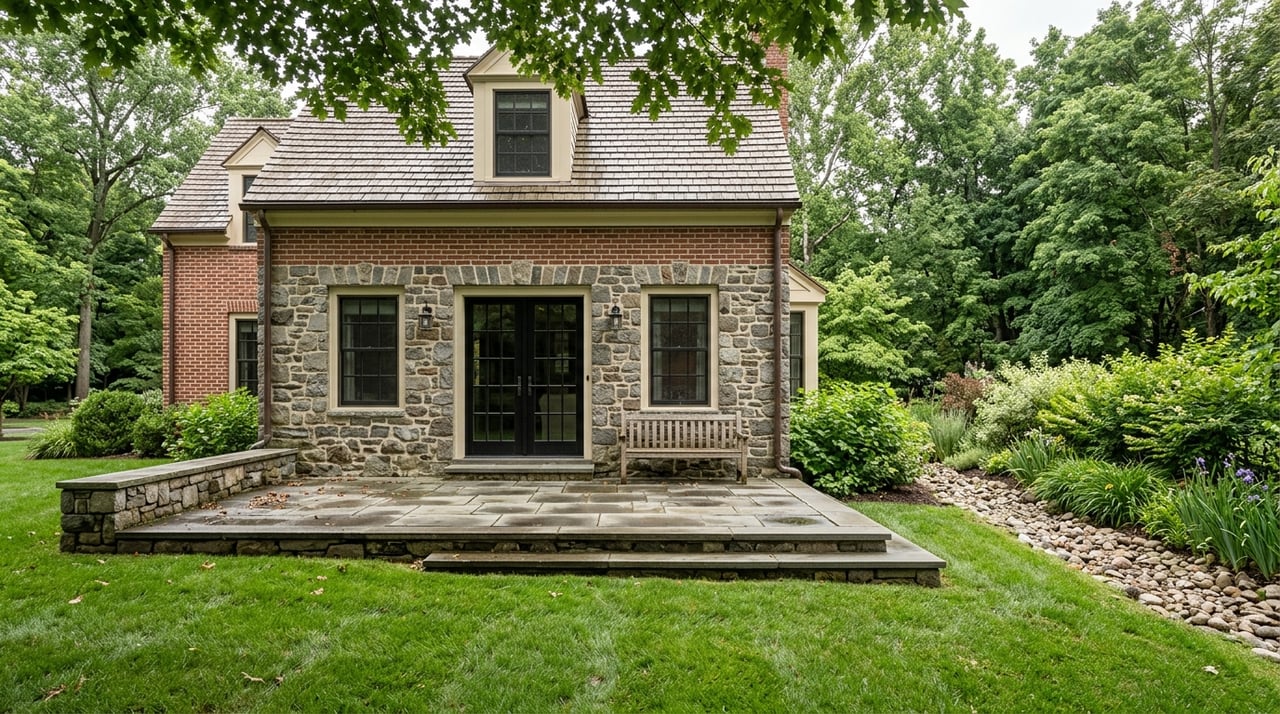
- Outbuildings and guest spaces. Repair siding, roofs, and doors. Deep clean and stage spaces that will be part of the tour.
- Trails and views. Mark primary loops and viewpoints. Clear short demonstration paths for showings.
- Safety. Secure hazards such as old wells, open water, or steep slopes. Set up safe parking and showing flow.
Seasonal cadence:
- Spring: lawn recovery, pruning, seeding, mulching, and pond cleanup.
- Summer: mow regularly, manage weeds, and schedule early-morning drone sessions to avoid heat haze.
- Fall: leaf removal, fence repair, and capture foliage for photography.
- Winter: keep driveways clear and shift marketing to interior features.
Premium visuals and staging
Large properties benefit from a visual plan that communicates scale, privacy, and lifestyle. Always use a licensed operator for aerial work and follow FAA small UAS rules.
- Aerial photography and video. Capture the approach, full footprint, paddocks, water, and context. Aim for late spring or early fall for color and contrast.
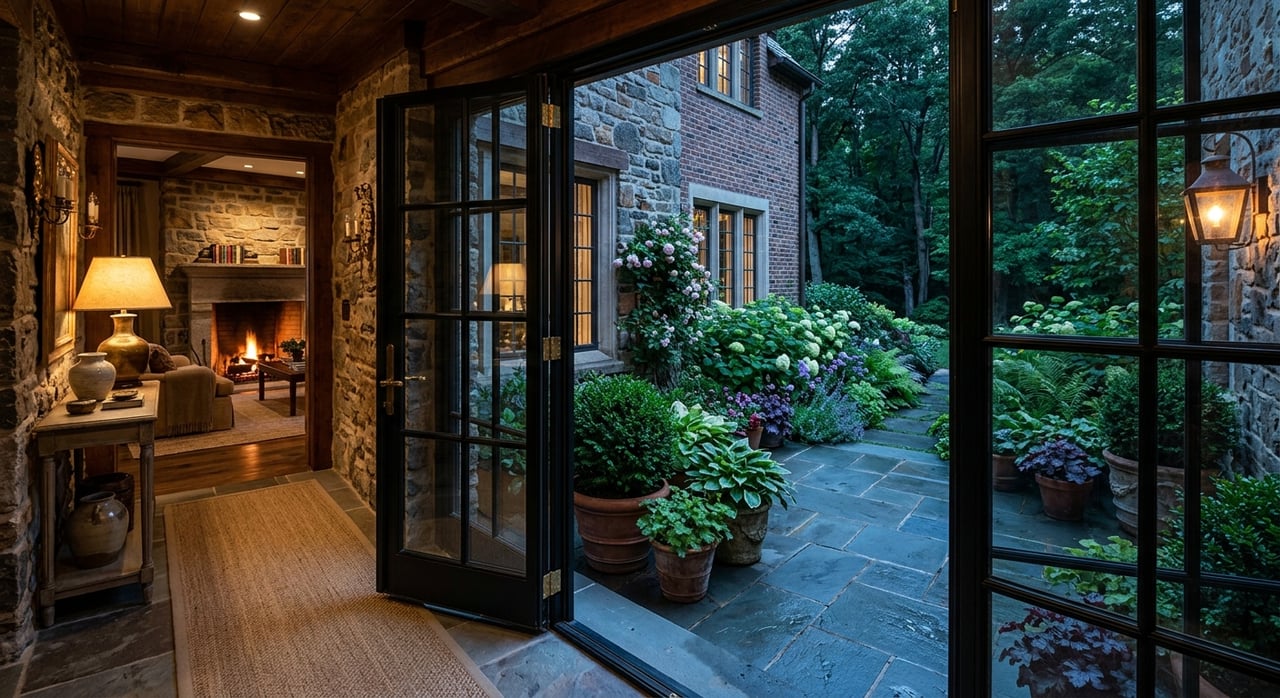
- Twilight exteriors. Highlight lighting, pool, and patio ambience on a clear evening.
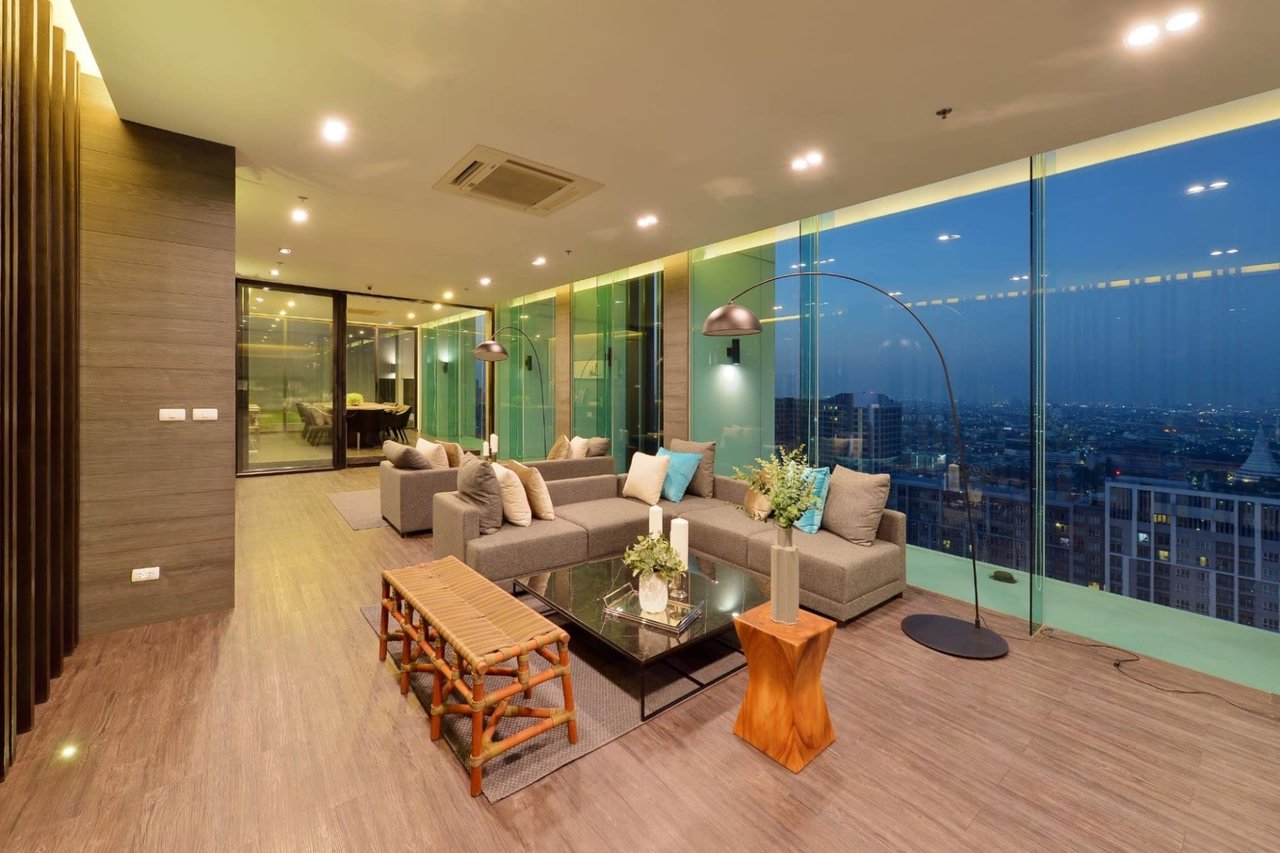
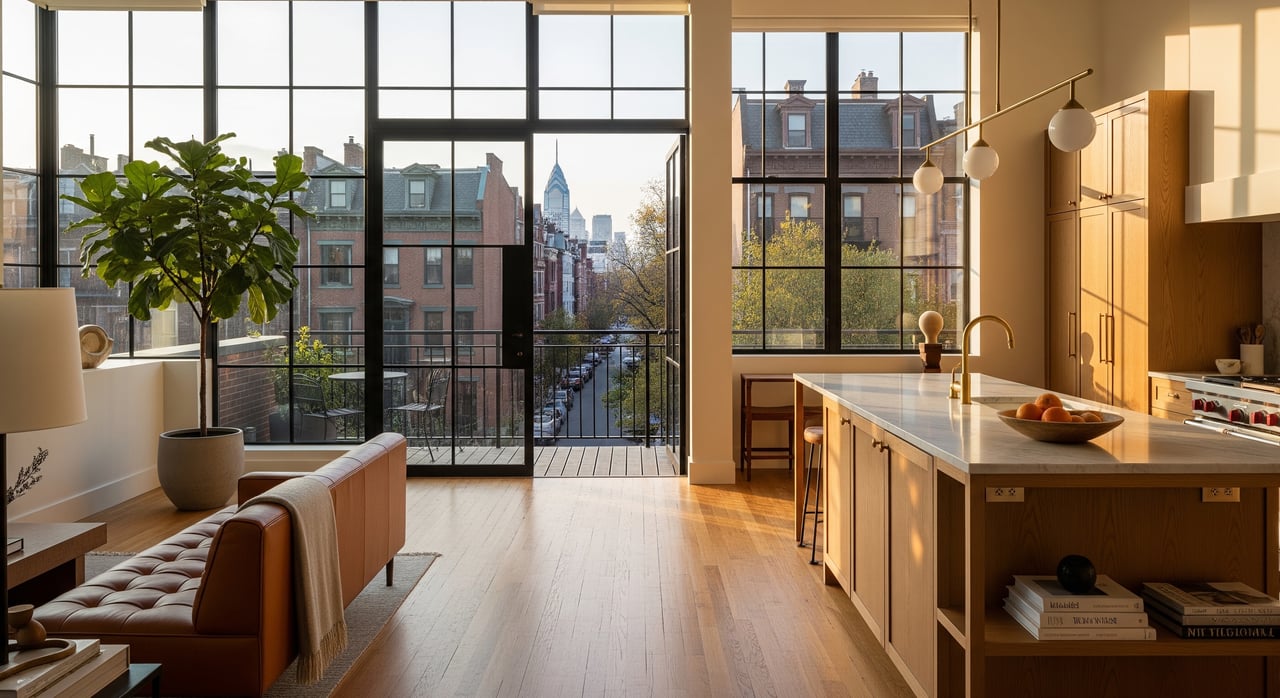
- Professional interiors. Use wide angles without distortion. Emphasize flow and main gathering spaces.
- Floor plans and 3D tours. Help remote and international buyers understand relationships between structures.
- Video walk-through. Produce a short cinematic teaser and a longer guided tour.
Staging tips:
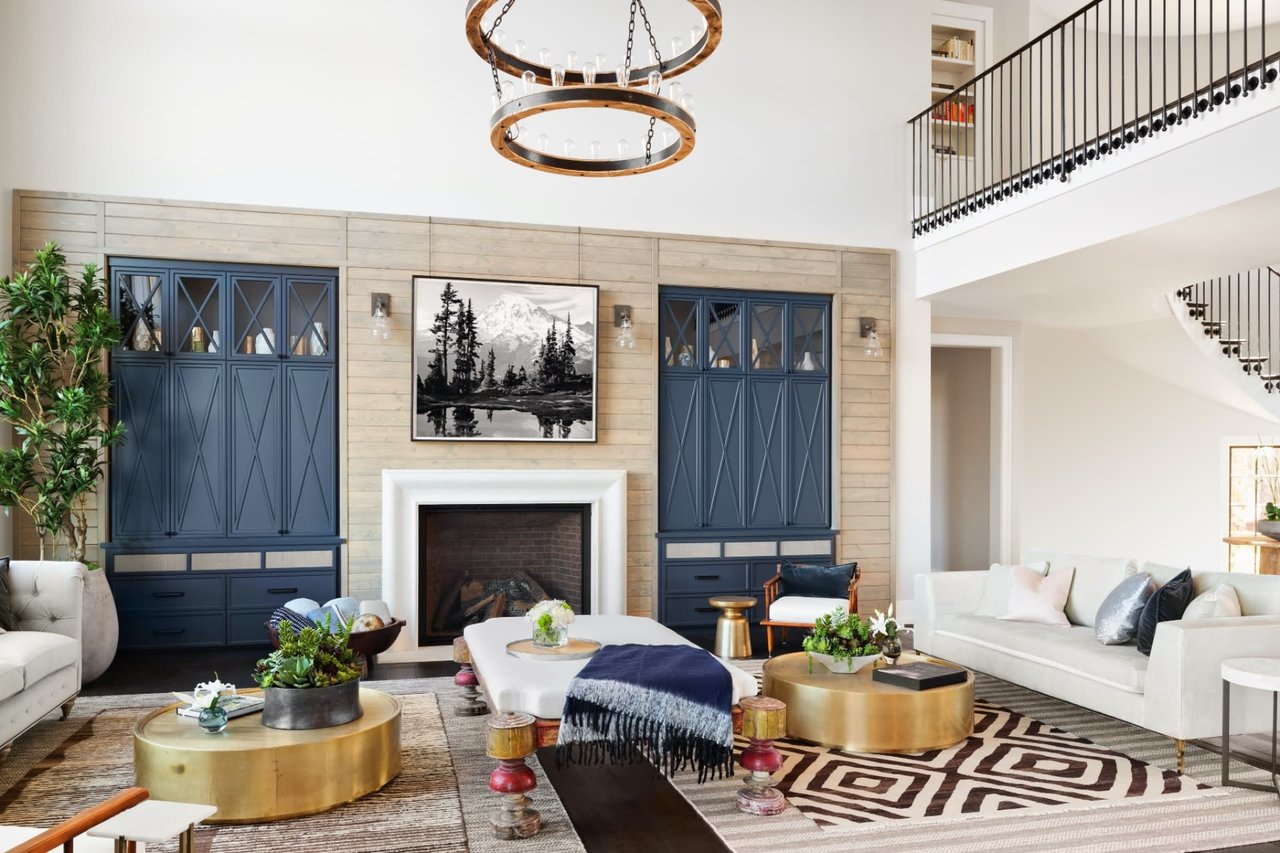
- Right-size furnishings to show volume without overwhelming rooms.
- Create clear purpose in secondary structures, such as a guest house or gym.
- Stage outdoor living zones with seating, lighting, and dining setups.
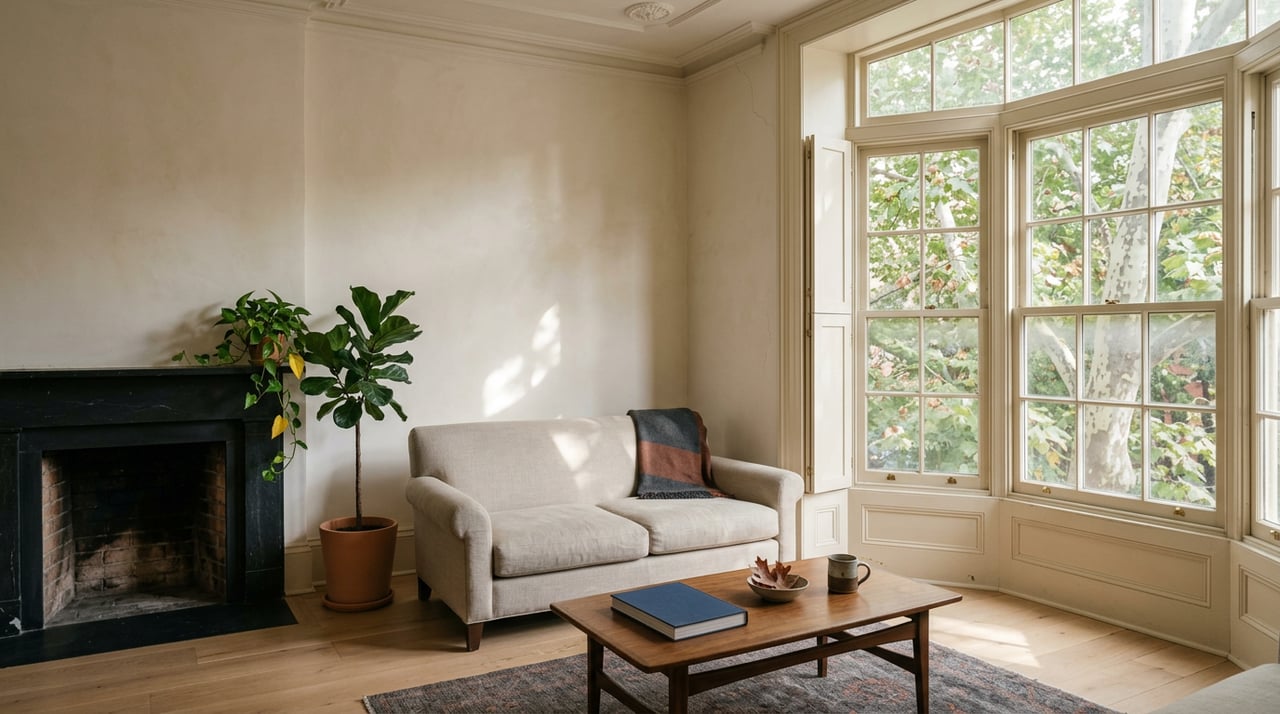
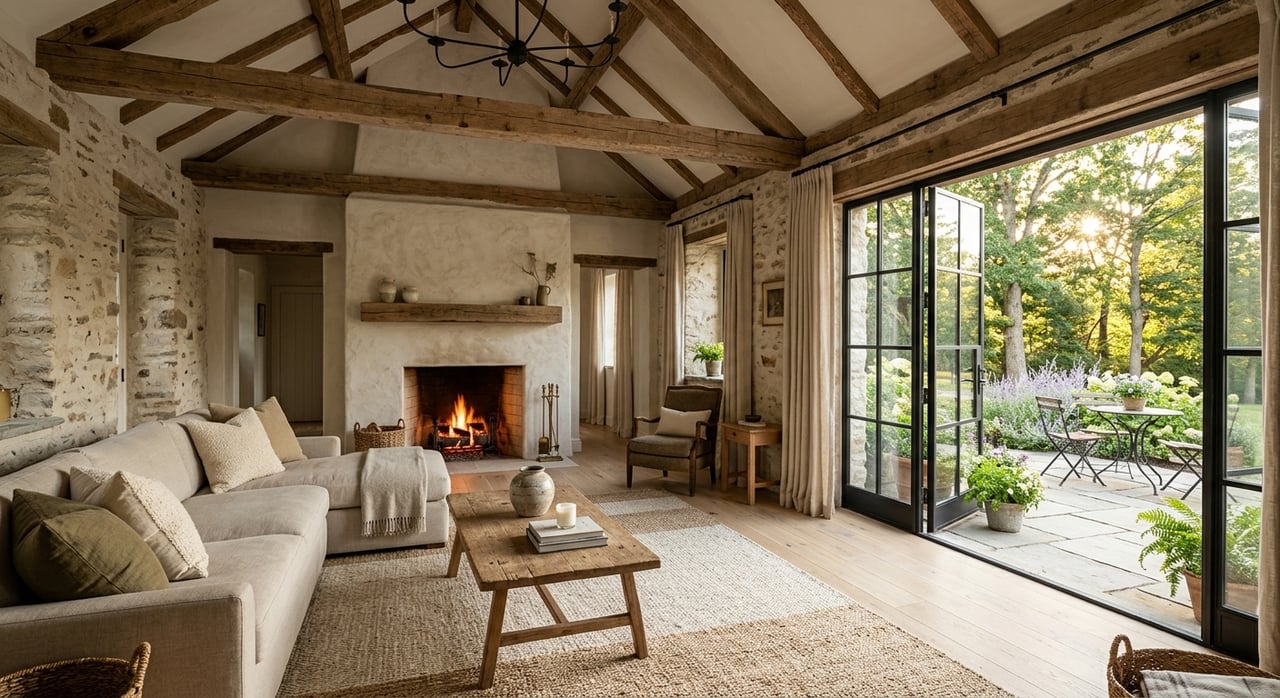
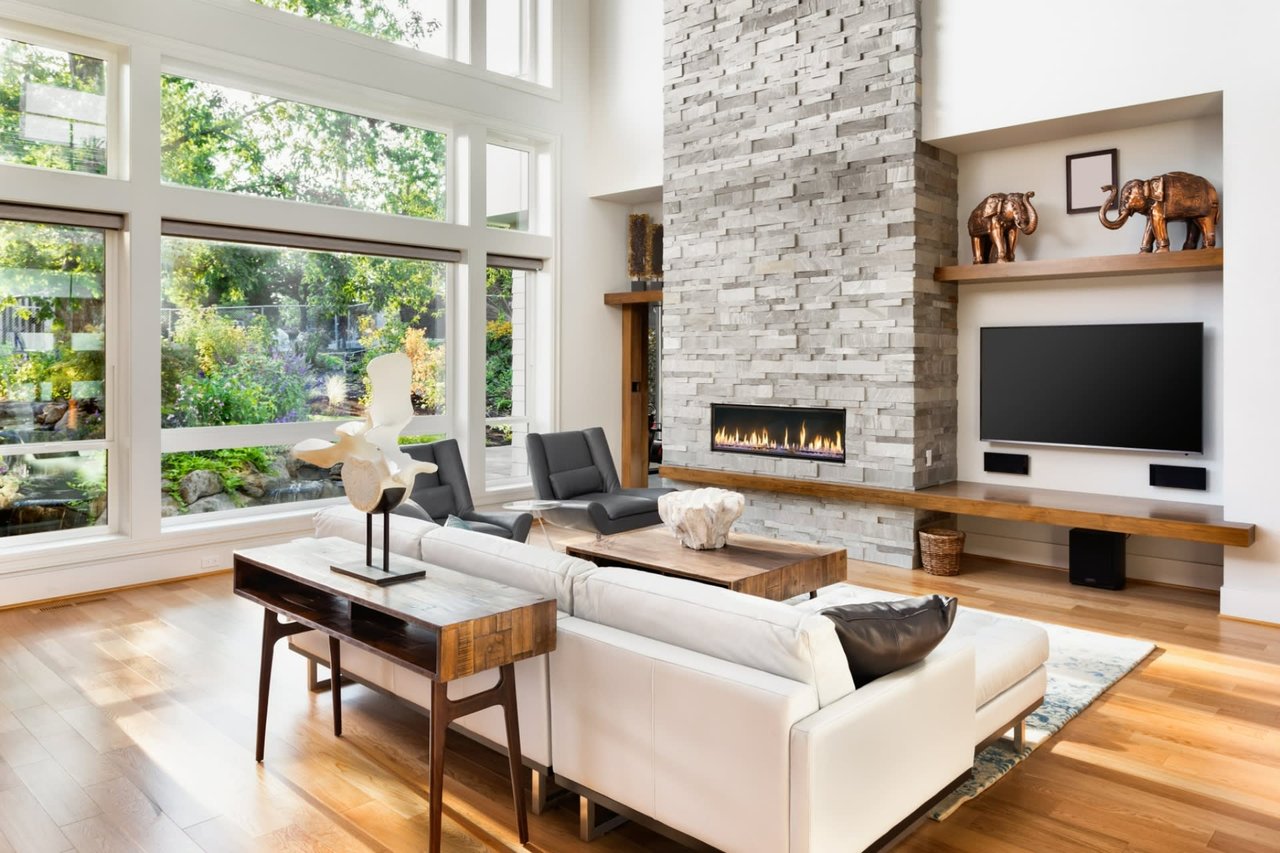
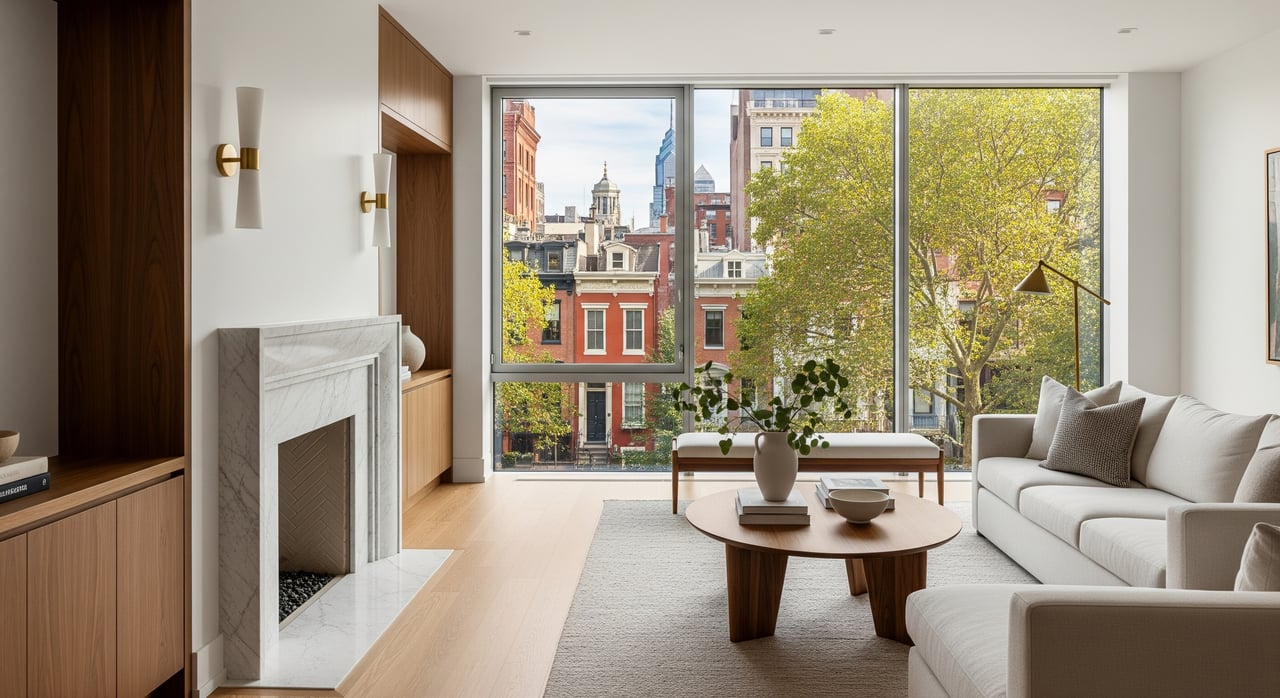
- Add warmth with layered lighting and, where appropriate, an active fireplace for photos.
- For showings, coordinate gate access and parking, and provide simple arrival instructions.
Six to twelve week timeline
Phase 0: Initial consultation (Week 0)
- Confirm municipality and zoning. Define target buyer profiles.
- Order a title report and set a communication plan for showings and access.
Phase 1: Records and pre-inspections (Weeks 1–3)
- Assemble deed, survey, permits, easements, and tax records.
- Complete home, septic, well, radon, and roof inspections.
- Start a new survey if boundaries or improvements are unclear.
Phase 2: Repairs and safety (Weeks 2–6)
- Address inspection items by priority, starting with safety and major systems.
- Service HVAC, plumbing, and septic; retain receipts and warranties.
- Implement safety measures on the grounds and around water features.
Phase 3: Grounds and exterior (Weeks 3–8)
- Repair driveway, fencing, and gates. Complete tree work and cleanup.
- Prepare barns, garages, and guest spaces. Maintain ponds and pool.
- Define guest parking and access for showings.
Phase 4: Marketing assets and staging (Weeks 6–10)
- Stage interiors and outdoor living areas.
- Schedule aerial, twilight, and interior photography with licensed pros.
- Produce floor plans, 3D tour, video, and a property data packet.
Phase 5: Pre-market and launch (Weeks 8–12)
- Share quiet teasers with targeted lists and relocation channels if desired.
- Launch to MLS and host a broker preview and qualified private showings.
- For unique estates, consider appointment-only showings to protect privacy.
Quick seller checklist
- Confirm municipality and zoning rules.
- Gather deed, survey, tax info, easements, and permits.
- Complete home, septic, well, and radon inspections.
- Repair roof, HVAC, septic, and safety items.
- Landscape cleanup plus driveway and gate repairs.
- Secure fences and paddocks.
- Book FAA-compliant aerial and professional photography.
- Stage main rooms and key exterior living areas.
- Prepare disclosures, inspection reports, and site maps.
- Set showing protocol, security, and access instructions.
Next steps
Thoughtful preparation, disciplined visuals, and complete documentation create buyer confidence and shorten time from launch to closing. If you want owner-level accountability with boutique presentation and global reach, partner with Douglas Pearson for a private valuation and consultation.
FAQs
What are the best months to list a large Bucks County estate?
- Late spring through early summer and early fall typically showcase landscaping and views best, which helps marketing and buyer perception.
Which documents should I gather before listing acreage?
- Deed, survey, easements, permits, tax records, septic and well documentation, conservation or historic restrictions, and any environmental or insurance reports.
Do I need a new survey if mine is older?
- Yes if boundaries are unclear, improvements were added, or there are fence or access questions. A current survey reduces risk and supports pricing.
Should I test for radon and water quality in Pennsylvania?
- Yes. Provide a radon test and a recent well water report. Use guidance from the EPA’s radon resources and the PA DEP.
How do I handle drone photography on my property?
- Hire a Part 107 licensed operator and follow FAA UAS rules. Plan shoots in late spring or early fall and avoid midday heat haze.
How can I check for flood zones and wetlands before I list?
- Review your parcel on the FEMA Flood Map Service Center and consult the PA DEP about wetlands and watercourse regulations. For soils, use the NRCS Web Soil Survey.