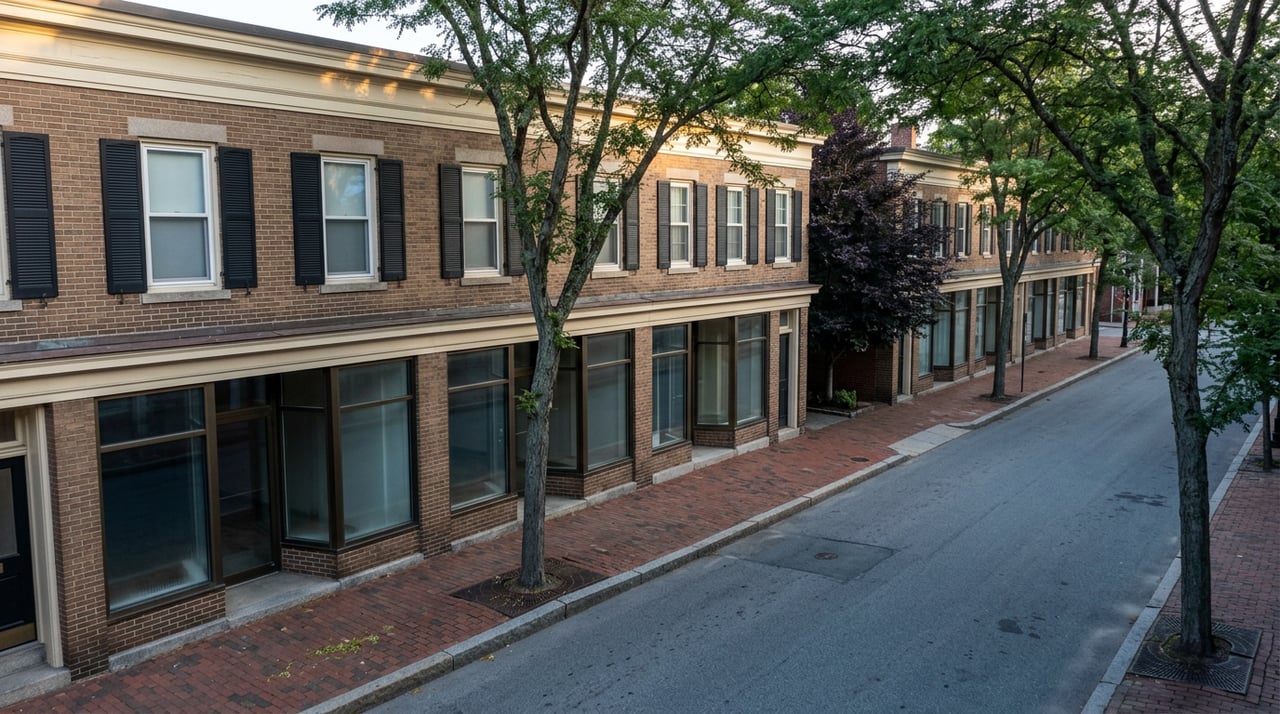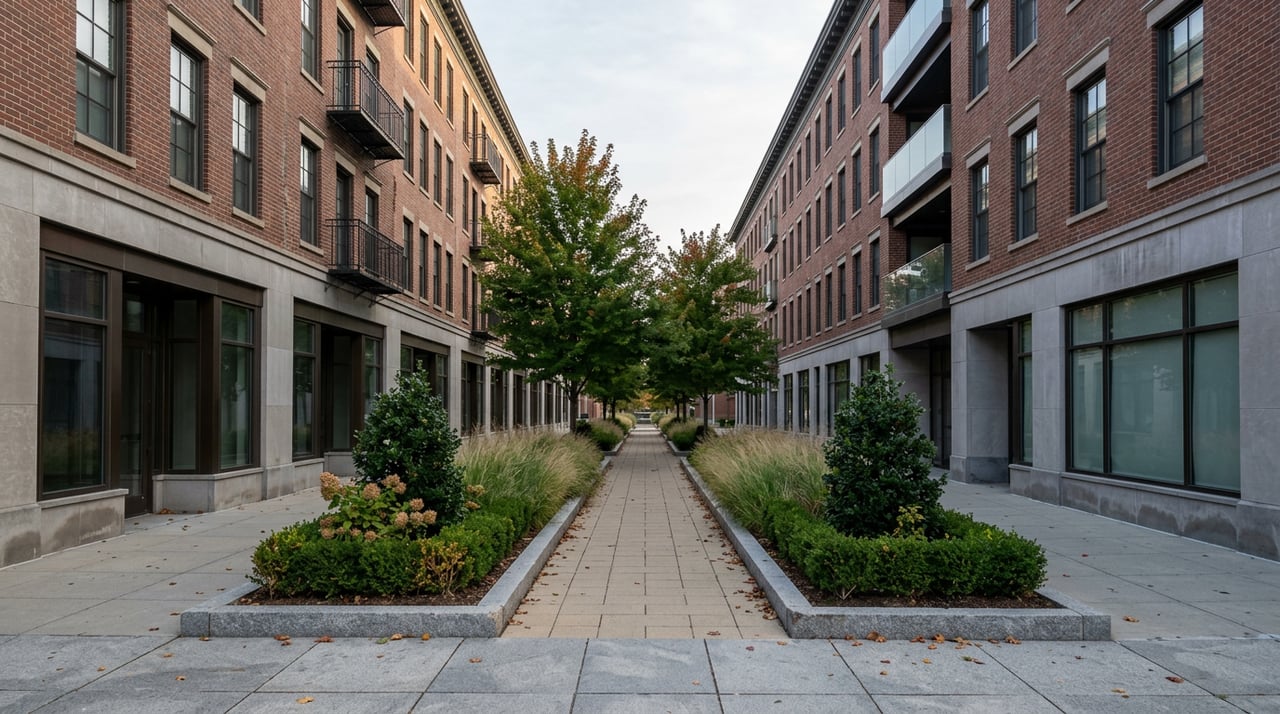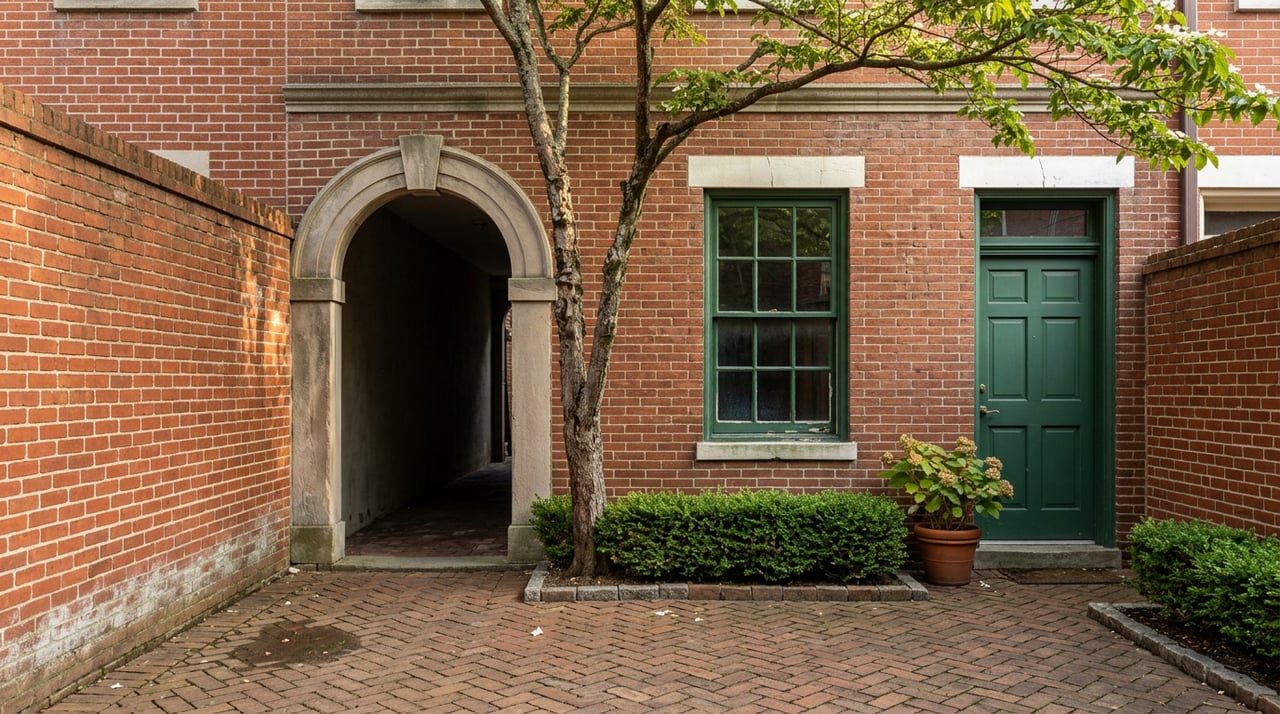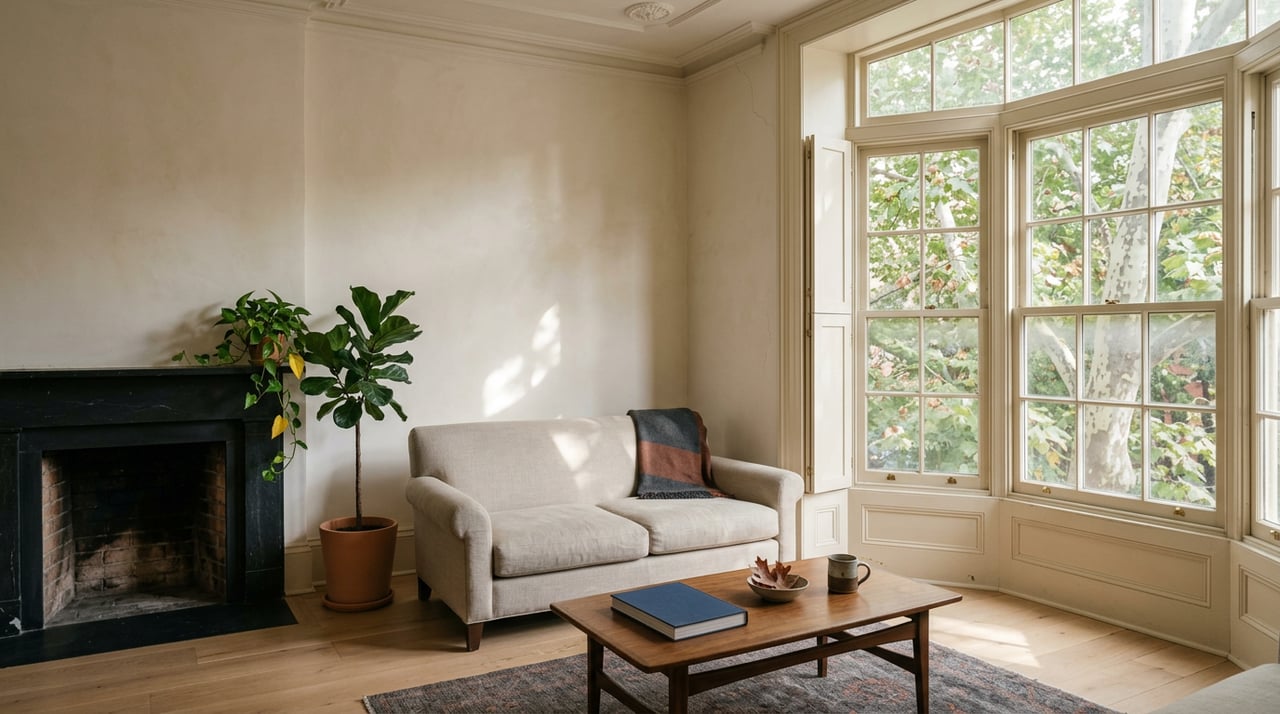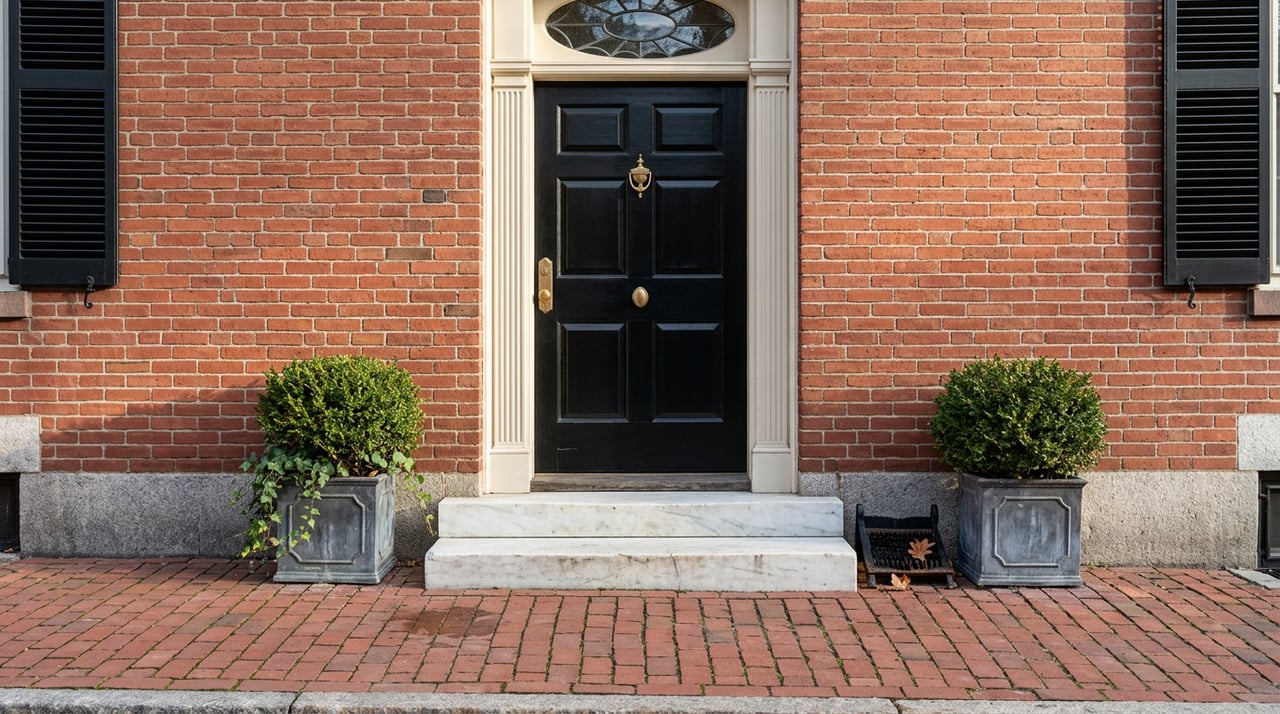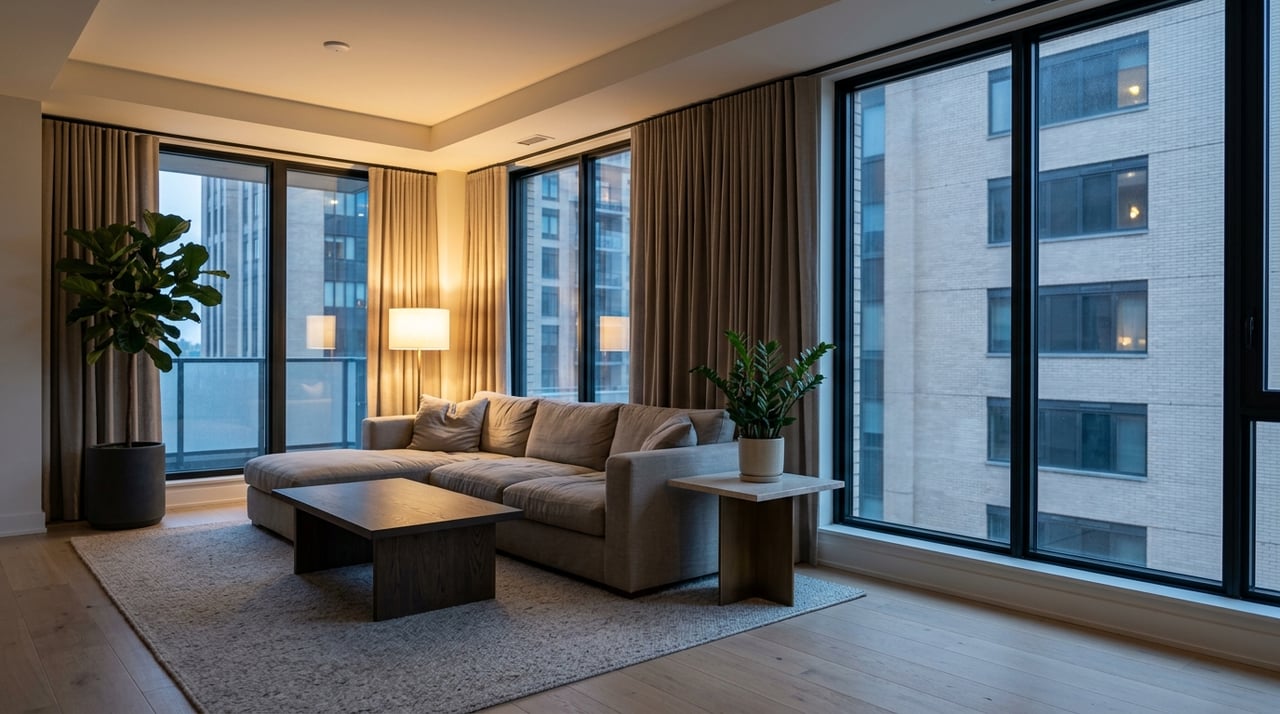
Trying to make sense of wildly different price per square foot numbers in Rittenhouse? You are not alone. With buildings that range from pre-war walk-ups to full-service luxury towers, the same block can show very different values. This guide breaks down what PSF really means, the features that move it up or down, and a clear way to compare units so you can buy or sell with confidence. Let’s dive in.
What price per square foot means
Price per square foot is the sale price divided by the stated livable interior square footage. For Rittenhouse condos, the denominator usually comes from MLS details or condo documents. That figure often reflects finished interior area, not outdoor space.
Measurement methods can differ by building. Some listings rely on seller or condo-plan numbers, while others may include areas measured in different ways. Always confirm the measurement basis before you compare PSF across units.
Why PSF varies in Rittenhouse
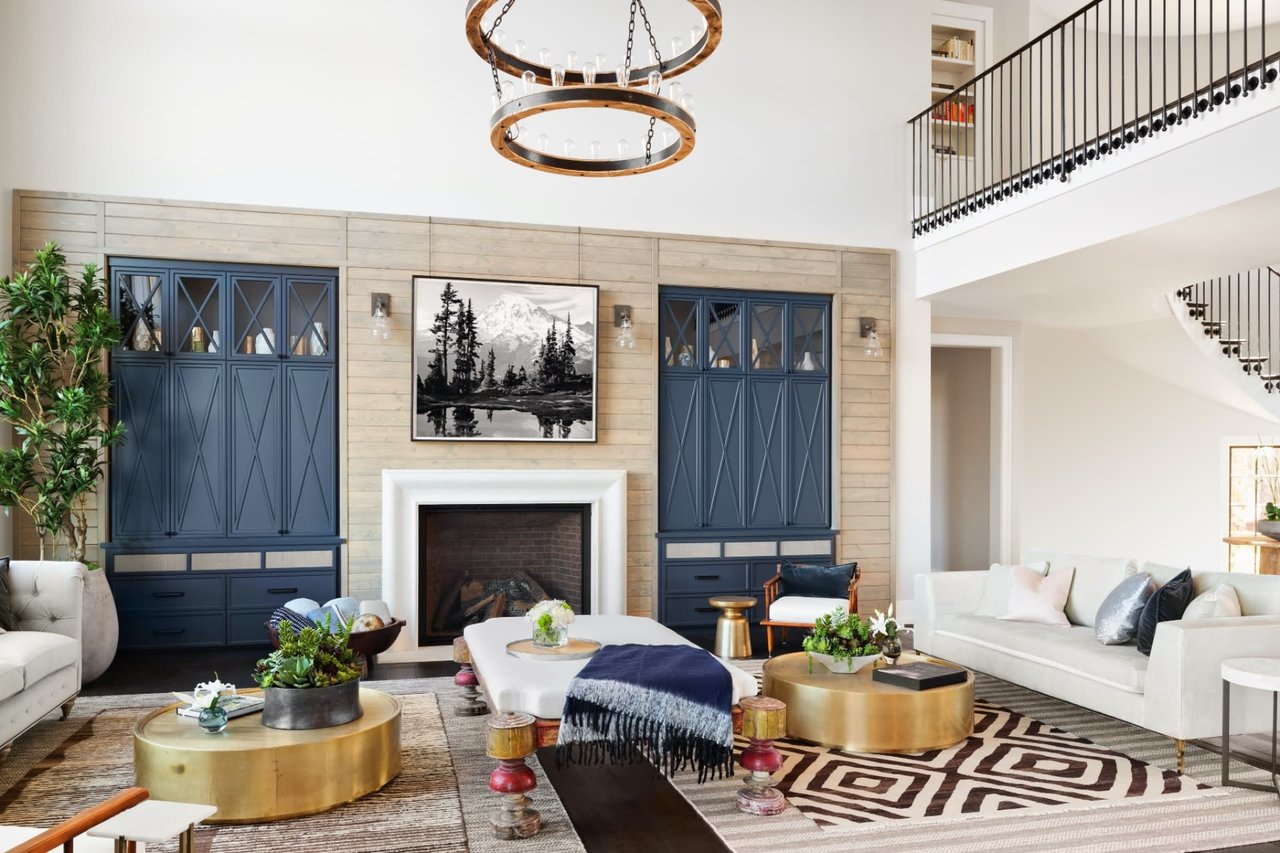
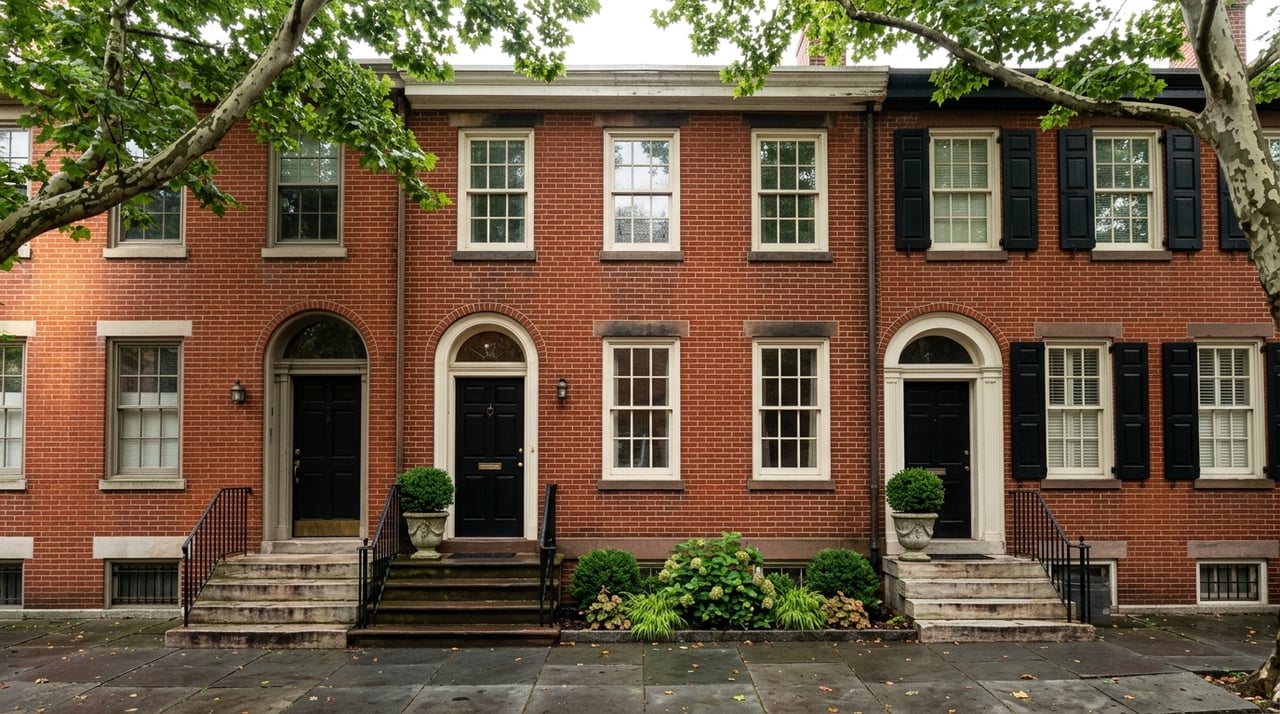
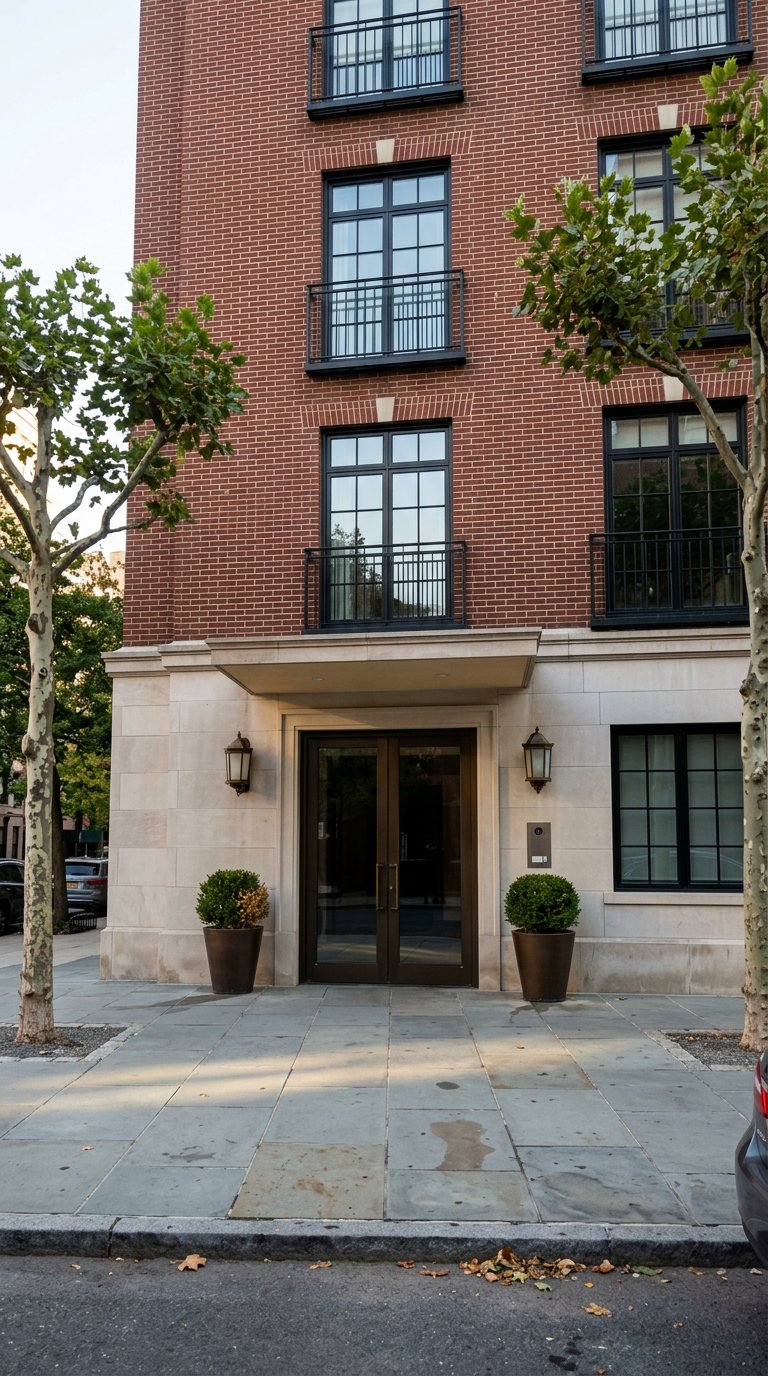
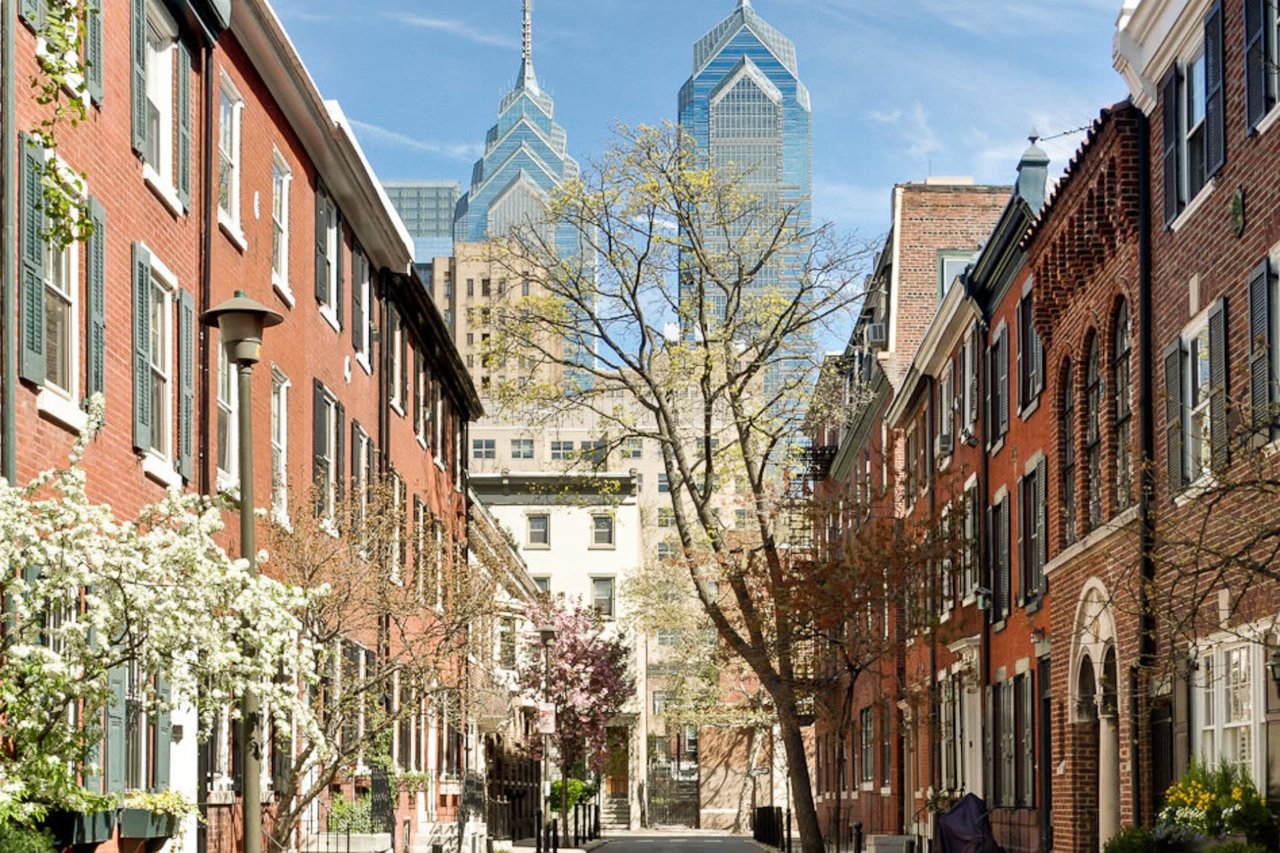
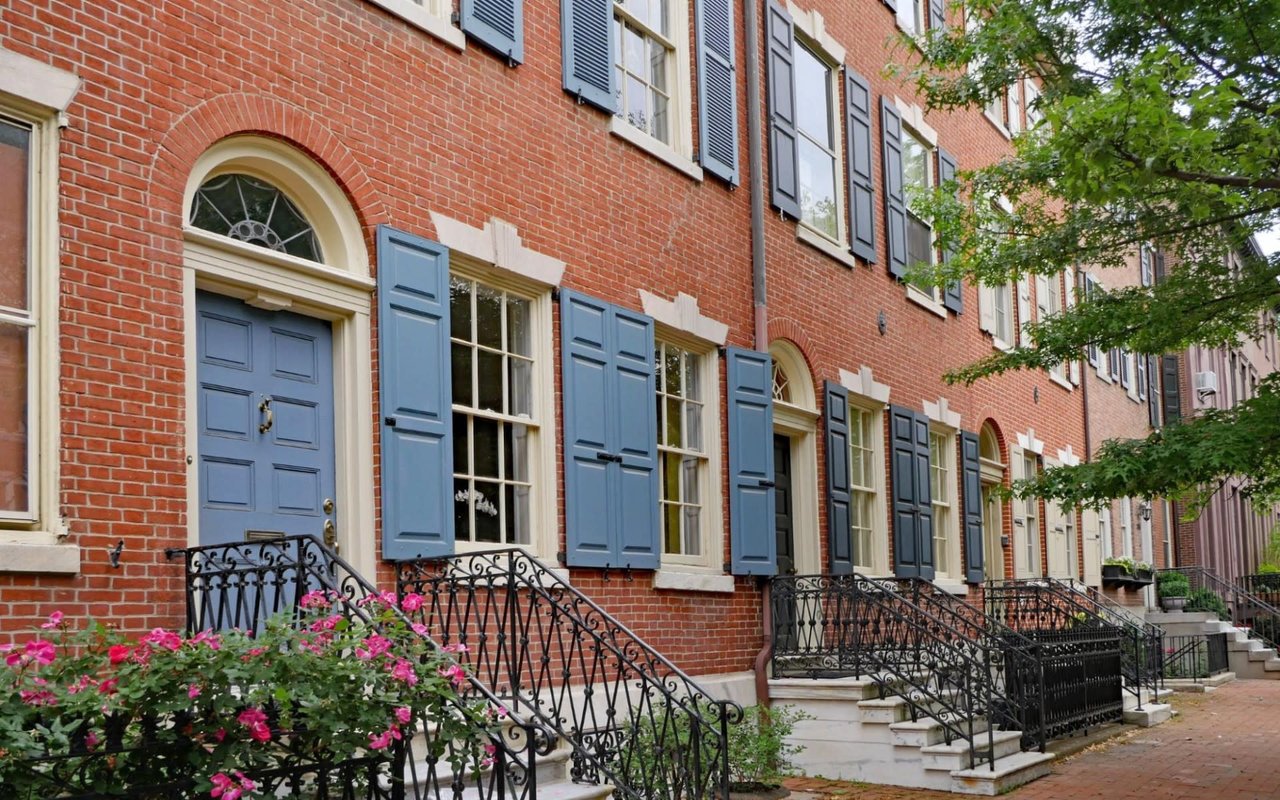
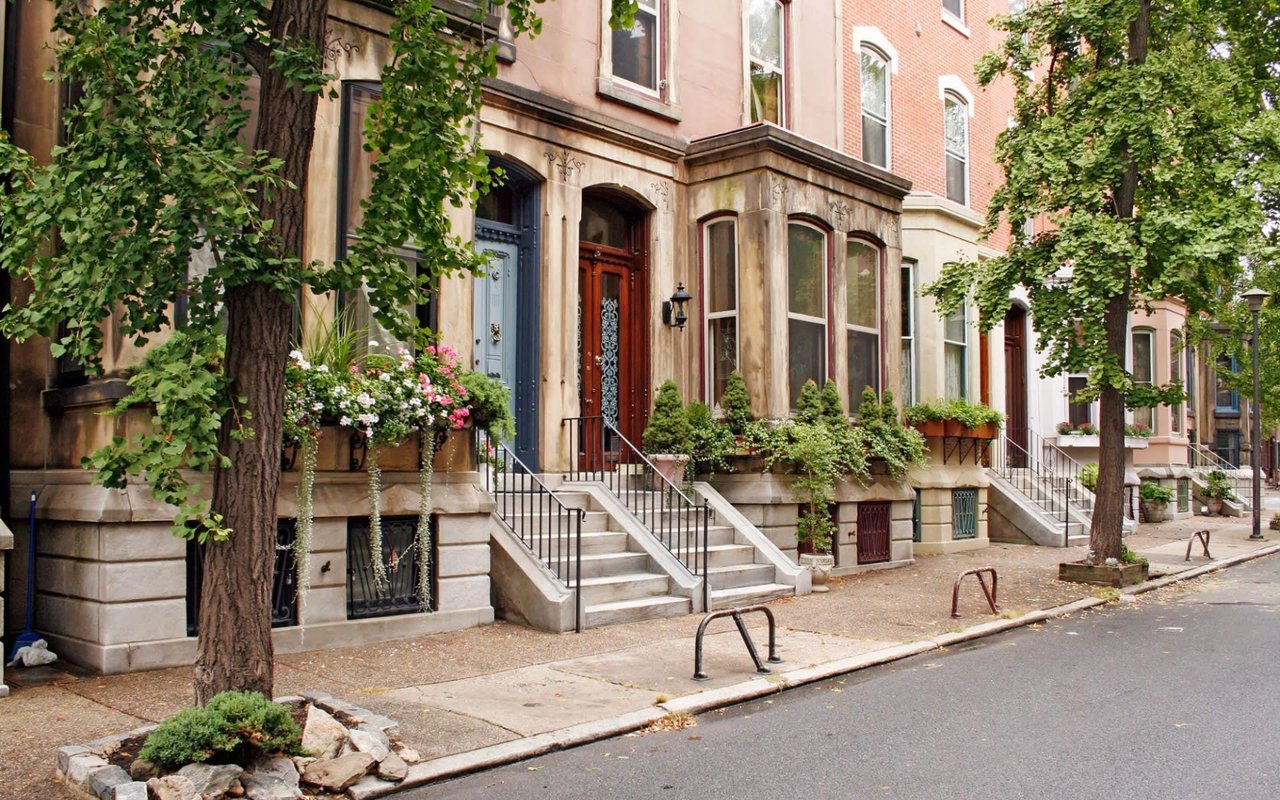
Rittenhouse Square includes parkfront properties, boutique conversions, mid-century towers, and contemporary luxury high-rises. With such diversity, PSF changes based on building type and unit-level features like view, floor, finishes, and services. The neighborhood’s central location and amenities often support higher PSF relative to broader city averages.
Major PSF drivers to watch
Park and skyline views
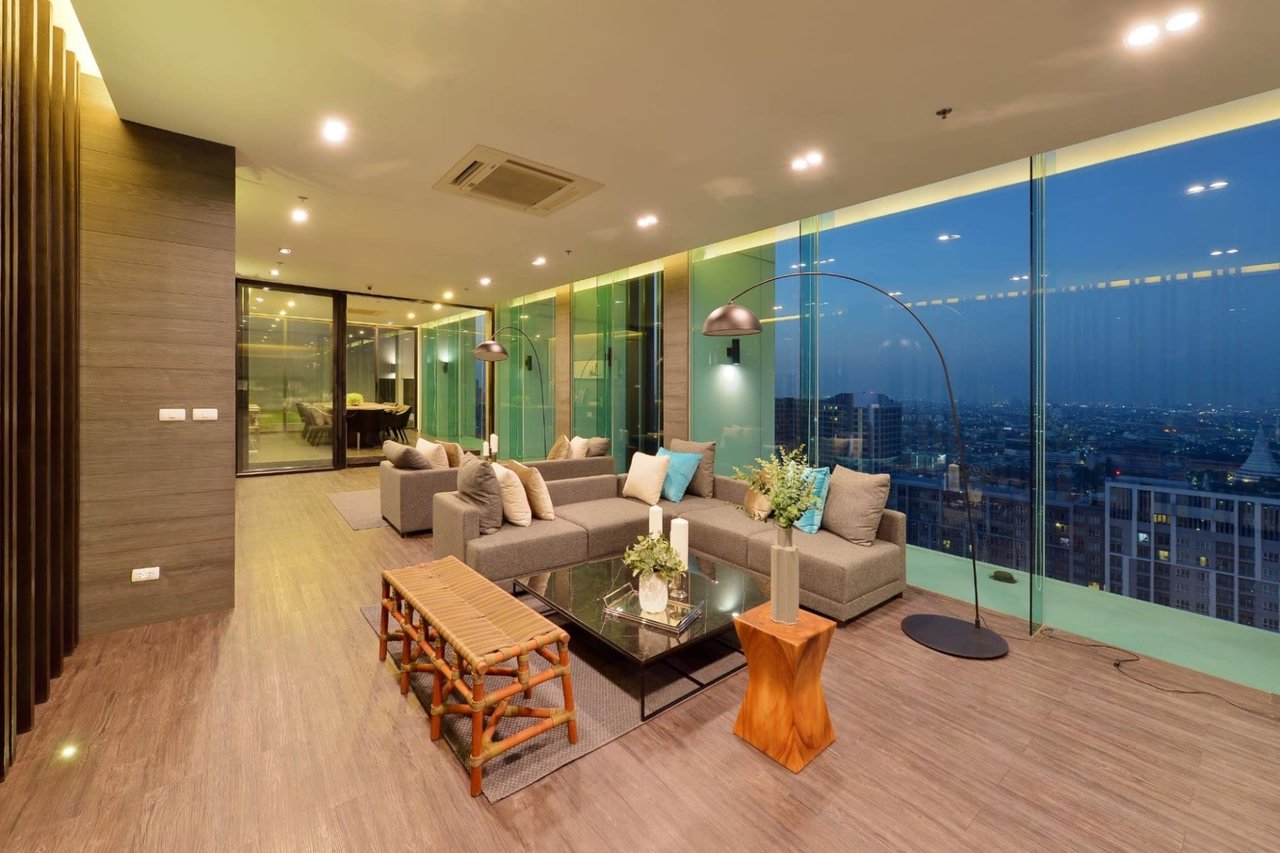
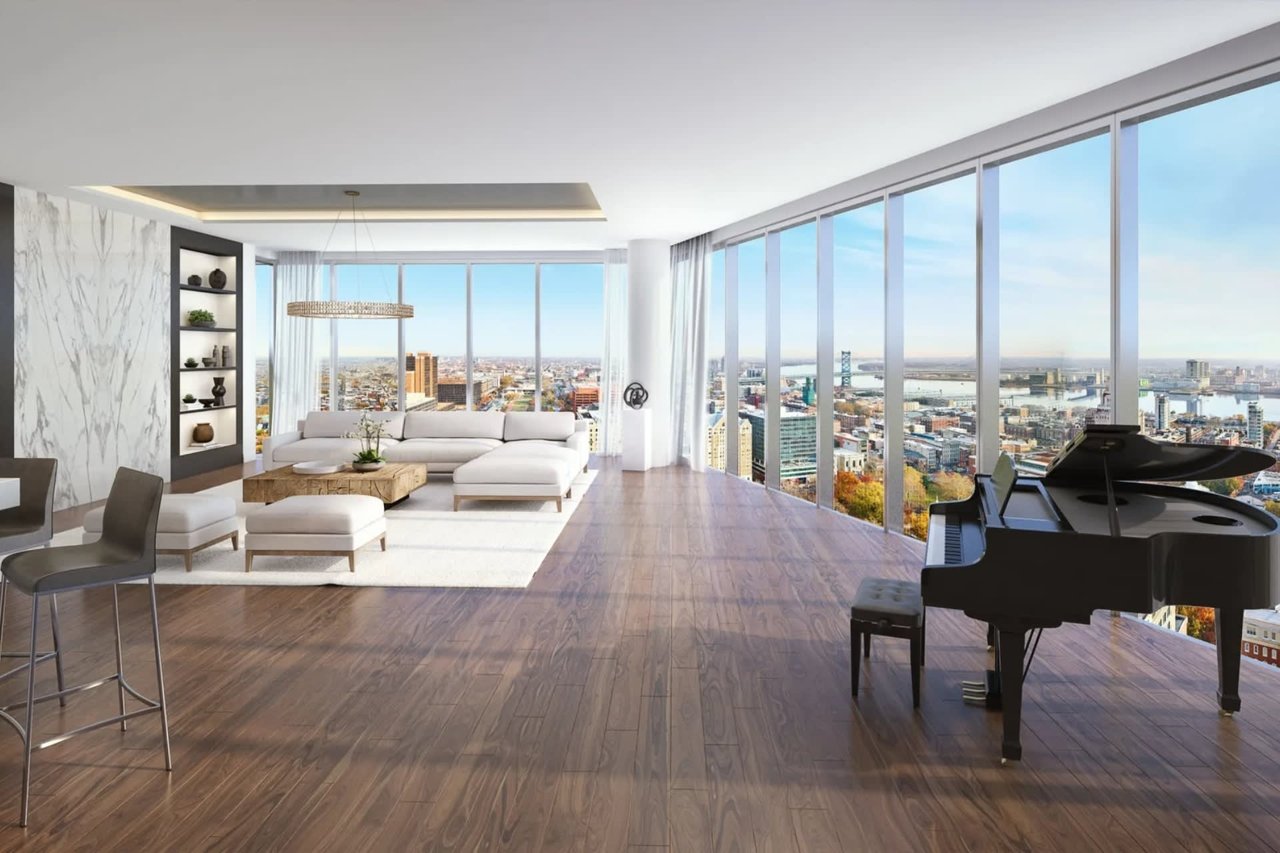
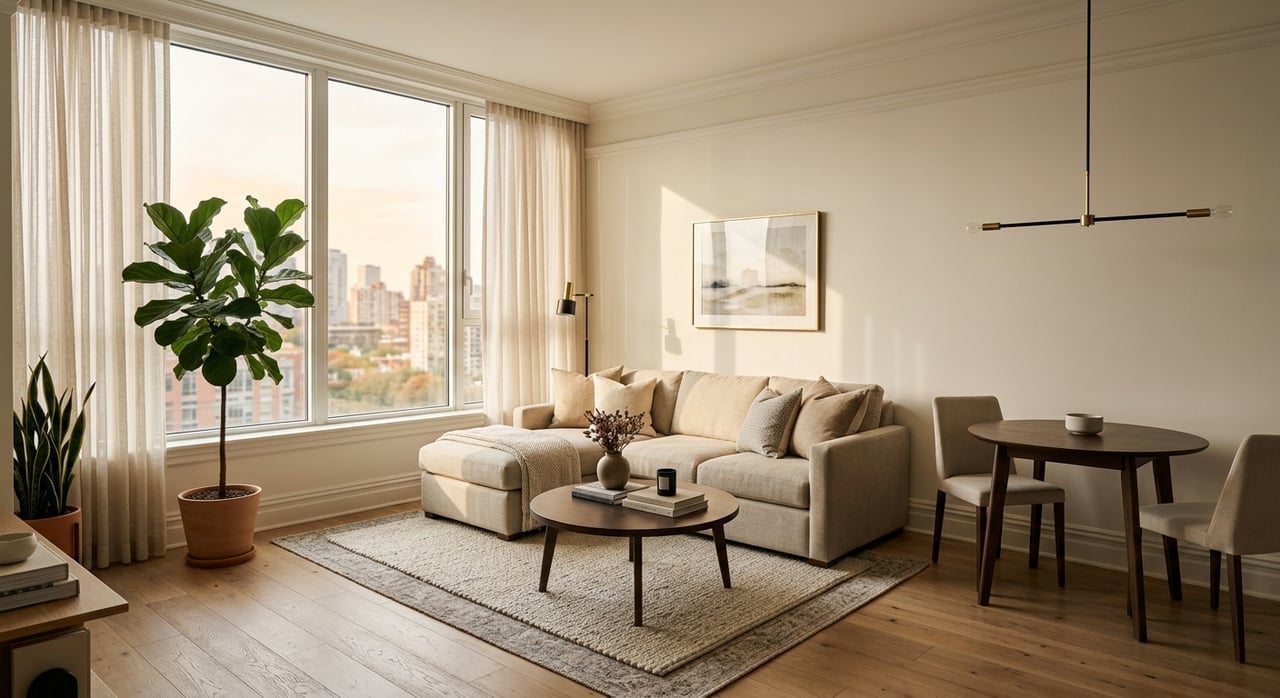
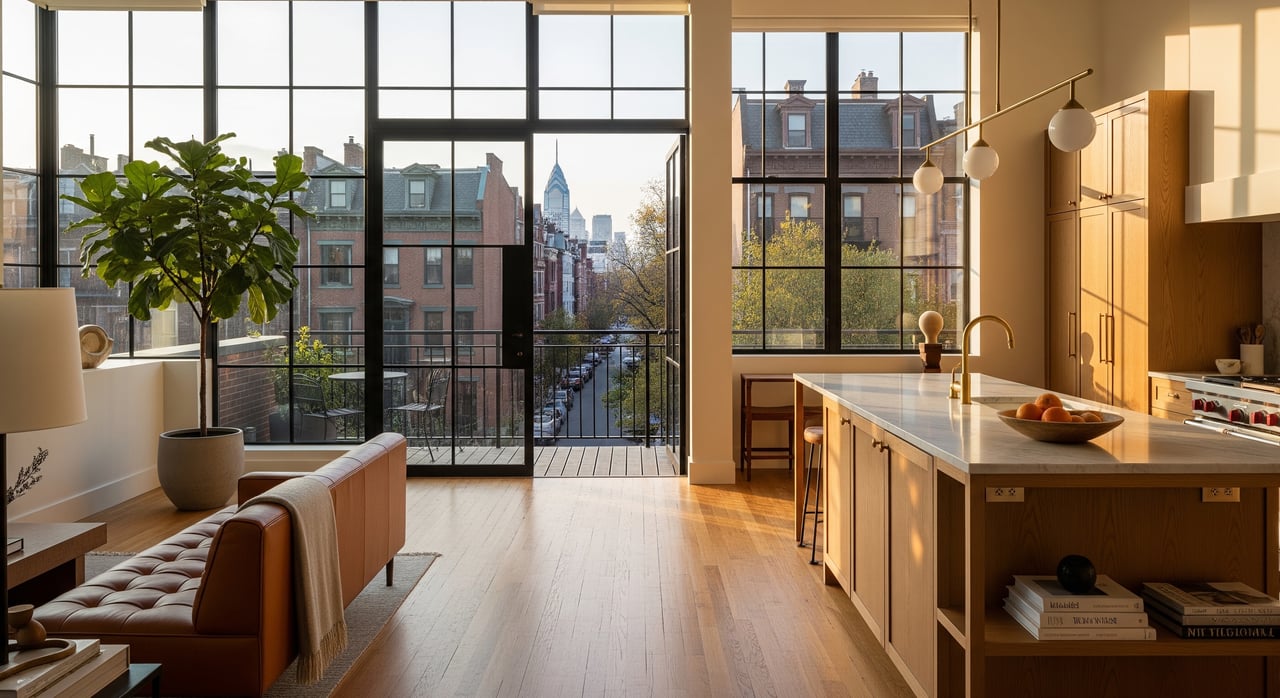
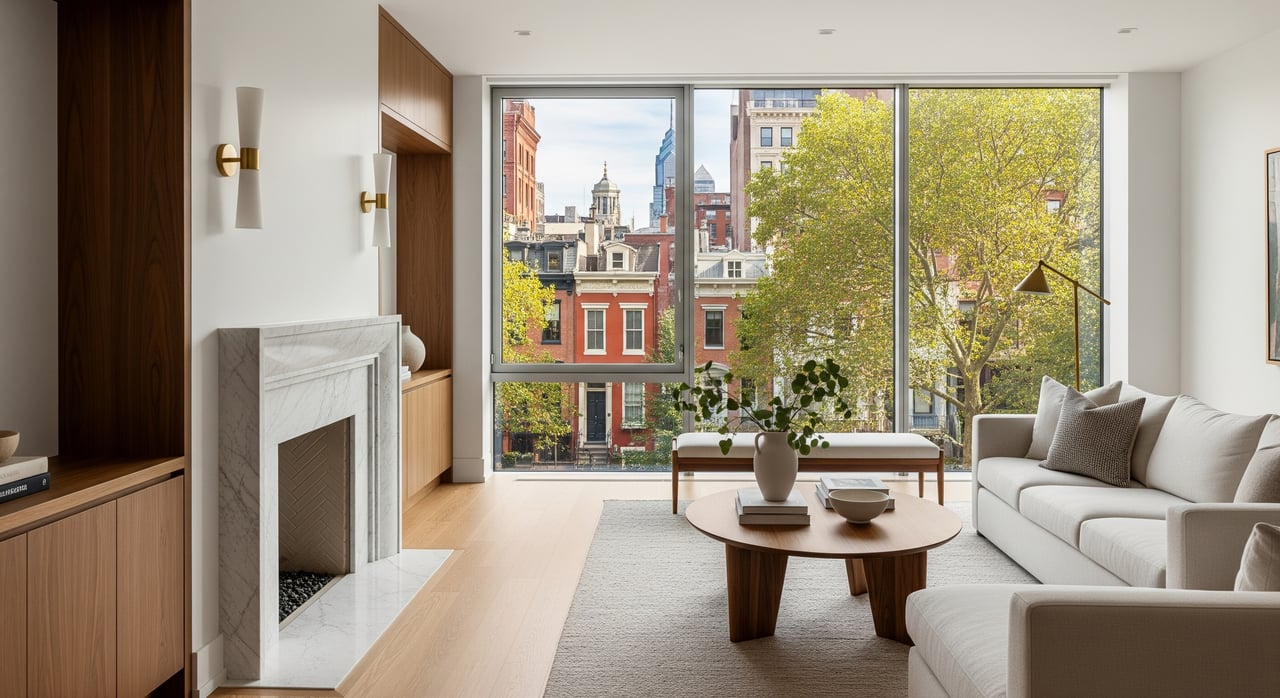
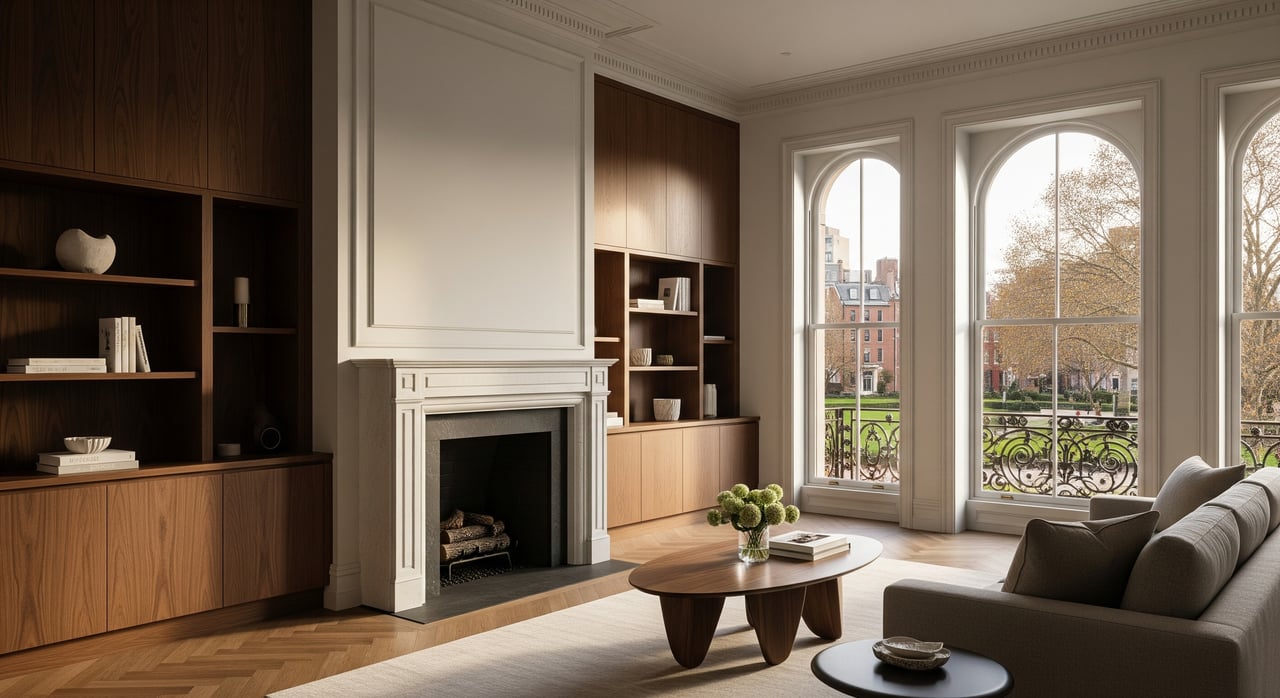
Direct park views, skyline vistas, or open southern exposures often command premiums. Views are a lasting, visible amenity with prestige value. When you compare comps, sort by view type, and expect park-facing units to trade higher than non-facing units in the same building.
Ceiling height and volume
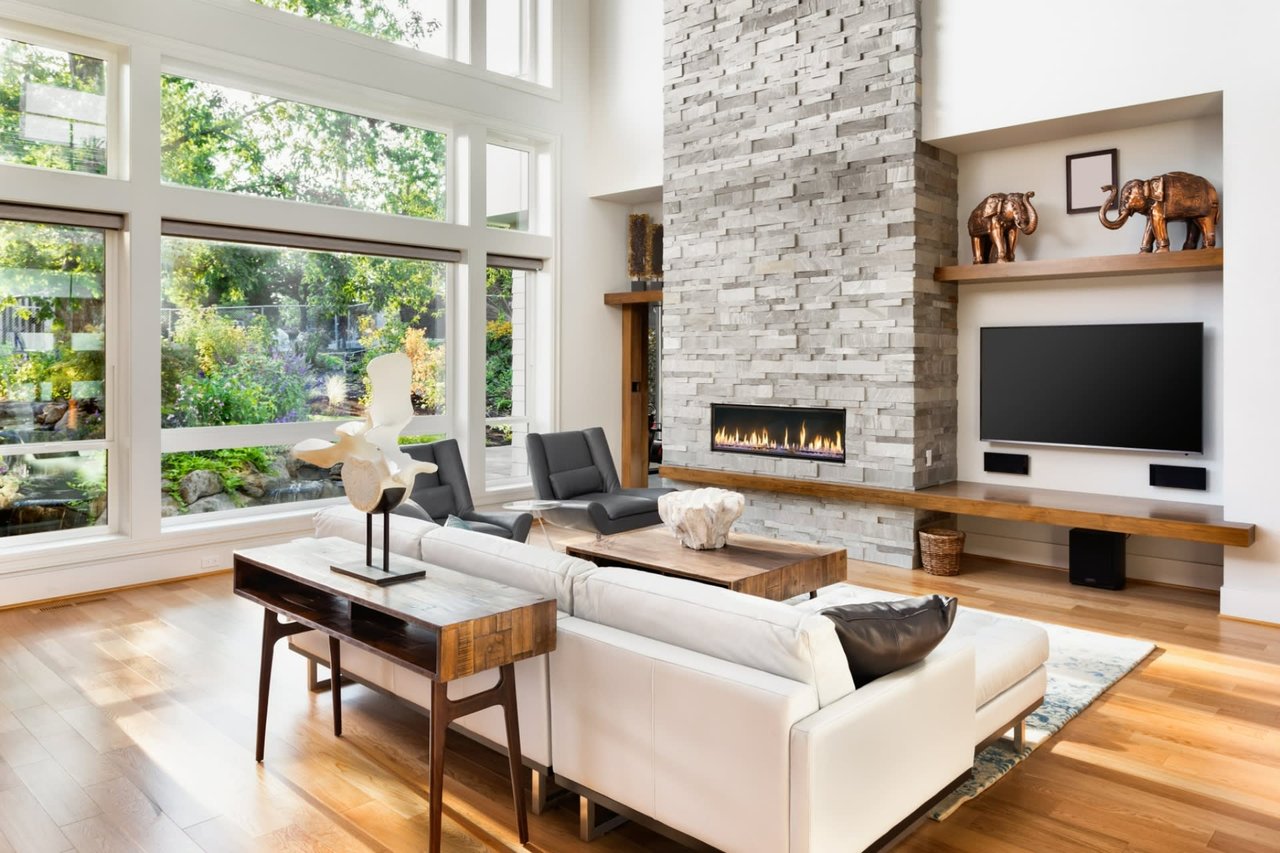
Ceilings that reach 9 to 12 feet or more, or lofted volumes, increase light and the perception of space. Many listings highlight ceiling height for a reason. Appraisers and agents typically adjust upward for noticeably taller ceilings, especially when paired with large windows and balanced room proportions.
Outdoor space
Private balconies, terraces, or roof decks are highly valued in a dense urban setting. Treat outdoor space as an additive amenity, not interior square footage. Deeded, usable terraces that support dining or seating have more impact than small Juliet balconies or limited exclusive-use areas.
Parking options
Deeded garage spaces, assigned spaces, valet service, or no parking each carry different value. In Center City, a deeded covered space with limited supply can add a significant premium. Confirm whether parking is deeded, leased, or managed by the HOA, then adjust comps accordingly.
Services and amenities
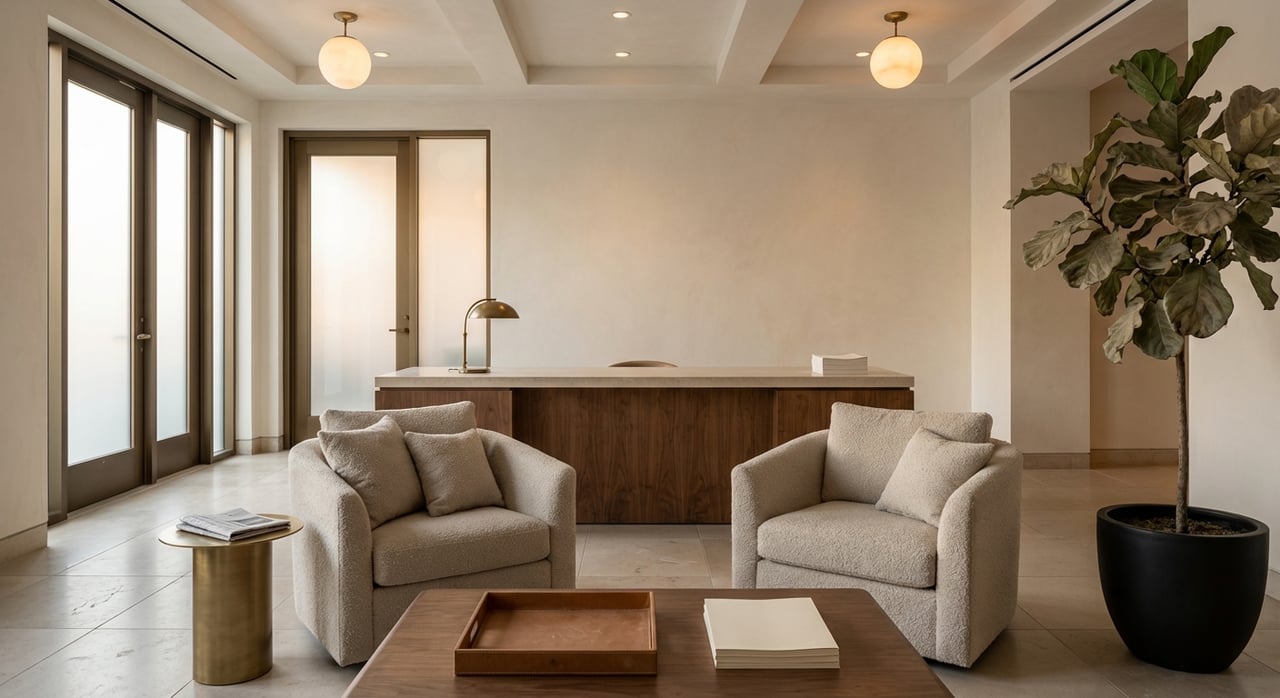
Doorman or concierge service, on-site management, a gym, pool, and resident lounges deliver convenience and a lifestyle premium. That said, full-service buildings often have higher monthly fees, which affect affordability. Balance the amenity set against the fee structure, reserves, and any capital plans when you interpret PSF.
Building type and brand
Boutique buildings offer privacy and character with fewer amenities and often lower fees. Full-service towers offer modern systems and extensive services. Compare like-to-like building types first, then adjust for finish quality, amenity depth, and reputation within the market.
Unit size effects
Smaller units often show higher PSF than larger residences. A 900 square foot one-bedroom may trade at a higher PSF than a 3,000 square foot penthouse. Use size bands and compare within similar ranges before you rely on a single PSF number.
Condition and finishes
Turnkey renovations, chef’s kitchens, custom millwork, and restored architectural details attract a broader buyer pool. Dated finishes usually discount. Adjust for tangible items like appliance packages, cabinetry, and bathroom quality rather than style alone.
HOA fees, assessments, and taxes
Monthly fees, upcoming assessments, and building reserves influence buyer decisions. Higher carrying costs can push sale prices down relative to a lower-fee building. Convert fees to annual dollars when you compare PSF and account for any special assessments.
Floor level and access
Upper floors can draw premiums for quiet, privacy, and views. Ground-floor units near busy streets may discount unless they offer unique features like private gardens. Consider elevator access and type when valuing high floors.
How to compare units: a simple framework
Step 1: Define the subject
- Confirm the square footage source, and whether it reflects interior finished area only.
- Note bedroom and bathroom count, size band, and floor range.
- List unit attributes that must be held constant first, such as building and exposure.
Step 2: Select initial comps
- Start with closed sales from the last 6 to 12 months, extending to 12 to 24 months if needed.
- Look in the same building first, then the same block, then the neighborhood.
- Match bedroom count, size band, and floor level. Flag any atypical sales.
Step 3: Normalize measurements
- Use a consistent interior square footage basis across all comps.
- Treat terraces and decks as add-on value, not interior PSF.
- Clarify any mezzanine or partial-floor areas and how they were measured.
Step 4: Apply adjustments in order
- Same-building first: view, floor, and condition.
- Building-level next: amenities, services, and parking.
- Unit-specific details: outdoor space, ceiling heights, finish level.
- Market timing last: adjust for shifts between comp dates and today.
Step 5: Choose an adjustment method
- Dollar adjustments for distinct features like parking or terrace size.
- Percentage adjustments to PSF when differences are broader.
- Weight the closest, most recent comps more heavily.
Step 6: Cross-check your result
- Compare against the building’s recent median PSF if available.
- Cross-check with the immediate block and neighborhood trends.
- Review recent listing PSF with caution and scan days on market.
Quick adjustment checklist
- View type: park, skyline, or interior exposure.
- Outdoor space: deeded and usable versus small balcony.
- Parking: deeded, assigned, valet, or none.
- Services: doorman or concierge, on-site management, gym, pool.
- Ceiling height: substantially above building norm.
- Condition: turnkey renovation versus dated finishes.
- Fees: monthly HOA, upcoming assessments, reserve status.
- Floor level: premium for high floors, context for ground level.
Common pitfalls to avoid
- Mixing measurement bases across comps without normalizing.
- Leaning on listing figures without verifying the square footage source.
- Ignoring fee differences that change overall carrying cost.
- Using too few comps in a thin luxury segment.
- Missing special circumstances like estates or seller concessions.
What this means for buyers and sellers
If you are buying, focus first on building-specific comps, then adjust for view, services, outdoor space, and fees. That approach helps you avoid overpaying for a feature you do not value, or underestimating a premium that is well supported in the building.
If you are selling, tighten your comp set to the same building and size band, then document logical, defensible adjustments for each key feature. Clear presentation helps buyers and their advisors understand your pricing and support a smooth negotiation.
If you would like a private, no-obligation valuation for your Rittenhouse Square condo using building-specific comps and adjustments for view, parking, outdoor space, and services, request a consultation with Douglas Pearson. You will receive a customized analysis based on verified measurements and recent market activity.
FAQs
What does price per square foot mean for a Rittenhouse condo?
- It is the sale price divided by the interior finished living area as reported in MLS or condo documents, typically excluding outdoor space.
Should outdoor space be included in PSF for Rittenhouse condos?
- Generally no. Value private outdoor areas as an add-on amenity rather than interior PSF unless a building’s convention clearly includes them.
How do HOA fees affect PSF comparisons in Rittenhouse?
- Higher monthly fees can reduce what buyers pay for a unit, so compare PSF alongside annualized fees and any special assessments.
Is it better to use comps from the same building or across Rittenhouse?
- Same-building comps are most reliable. If you go across buildings, add more adjustments for amenities, services, and building reputation.
How much does a park view of Rittenhouse Square add to value?
- Park views often carry a premium that is visible within the same building. Quantify it by comparing recent park-facing versus non-facing sales.
How do parking options change PSF in Center City?
- Deeded garage parking typically adds the most value, while valet or non-deeded options add less. Confirm the parking type and adjust based on local sales.