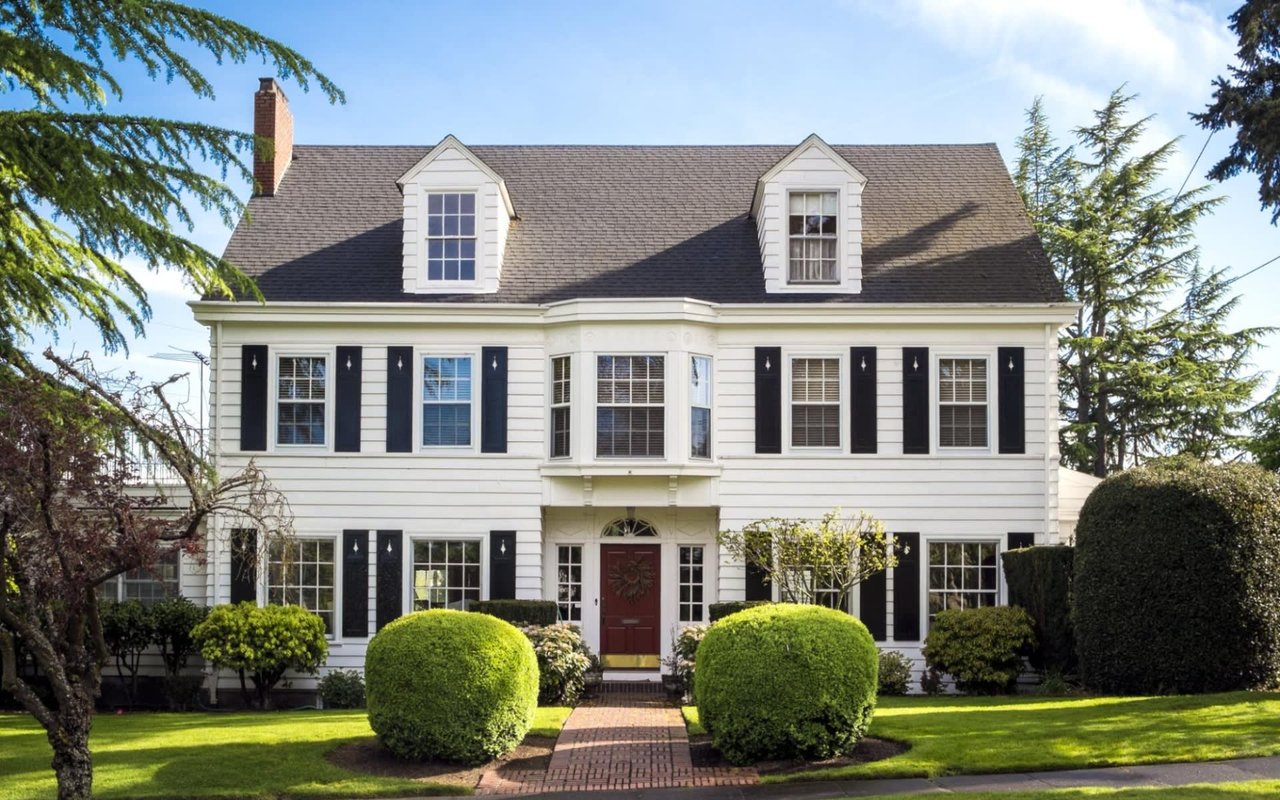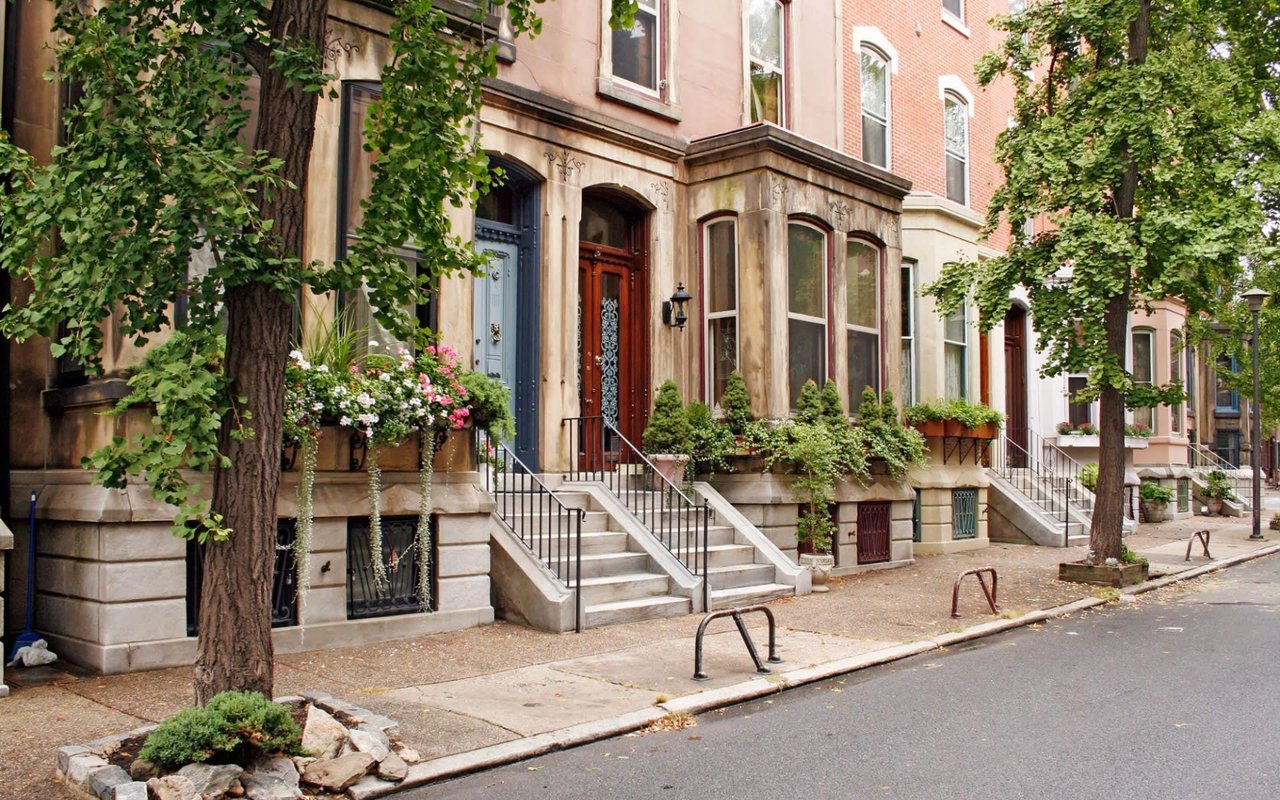
Thinking about trading yard work for a skyline view and morning walks through one of Philadelphia’s most beautiful parks? If you are eyeing Rittenhouse Square as your next chapter, you are not alone. Many empty nesters and long-time suburban owners choose this neighborhood for its elegance, culture, and convenience. In this guide, you will learn what to weigh before you buy, from pricing and fees to board rules, taxes, and a smart due-diligence process. Let’s dive in.
Why Rittenhouse Square appeals to downsizers
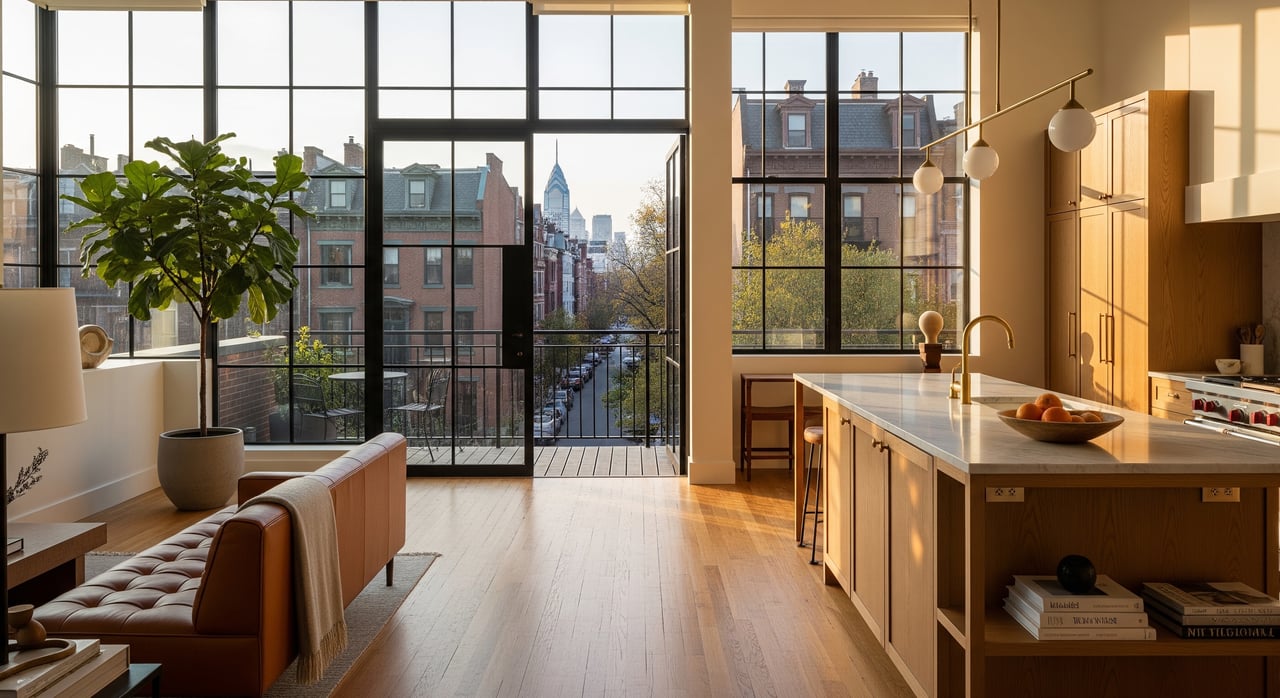
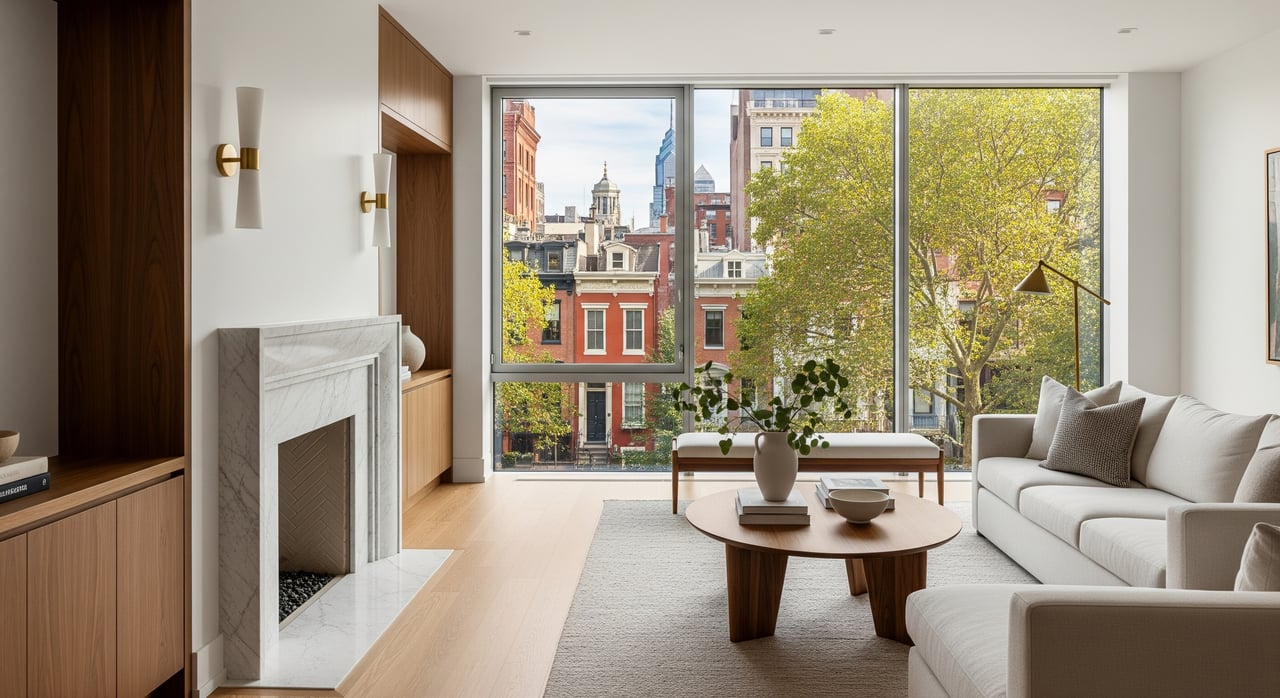
Rittenhouse Square is among Center City’s most walkable, amenity-rich enclaves, anchored by its historic park and surrounded by fine dining, galleries, and boutique retail. The area is widely recognized as a premier address for luxury condominium living, with a lifestyle that emphasizes convenience and culture. You can get a feel for the neighborhood’s texture and amenities from this concise Rittenhouse Square overview.
For many downsizers, the trade is clear: replace maintenance and driving with concierge service, security, and proximity to the city’s best venues. Developers and the market have leaned into this trend, positioning high-end buildings to attract buyers moving in from larger suburban homes. Coverage of Philadelphia’s luxury scene highlights how Rittenhouse draws executives, entrepreneurs, and public figures seeking refined condo living in the heart of the city. For context, see this wealth migration and luxury demand snapshot.
How the market is priced
Rittenhouse pricing varies by building, floor, views, finishes, and service level. Recent listing evidence shows a wide range by product type:
- Smaller studios and one-bedrooms in older or less amenitized buildings can trade in the low hundreds per square foot.
- Well-appointed one to three-bedroom units in full-service buildings frequently fall in the 400 to 750 dollars per square foot range.
- Upper-tier, full-floor homes and penthouses often command 800 to 1,000 dollars per square foot or more.
At the very top, trophy buildings help set the ceiling. A good example is 1706 Rittenhouse, a boutique high-rise known for full-floor residences and elevated services that influence high-end comparables in the area. For a window into that tier, review this 1706 Rittenhouse feature and a local full-floor listing profile.
If you want to test the lifestyle first, Rittenhouse rentals run at a premium consistent with the neighborhood’s position. Median one-bedroom rents in the area often land in the low 2,000s per month, with multi-bedroom homes higher, which aligns with recent Rittenhouse Square rent research.
A final note on comps: at the high end, small differences in views, outdoor space, and building services can move the needle significantly. Treat per-square-foot data as a directional anchor and rely on a building-specific analysis when you are serious about an address.
Floorplans and building types to consider
Historic conversions and prewar buildings
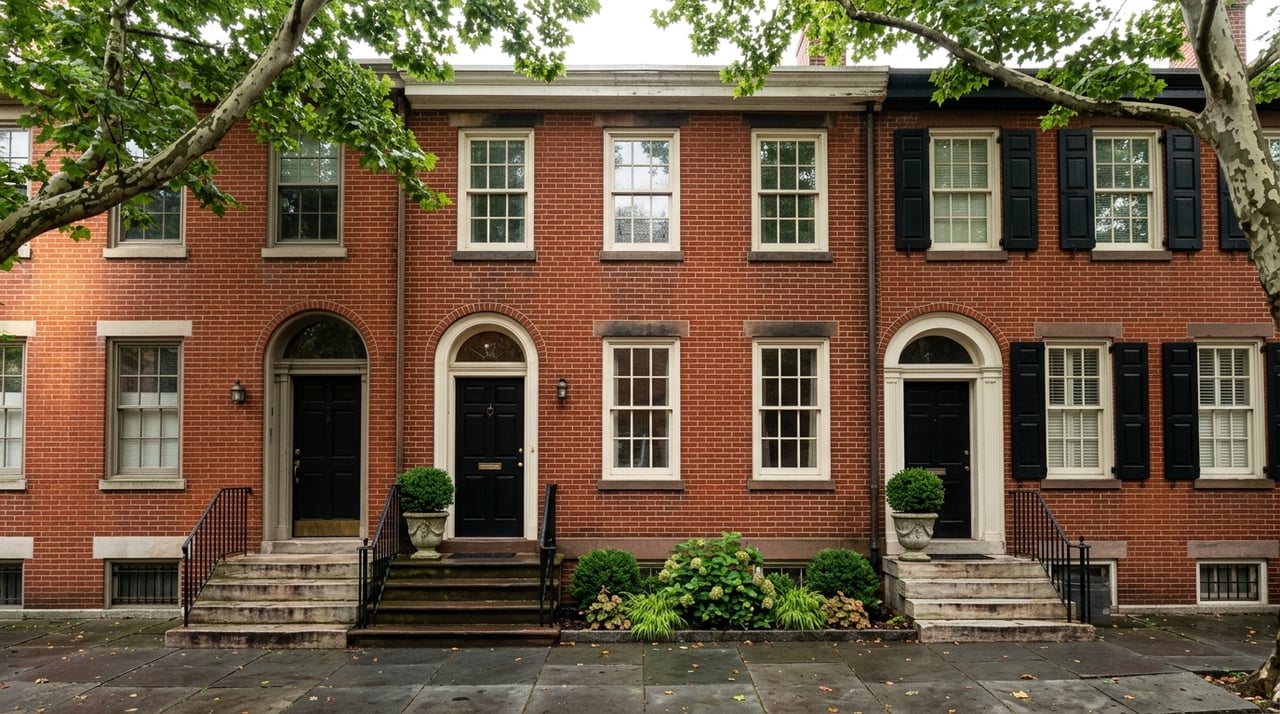
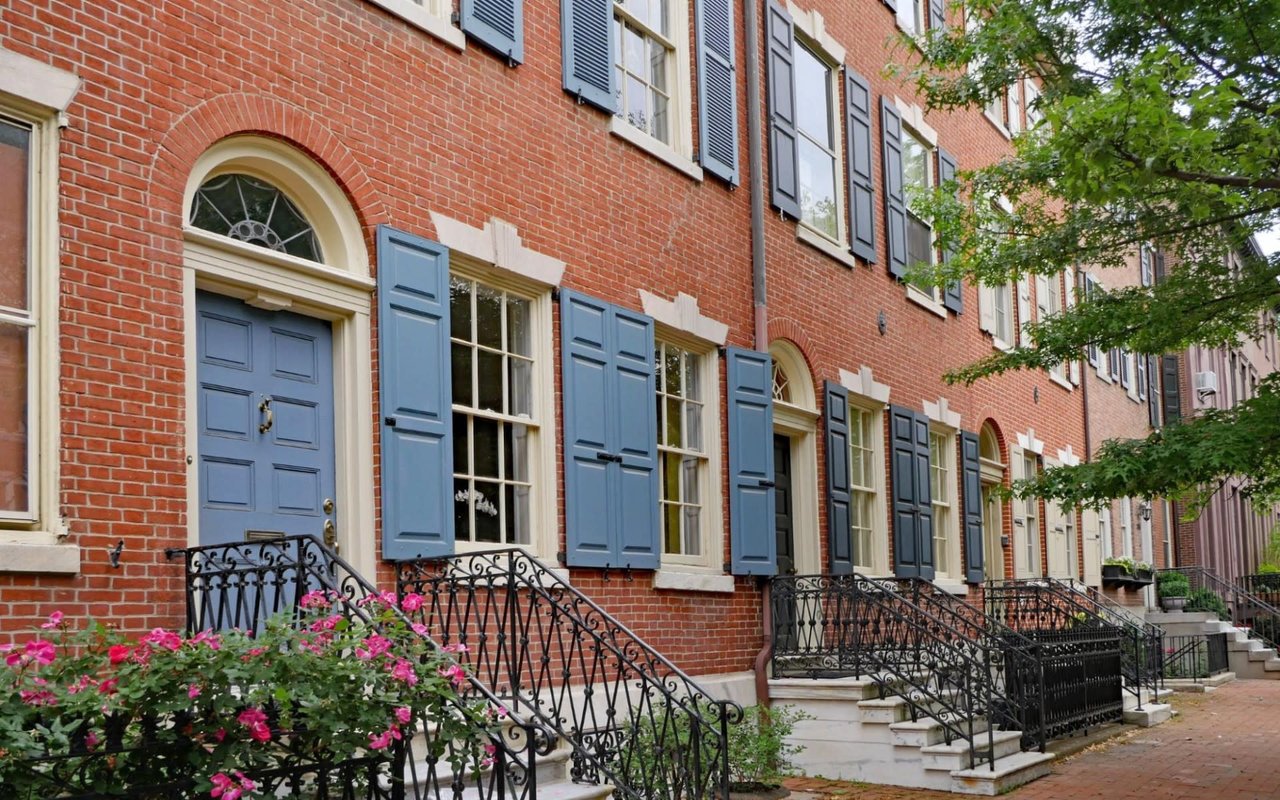
You will find charming low and mid-rise options with classic details and modest amenity packages. Typical plans include one or two bedrooms with efficient footprints. These buildings appeal if you value character, walkability, and a quieter scale, and you do not need extensive on-site services.
Full-service luxury towers
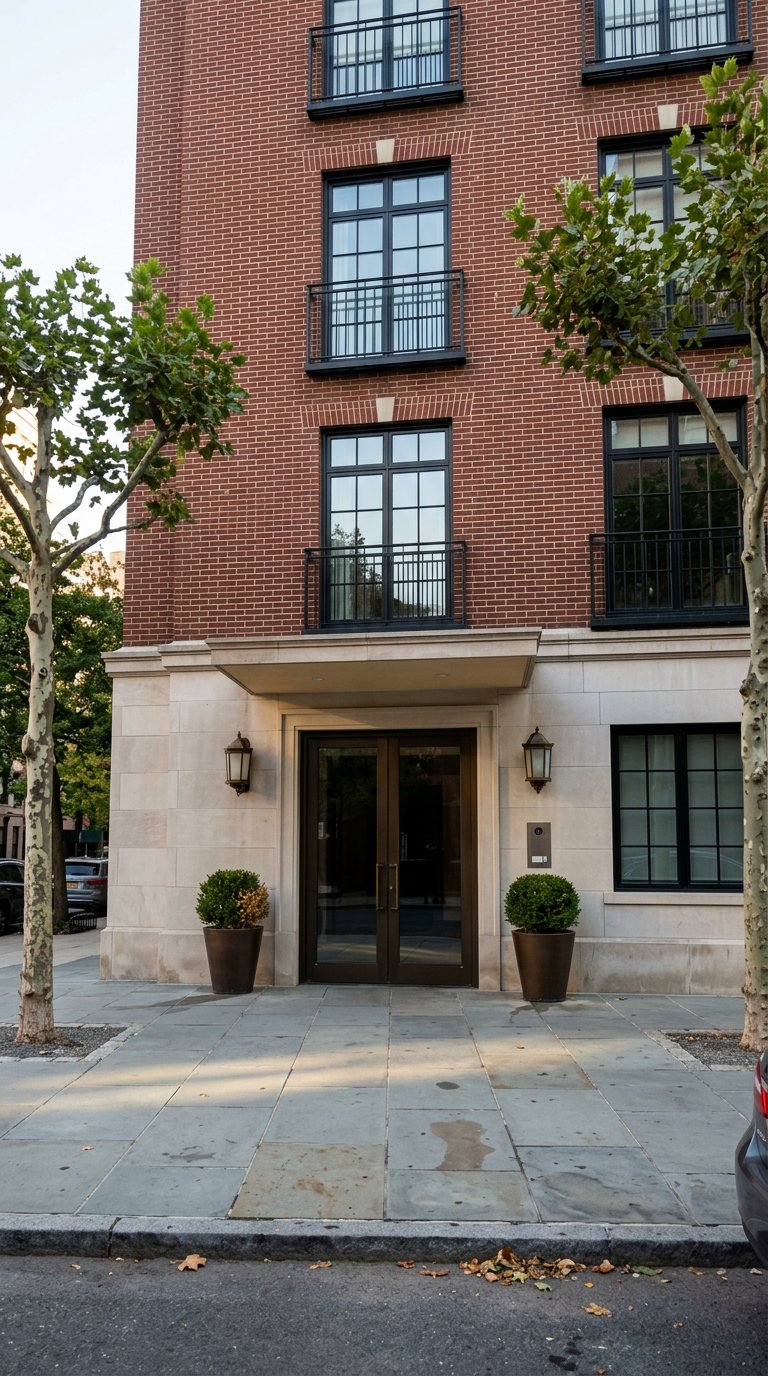
Modern towers and full-service high-rises offer doorman and concierge staffing, fitness centers, resident lounges, and sometimes pools and private outdoor spaces. Expect multiple elevators, valet or automated parking in certain buildings, and enhanced privacy. These address a common downsizer wish list and often command the highest prices per square foot in the core Rittenhouse radius.
Ultra-luxury, limited-inventory product
One-unit-per-floor layouts, high-touch staffing, and boutique amenities define the top tier. These residences are rare, highly customized, and priced accordingly. If you value privacy, security, and elevated services, this segment is worth exploring early because inventory is limited.
Floorplan features that work for downsizers
- A comfortable primary suite with generous closets and a well-appointed bath.
- Open living and dining for entertaining, with a separate den or flexible second bedroom for guests.
- In-unit laundry and thoughtful storage. Some buildings also offer deeded storage units.
- A balcony or terrace when available, or higher floors for light, views, and privacy.
- Right-sizing square footage. Many downsizers target 900 to 2,400 square feet depending on hosting needs and lifestyle.
Amenities, fees, and what to expect
Amenities in buildings that attract downsizers commonly include 24-hour doorman and concierge, on-site fitness centers, residents’ lounges, and sometimes pools or gardens. At the top of the market, you may also see hotel-style services and valet parking. Amenity sets vary by building, and premium services correlate with higher monthly fees and resale values.
Monthly HOA or condo fees can span a wide spectrum. Older or smaller buildings may start in the low hundreds per month, while full-service buildings often range from roughly 1,000 to 3,000 dollars per month. Full-floor and ultra-luxury homes can be higher. Fees typically cover building staff, common area maintenance, exterior insurance, water and trash in some cases, and reserve contributions. Heat and other utilities may or may not be included. Always verify the line-item coverage for any unit you are considering.
Parking and storage
On-site, deeded parking is a premium and can influence both price and convenience. If your target building does not include parking, third-party garages and valet options near Rittenhouse are common and typically run in the low to mid hundreds per month depending on operator and proximity. Storage solutions vary by building and may include deeded closets, cages, or off-site arrangements.
Building culture and board rules
Rules around pets, leasing, and guest use can shape day-to-day living. Co-ops and some condos review buyers and can restrict rentals or subletting. Co-ops generally require a more detailed financial review and have different ownership mechanics, while condos typically offer greater flexibility. For a clear overview of the differences, see this condo versus co-op guide. Use board policies as a lifestyle filter so the building’s culture aligns with your plans.
Taxes and closing math in Philadelphia
Philadelphia’s property tax is calculated citywide at 1.3998 percent of the taxable assessed value. The taxable base is the assessed value minus any applicable exemptions, such as the homestead exemption for owner-occupants. You can confirm the current rate and assessment framework in this Philadelphia tax overview. The formula is straightforward: Tax owed equals (assessed value minus exemptions) multiplied by 1.3998 percent. For a walk-through of how to plug in your numbers, review this how-to on Philadelphia property tax math.
Philadelphia’s realty transfer tax is also a key cost to plan for. Effective July 1, 2025, the combined city and state transfer tax is 4.578 percent. That is a material line item for buyers and sellers. Who pays what share can be negotiated in your agreement of sale, though local custom often splits it. See the city’s update here: Philadelphia realty transfer tax rate.
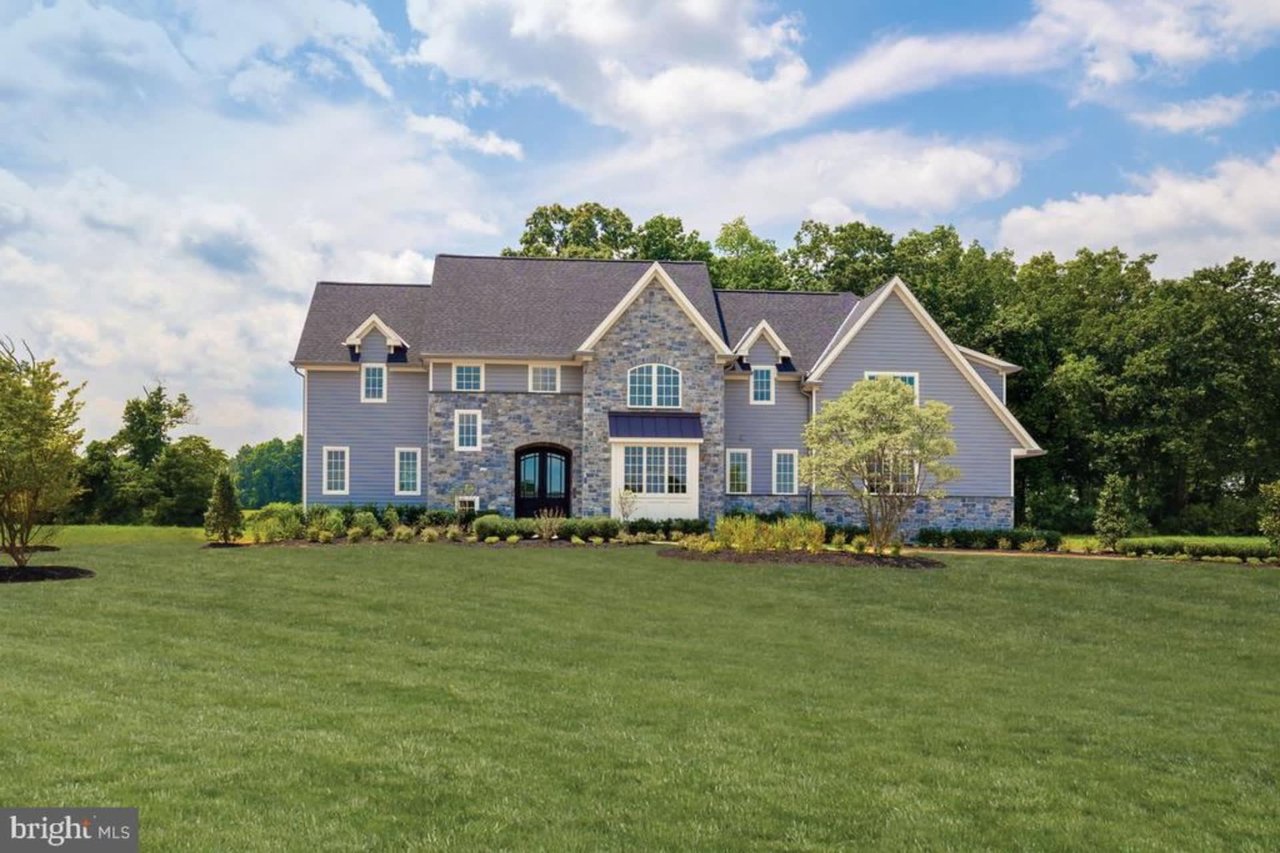
If you are moving in from the Main Line, remember that suburban taxes are structured differently. Townships and school districts levy separate millage rates, which can result in higher annual bills on high-value single-family homes compared with a similarly assessed Philadelphia condo. For a reference point, Radnor Township publishes its millage details publicly, which illustrates how these bills are built up by component. Review the Radnor Township millage rates and compare them to Philadelphia’s single city rate to model your own scenario. Small differences in assessed values and exemptions can flip the outcome, so verify both your current suburban assessment and the condo’s assessment before you make tax-driven decisions.
Planning your sale and purchase
- Capital gains planning. If you sell a primary residence, federal tax law allows you to exclude up to 250,000 dollars of gain if you file single or up to 500,000 dollars if you are married filing jointly, provided you meet the ownership and use tests. Complex ownership histories and any prior rental use can affect this, so consult your tax advisor. You can read the IRS summary here: Primary home sale exclusion.
- Closing timelines. Co-op approvals and certain condo board processes can add time between contract and closing. Build this into your move-out and move-in planning, especially if you are selling one property to buy another.
- Special assessments and reserves. Ask for the last three years of budgets, the current reserve balance, and recent meeting minutes. Higher fees with low reserves can imply assessment risk. Strong reserves can support long-term building health and value.
- Moving logistics. If you are relocating significant art or furnishings, budget for professional handling, storage, and potential elevator reservations. Touch base with the building manager early to understand delivery guidelines.
A practical downsizer checklist
Use this list to focus your search and avoid surprises:
- Building financials
- Request the last three years of budgets, the latest reserve study, and current reserve balance. Ask about any recent or planned special assessments.
- HOA fee inclusions
- Get a detailed breakdown of what the monthly fee covers and any optional services that carry extra charges, such as valet parking or guest suites.
- Parking and storage
- Confirm whether parking is deeded or leased, where guests park, and typical monthly garage costs nearby. Ask what storage is included or available to purchase.
- Board rules and approvals
- Ask about application requirements, interview practices, financial thresholds, and rental policies. If you are considering a co-op, clarify financing options and lender compatibility. For background, review this condo versus co-op overview.
- Insurance and deductibles
- Understand the master policy and your HO-6 responsibilities. Clarify the building’s deductible for major events and whether recent claims have affected premiums.
- Lifestyle checks
- Visit at different times of day and week. Meet the concierge or property manager to understand staffing levels, package handling, and service culture.
- Taxes and transfer math
- Run property tax and transfer tax estimates for your current home and your target condo. For reference, see the Philadelphia tax rate and the city’s transfer tax update. If you are comparing to a Main Line home, use your township and school millage pages, such as Radnor’s millage schedule, to build a side-by-side model.
The bottom line
Downsizing to Rittenhouse Square can deliver a simpler, more walkable lifestyle with access to world-class culture and dining. The key is matching your priorities to the right building and floorplan, understanding how fees and taxes affect your monthly and annual totals, and completing a clear due-diligence process. With the right guidance, you can protect your time, preserve your privacy, and move confidently into a home that fits the next stage of your life.
If you are weighing a move from the Main Line or a similar suburban setting, it pays to have a senior advisor who knows Rittenhouse building by building. For a private conversation, market analysis, and a curated plan tailored to your goals, connect with Douglas Pearson. Request a private valuation & consultation.
FAQs
What makes Rittenhouse Square appealing for empty nesters?
- You get a walkable, amenity-rich lifestyle near dining, culture, and the park, with full-service buildings that reduce maintenance and add convenience.
How much are typical HOA fees in Rittenhouse condos?
- Fees vary widely. Older or smaller buildings may be in the low hundreds per month, while full-service buildings often range from about 1,000 to 3,000 dollars monthly, with top-tier homes higher.
How do Philadelphia property taxes compare to the Main Line?
- Philadelphia applies a 1.3998 percent citywide rate to taxable assessed value, while Main Line townships use separate municipal and school millages that can produce higher bills on similar-value homes. Always compare both parcels.
What should I know about the transfer tax when buying in Philadelphia?
- The combined city and state transfer tax is 4.578 percent for transactions recorded on or after July 1, 2025. Who pays what share is negotiable and set in the agreement of sale.
Should I buy a condo or a co-op in Rittenhouse Square?
- Condos typically offer easier financing and more flexibility on leasing and resale. Co-ops often have stricter approvals and a more controlled building culture. Match the structure to your lifestyle and financing plan.
Can I try city living before I sell my suburban home?
- Yes. Many downsizers rent first to test the lifestyle. Rittenhouse rentals are premium priced, but they provide a low-commitment way to refine your building and floorplan preferences before you buy.