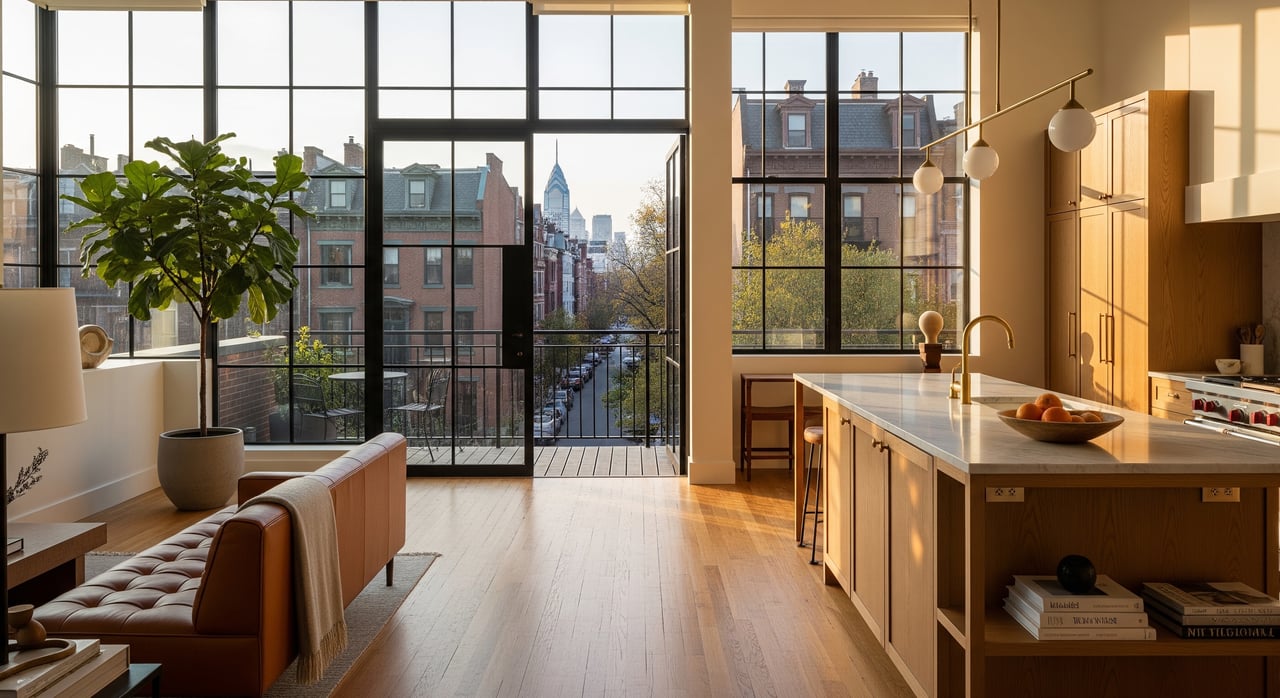
Thinking about trading elevator rides and lobby noise for a front stoop and a tree‑lined block? If you love Center City access but want a quieter, residential feel, Graduate Hospital in 19146 could fit your next chapter. You will get a walkable lifestyle, a variety of rowhouses and condos, and easy commutes to offices and hospitals. This guide walks you through the neighborhood’s feel, housing options, daily routines, mobility, and smart checks before you move. Let’s dive in.
Where Graduate Hospital sits
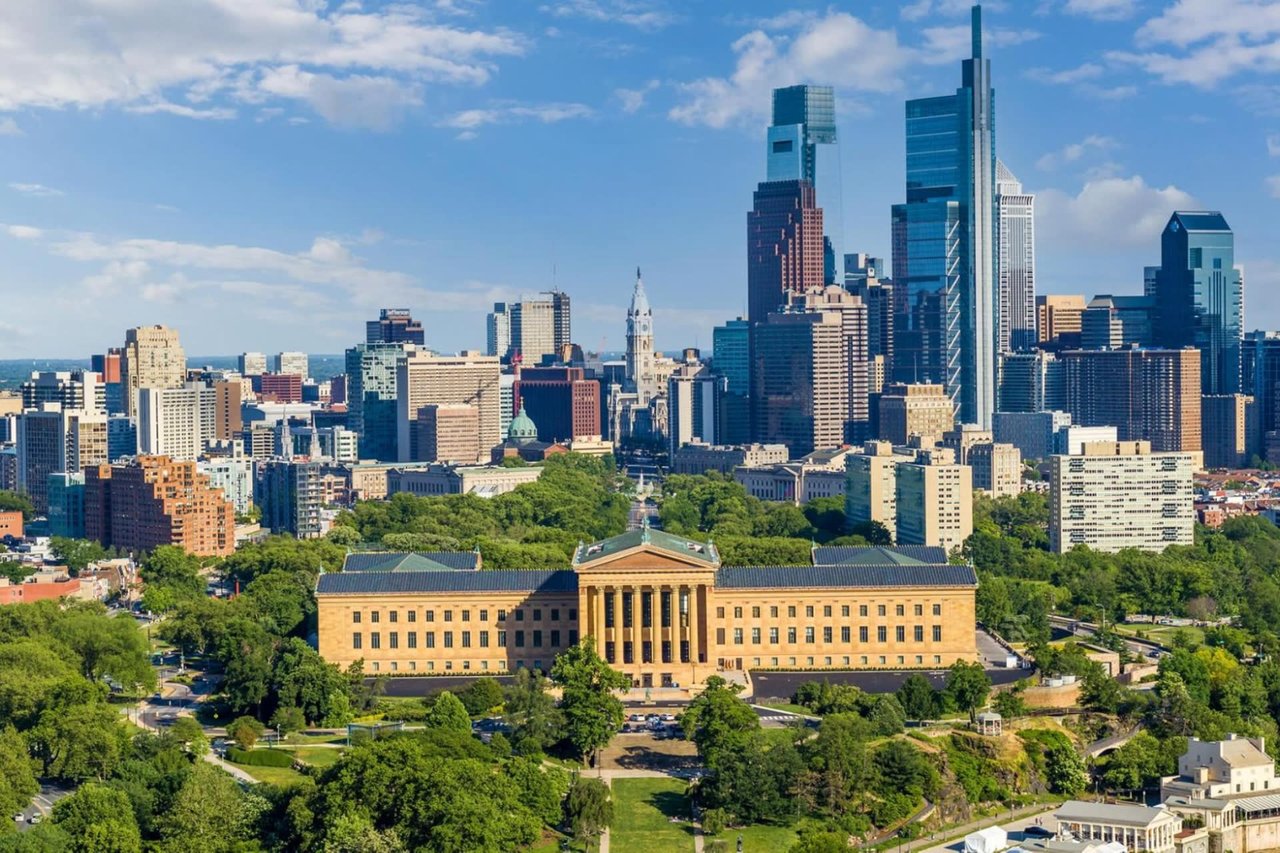
Graduate Hospital lies just south of Center City’s core, within 19146, and is part of what many maps label Center City South or Southwest Center City. Most definitions place the area between Broad Street and the Schuylkill River corridor, extending east toward roughly 11th–12th Street, and north of the South Philadelphia edge. That location keeps you close to Rittenhouse and Market East while giving you calmer, more residential blocks.
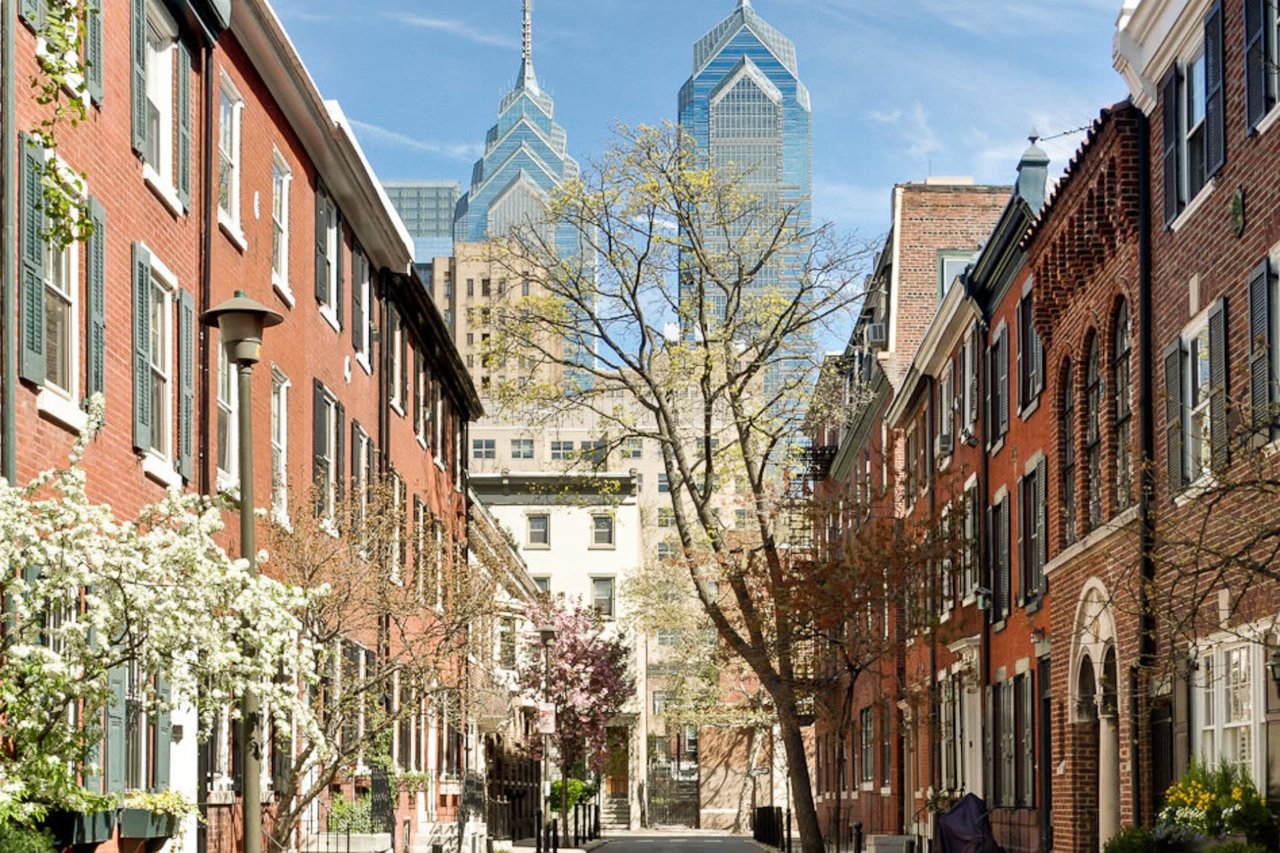
The housing fabric dates to the late 19th and early 20th centuries. Over the past two decades, many homes were renovated and new infill projects arrived, so you will see a mix of classic façades and modern interiors. The name “Graduate Hospital” comes from the historic University of Pennsylvania Graduate Hospital nearby, and the label stuck even as the institution changed.
Who lives here? You will find young professionals, small households, and families alongside long‑time residents. The area trends educated and professional in parts of the ZIP, with a healthy renter population and more owner‑occupants as renovations continue. The feel is “residential but urban,” meaning short blocks, local spots on foot, and less bustle than the busiest Center City corridors.
Daily rhythm and neighborhood feel
Dining and coffee you can walk to
You can expect a neighborhood dining scene with casual cafes, small bars, and restaurants sprinkled across the area, with more options along nearby Washington Avenue and South Street. A seasonal farmers’ market routine is common for many households, with quick access to markets in Center City and South Philly. Specialty grocers sit alongside national options within a short drive or transit ride, so weekly errands are simple.
Wellness and fitness close by
Boutique studios, from yoga and pilates to strength training, are common. You will also find standard gyms within a short commute. Outdoor running and walking are part of the routine for many residents, and biking expands your range fast. If you prefer a corporate gym near your office, the commute time from 19146 makes that easy.
Parks and play spaces
Local parks and playgrounds dot the neighborhood. Immediate green space is modest, but you are close to the larger Center City park network and the Schuylkill River trail system by bike. Families often build weekend routines around nearby playgrounds and quick walks to bigger parks in adjacent neighborhoods.
Schools and childcare options
You will find a mix of public, charter, and private schools in and around 19146. Assignments and availability depend on your exact address, so start with the School District of Philadelphia’s resources to confirm zoning, enrollment steps, and timelines. Review options, visit schools, and compare program offerings to your needs. For current assignment and enrollment information, use the School District’s official site for school zoning and enrollment details.
Childcare and preschool choices are numerous, but many centers and programs run waitlists. If you are planning a move with a young child, contact providers early and confirm schedules.
Housing options and what to expect
Rowhouses, condos, and new construction
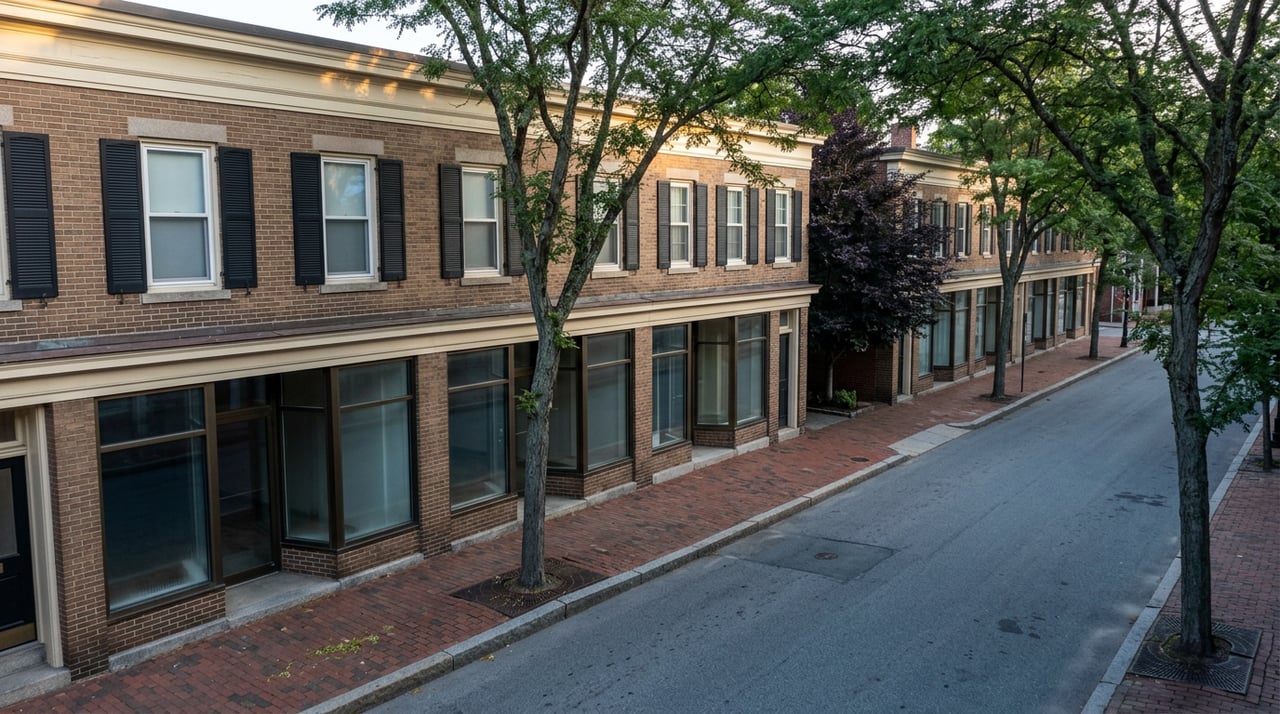
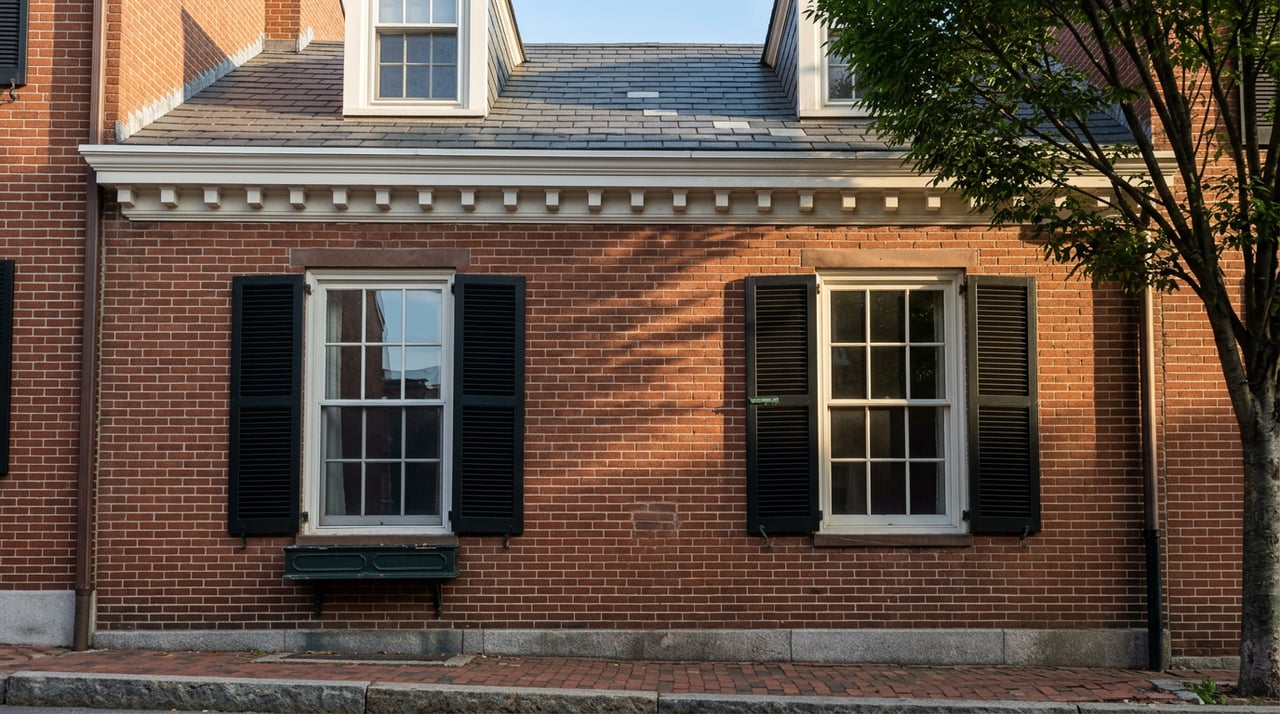
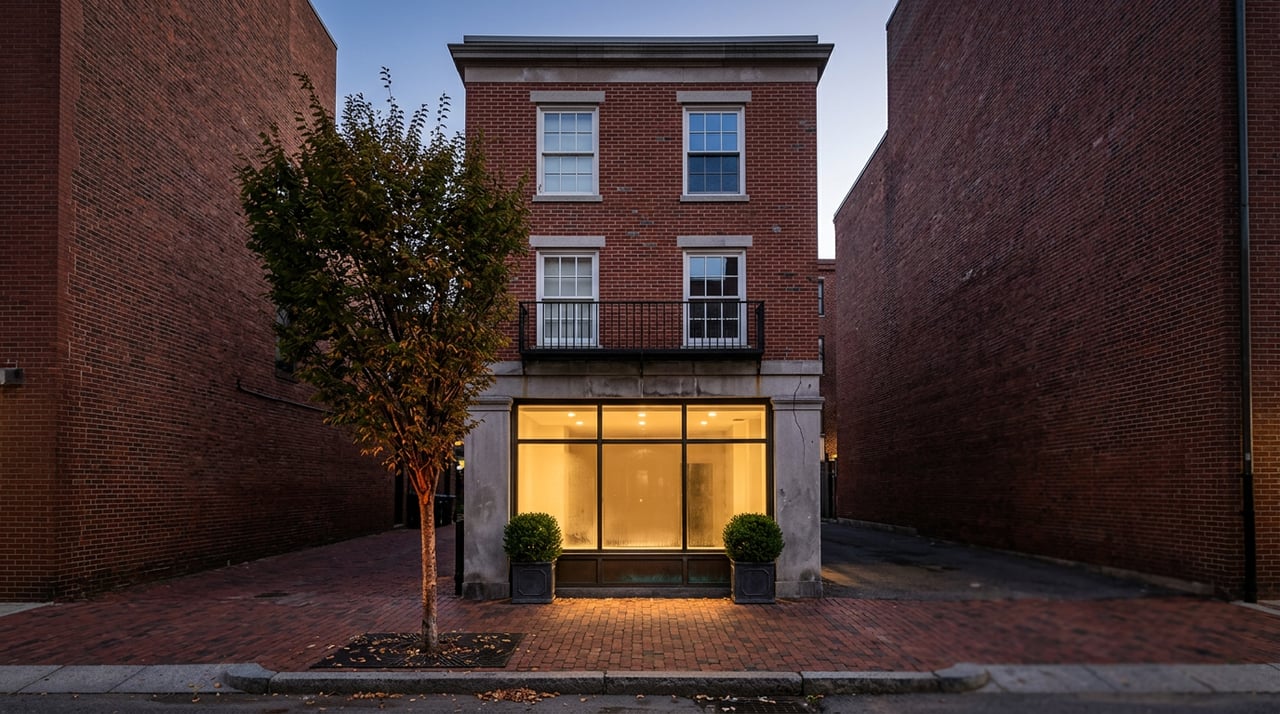
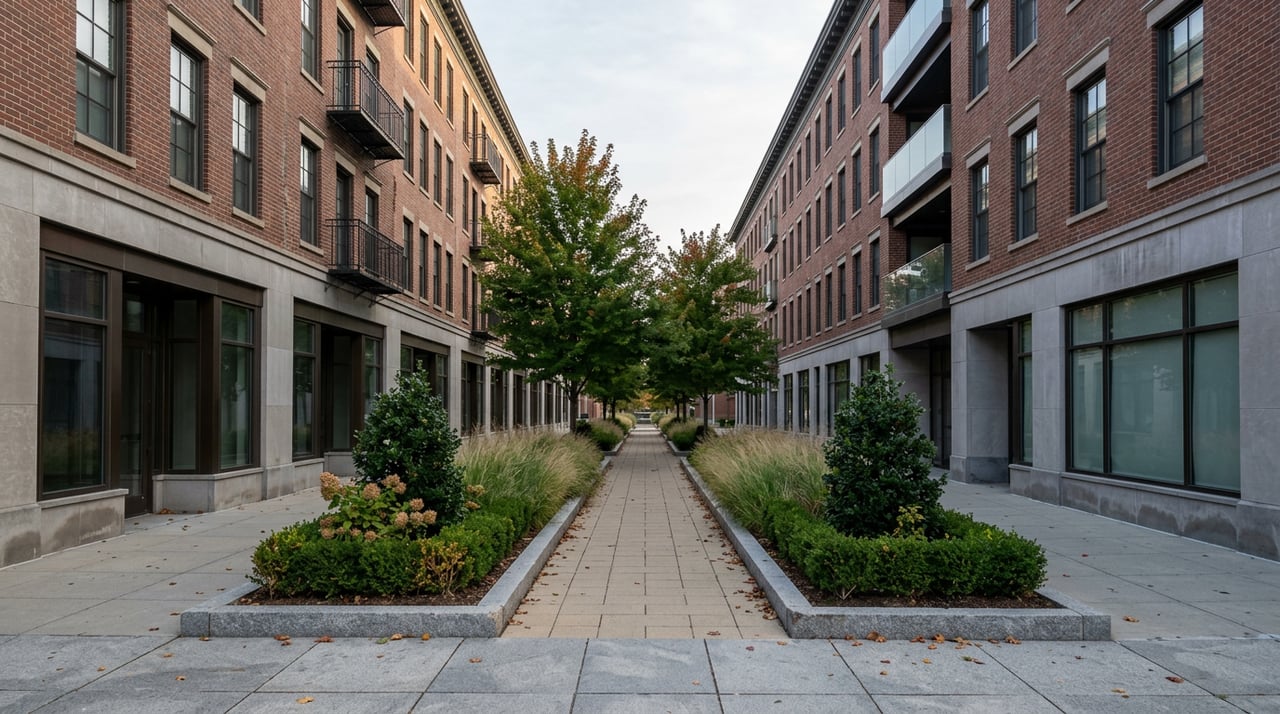
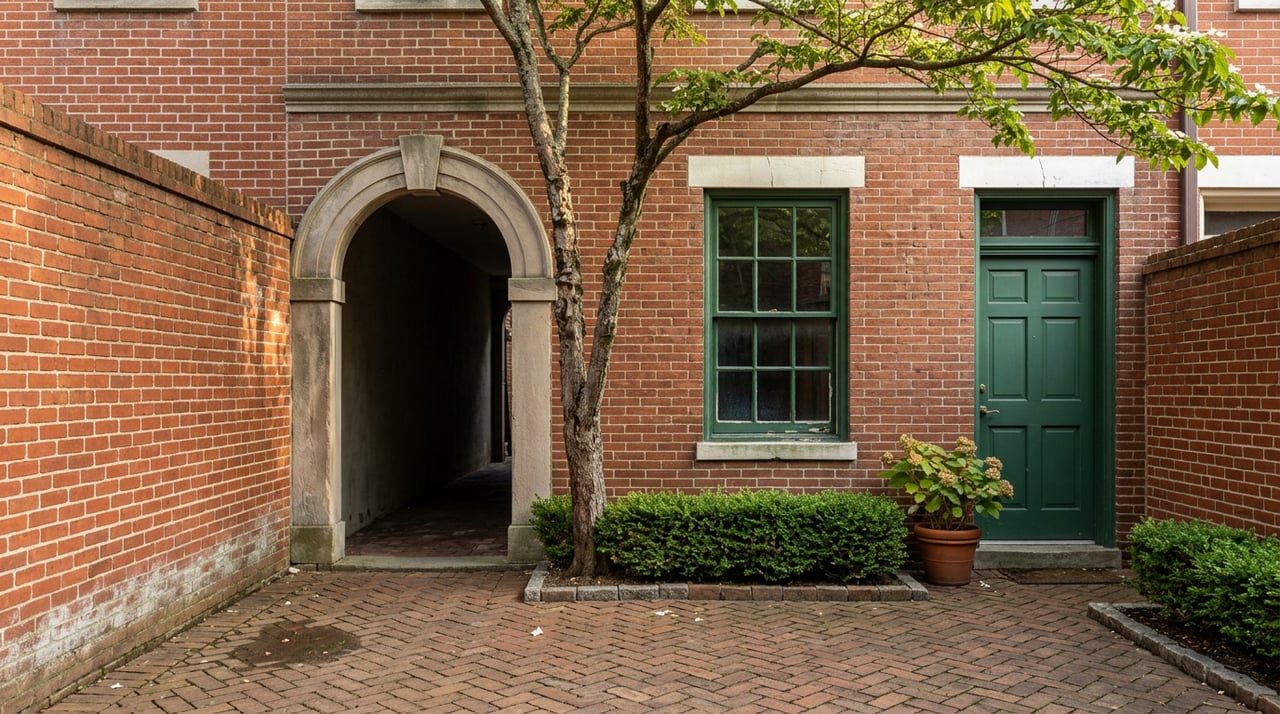
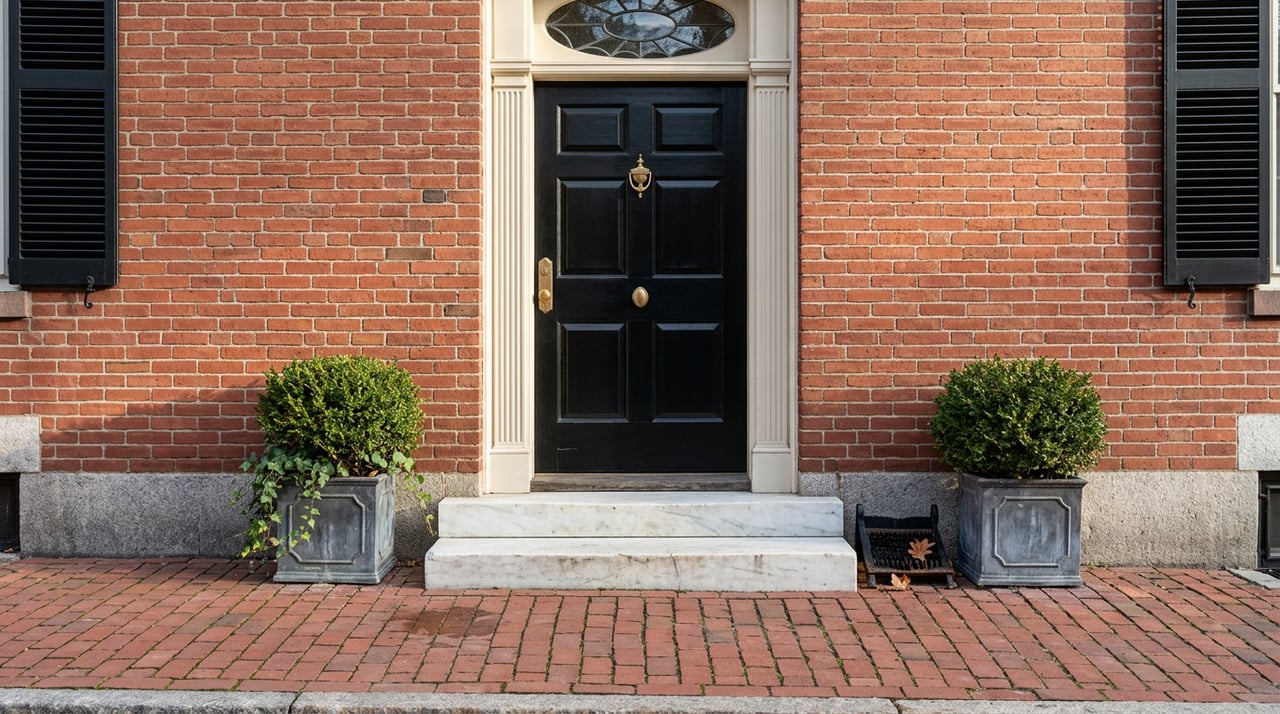
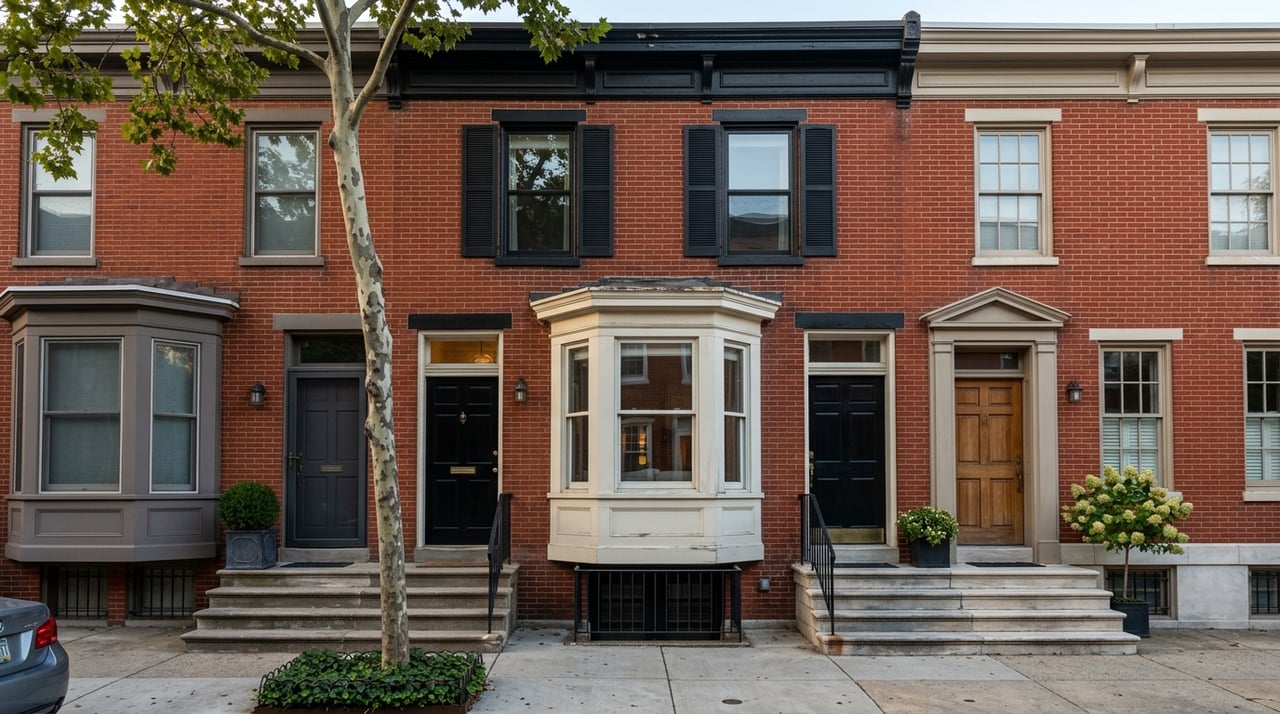
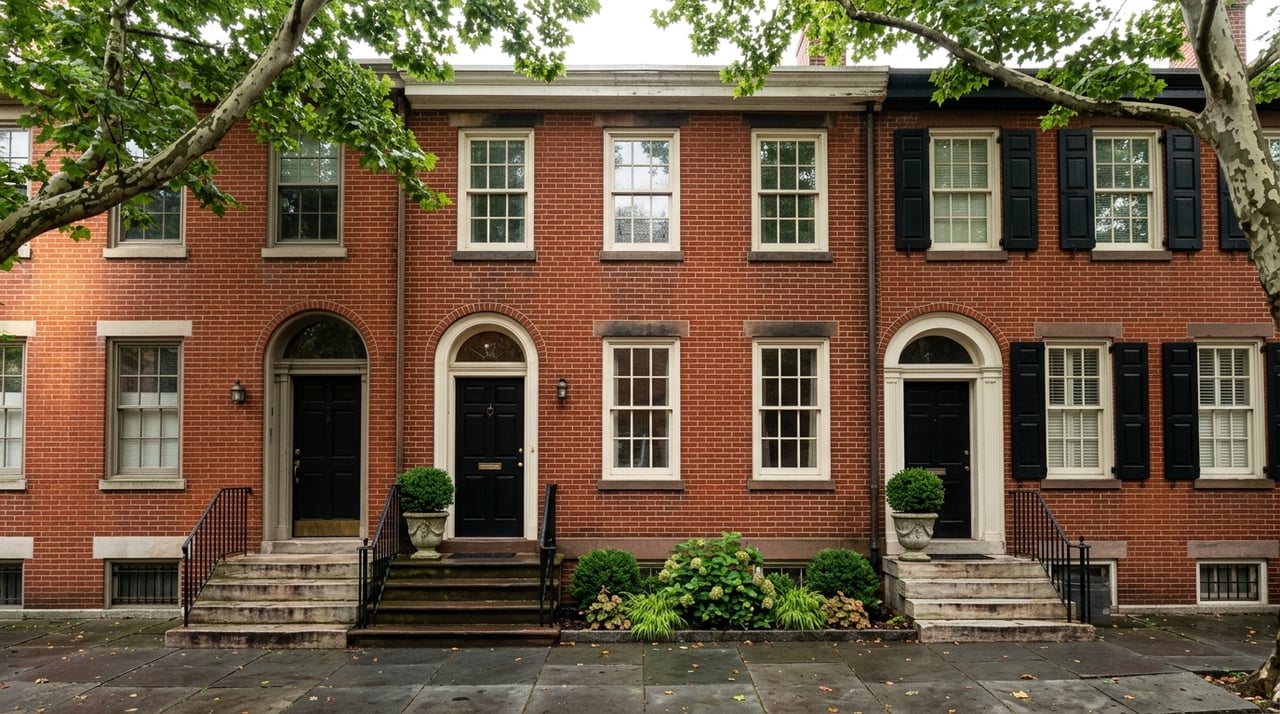
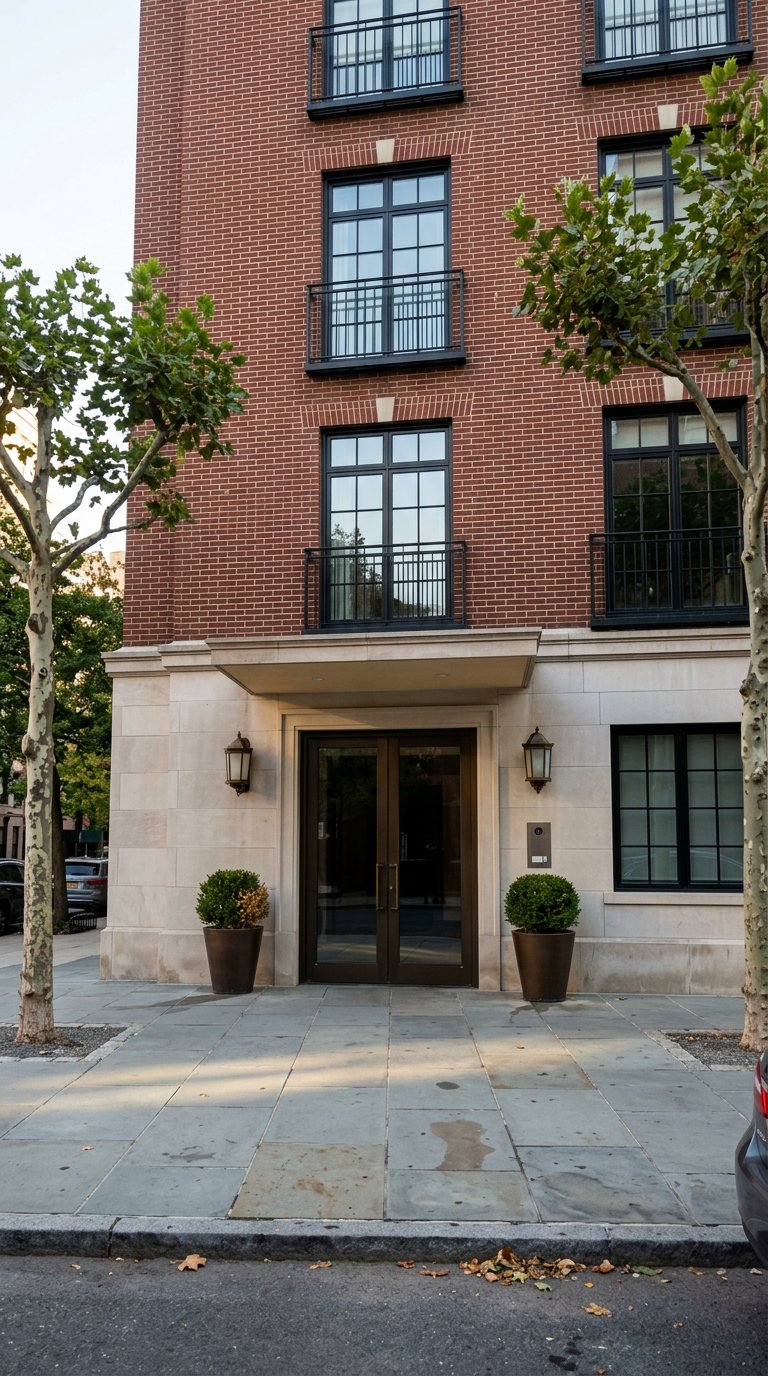
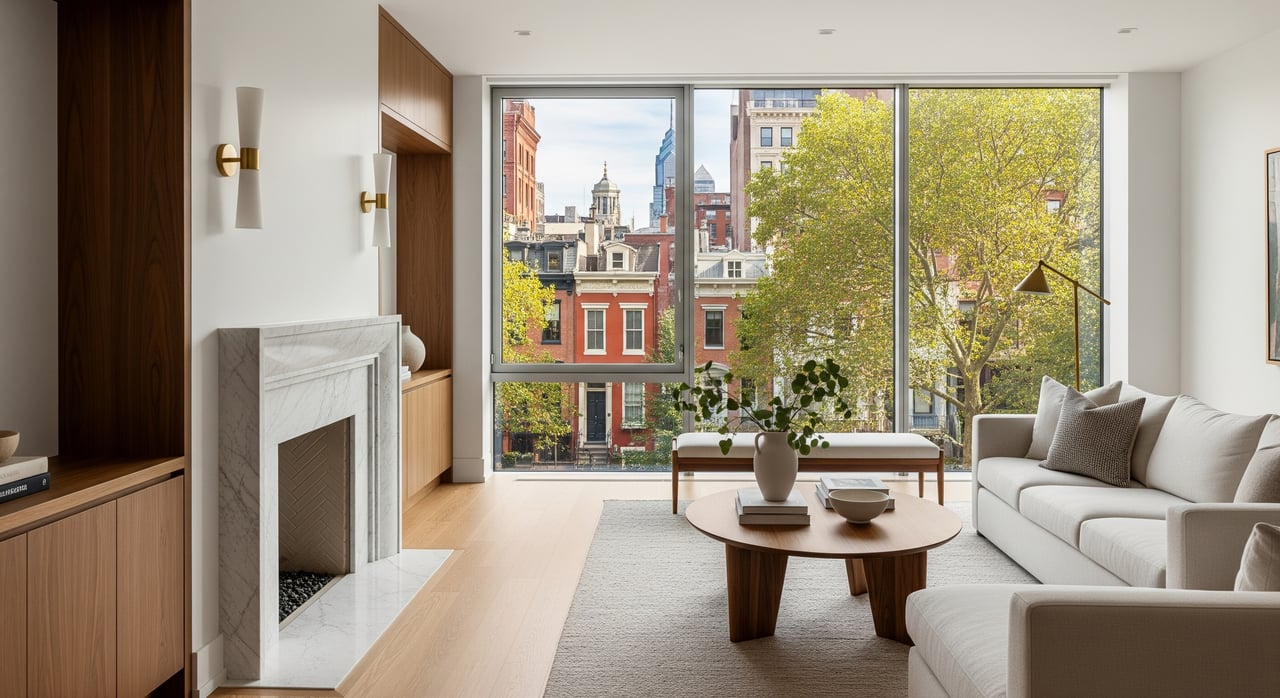
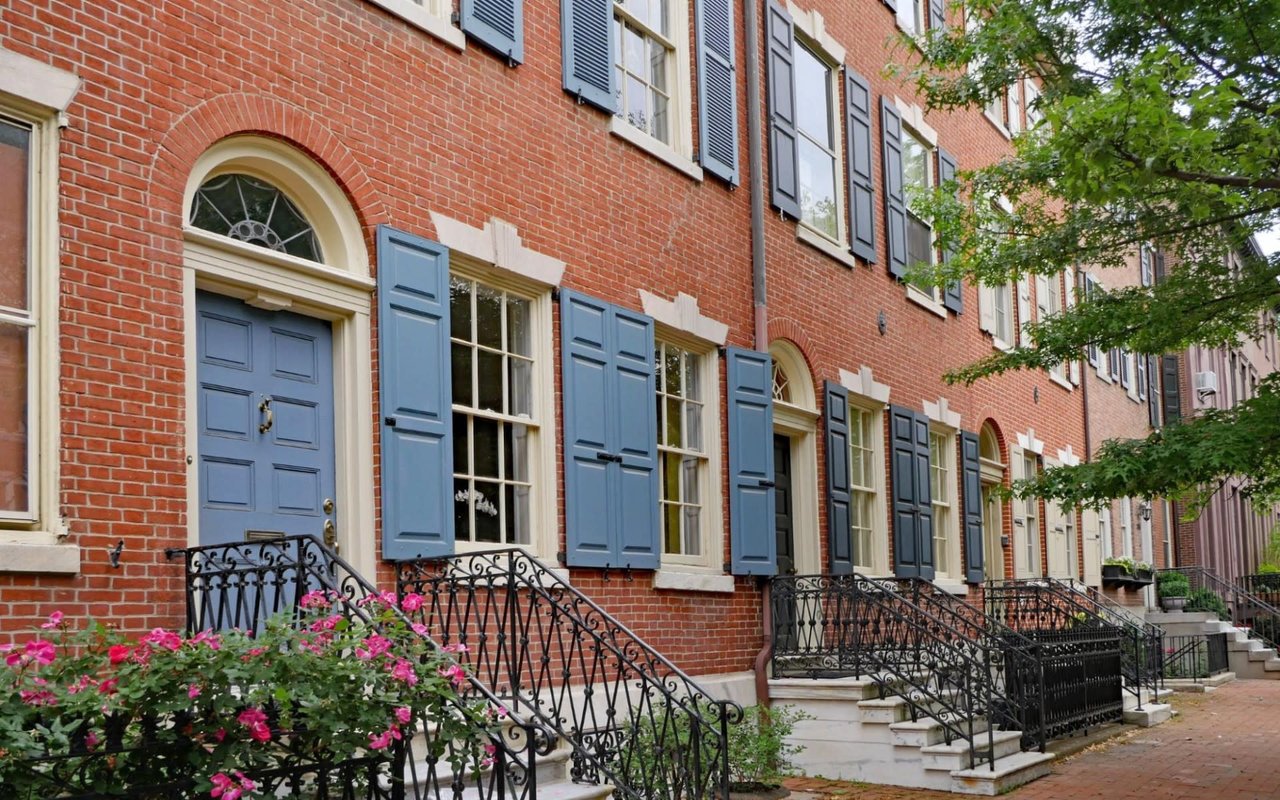
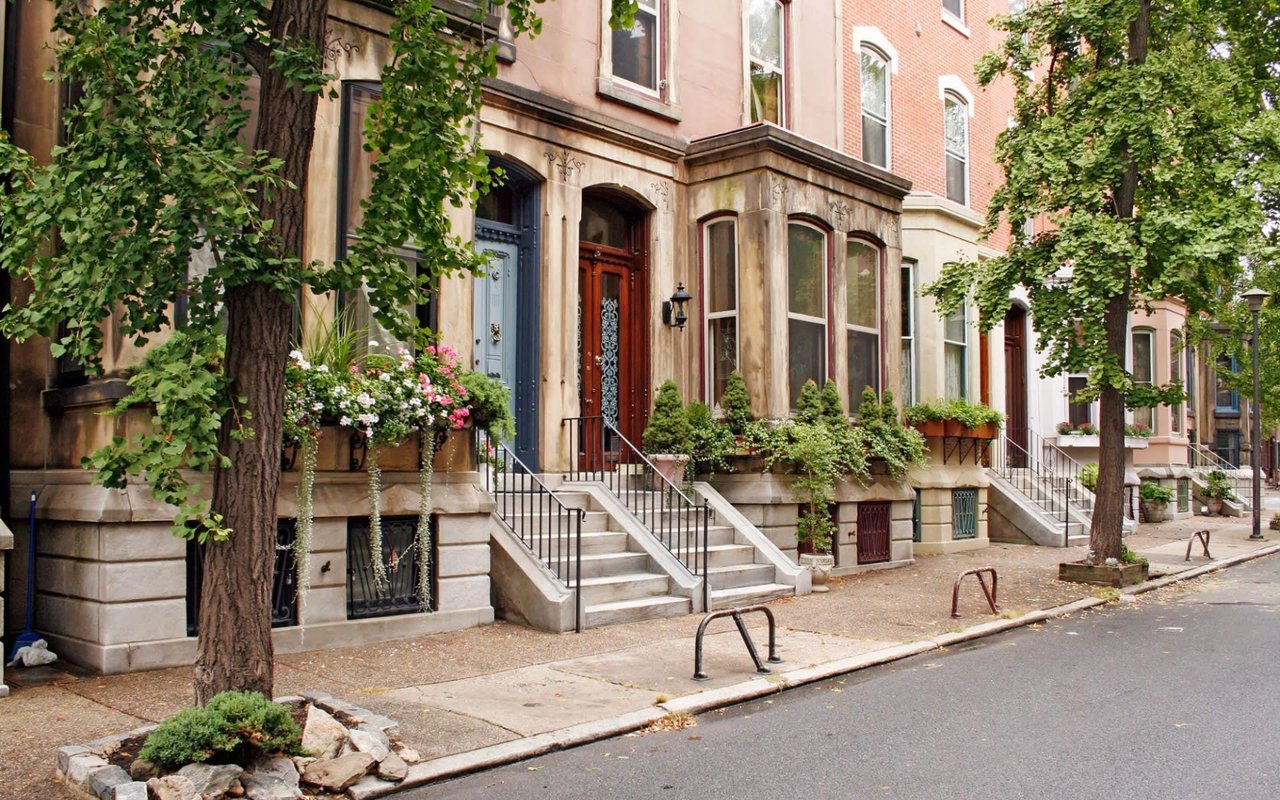
Most homes are traditional Philadelphia rowhouses, often two to four stories. You will also see small apartment buildings and walk‑ups, condo conversions, and newer townhomes or condo projects on infill sites. Expect narrow lot widths, stoops or small porches, basements used for storage or bonus space, and compact rear yards. Some newer builds include rooftop decks and, in select cases, attached garages.
Renovations and condition checklist
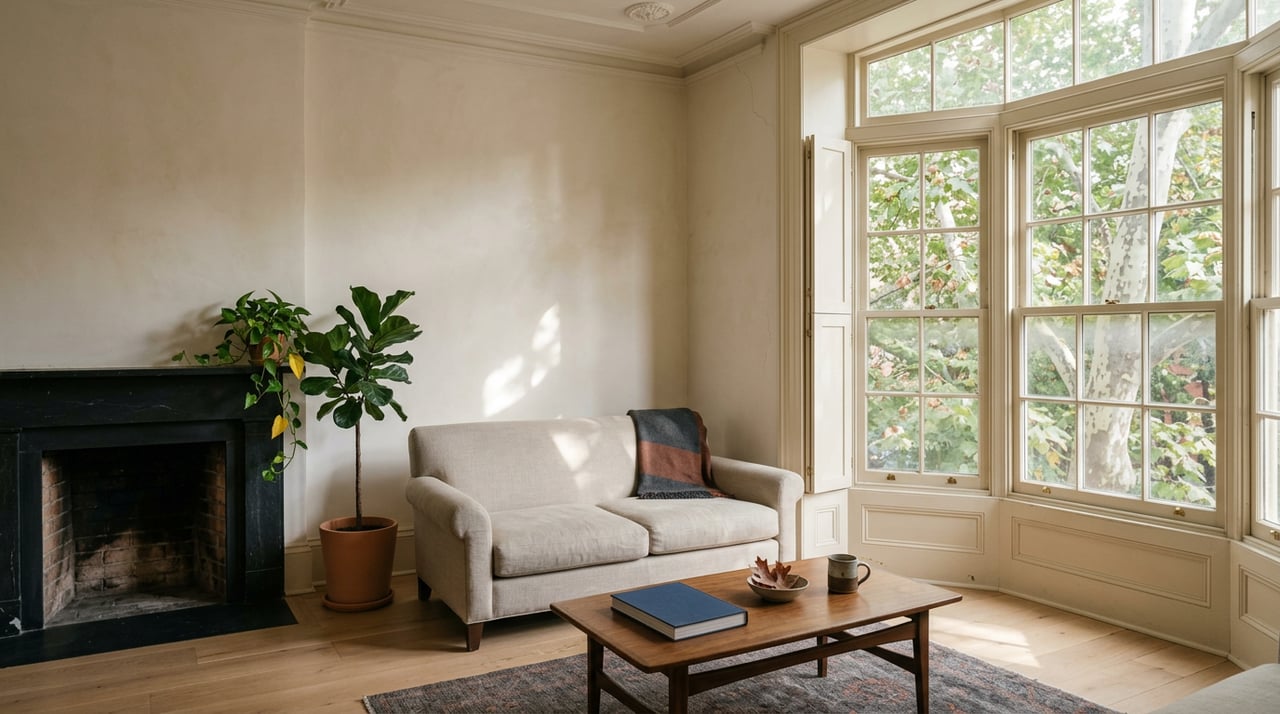
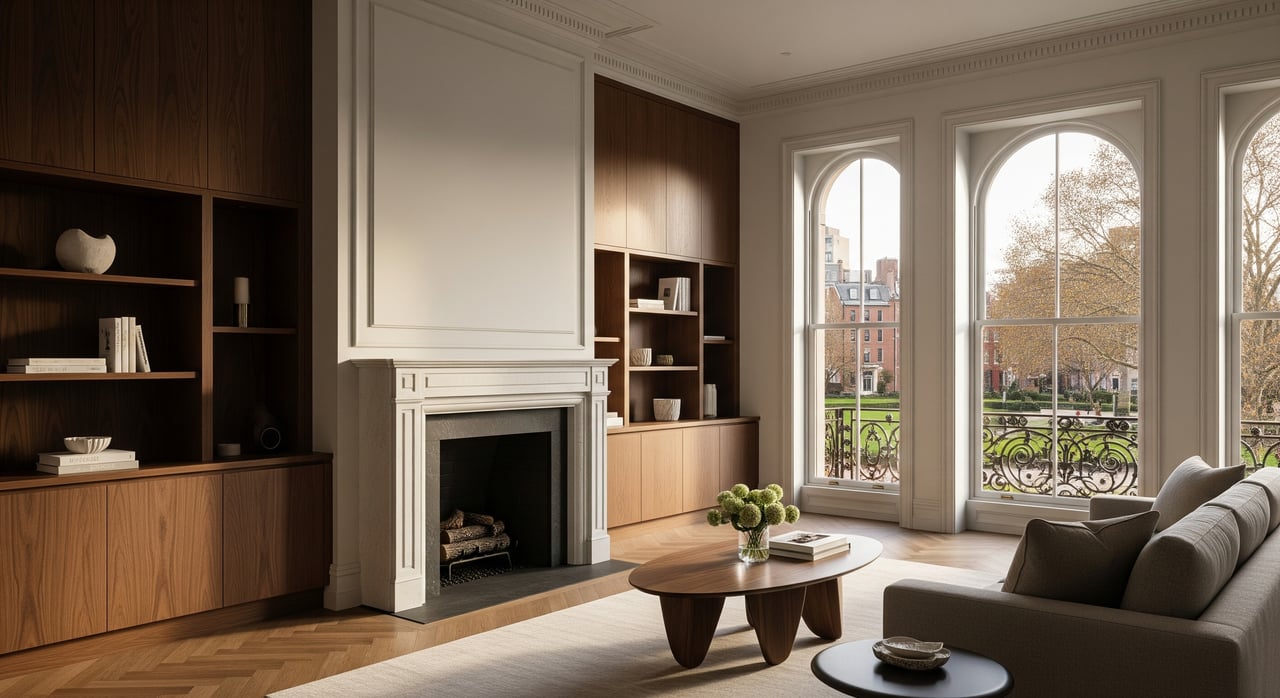
Many properties have been fully rehabbed with modern kitchens and baths. Others remain in largely original condition and may need structural, mechanical, or aesthetic updates. If you are comparing multiple homes, pay close attention to foundation and moisture signs in basements, electrical and plumbing age, and HVAC type and installation. A full inspection is essential for older stock.
If you are considering a building with shared elements, ask for maintenance records and reserve studies where available. For properties in or near historic areas, confirm whether any façade or exterior changes require review. The Philadelphia Historical Commission provides guidance on what is regulated and how to proceed; learn more on the Philadelphia Historical Commission site.
Ownership costs, taxes, and fees
Condominium owners can expect monthly fees that vary by building size and services. Review budgets, recent assessments, and what the fee covers, such as common areas or utilities. For property taxes, Philadelphia assessments and any available exemptions apply citywide. To understand parcel‑specific taxes and assessments, consult the City’s Office of Property Assessment.
Parking is mostly on‑street, and availability varies by block and time of day. Some areas offer residential permit parking, and a minority of newer homes include driveways or garages. If parking matters to you, confirm permit rules and observe conditions at different times.
Permits, zoning, and due diligence
Before you buy or rent, verify permits and zoning status, especially for renovations or recent conversions. The City’s Department of Licenses & Inspections provides permit records and guidance on code compliance. To understand broader land use and rezoning activity, check the Philadelphia City Planning Commission.
Getting around without the hassle
Walk and bike
From most 19146 blocks you can walk to Center City offices, restaurants, and services in 10 to 30 minutes, depending on your exact address. Biking is common and often faster for nearby employers and universities. Dedicated bike lanes exist on select corridors, and you can reach the Schuylkill River Trail for longer routes.
Public transit
SEPTA buses and trolleys serve the neighborhood and connect you across Center City and into other parts of the city with one transfer or less. You are within short transit or bike access to the Broad Street Line, Market‑Frankford Line, and multiple Regional Rail stations. For route planning and schedules, use SEPTA’s official site.
Driving and airport access
Driving to Center City can be quick off‑peak and slower during rush hour and event nights. Philadelphia International Airport is generally a 20 to 35 minute drive depending on traffic. If you prefer transit, you can connect to the SEPTA Airport Line through Center City Regional Rail stations.
Safety, development, and smart checks
Safety perceptions vary by block and time of day. As in many central neighborhoods, the most common issues tend to be property or quality‑of‑life incidents. Evaluate long‑term trends rather than single events and compare blocks you are seriously considering. For current information, review the Philadelphia Police Department’s crime maps and statistics, and cross‑check with OpenDataPhilly crime datasets to see multi‑year patterns.
Development is steady, with infill projects and substantial rehabs common across 19146. That brings new housing and refreshed streetscapes, but also occasional construction activity. Use the Planning Commission and L&I sites to research active permits, zoning, and nearby projects that could affect your block.
Before you commit to a property, run a simple checklist:
- Hire a licensed inspector and review structure, systems, and moisture management.
- Pull permit history and confirm work was completed with approvals where required.
- Check historic review requirements for exterior changes if applicable.
- Confirm taxes, exemptions, and estimated monthly costs.
- Visit the property at different times to evaluate light, noise, and parking.
Is Graduate Hospital a fit for you?
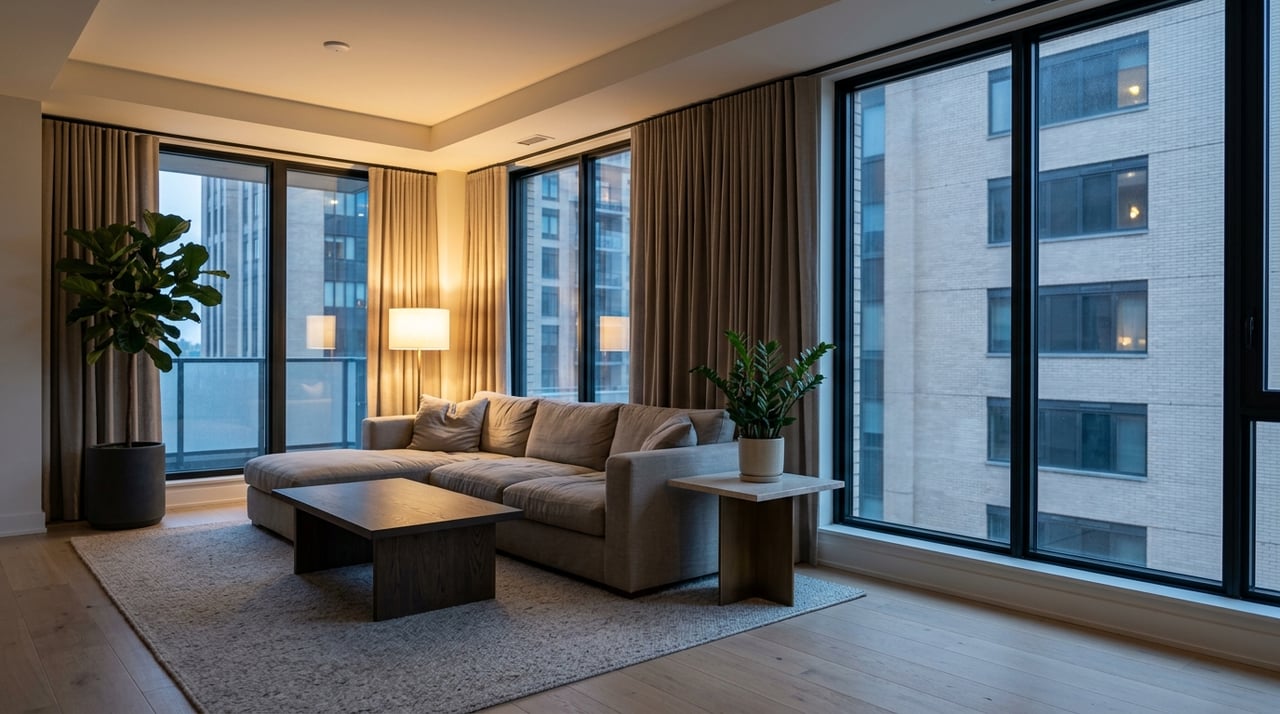
If you want a quieter, residential feel without sacrificing Center City access, Graduate Hospital delivers. You will trade high‑rise amenities for a front stoop, walkable local spots, and a neighborhood routine that feels grounded. Green space on your immediate block may be modest, but larger parks and river trails are close by. Parking can be competitive, but many residents opt to walk, bike, or ride transit for daily trips. The housing stock offers real variety, from historic rowhouses with character to newer townhomes and condos with modern features.
If that mix fits your lifestyle, a focused search in 19146 can help you find the right home and block.
Ready to explore your options with a discreet, high‑touch advisor who knows Center City? Work with Douglas Pearson to compare streets, evaluate property quality, and position your purchase or sale for a smooth outcome. Request a private valuation & consultation.
FAQs
How long is the commute from 19146 to Center City?
- Many residents walk 10 to 30 minutes depending on the exact start and end points. Transit and biking often shorten trips for nearby employers.
Do I need a car to live in Graduate Hospital?
- A car is optional. Walking, biking, and SEPTA cover most errands and commutes, though some households keep a car for convenience and weekend travel.
What types of homes are common in Graduate Hospital?
- You will mainly see renovated rowhouses, condo conversions, and small apartment buildings, plus newer infill townhomes and condos with modern features.
How do I check school options near my address?
- Start with the School District of Philadelphia for zoning and enrollment details, then visit specific schools to assess programs and fit. Use the School District’s site.
How can I evaluate neighborhood safety before moving?
- Review multi‑year data and patterns on the Philadelphia Police Department’s crime maps and confirm with OpenDataPhilly datasets.
What should I verify for a renovated rowhouse or condo?
- Pull permits and inspections via Licenses & Inspections, check tax assessments with the Office of Property Assessment, and schedule a full home inspection.