Buying in Society Hill and already imagining the perfect kitchen, rooftop lounge, or restored facade? You can get there, but the path runs through Philadelphia’s historic review process. If you value design, privacy, and long-term resale strength, understanding the rules is not a burden — it is a strategy. This primer gives you the essentials on approvals, timelines, design expectations, and smart due diligence so you can plan with confidence. Let’s dive in.
What historic oversight covers
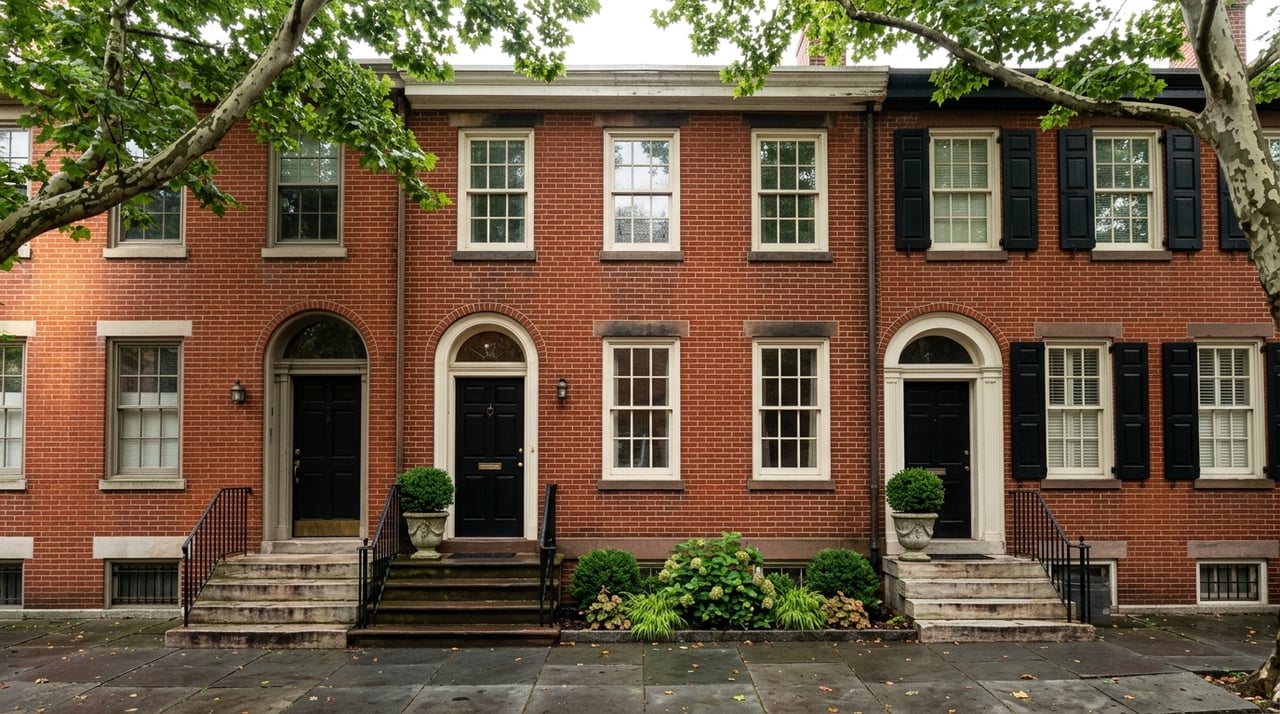
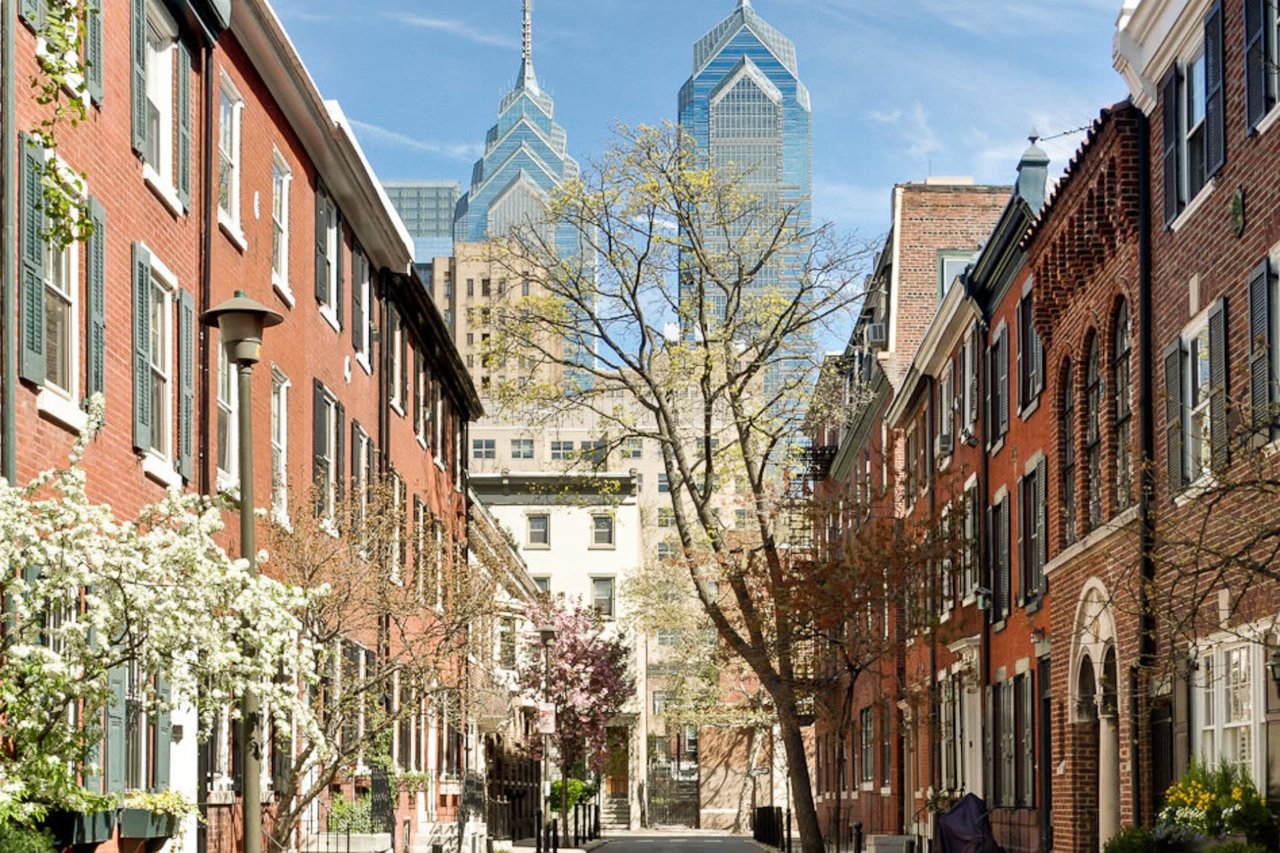
Society Hill sits within a local historic district. That matters because the Philadelphia Historical Commission, or PHC, reviews exterior work that is visible from a public street, alley, or public space. The Department of Licenses & Inspections (L&I) issues building permits and enforces code and stop-work orders. Many Society Hill projects need both PHC approval and L&I permits.
National and state recognition can add prestige, but they do not replace local rules. A listing on the National Register of Historic Places does not restrict a private owner by itself. Local PHC authority is what regulates exterior changes in Society Hill.
What triggers review
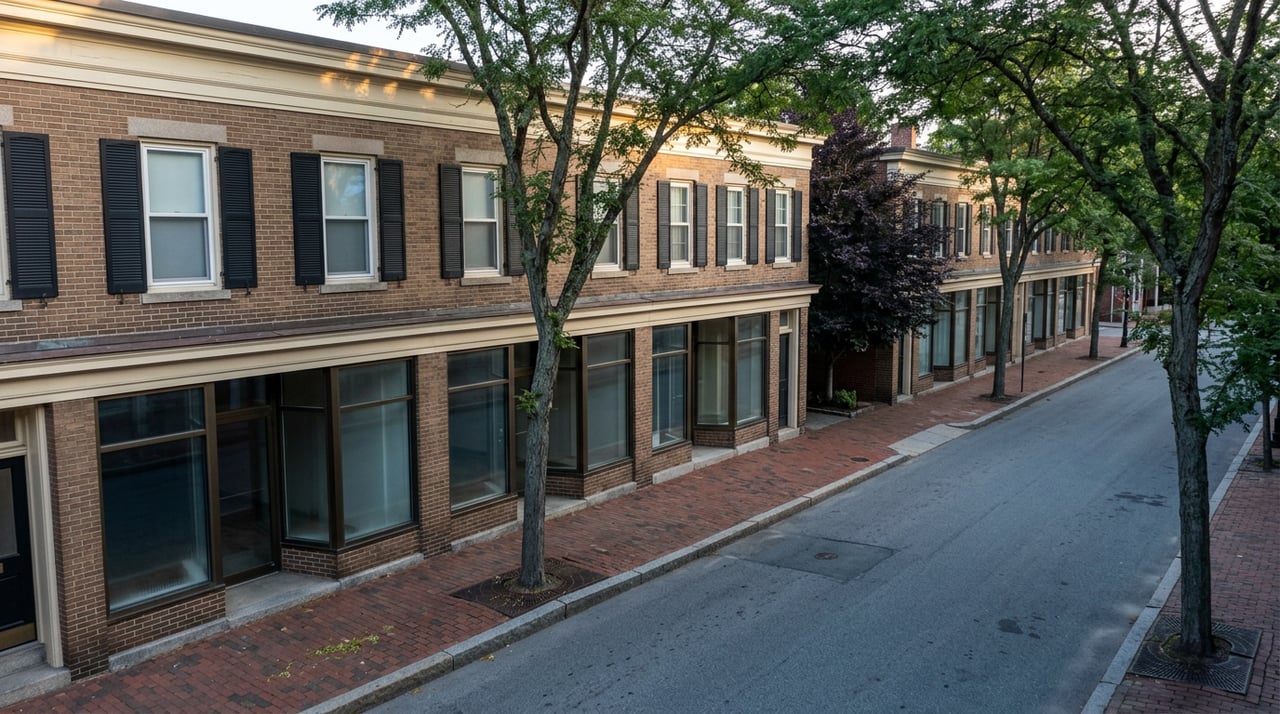
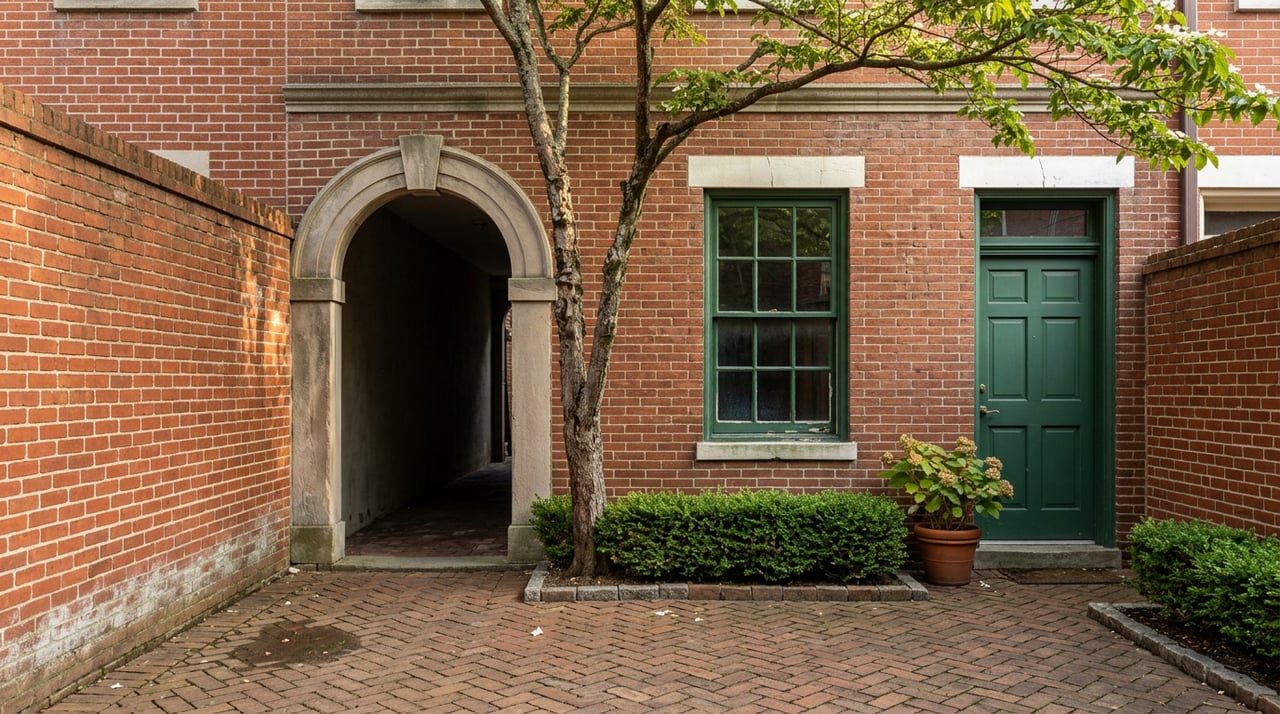
Any change to exterior features that can be seen from a public way can trigger PHC review. That includes demolition, window or door replacements, siding or paint changes, storefront alterations, porches, visible additions, and rooftop structures that change the street view.
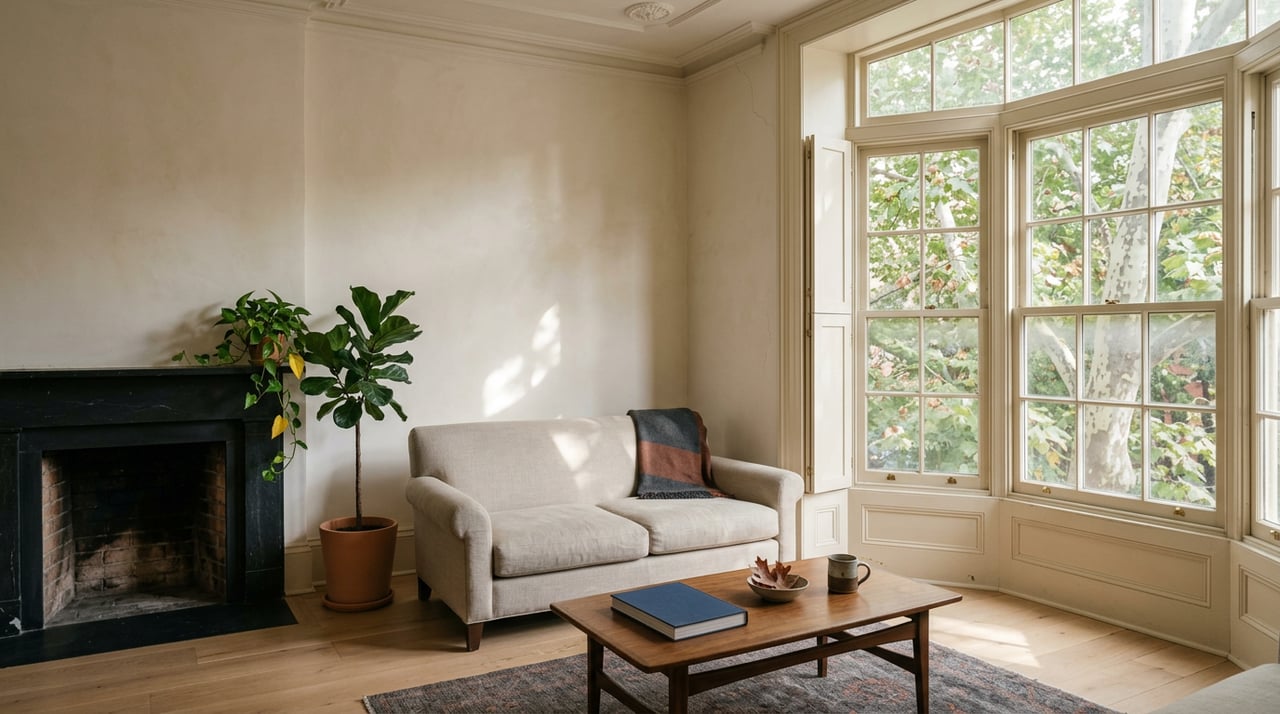
Interior-only work is typically outside PHC’s jurisdiction. Some rear elevations that are not visible from a public way may also be outside PHC review, but L&I permits and building codes still apply.
Common exterior work: what to expect
Windows and doors
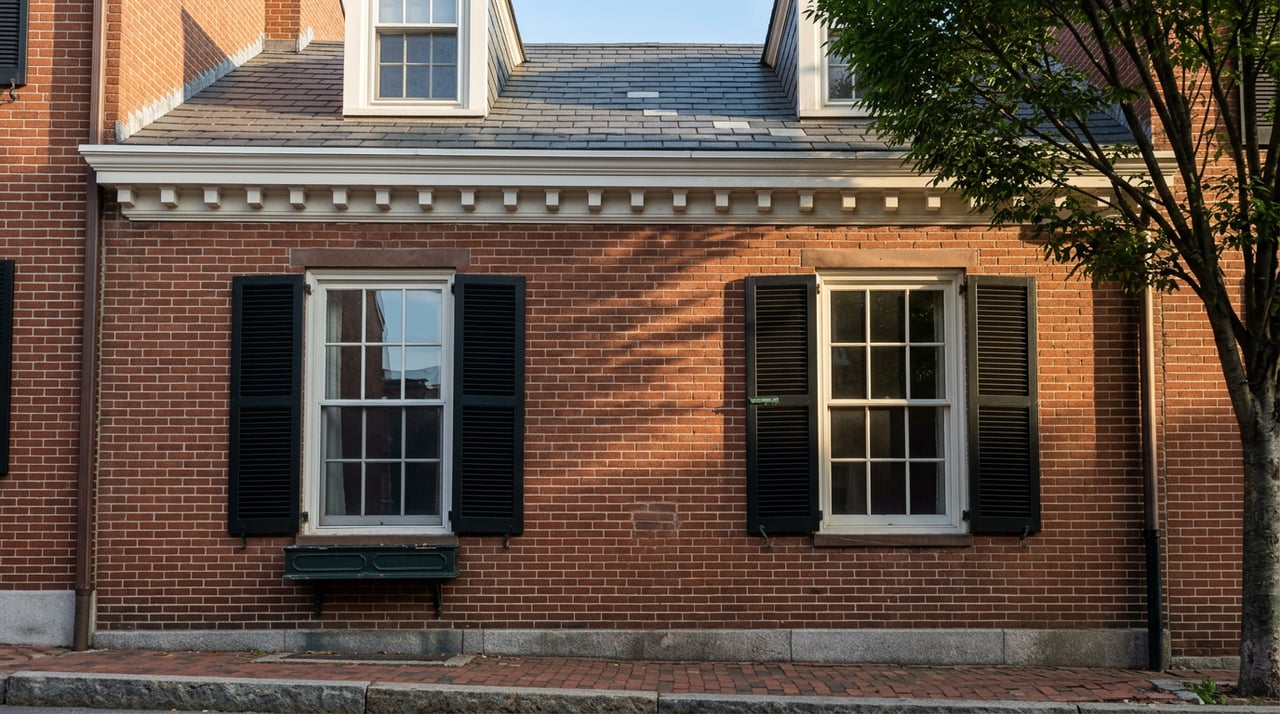
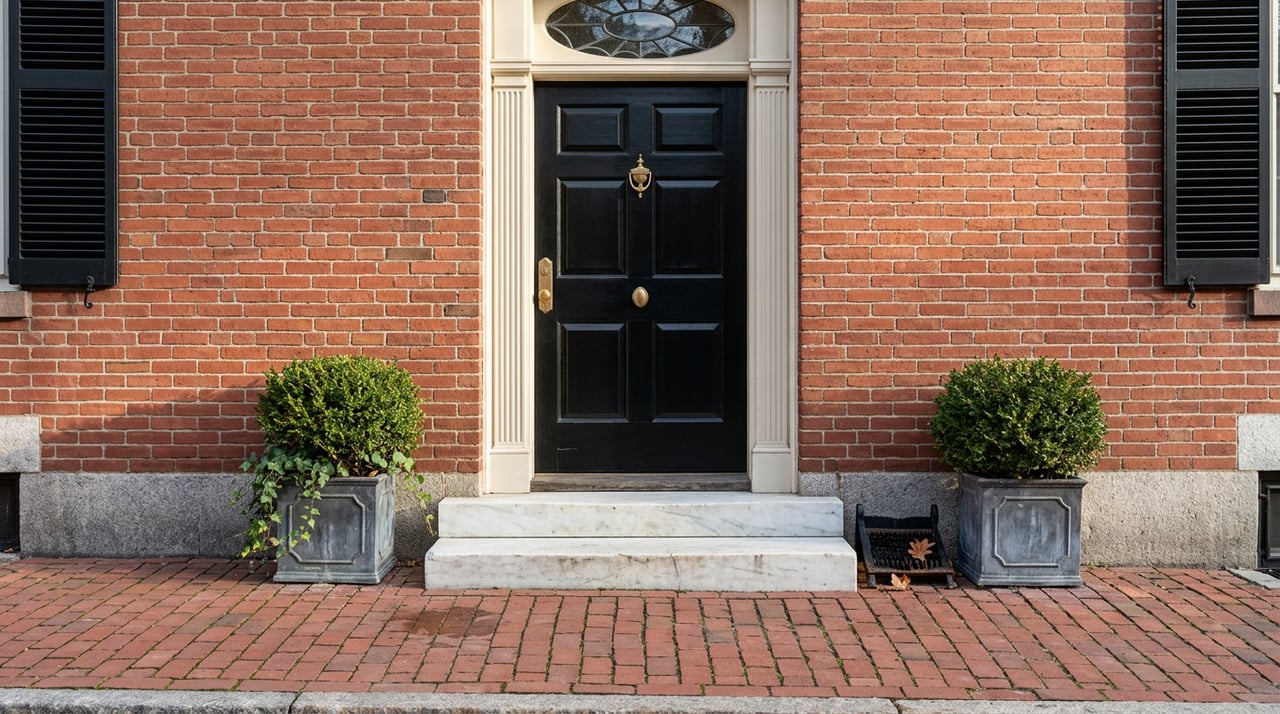
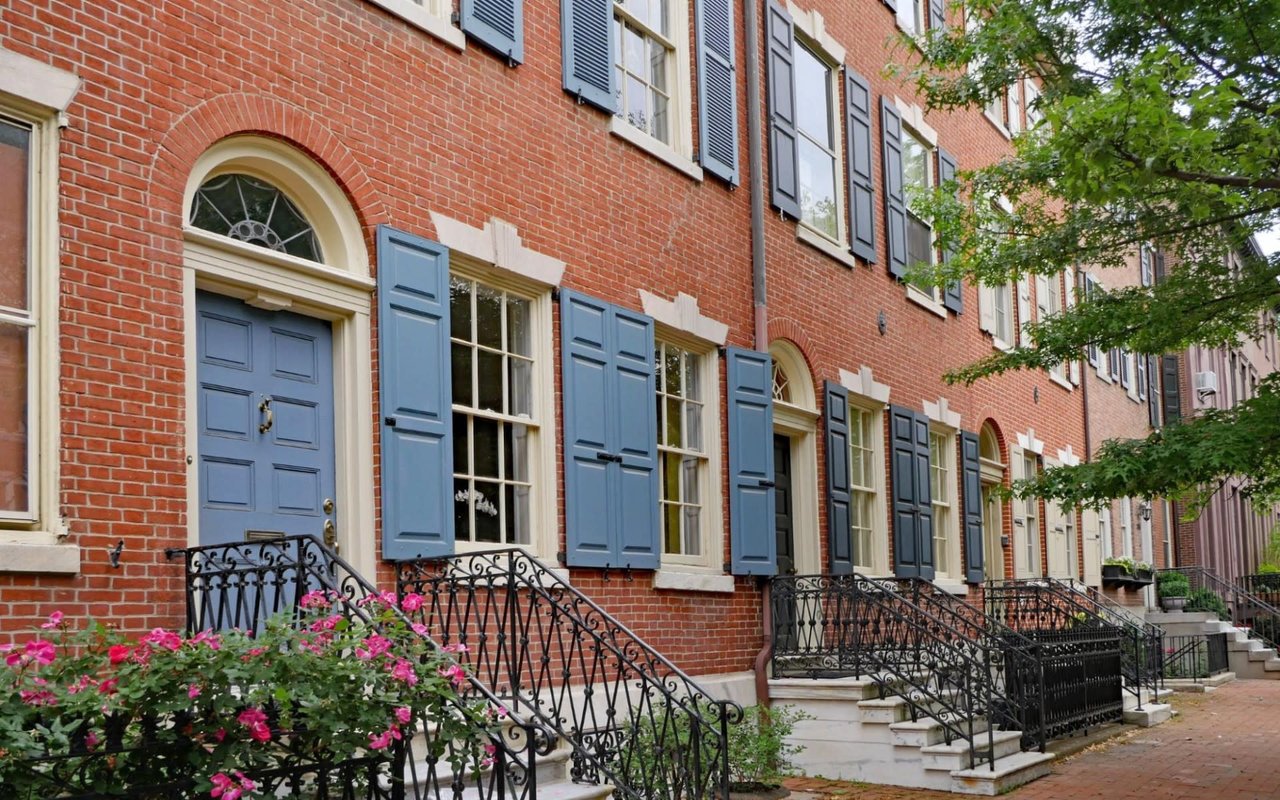
PHC favors repair over replacement. If the original sash or door can be repaired, that is the preferred path. When replacement is necessary, new units are typically expected to match historic profiles, materials, glazing patterns, muntin widths, and operation.
Wood is the preferred material on primary facades. In some cases, high-quality alternatives that accurately replicate sightlines may be acceptable, though visible street-facing elevations face the most scrutiny. For energy performance, repair, weatherstripping, and storm windows are often recommended over full replacement.
Masonry and mortar
Older brick often used lime-based mortars. PHC expects mortar that matches original composition, color, joint profile, and tooling. Hard modern Portland cement mortars can damage historic brick and are typically not allowed on primary facades. Non-abrasive cleaning and careful repointing are favored, while harsh methods like sandblasting are typically prohibited.
Roofs and cornices
Visible rooflines and cornices are character-defining. Original materials such as slate, tile, or metal cornices are preferred. Replacement materials should match the appearance of the originals on public-facing elevations. Rooftop decks and additions must be set back and minimally visible to stand a good chance at approval.
Additions and massing
Rear additions and extensions are often possible when they are subordinate to the historic building, set back from primary facades, and avoid removing defining features. New work should be compatible in scale and proportion yet clearly differentiated, and it should be reversible where possible.
Storefronts and small features
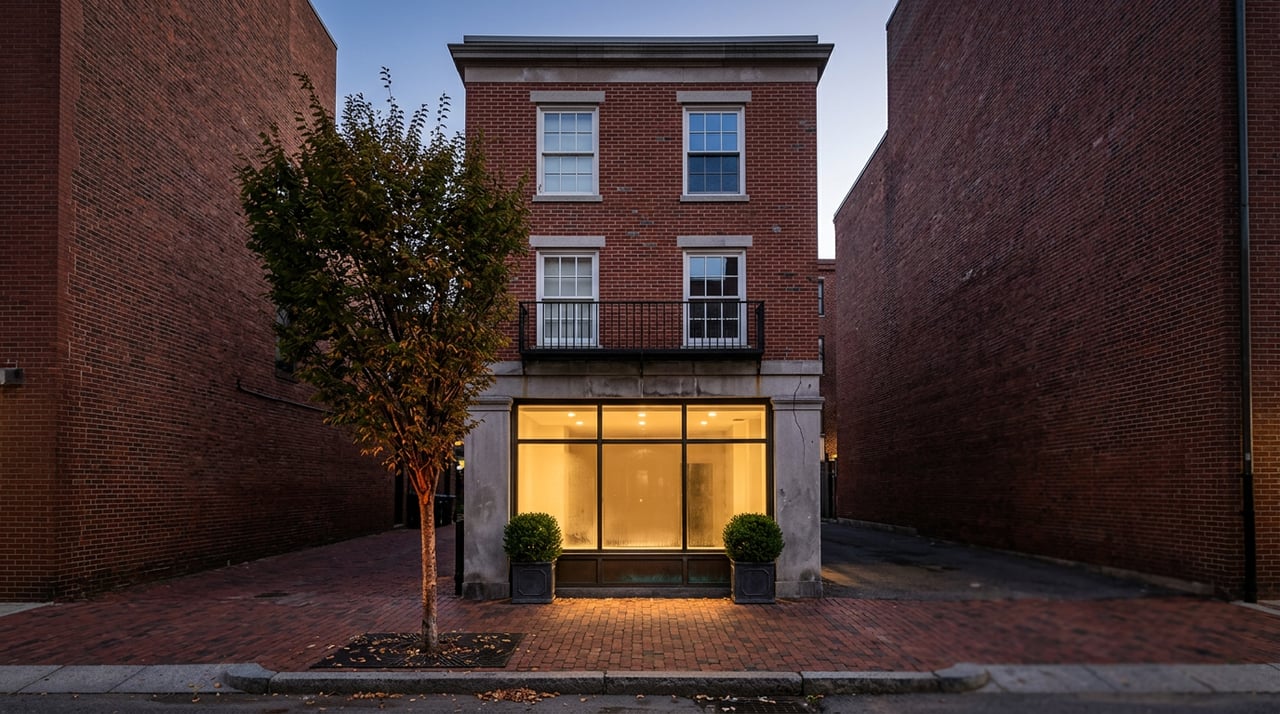
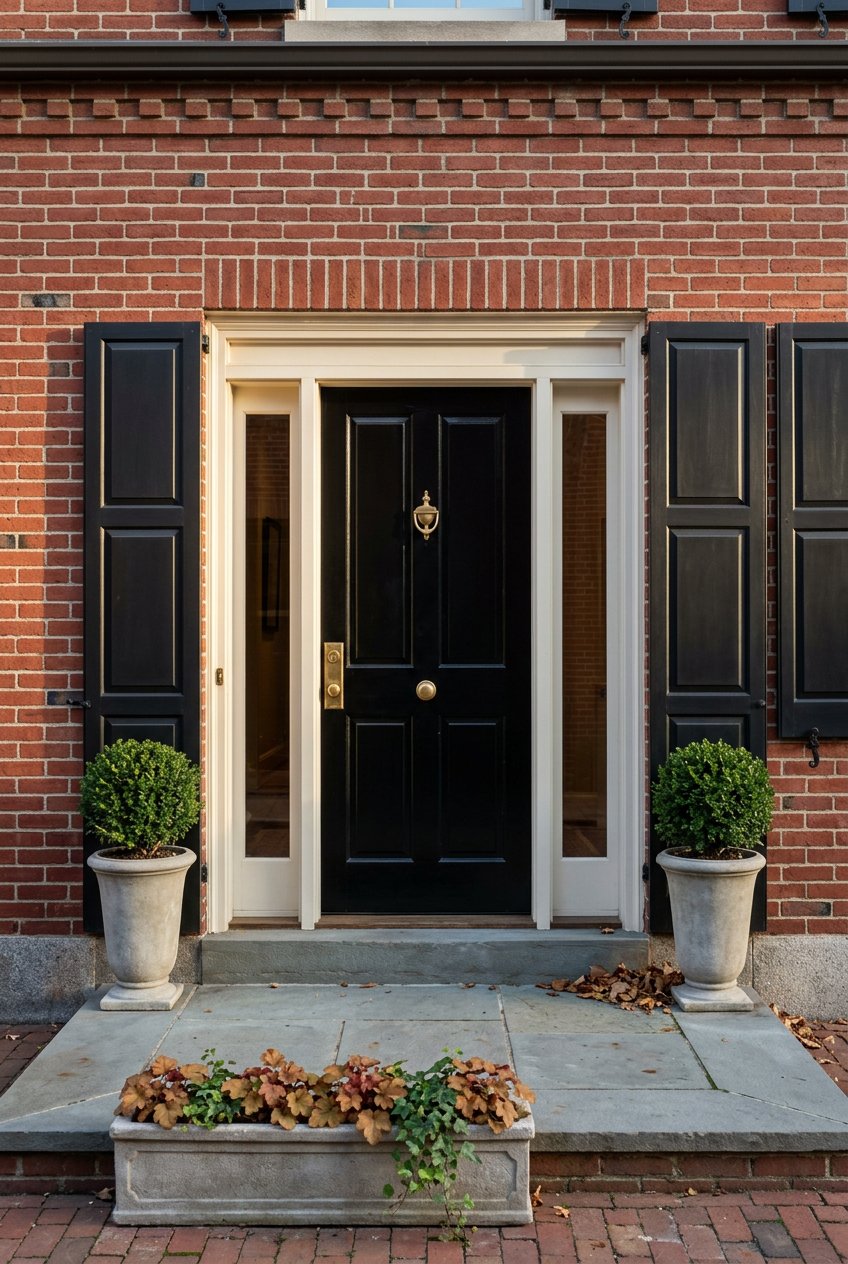
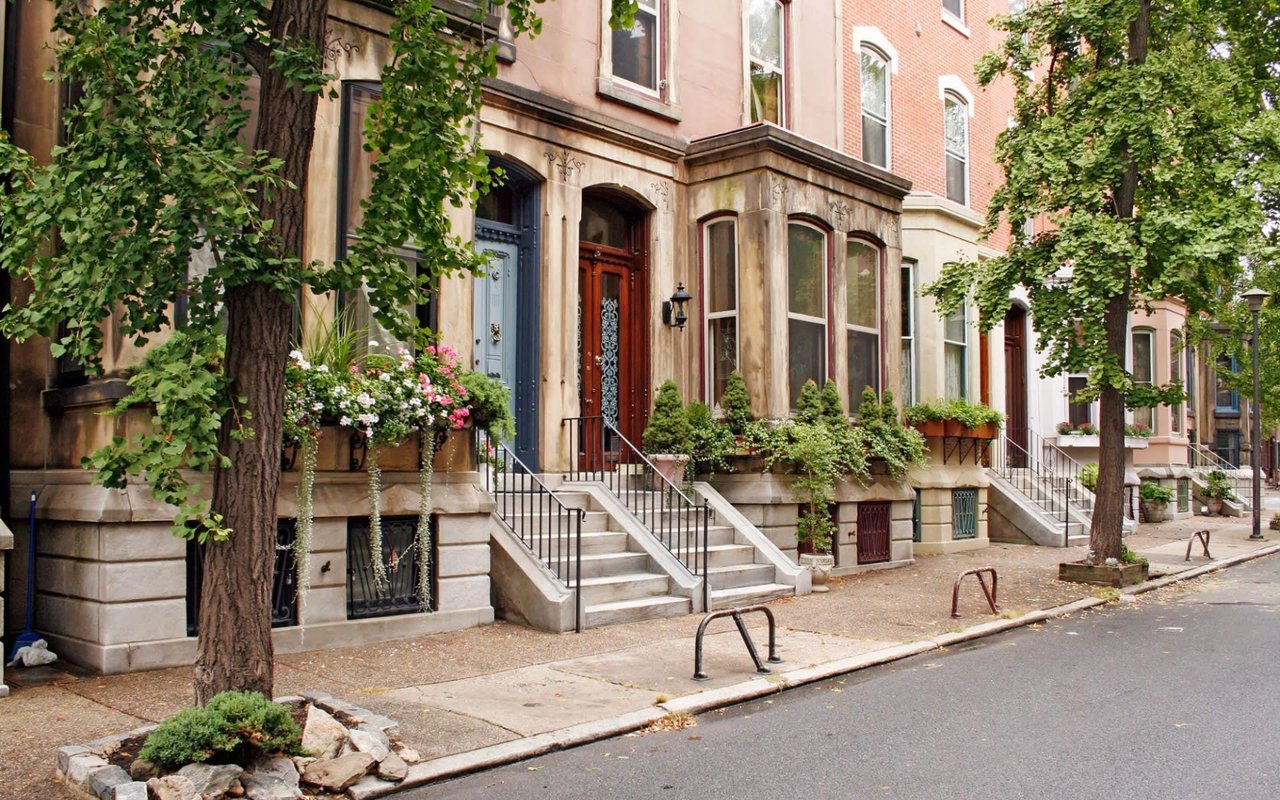
Storefronts, porches, railings, shutters, and stoops matter. Replacement or alteration needs to maintain historic profiles, materials, and details. Modern design elements that disrupt the rhythm of the street often face denial or require significant redesign.
Mechanicals and solar
Place condensers, meters, and other equipment away from primary elevations and out of public view when possible. Solar panels can be acceptable when they are not visible from the street, often on rear roof planes or flat roofs. Visible installations need careful design and PHC approval.
Approvals and permits: how the process works
PHC approvals
PHC issues Certificates of Appropriateness, often called COAs. Staff can approve routine maintenance and clearly compliant small changes. Larger or more visible alterations typically require a full Commission hearing. You will submit drawings, photos, material samples, and a clear description of the work.
L&I permits
L&I handles building permits and code enforcement. For regulated facades, L&I will require PHC approval before issuing final permits. Structural, electrical, plumbing, and HVAC permits run through L&I in parallel with any PHC review of visible exterior work.
Sequencing and timing
The best approach is to involve PHC early in design. Staff feedback helps you avoid costly redesigns. Staff reviews often take several weeks. Full Commission processes can add weeks to months, depending on schedules, revisions, and community input. L&I review adds time, especially when structural questions arise. Because schedules change, confirm current timelines with PHC and L&I directly.
Enforcement risks
Unapproved exterior work can trigger stop-work orders, fines, and orders to restore historic conditions. Unresolved L&I violations can complicate financing and settlement. If you discover unpermitted past work during due diligence, factor in extra time and costs to cure violations or seek retroactive approvals.
Pre-offer due diligence for buyers
You do not have to wait until after you close to understand your options. A focused pre-offer review reduces surprises and strengthens your plan.
Document checklist
Ask the seller or listing agent for:
- Copies of all prior PHC approvals and Certificates of Appropriateness.
- Records of past permits and inspections from L&I.
- As-built drawings, elevations, and specifications for prior alterations.
- Documentation of any violations or open enforcement matters.
- Historic survey or designation information showing whether the building is a contributing resource.
Physical inspection priorities
- Historic windows and doors: sash condition, sills, rot, and previous replacements.
- Masonry: cracking, bulging, and any hard mortar repointing that may need correction.
- Roof and cornice: material condition and any modern replacements on visible planes.
- Rear additions: quality, visibility, and signs of unpermitted exterior changes.
- Mechanicals: locations of condensers or meters that may need relocation to meet PHC expectations.
Early questions to ask PHC and your team
- Is this building classified as a contributing resource in the district?
- What types of interventions on the primary facade have been approved on similar houses?
- Can staff approve my scope, or will a full Commission hearing be needed?
- What materials and craftsmanship standards are expected for windows, masonry, and roofing?
Design and budgeting strategies
If you want modern comfort and long-term value, preservation-first design often pays off. Repairing original elements where possible preserves character and can reduce cost compared with full replacement. Where replacement is necessary, plan for custom, historically accurate products that match profiles and sightlines on primary facades. Expect longer lead times and higher prices than off-the-shelf units.
Coordinate PHC approvals and L&I permits in your schedule. Start design work early with a preservation-minded architect or contractor. Prepare COA-level drawings and material samples up front to reduce back-and-forth. Build in float time for hearings and potential revisions so your contractor is not idling.
Who to hire
- Historic preservation architect or an architect experienced with Philadelphia historic districts.
- Contractor skilled in masonry, historic window repair, slate or metal roofing, and PHC processes.
- Historic consultant or planner to prepare COA applications, drawings, and material narratives.
- Real estate attorney or title professional to check for easements or covenants tied to historic properties.
Sample path to a smooth project
- Define goals. List your must-haves and nice-to-haves. Separate visible from non-visible scope.
- Verify status. Confirm district status and whether the property is a contributing resource.
- Assemble the team. Engage architect, contractor, and historic consultant early.
- Pre-apply with PHC. Share concept sketches and ask about staff vs Commission review.
- Document thoroughly. Prepare drawings, photos, and material samples for submission.
- Sequence permits. Align PHC approvals with L&I building and trade permits.
- Track the calendar. Build in several weeks for staff review, and plan for extra time if a Commission hearing is likely.
- Execute carefully. Follow approved plans and keep records to simplify future resale.
Protecting resale value
Thoughtful compliance is not just about approvals. In Society Hill, authenticity carries weight with future buyers. Repairing historic fabric, matching visible materials, and placing modern systems out of sight all help preserve the streetscape and your investment. Clear records of PHC approvals, accurate drawings, and documented craftsmanship make resale easier and lend credibility during inspections and appraisals.
Ready to explore Society Hill?
If Society Hill’s history is part of your lifestyle vision, you can update well and protect value with the right plan. Start early, assemble the right team, and use PHC review as a design tool rather than a hurdle. For a private conversation about a specific property, process, or timeline, connect with Douglas Pearson. Request a private valuation & consultation.
FAQs
Does National Register listing restrict what I can change?
- No. National Register status is honorific. Local PHC jurisdiction is what regulates exterior changes visible from public ways in Society Hill.
Can I add a rooftop terrace in Society Hill?
- Possibly. Rooftop terraces are more feasible when they are set back, screened, and minimally visible from the street, and they require PHC approval.
What PHC window rules should I expect on primary facades?
- PHC prefers repair. If replacement is needed, expect wood units that replicate historic profiles, glazing patterns, muntin widths, and operation.
How long do PHC approvals usually take?
- Timelines vary. Staff reviews can take several weeks, while full Commission hearings and revisions can add multiple weeks to months, so confirm current schedules.
What happens if a prior owner changed the facade without permits?
- You may face enforcement, fines, or restoration requirements. Plan for retroactive approvals and budget time to resolve any L&I or PHC violations before closing.
Are there tax credits for restoring a Society Hill home?
- Federal and state rehabilitation tax credits usually apply to income-producing properties, not primary residences. Check with PHC, PHMC, and a tax advisor for options.