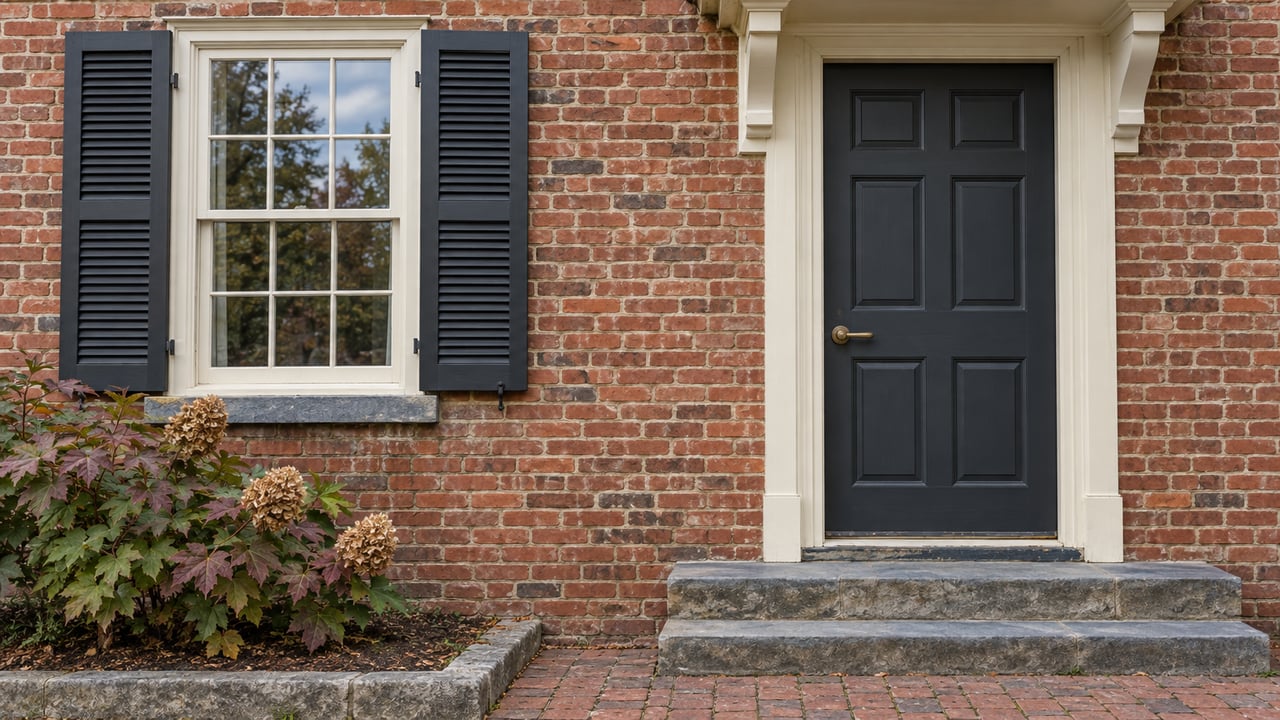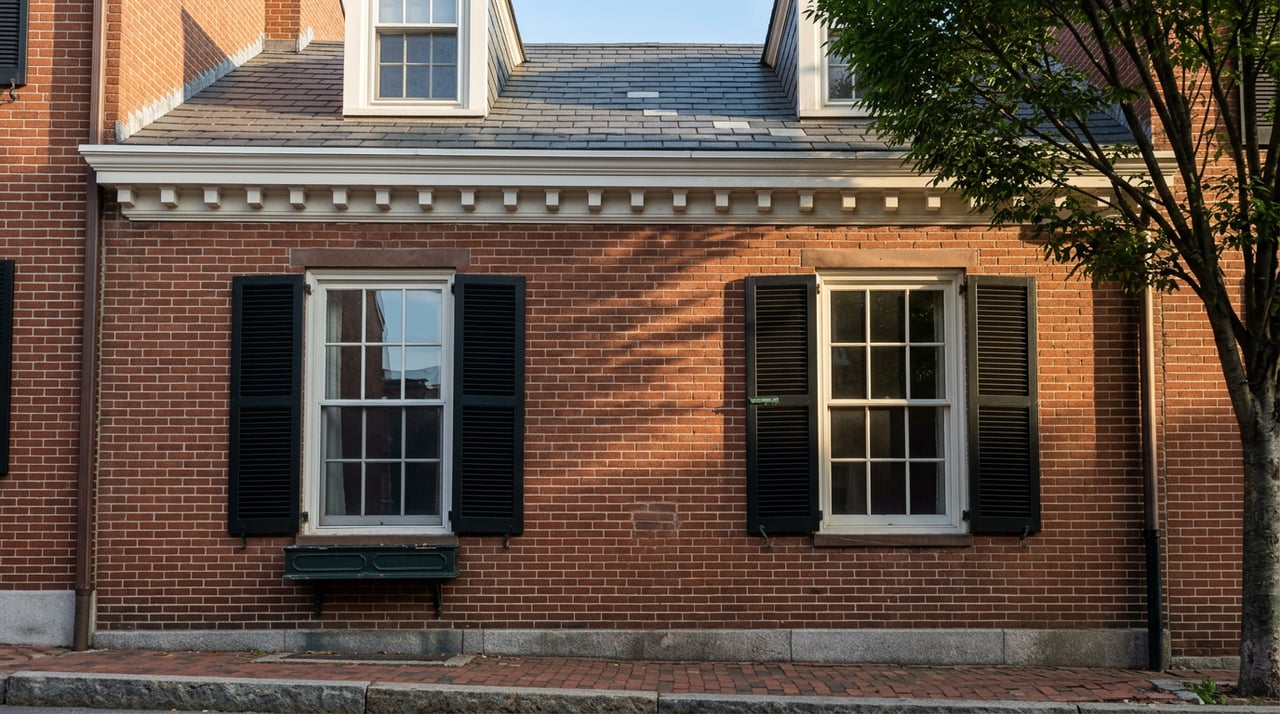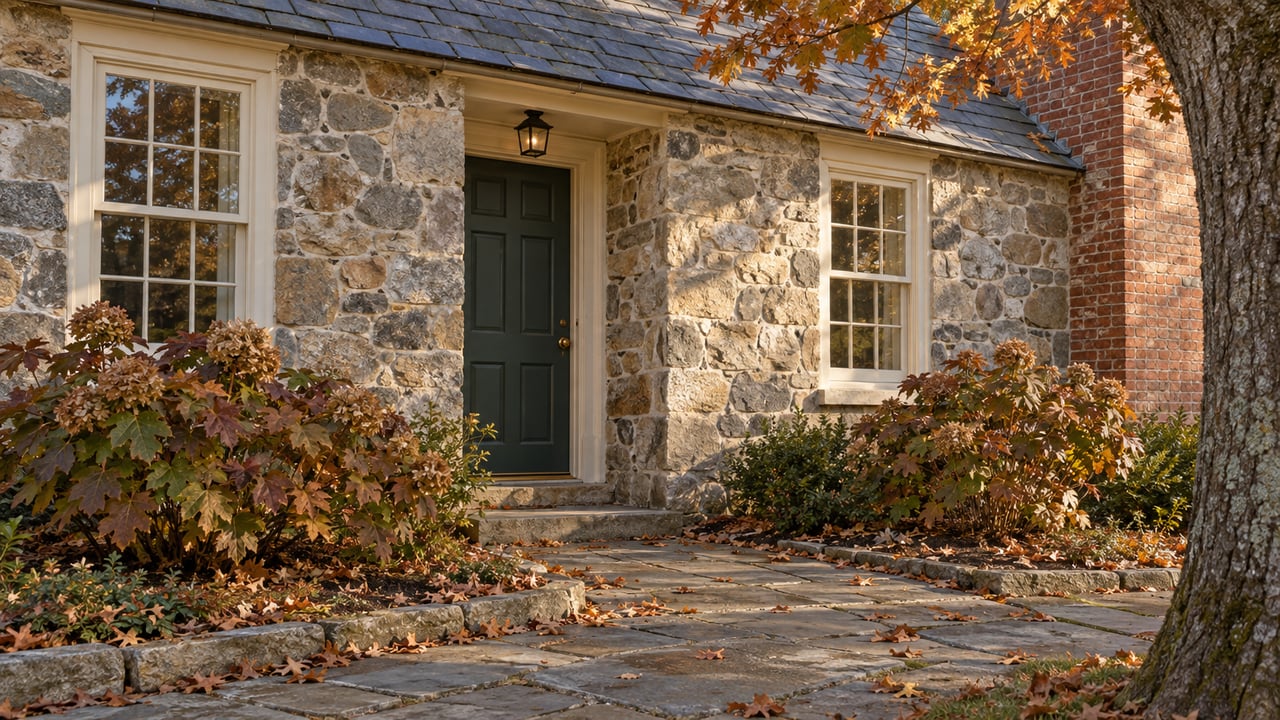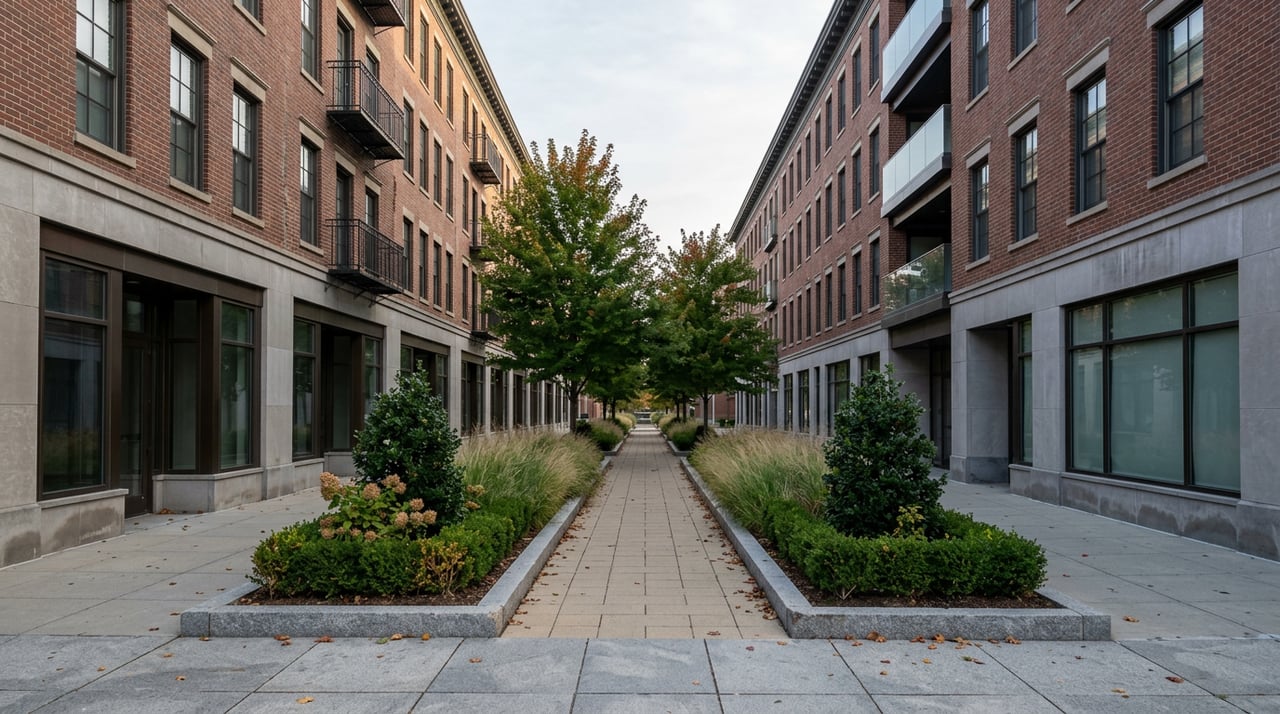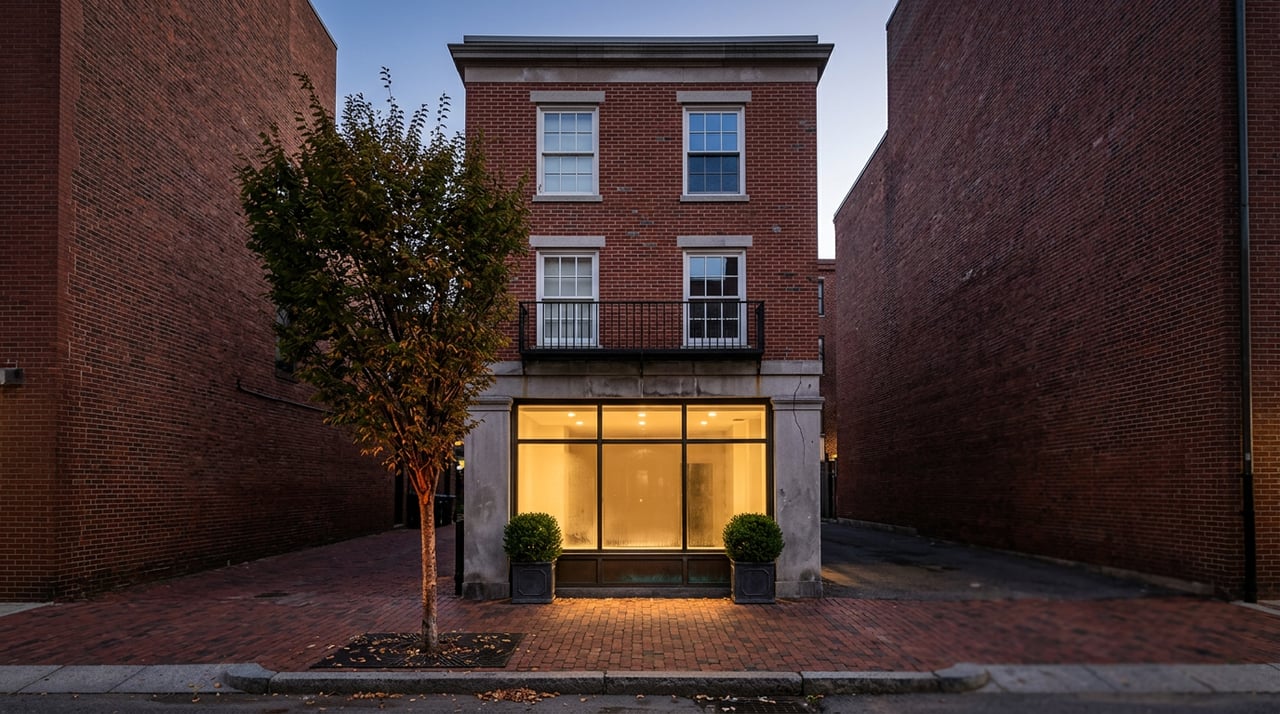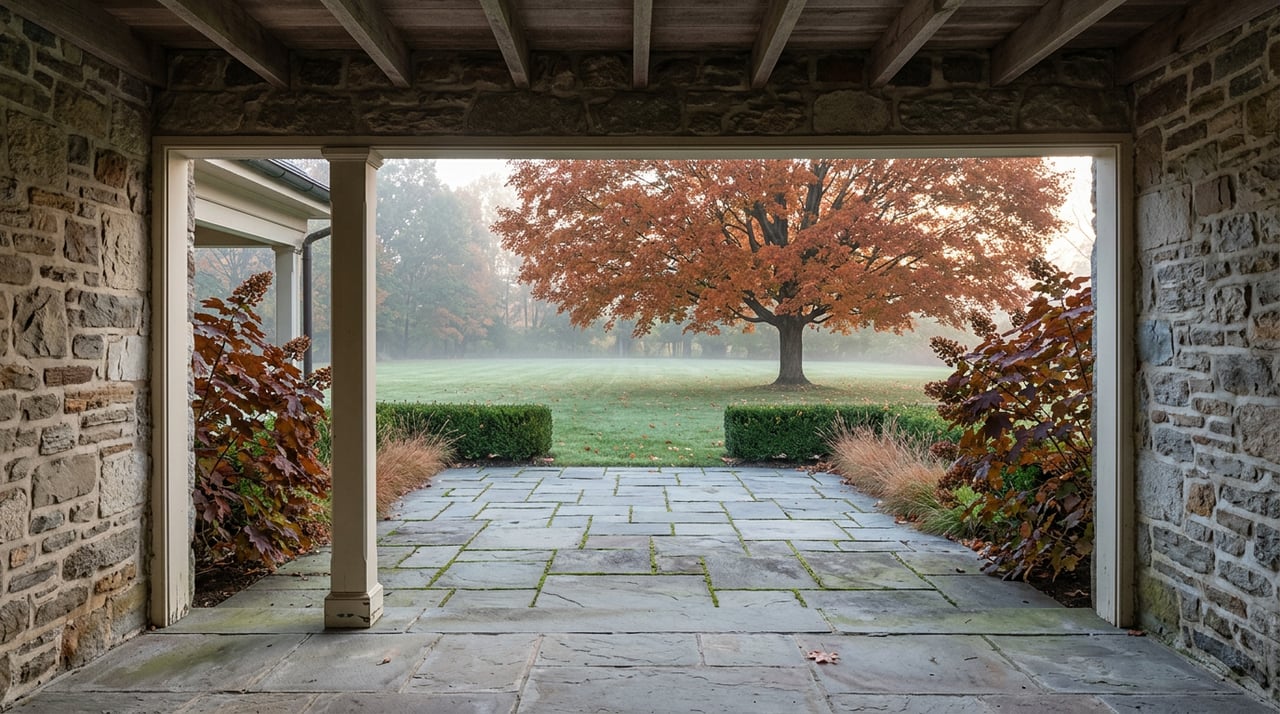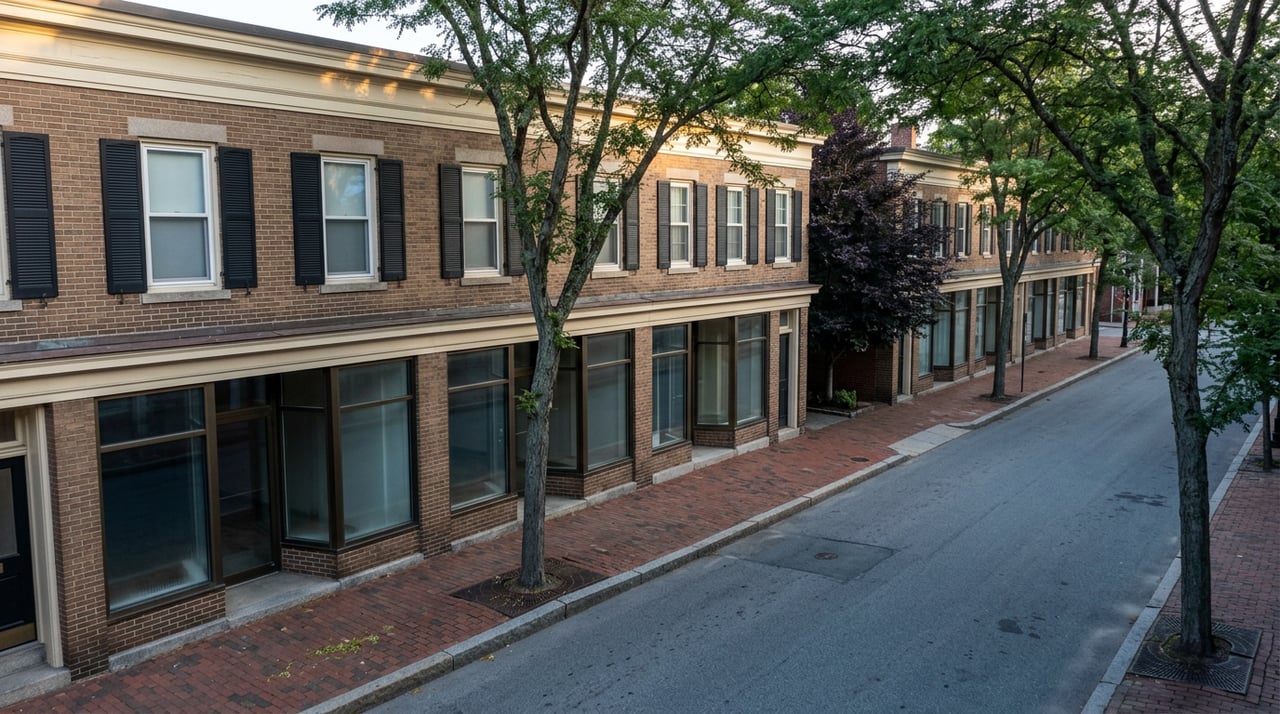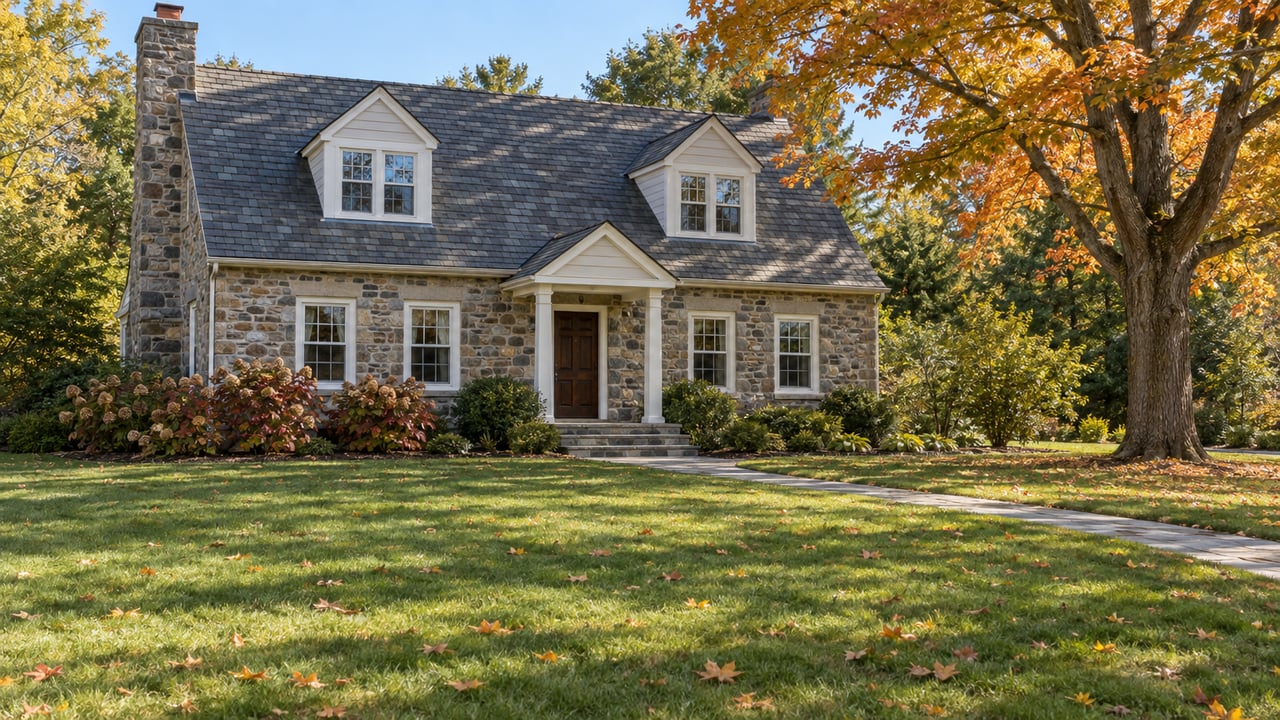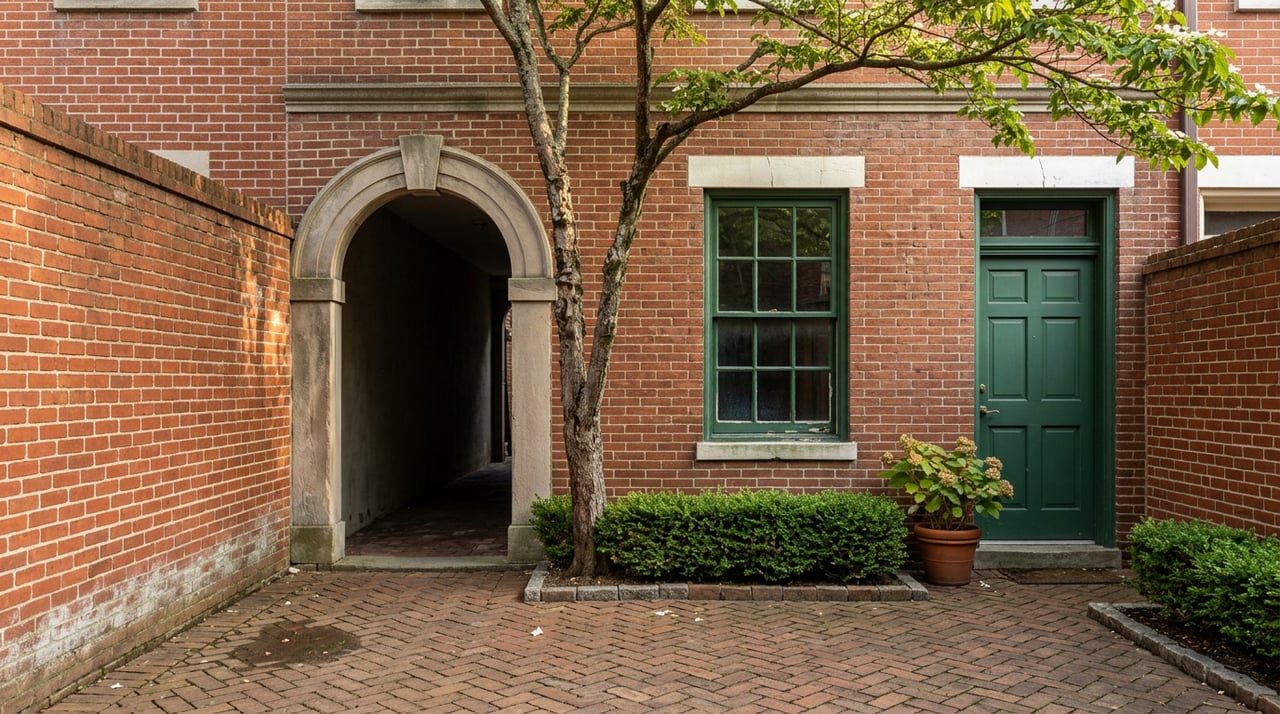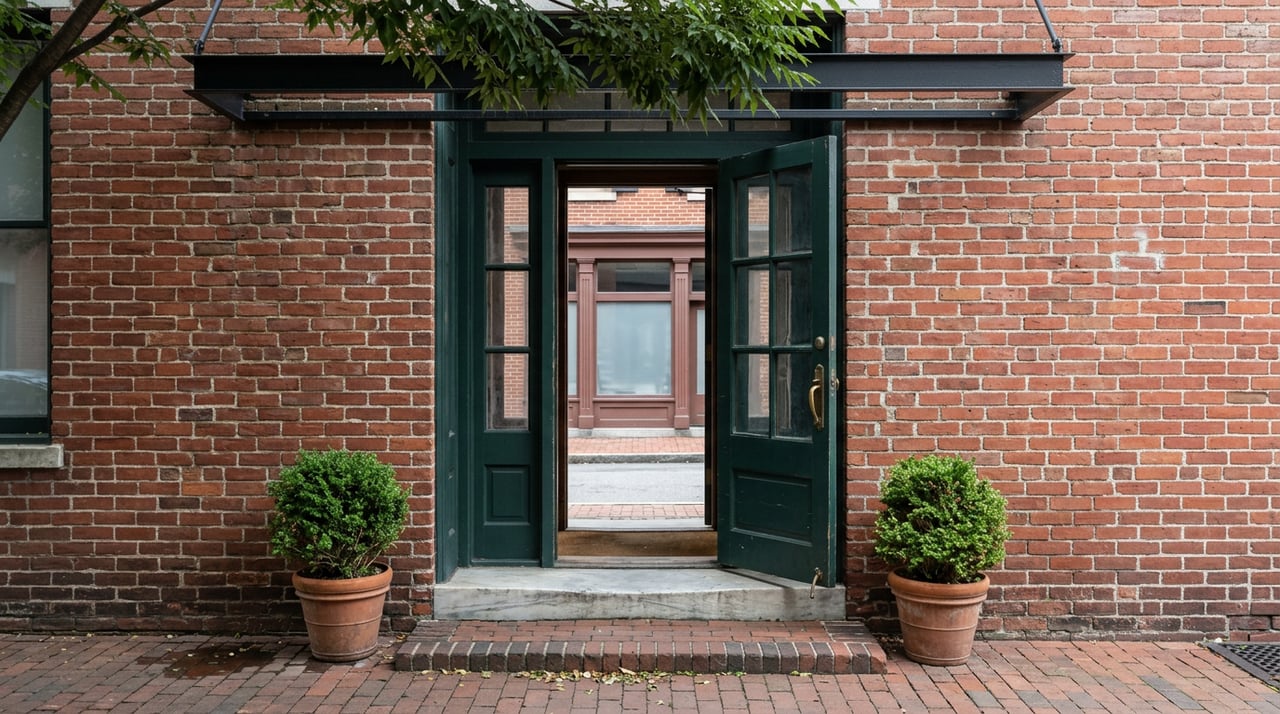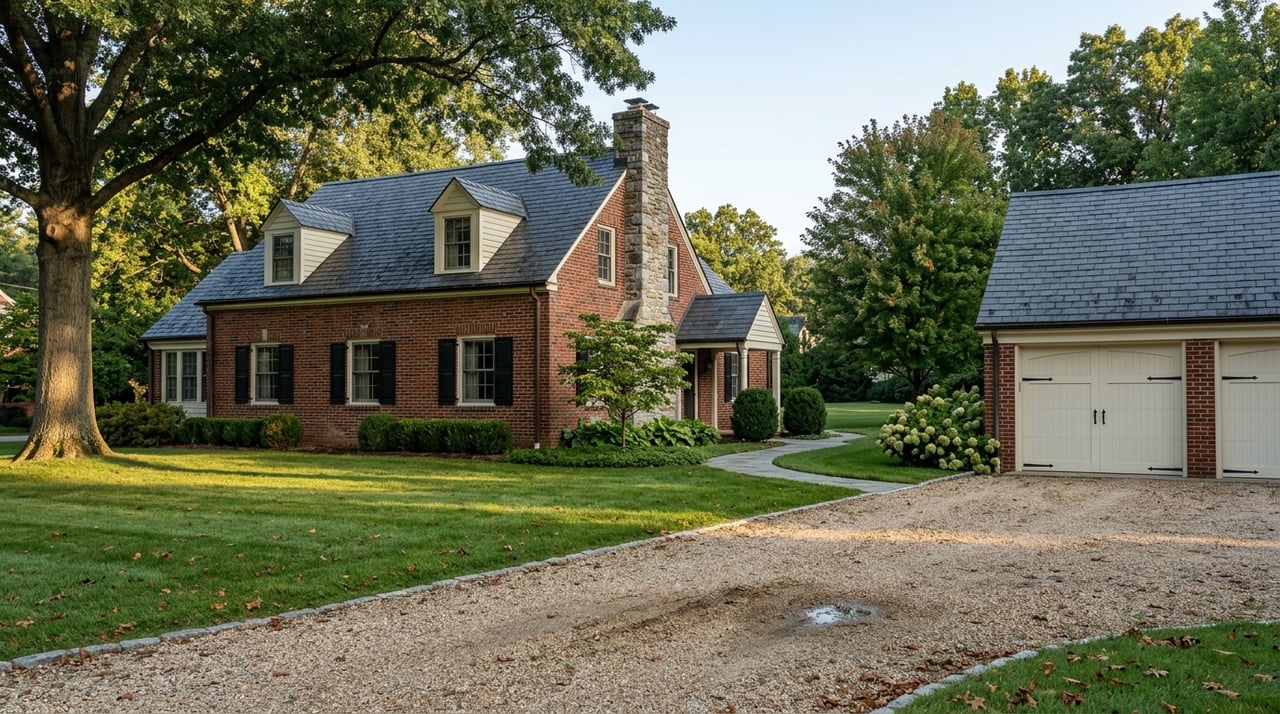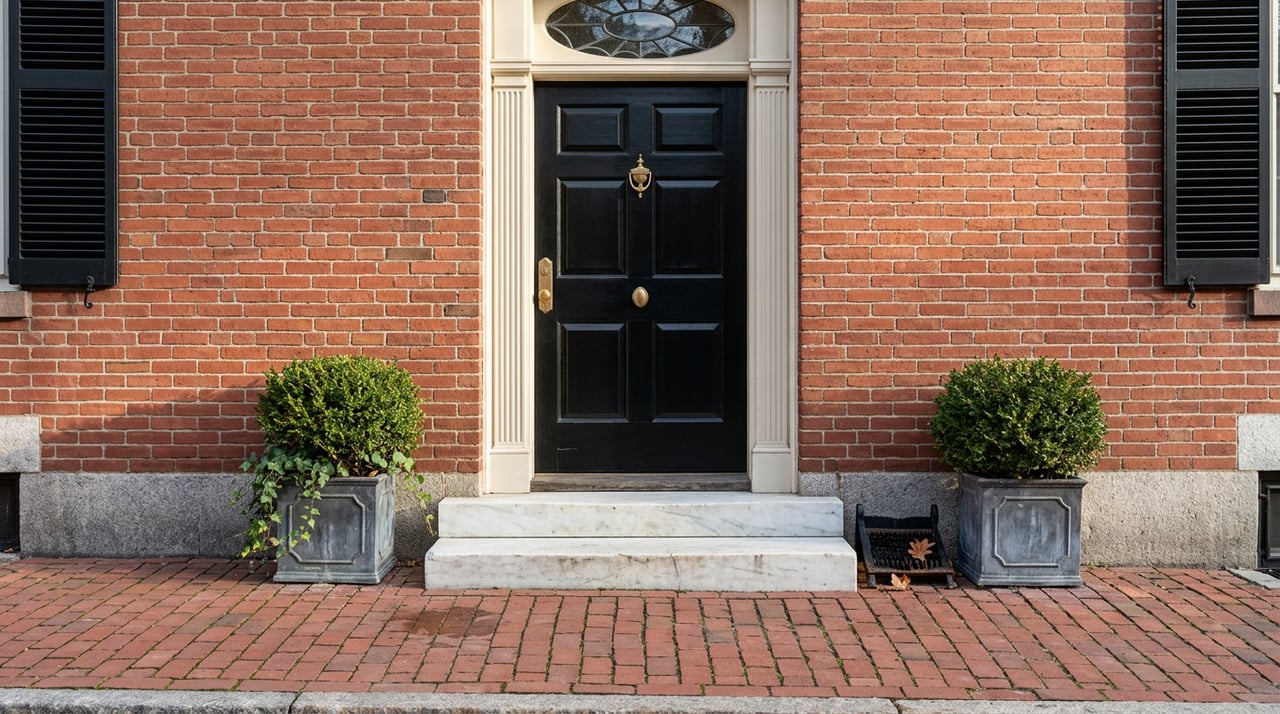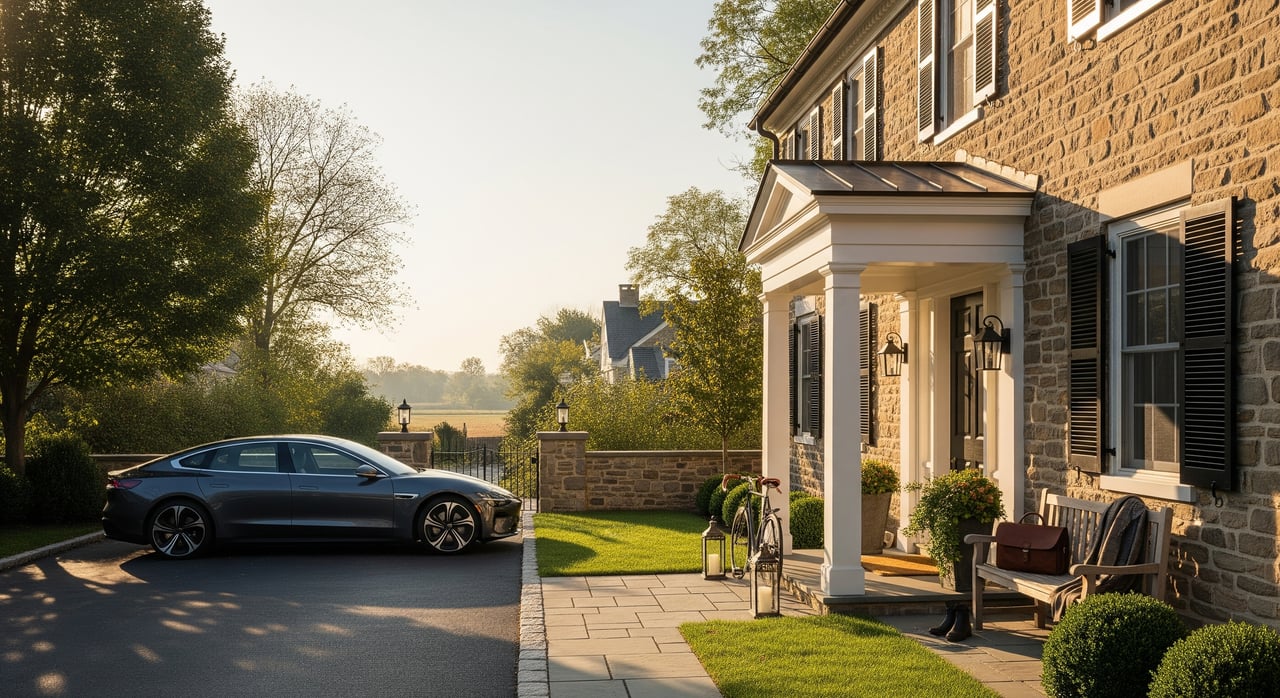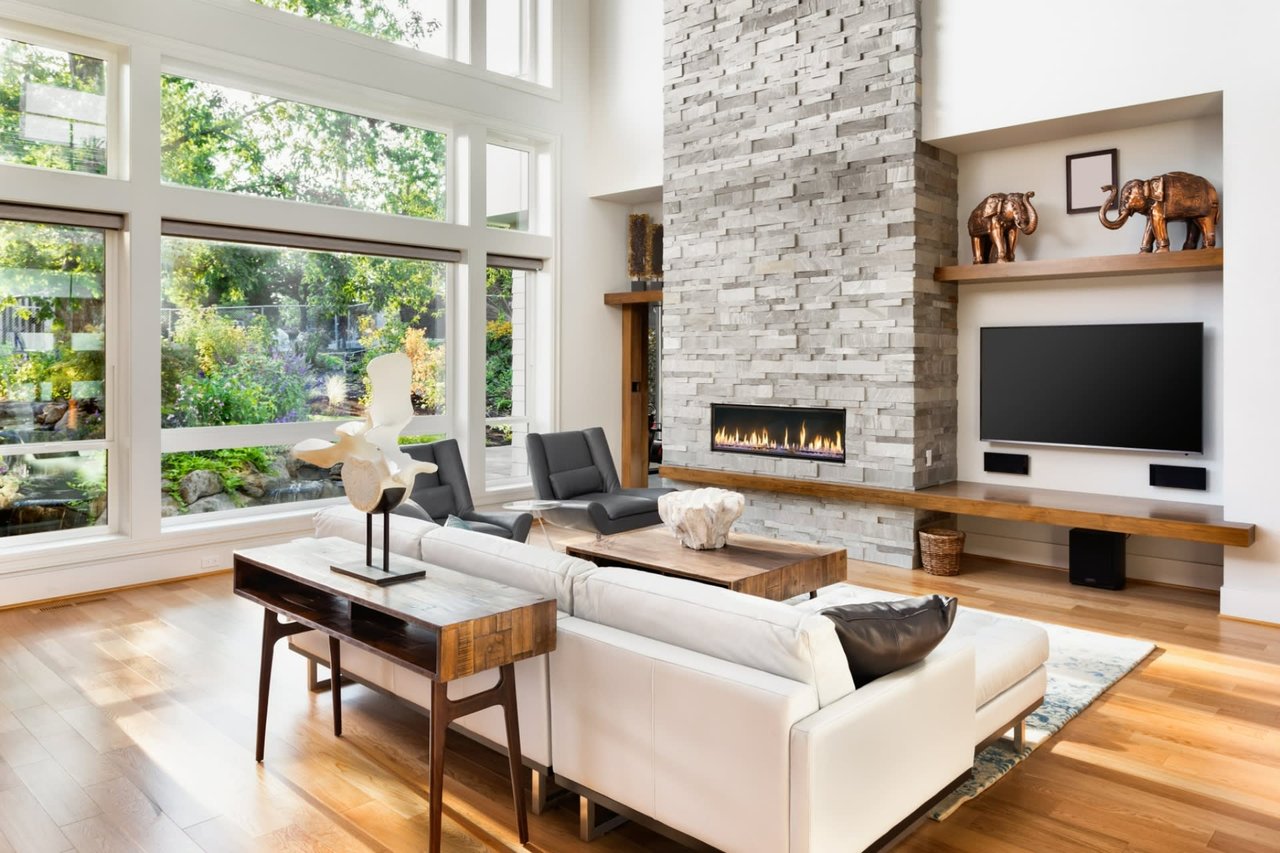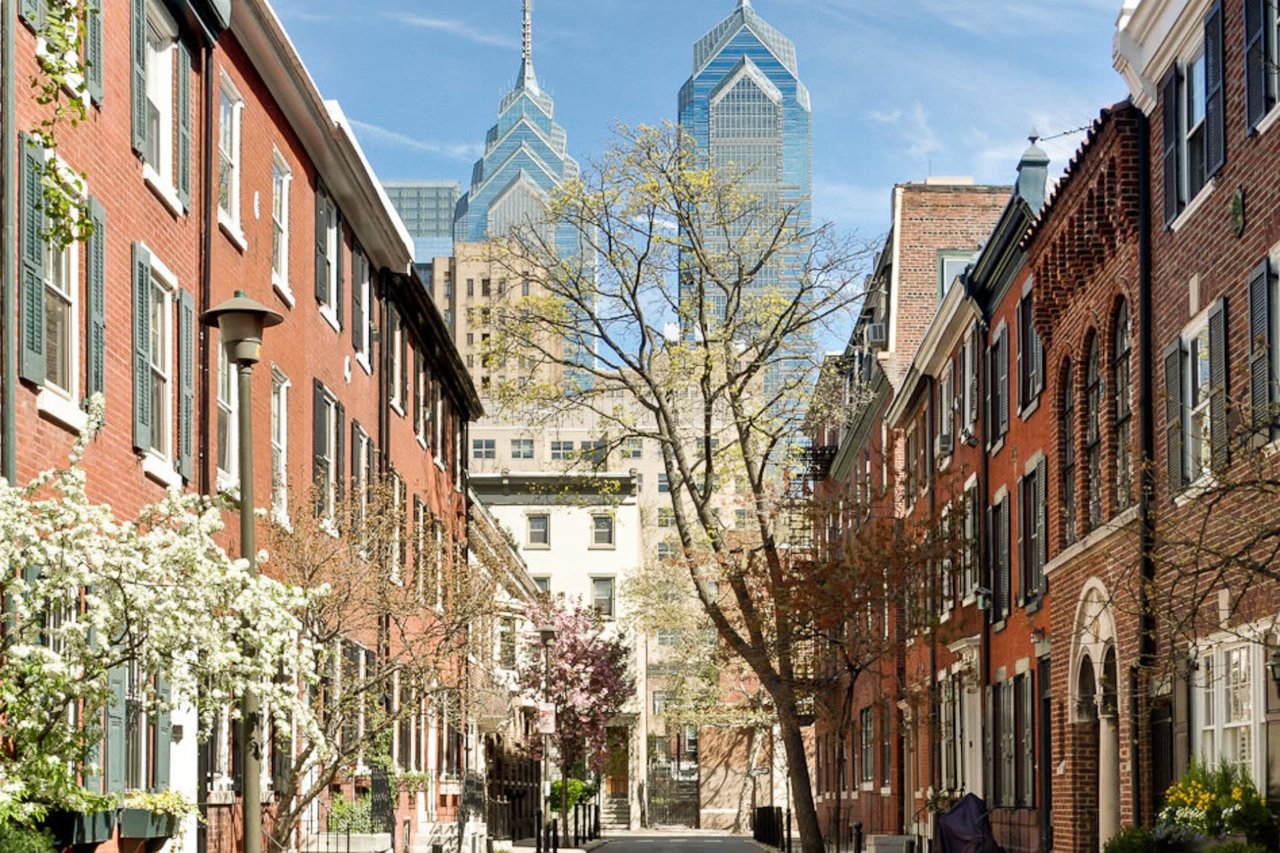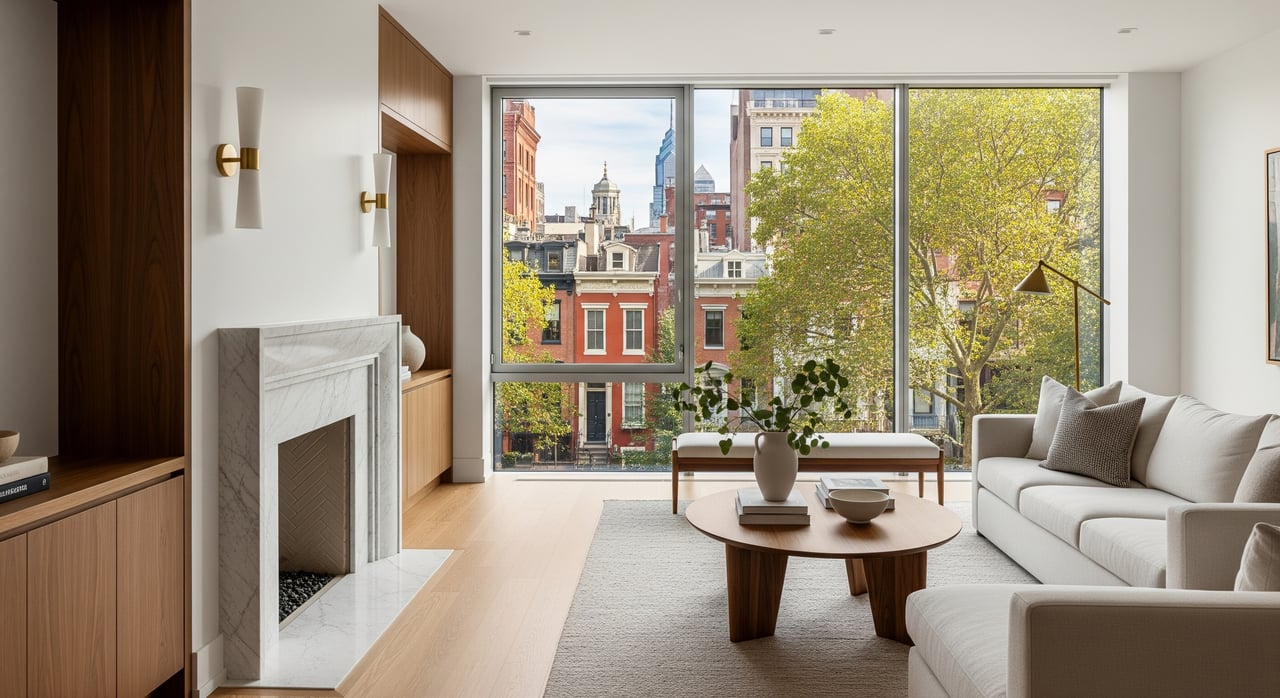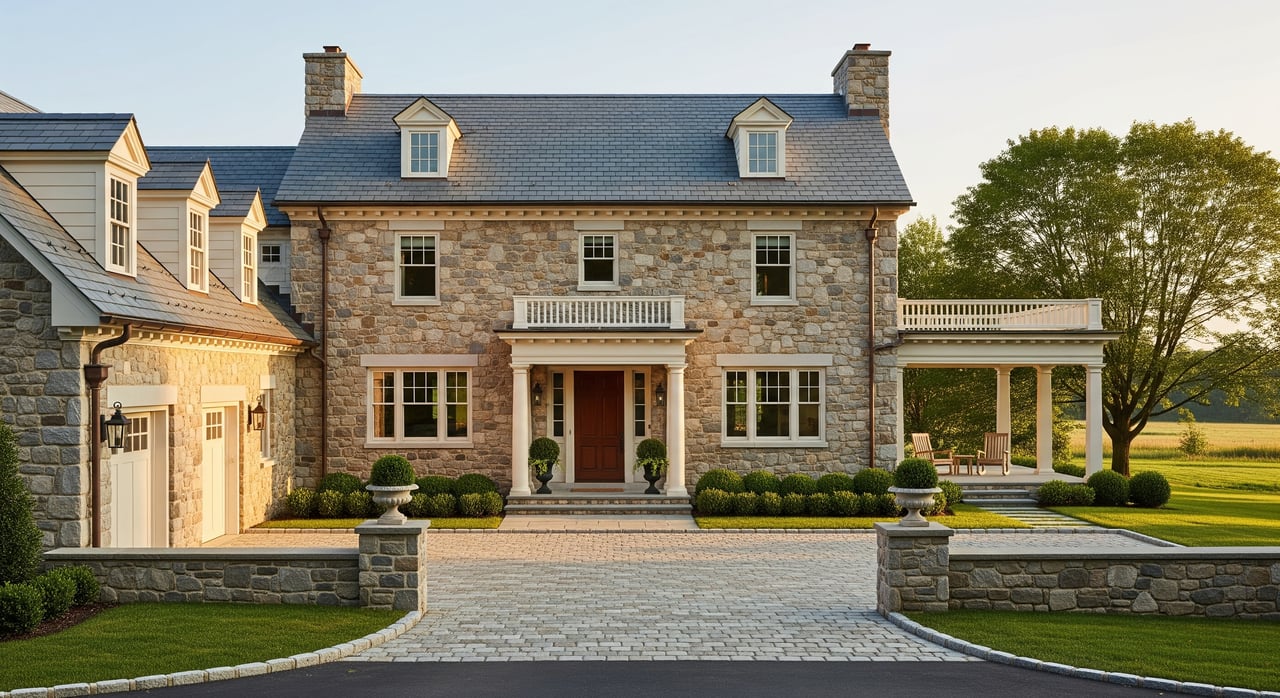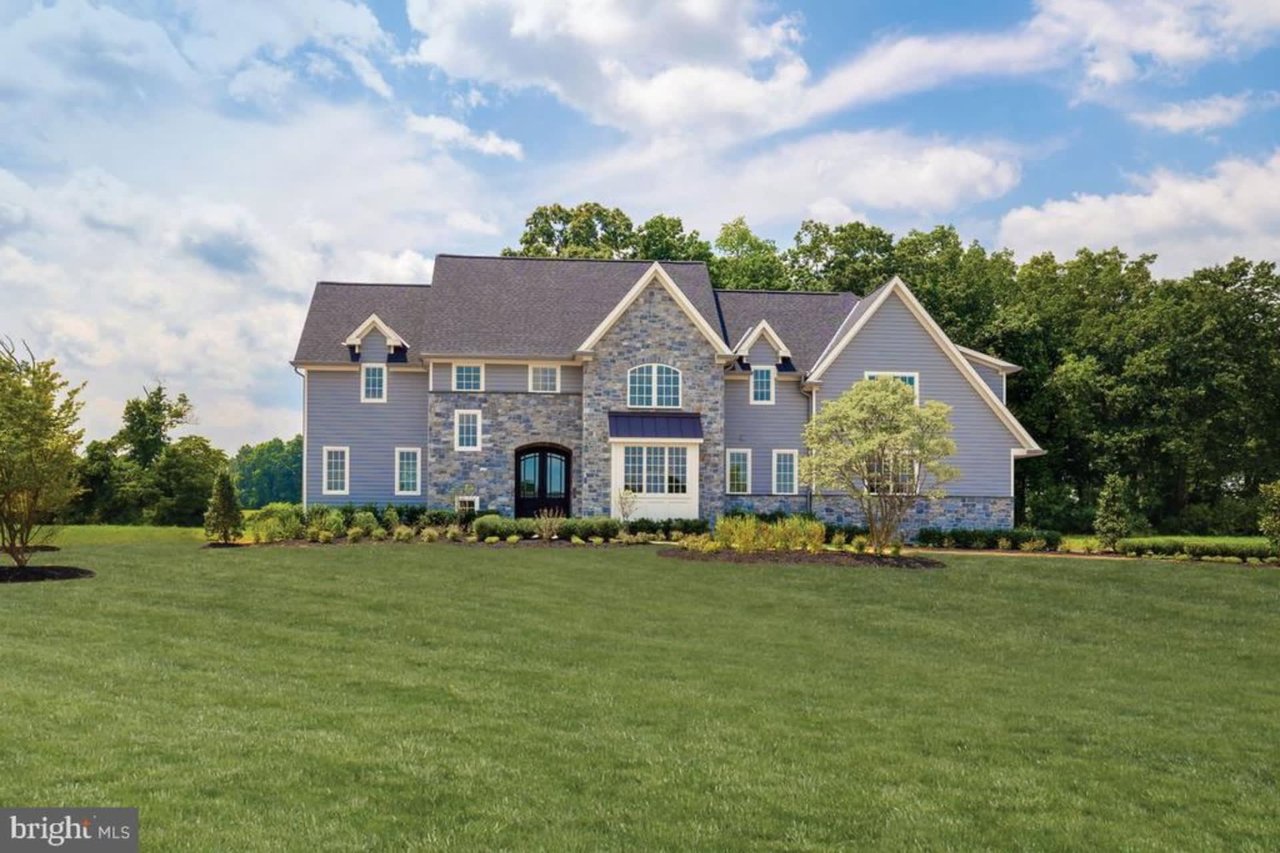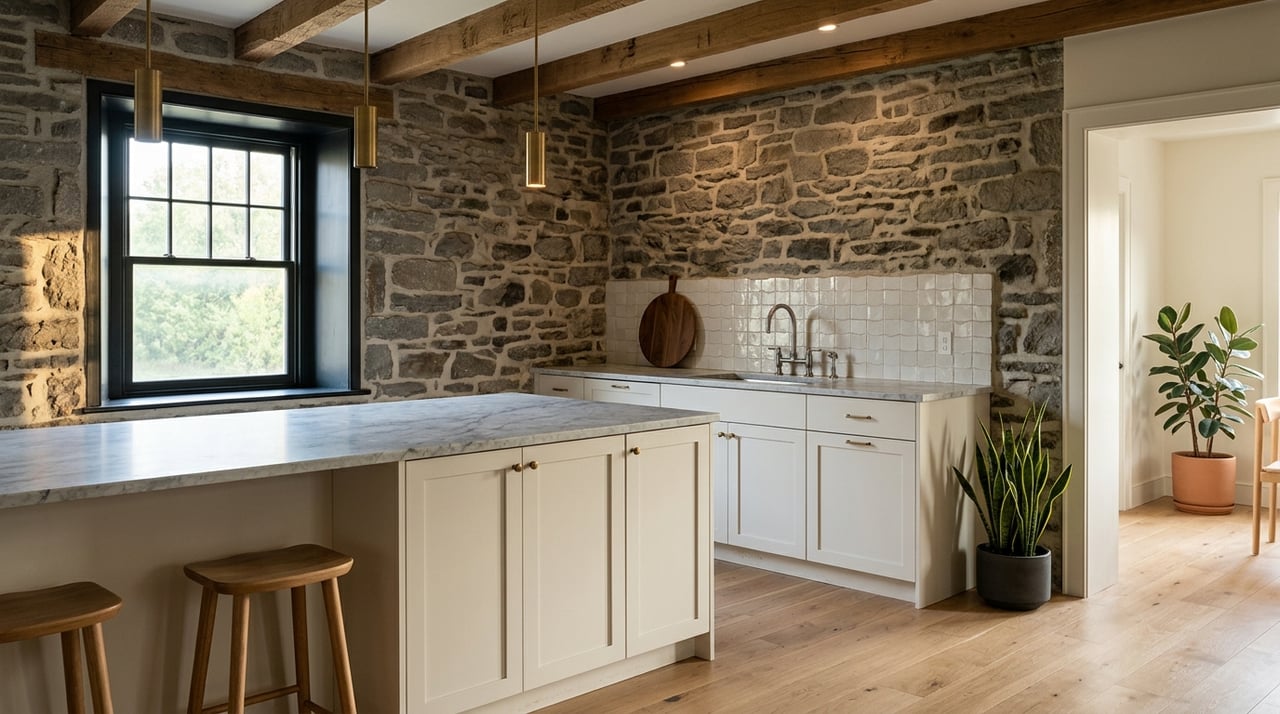
Choosing between a newly built home and a character-filled older property in Doylestown-Buckingham is not just a style decision. It is really a question of how you want to live, what kind of upkeep you are comfortable with, and how much predictability you want in the years ahead. If you are weighing historic charm against modern efficiency in this part of Bucks County, the good news is that both paths can work well for the right buyer. Let’s dive in.
Why this choice feels different here
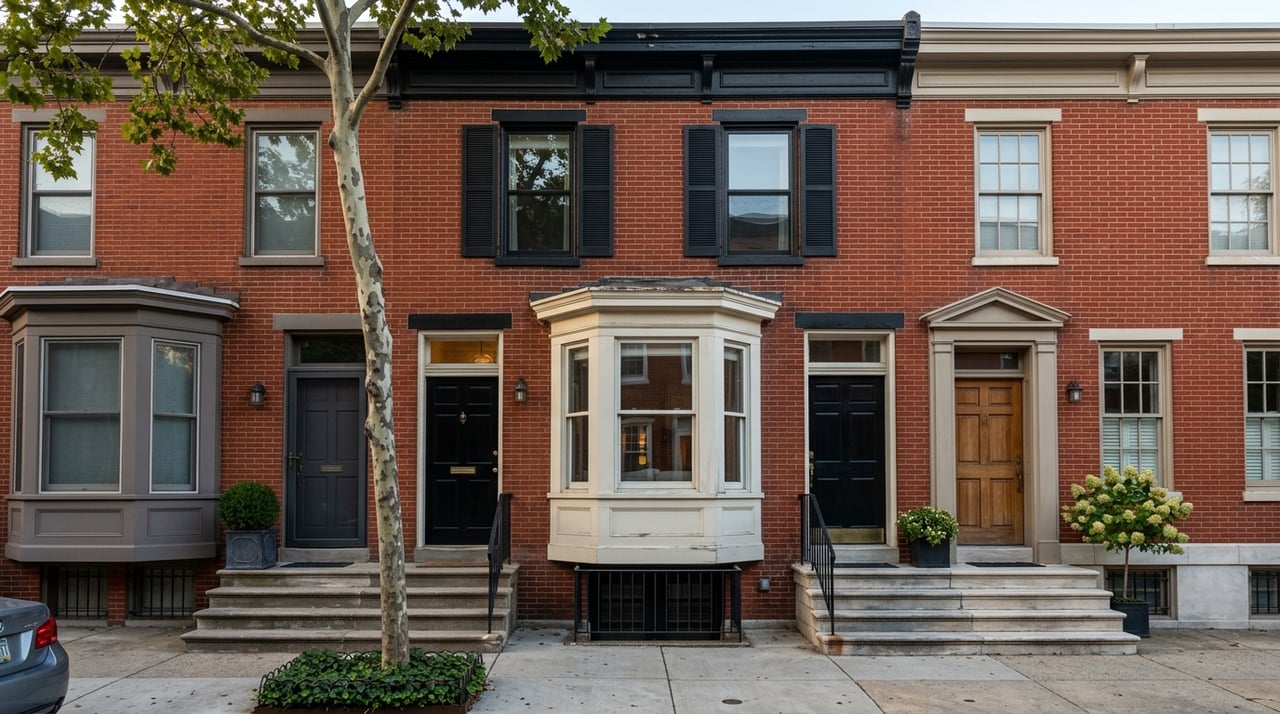
In the Doylestown-Buckingham corridor, the decision carries more meaning than it might in a less preservation-minded market. Doylestown Borough has an official Historic District, and Buckingham Township has a strong preservation culture tied to its scenic and historic character.
That local context shapes what ownership can look like. In simple terms, you are often choosing between a home with a deeper sense of place and one with a more standardized build and maintenance profile.
What historic charm can offer
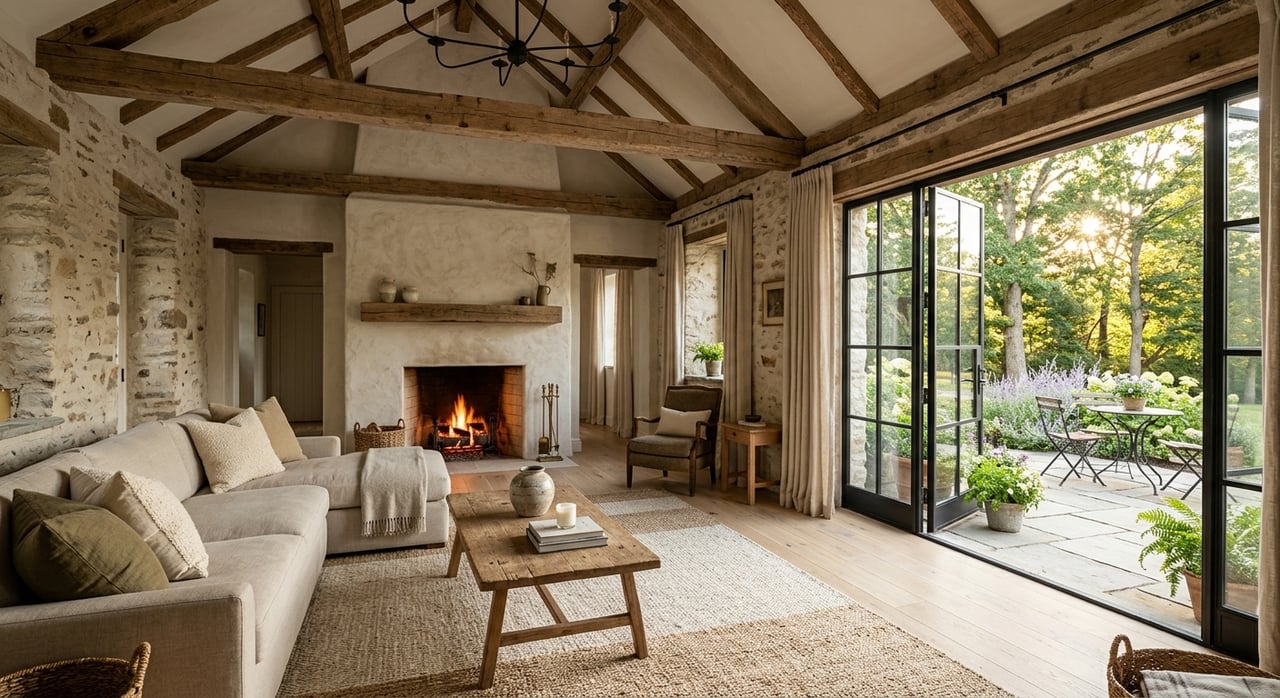
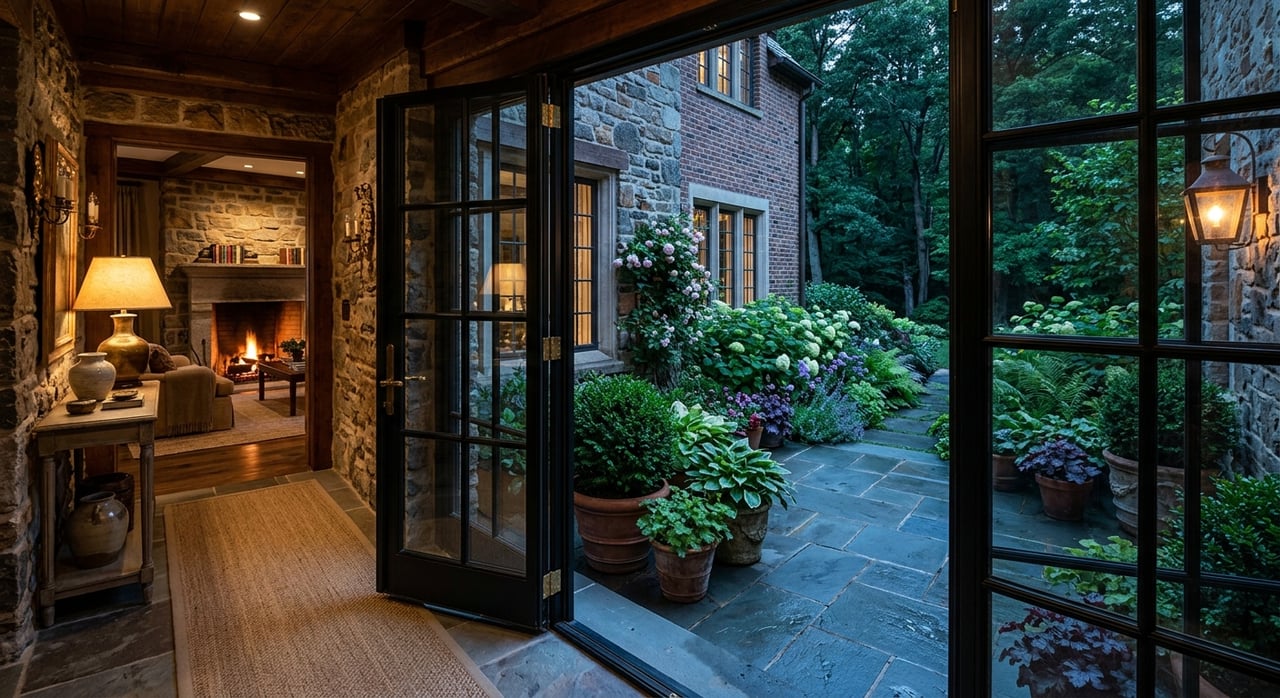
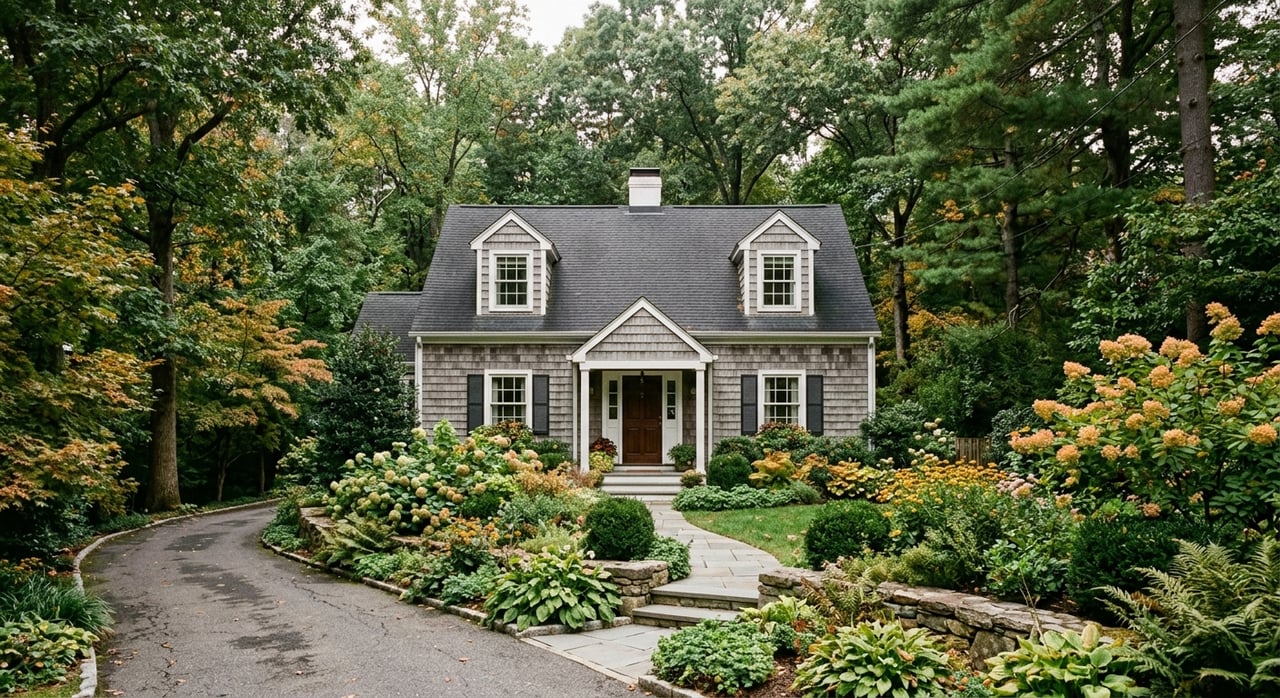
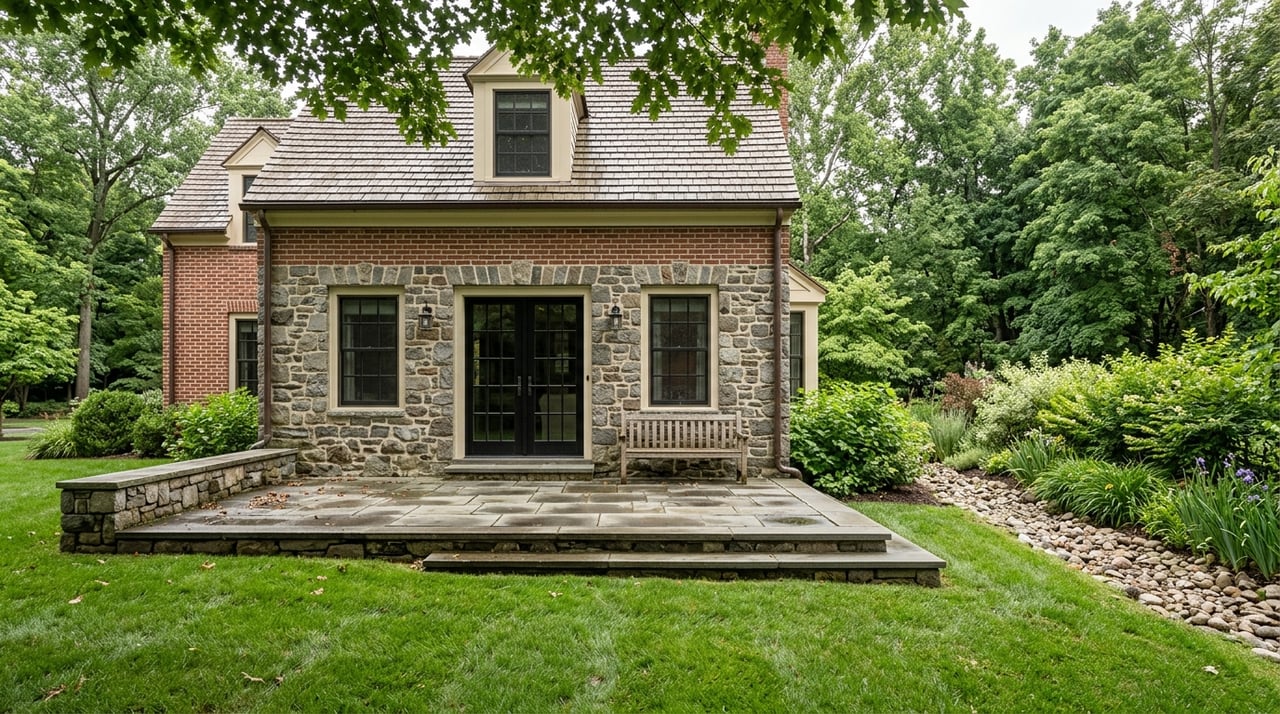
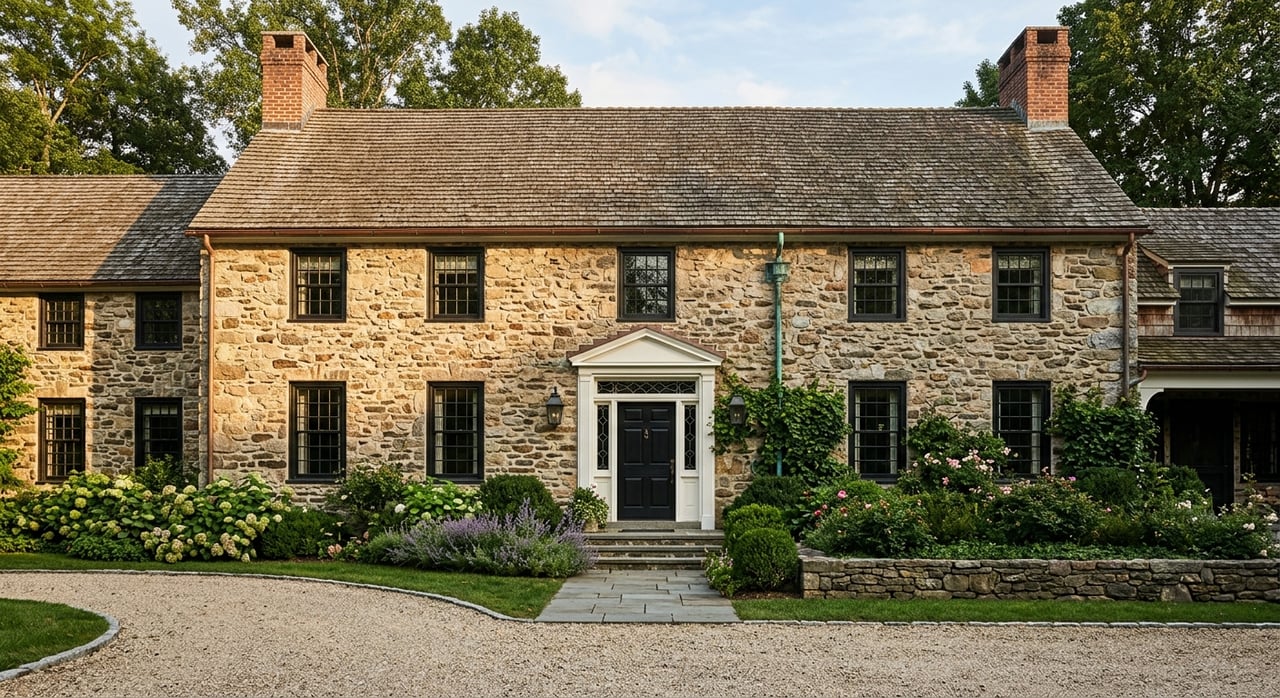
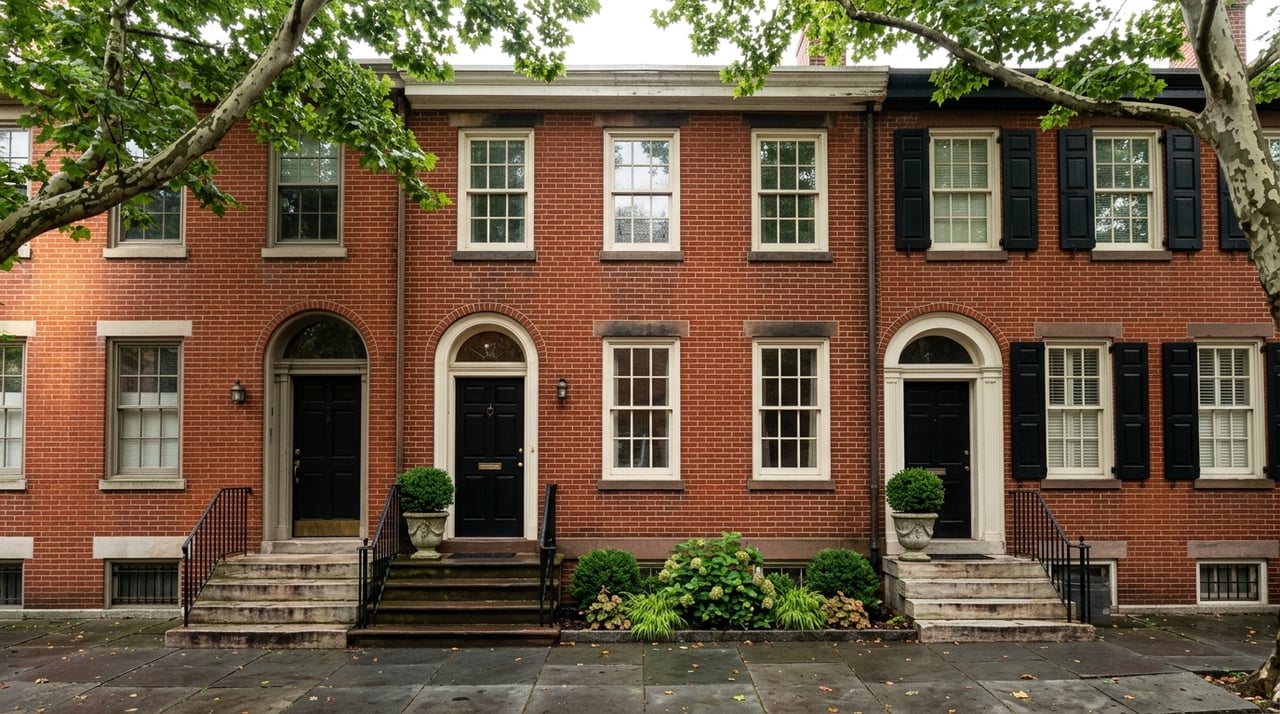
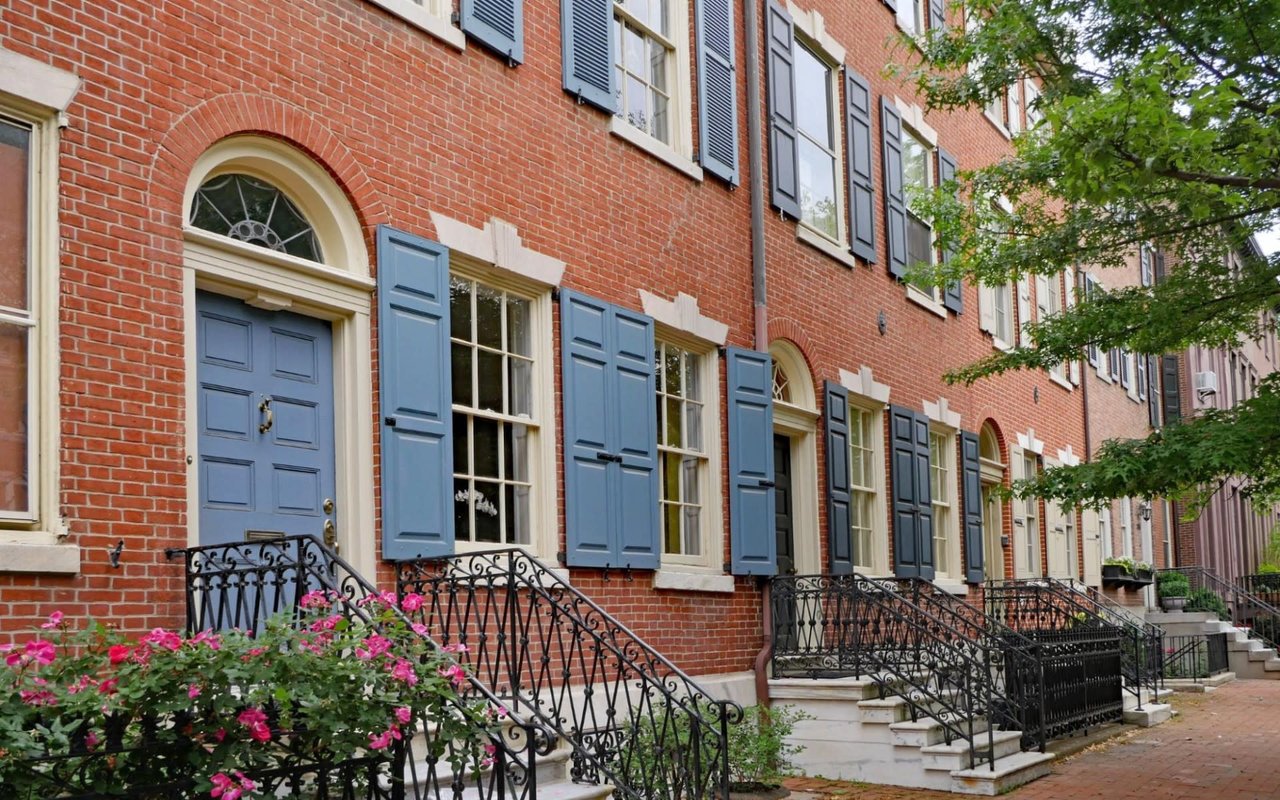
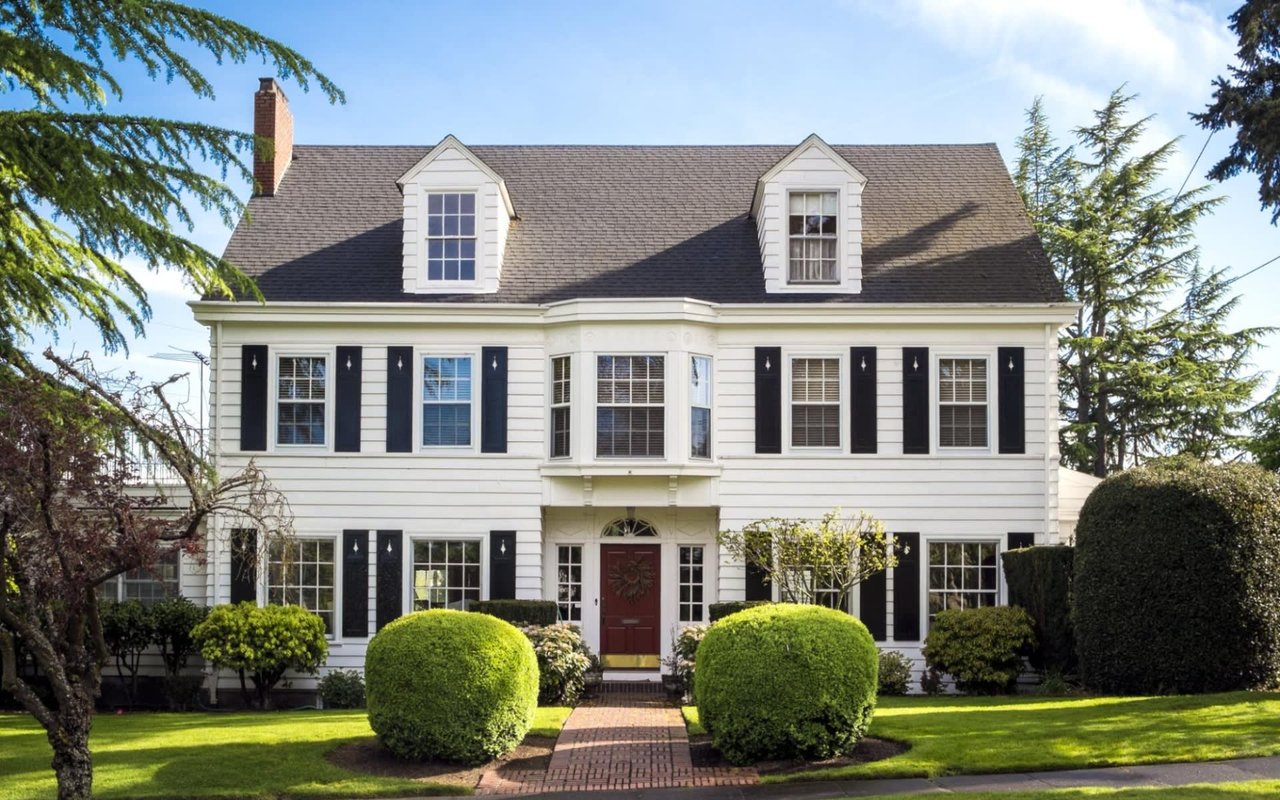
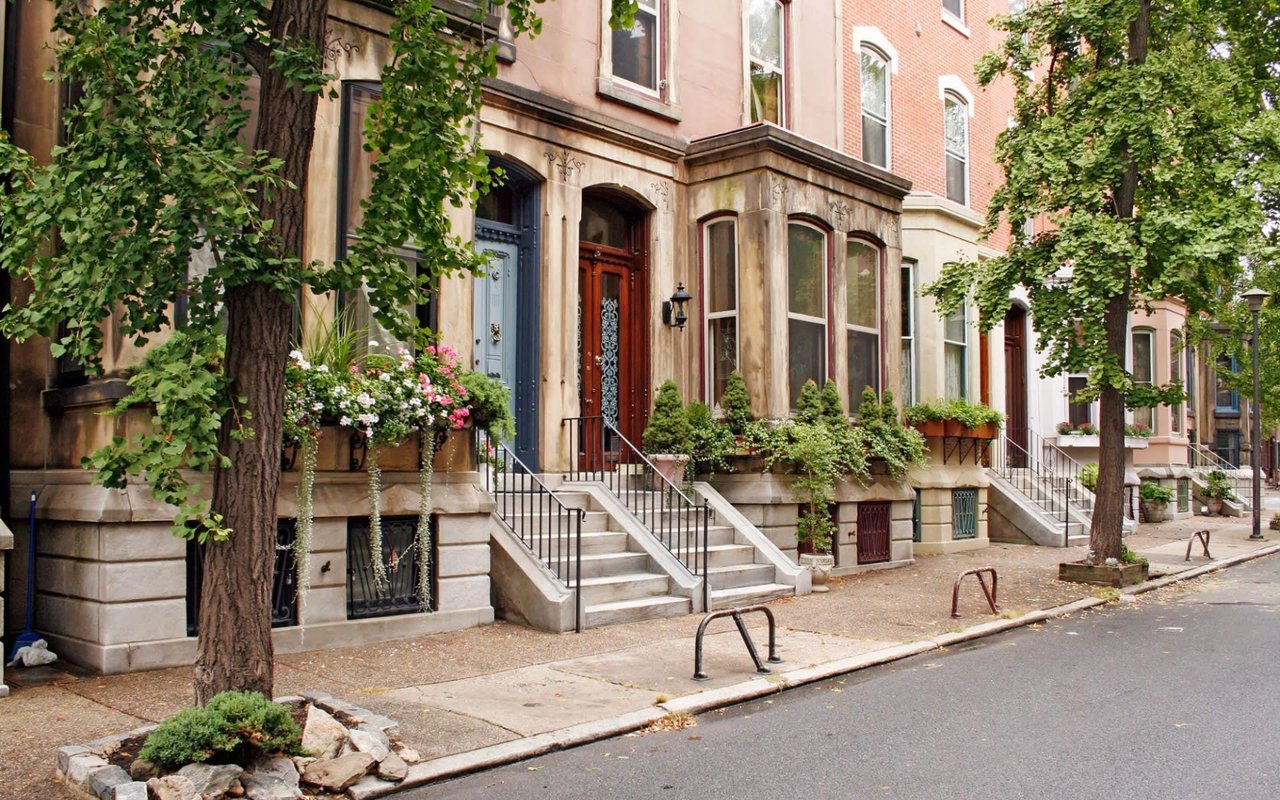
Older homes in and around Doylestown often appeal to buyers who want architecture, texture, and a stronger connection to local history. In a market where preservation is part of the community identity, that appeal can feel especially tangible.
You may find details that are hard to replicate in newer homes. Original materials, established settings, and a lived-in sense of character are often part of the draw. For many buyers, that uniqueness is the point.
Historic homes often feel more rooted
Doylestown Borough’s preservation framework reinforces the value placed on historic character. Buckingham Township also emphasizes the importance of protecting historic buildings and has permanently protected 6,475 acres from development as of 2025.
That does not guarantee value for any individual property, but it does help explain why so many buyers remain drawn to this corridor. If you care about open space, established surroundings, and homes that feel tied to the area’s history, older properties may speak to you more directly.
Exterior changes may need more review
If you buy within Doylestown Borough’s Historic District, exterior work may involve added oversight. The Borough’s Historic and Architectural Review Board reviews exterior building changes, additions, new construction, demolition, and signs.
Interior changes are generally exempt from HARB review, which gives you more flexibility inside the home. The Borough also notes that painting by itself is generally not regulated unless other construction is planned.
For some buyers, that review process feels like a fair trade for preserving neighborhood character. For others, it can feel like a constraint, especially if a major exterior redesign is part of the plan.
What to watch with older homes
Historic charm can be rewarding, but it usually comes with more diligence. Older homes often ask more of you before closing and after move-in.
That does not mean you should avoid them. It simply means you should go in with clear expectations and a careful inspection strategy.
Lead paint deserves attention
If a home was built before 1978, federal lead-disclosure rules usually apply. Buyers must receive any known information before signing, and sellers must allow a 10-day period for a lead-paint inspection or risk assessment.
Older homes are more likely to contain lead-based paint. If you are planning renovations in a pre-1978 home, contractors doing qualifying work must be certified and use lead-safe work practices under EPA renovation rules.
Radon is a real Pennsylvania issue
Radon should be part of your diligence in this region, whether the home is old or new. Pennsylvania DEP says radon enters from the ground through cracks in the foundation, and about 40% of homes tested in Pennsylvania are above the EPA action guideline of 4 pCi/L.
That is a meaningful number. A radon test is often a practical part of the inspection process in this market.
Inspections matter even more with age
A standard home inspection is visual, not technically exhaustive, so it is important to understand both its value and its limits. Common defects identified by inspectors often include drainage, electrical wiring, roof damage, heating systems, poor maintenance, structural issues, plumbing, exteriors, and ventilation.
Age can make heating, electrical, and plumbing issues more common in older homes. If you are considering a historic property, your inspection contingency is one of the clearest ways to reduce uncertainty.
What new construction can offer
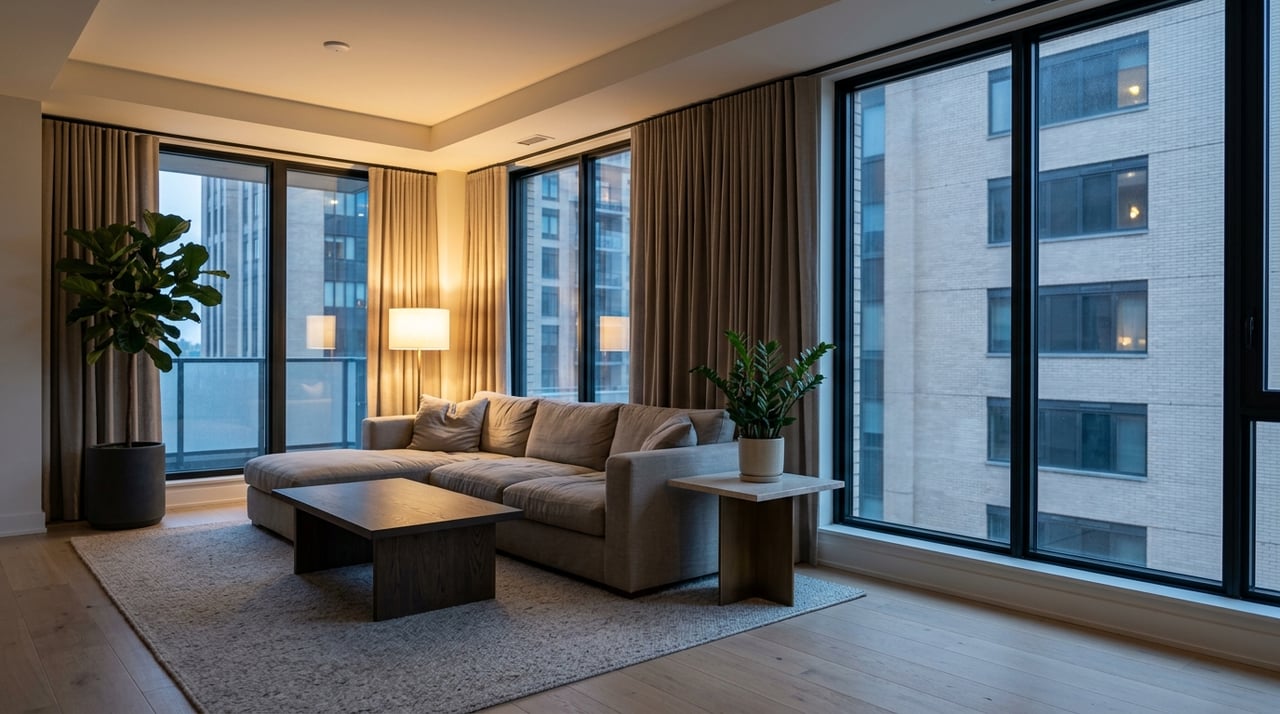
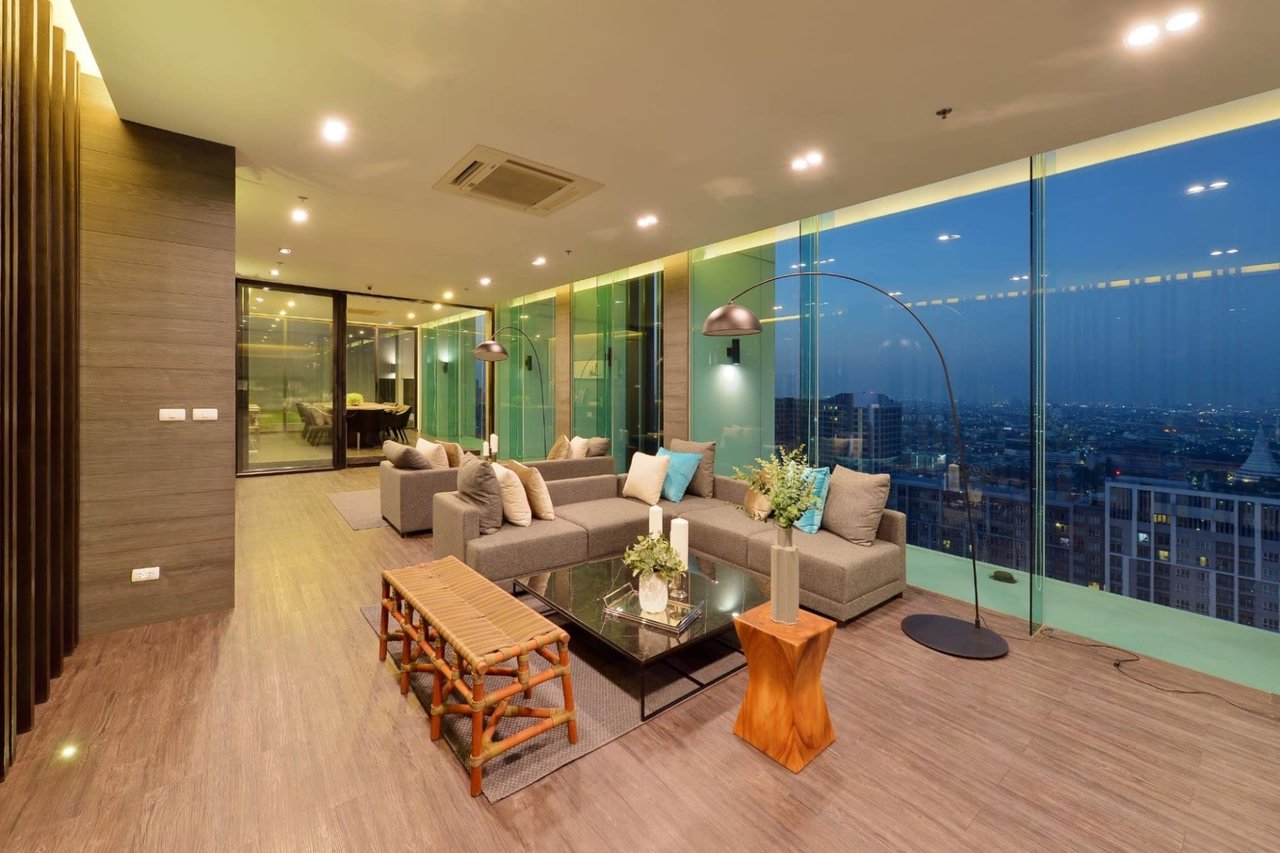
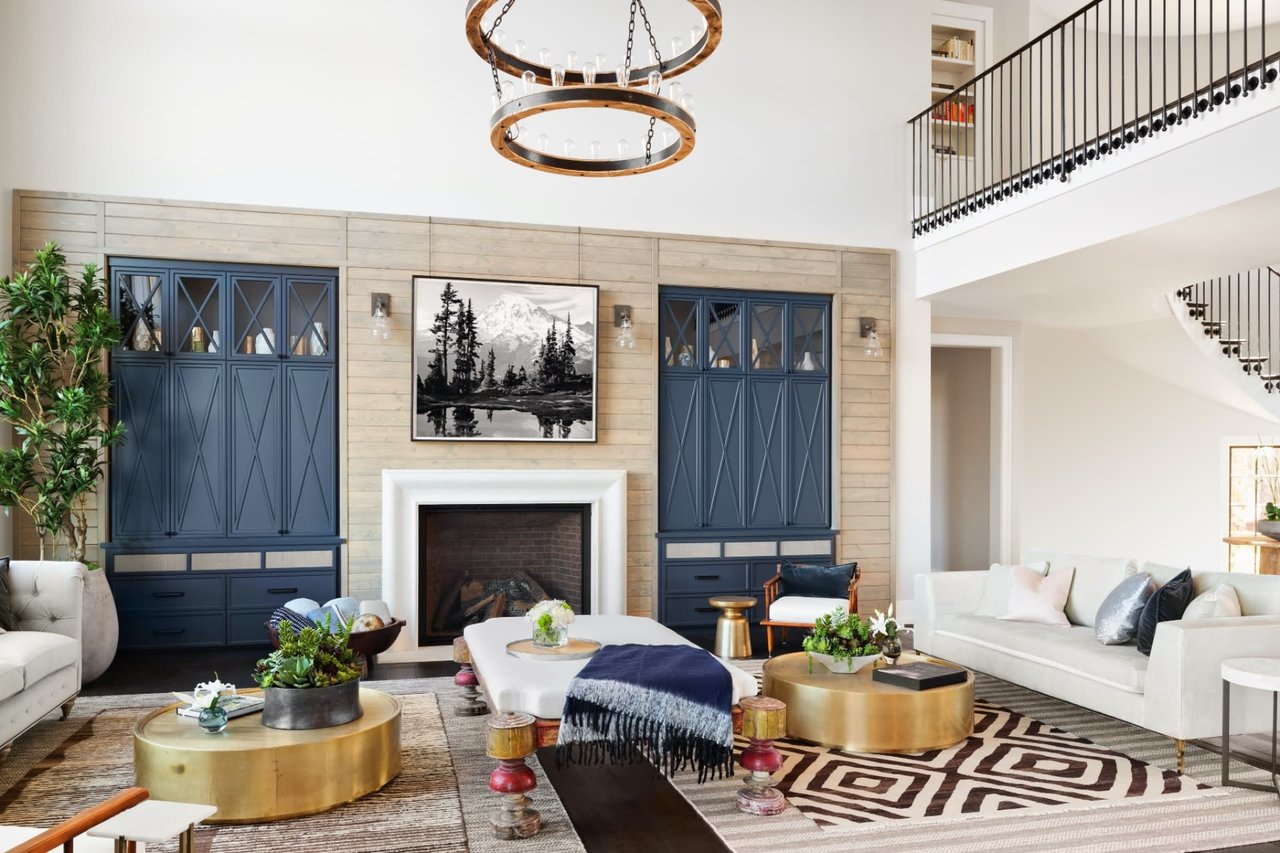
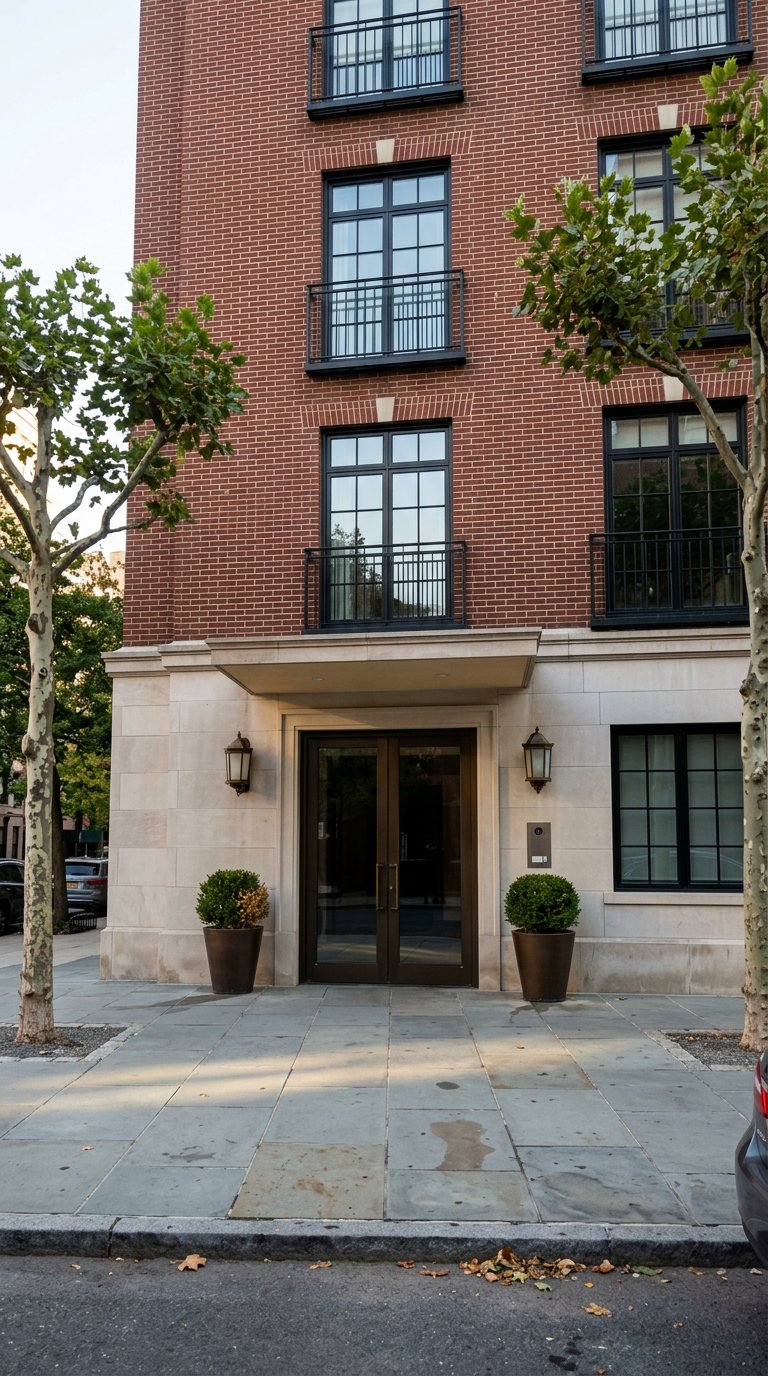
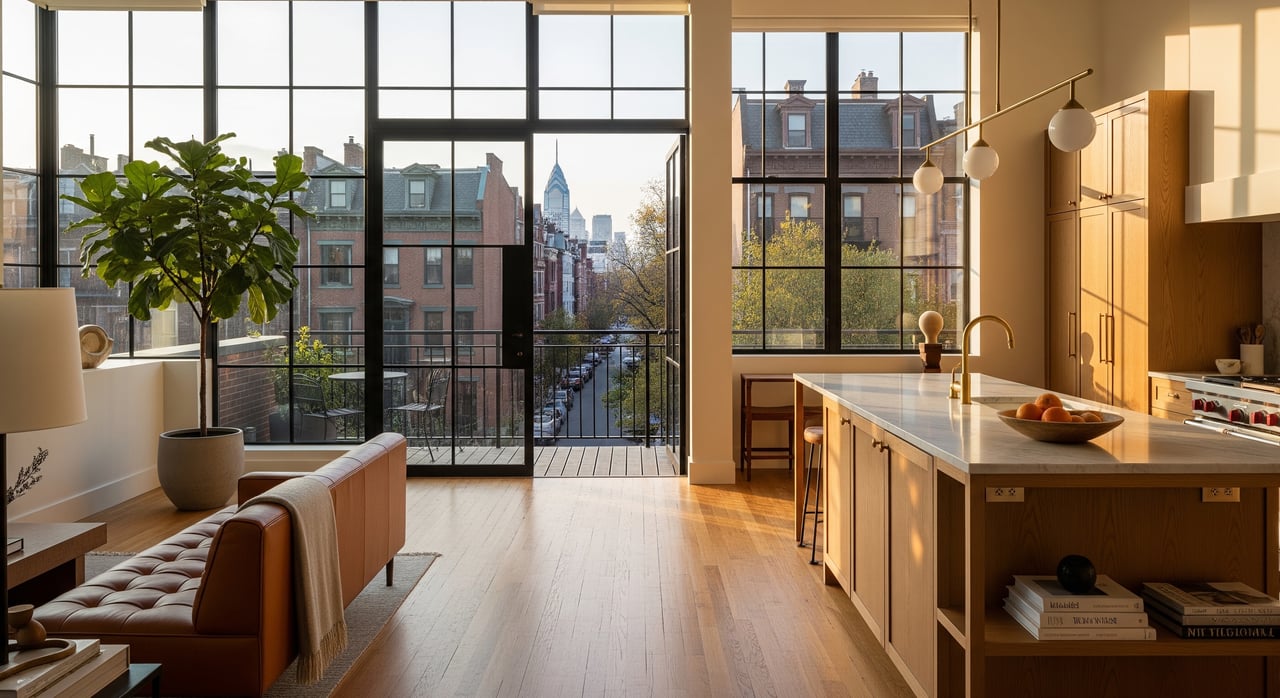
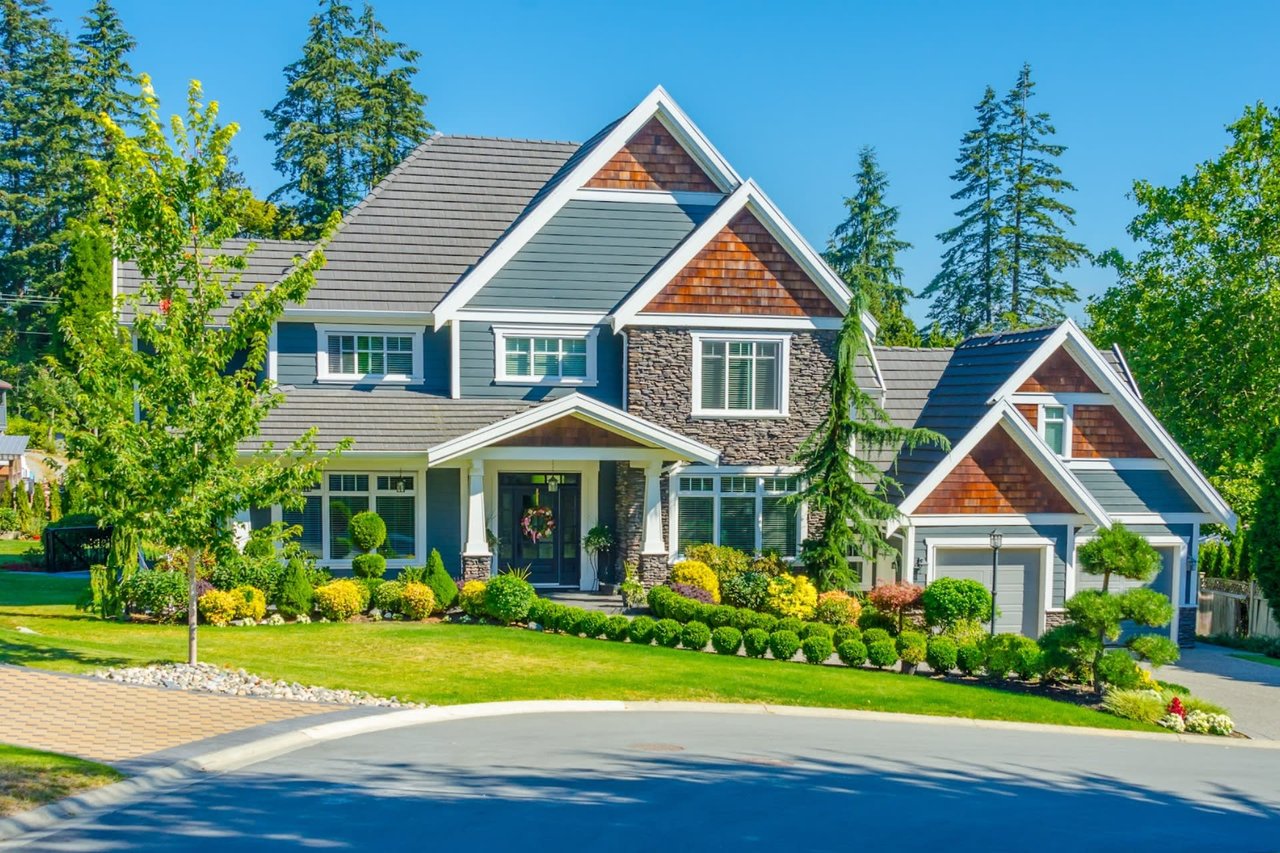
If historic homes ask you to embrace some unpredictability, new construction often offers the opposite. Many buyers are drawn to newer homes because they typically provide better energy performance, more current layouts, and fewer immediate repair surprises.
That can be especially appealing if you want a simpler move, lower near-term maintenance, or a floor plan that better matches how people live today. In this part of Bucks County, the approval process also reflects that focus on systems, performance, and site planning.
Efficiency is a major advantage
New construction often provides the cleanest path to stronger energy performance. ENERGY STAR says qualifying new homes must meet strict efficiency requirements, and the U.S. Department of Energy’s Efficient New Homes program is built around energy savings, comfort, health, and durability.
In practice, that can translate into a home that feels more consistent and easier to maintain. It can also mean newer windows, tighter building envelopes, and more up-to-date mechanical systems.
Local approvals are detailed
In Buckingham Township, the new-home checklist requires items such as REScheck documentation, HVAC Manual J load calculations, window and door U-factors of 0.35 or less, duct layouts, and other specification sheets before a certificate of occupancy is issued.
Doylestown Township’s new-home guidelines also show how much site work matters. Depending on the property, grading permits, stormwater documentation, a signed stormwater maintenance agreement, and driveway or highway-occupancy approvals can all be part of the path to occupancy.
This does not make new construction effortless, but it does show that many performance and site issues are addressed in a structured way during the build process.
Site work matters as much as the house
A new home is not just a floor plan and finishes. Stormwater design, grading, drainage, and access can affect how the property functions long after move-in.
Buckingham Township specifically notes that stormwater facilities must be designed, constructed, maintained, and operated properly. For buyers comparing old and new, this is one reason a newer home may feel more predictable from a systems standpoint.
Why inspections still matter for new homes
A brand-new house can feel turnkey, but that does not mean you should skip due diligence. Even in new construction, inspections can reveal builder oversights and maintenance items.
ASHI notes that an inspection covers readily accessible systems and components. That means an inspection is still an important checkpoint, even when everything looks fresh and finished.
A simple decision framework
In Doylestown-Buckingham, this choice is usually less about which option is objectively better and more about which set of tradeoffs fits you best. Both can be smart purchases. They simply solve different problems.
If you are deciding between the two, start with your tolerance for maintenance, your renovation appetite, and the kind of ownership experience you want day to day.
Historic charm may fit you if you want:
- Distinct architecture and original character
- A stronger sense of local history and place
- Established settings and preservation-minded surroundings
- Flexibility inside the home, with more caution around exterior changes
- A home you are willing to maintain more actively
New construction may fit you if you want:
- Modern layouts and current systems
- A more predictable maintenance profile
- Better energy efficiency potential
- A more standardized approval and build process
- Fewer near-term repair surprises after closing
Resale depends on buyer fit
When clients ask which type of home has better resale potential, the most honest answer is often buyer fit. Historic homes tend to attract buyers who value character and are comfortable with added upkeep, radon or lead diligence, and possible exterior-review constraints.
Newer homes tend to attract buyers who prioritize efficiency, modern planning, and lower immediate repair risk. In other words, each property type has a strong audience in this market, but not always the same audience.
Buckingham Township’s broader preservation approach may also support long-term appeal for established areas because development has been intentionally limited across large stretches of land. That does not remove property-specific risk, but it helps explain the staying power of the corridor’s character.
One local point buyers should know
In Buckingham Township, the township says it does not currently require new use-and-occupancy permits or township inspections when an existing home is resold. That makes your own inspection contingency especially important on the buy side.
For buyers of older homes, that is worth remembering. Your diligence is often your clearest protection.
The bottom line
If you are drawn to historic charm in Doylestown or Buckingham, you are likely buying into architecture, local identity, and a home that feels one of a kind. If you choose new construction, you are usually prioritizing efficiency, layout, and a more predictable ownership experience.
Neither path is inherently better. The right choice depends on how you balance character, control, maintenance, and peace of mind.
If you are weighing a historic property against new construction in the Doylestown-Buckingham corridor, Douglas Pearson offers discreet, owner-level guidance to help you evaluate the tradeoffs and move with confidence.
FAQs
What should buyers know about Doylestown historic district rules?
- In Doylestown Borough’s Historic District, exterior changes, additions, new construction, demolition, and signs may require review by the Historic and Architectural Review Board, while interior changes are generally exempt.
What are the main risks of buying an older home in Doylestown-Buckingham?
- Older homes may require more diligence around lead-based paint, radon, aging systems, drainage, roofing, electrical, plumbing, and general maintenance, so a strong inspection strategy is important.
What are the benefits of new construction in Buckingham or Doylestown Township?
- New construction often offers better energy-efficiency potential, newer systems, more current layouts, and a more predictable maintenance profile, with structured local approval requirements tied to performance and site work.
Do buyers still need a home inspection on new construction in Bucks County?
- Yes. Even a brand-new home can have builder oversights or maintenance concerns, and an inspection remains an important check before closing.
Is radon testing important for homes in Pennsylvania?
- Yes. Pennsylvania DEP says about 40% of homes tested in the state are above the EPA action guideline of 4 pCi/L, so radon testing is a practical step for many buyers.
Does Buckingham Township inspect existing homes at resale?
- Buckingham Township says it does not currently require new use-and-occupancy permits or township inspections when an existing home is resold, which makes the buyer’s own inspection contingency especially important.