Do you picture a quiet morning by a leafy park or the energy of curtain-call nights at your doorstep? If you are choosing between living on the Avenue of the Arts in 19107 and living around Rittenhouse Square, you are really deciding between two very different Center City lifestyles. Both offer walkability, culture, and access, but the daily rhythm and housing mix feel distinct. In this guide, you will compare neighborhood feel, housing types, price signals, transit, and who each area fits best. Let’s dive in.
Quick take: two lifestyles
- Rittenhouse centers on a premier green space with elegant, residential side streets and boutique retail. You get park access, a café culture, and a deeper pool of full‑service luxury buildings.
- The Avenue of the Arts is Philadelphia’s performing‑arts spine. You live near major venues and an active event calendar, with a wide range of smaller condos and evolving public spaces.
Rittenhouse lifestyle and vibe
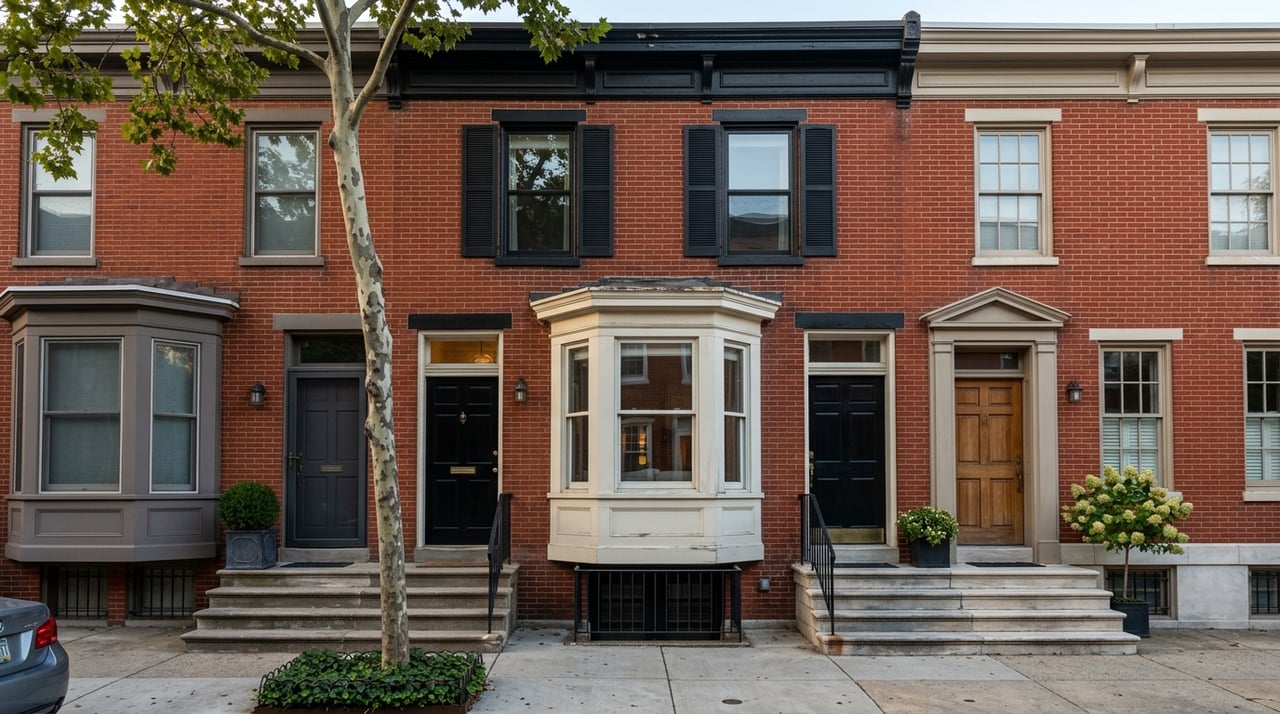
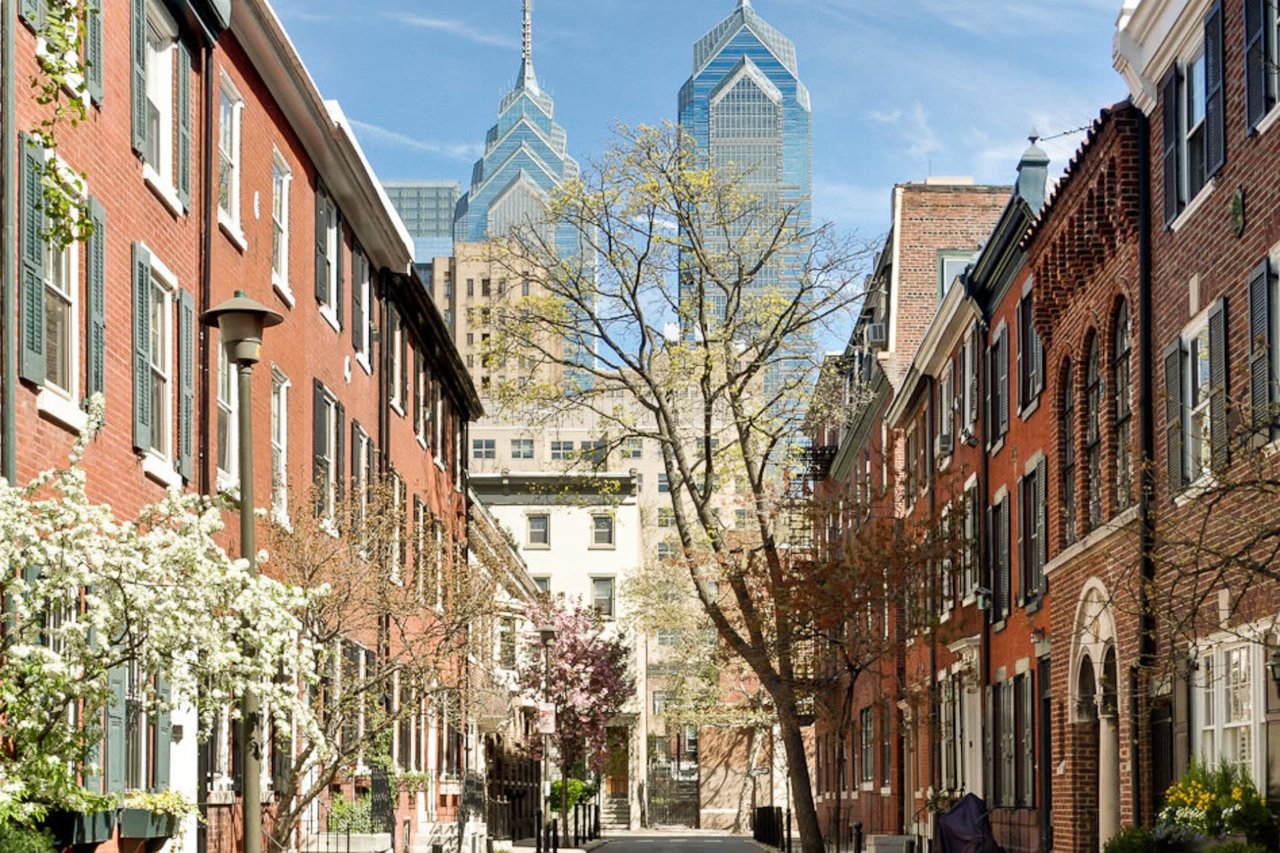
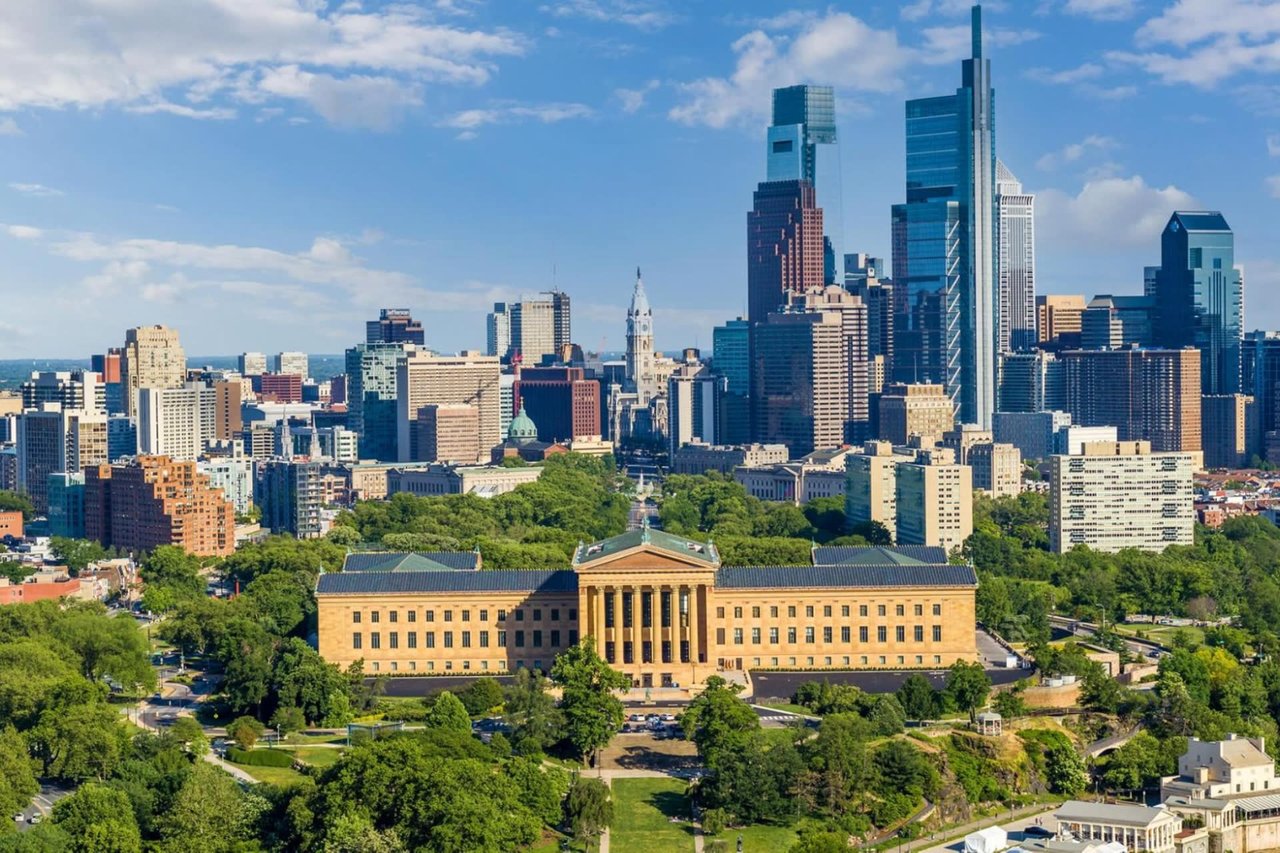
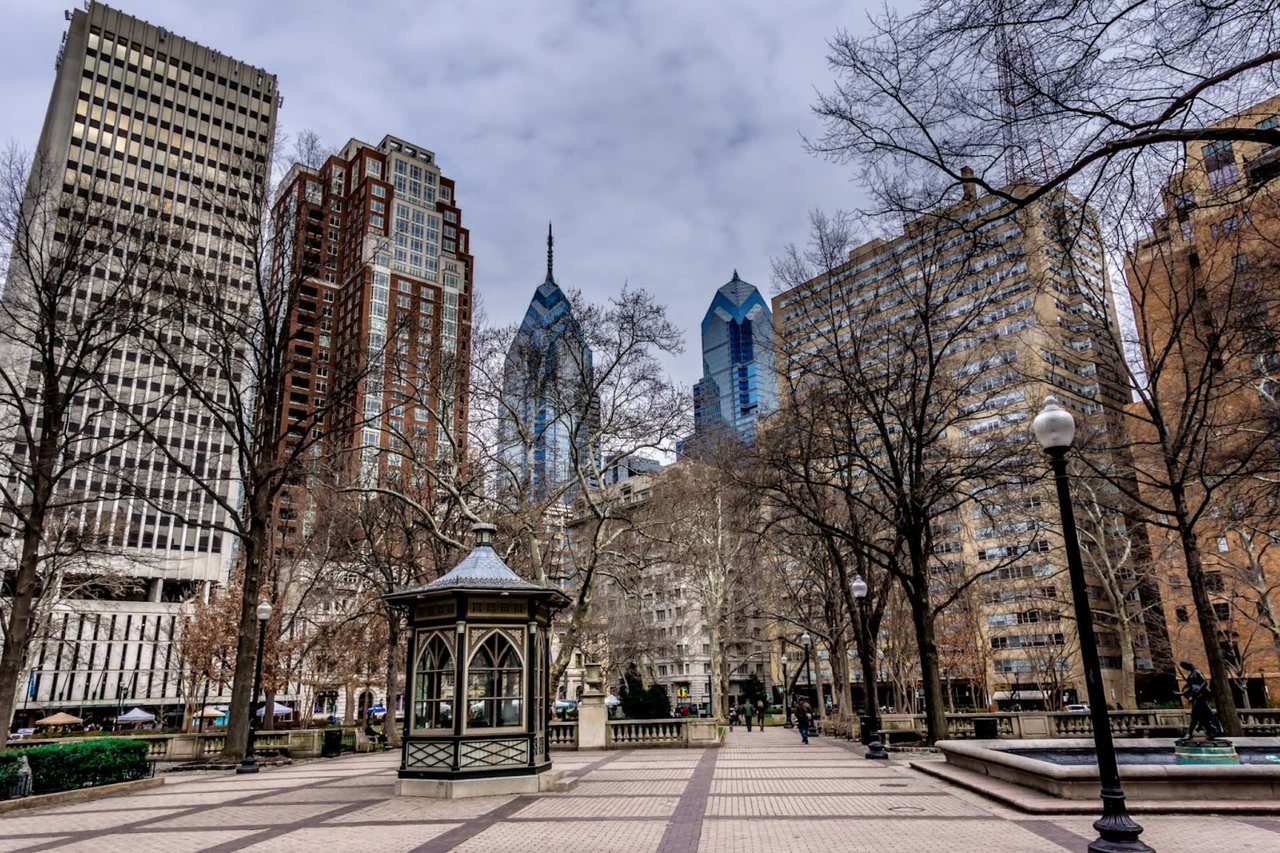
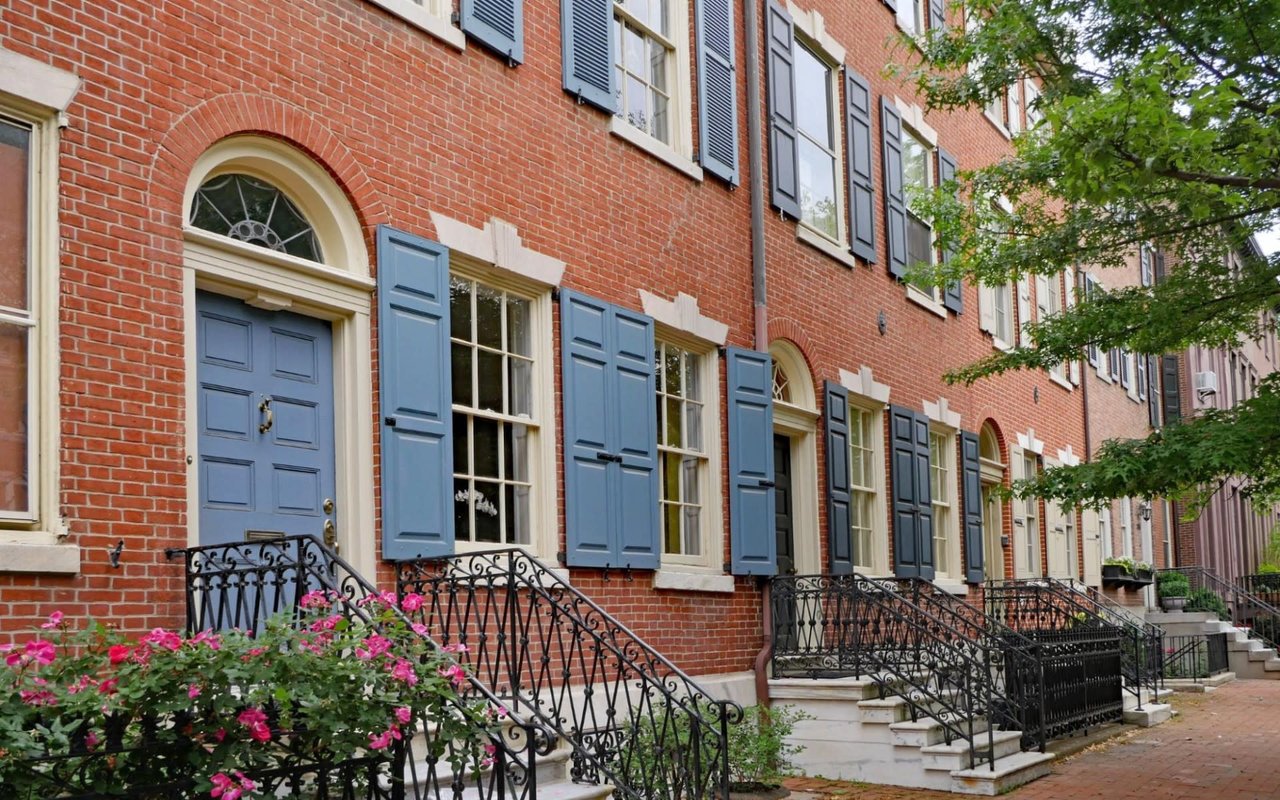
Rittenhouse is organized around the historic and beloved Rittenhouse Square Park. The surrounding blocks offer tree‑lined streets, outdoor cafés, and upscale shops, which create a refined, residential atmosphere. The neighborhood’s rhythm is consistent and calm on side streets, with park life at the center.
Market context matters when you compare neighborhoods. Rittenhouse carried a median listing price near 649,000 dollars and a median list price around 508 dollars per square foot in December 2025, according to Realtor.com’s neighborhood page. Those are area‑level figures meant for orientation, and new luxury towers trade above those medians. For any purchase, compare closed sales in the same building and on nearby floors.
For culture, Rittenhouse gives you balance. You can enjoy local events and festivals within the neighborhood while still being a short walk to the city’s main performance venues. Visit Philadelphia’s neighborhood overview highlights this blend of park life, dining, and easy access to museums and the Parkway.
Avenue of the Arts lifestyle
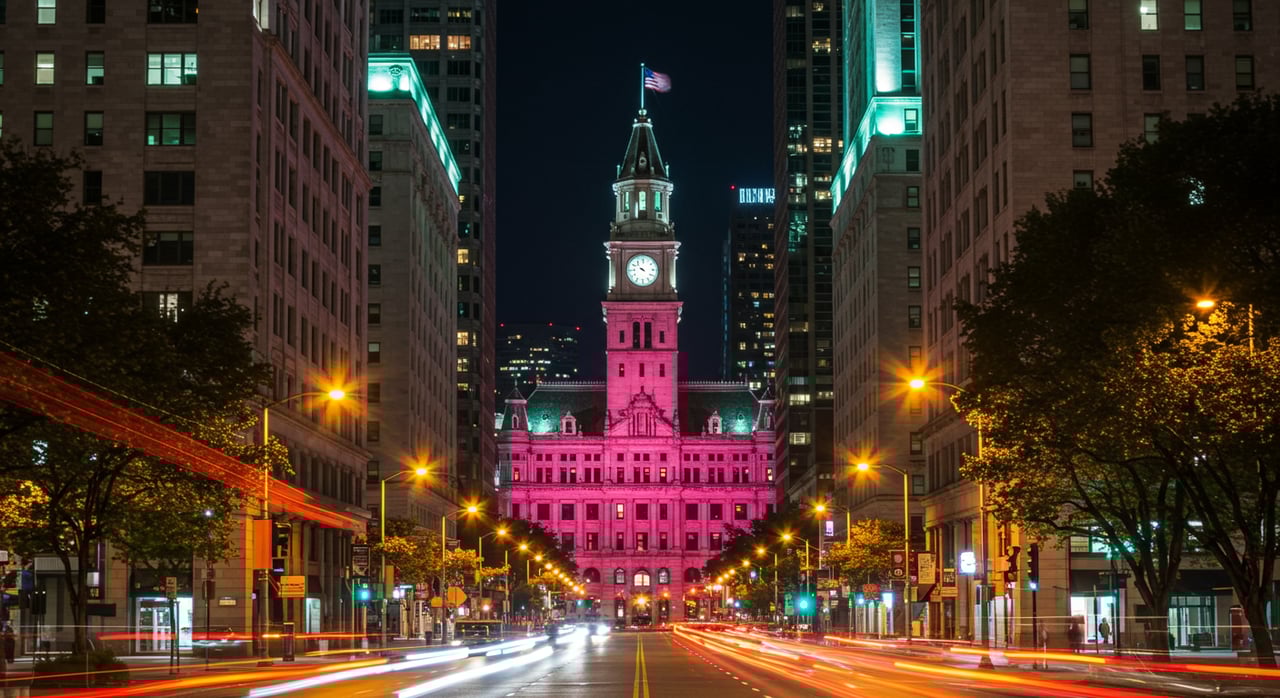
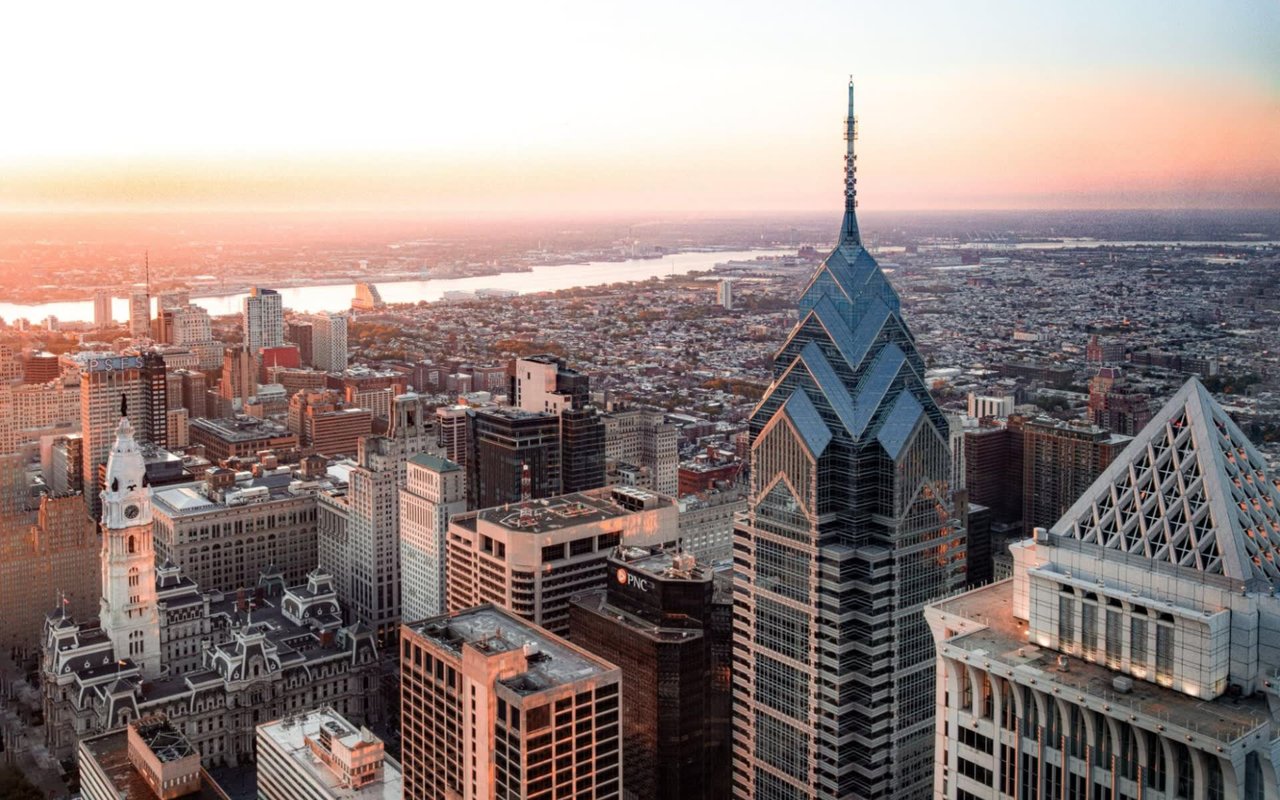
The Avenue of the Arts runs along South Broad Street from City Hall to Washington Avenue. It is a designated arts corridor with a strong cultural identity rather than a single residential neighborhood. The draw is proximity to the Kimmel Center, Academy of Music, and other venues, all part of a walkable performing‑arts concentration.
Living here places you in the flow of theater nights and touring performances. That can mean livelier sidewalks before and after shows. It also means an arts calendar at your doorstep, which appeals if you want instant access. The corridor is evolving too. The city has launched AveArts 2.0, a public‑realm redesign that will add medians, plantings, seating, and activation spaces along South Broad. Axios reports that the redesign is a multi‑phase, long‑term investment that should improve pedestrian comfort and outdoor dining.
Culture and daily access
- Avenue of the Arts: You are steps from the Kimmel Center and Academy of Music. If you want to plan your week around symphony, ballet, or Broadway touring shows, this location is compelling.
- Rittenhouse: You live a few blocks west of Broad Street. You still reach performances on foot, but you also get the daily benefits of a premier park, boutique retail, and local festivals highlighted by Visit Philadelphia.
In short, the Avenue places you inside the cultural action and event flow. Rittenhouse pairs park serenity with easy arts access one or two avenues away.
Housing types and amenities
Rittenhouse condos and services
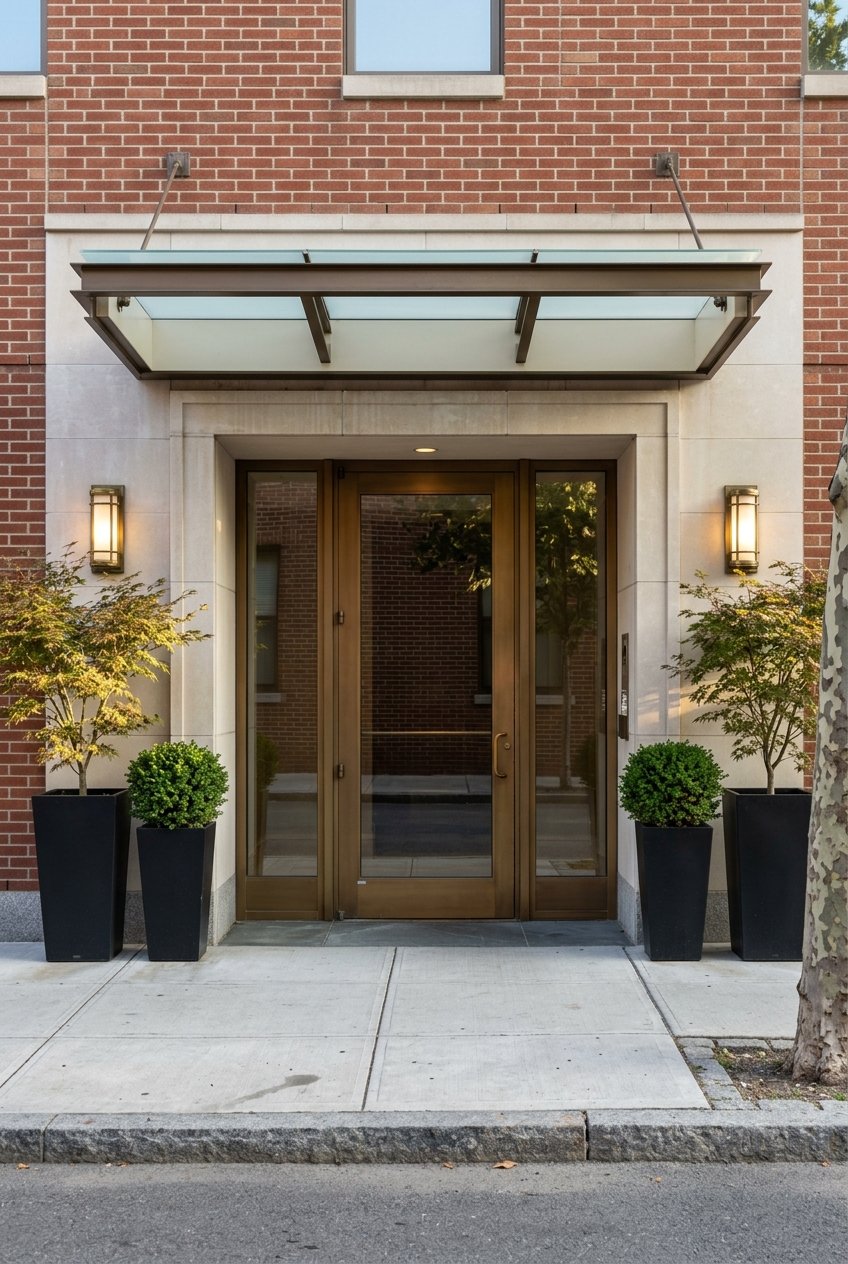
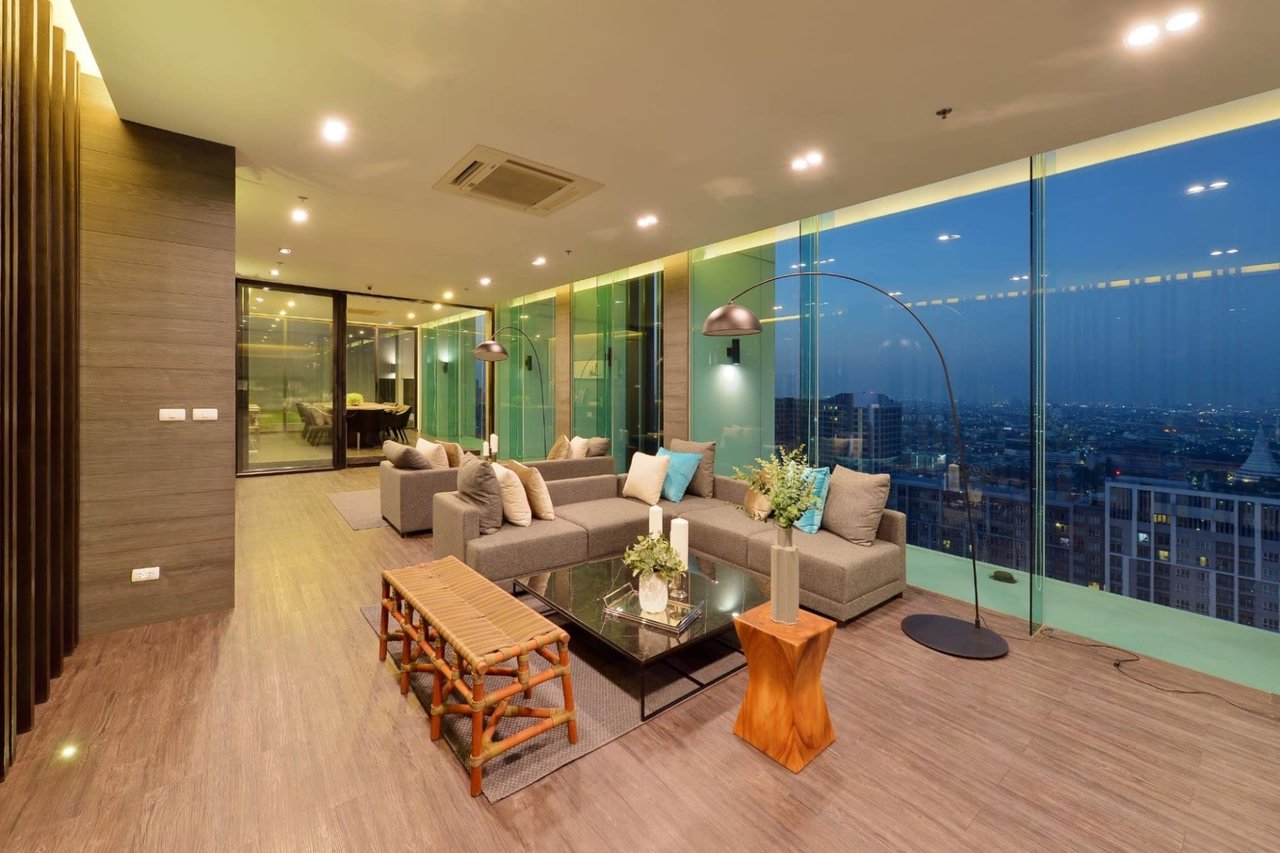
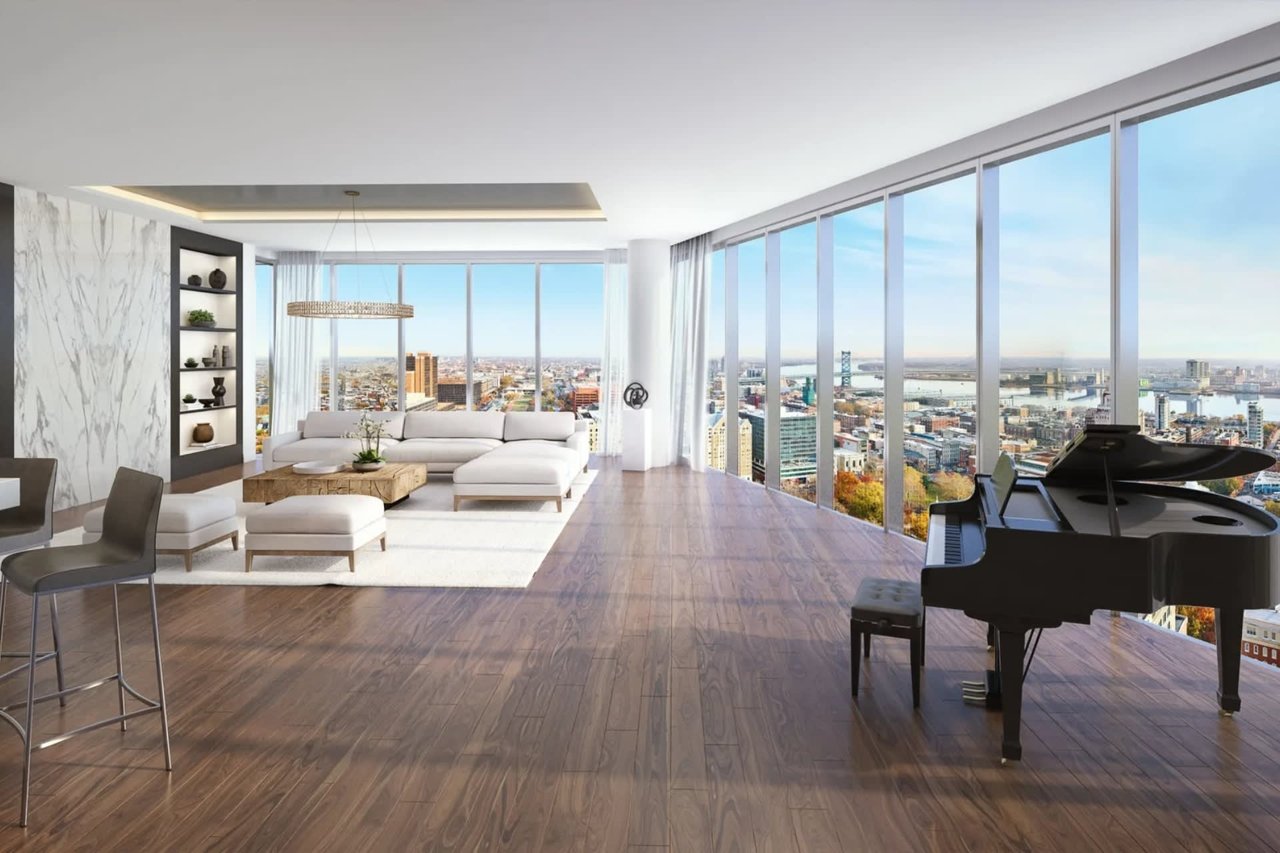
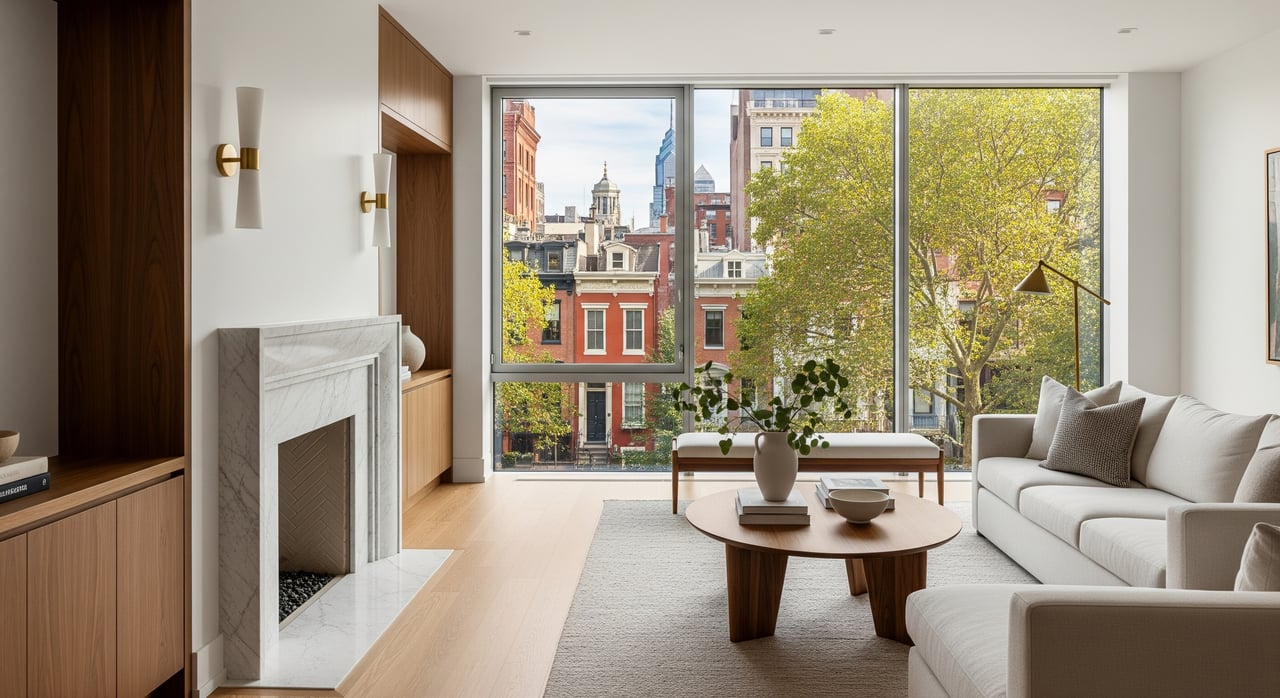
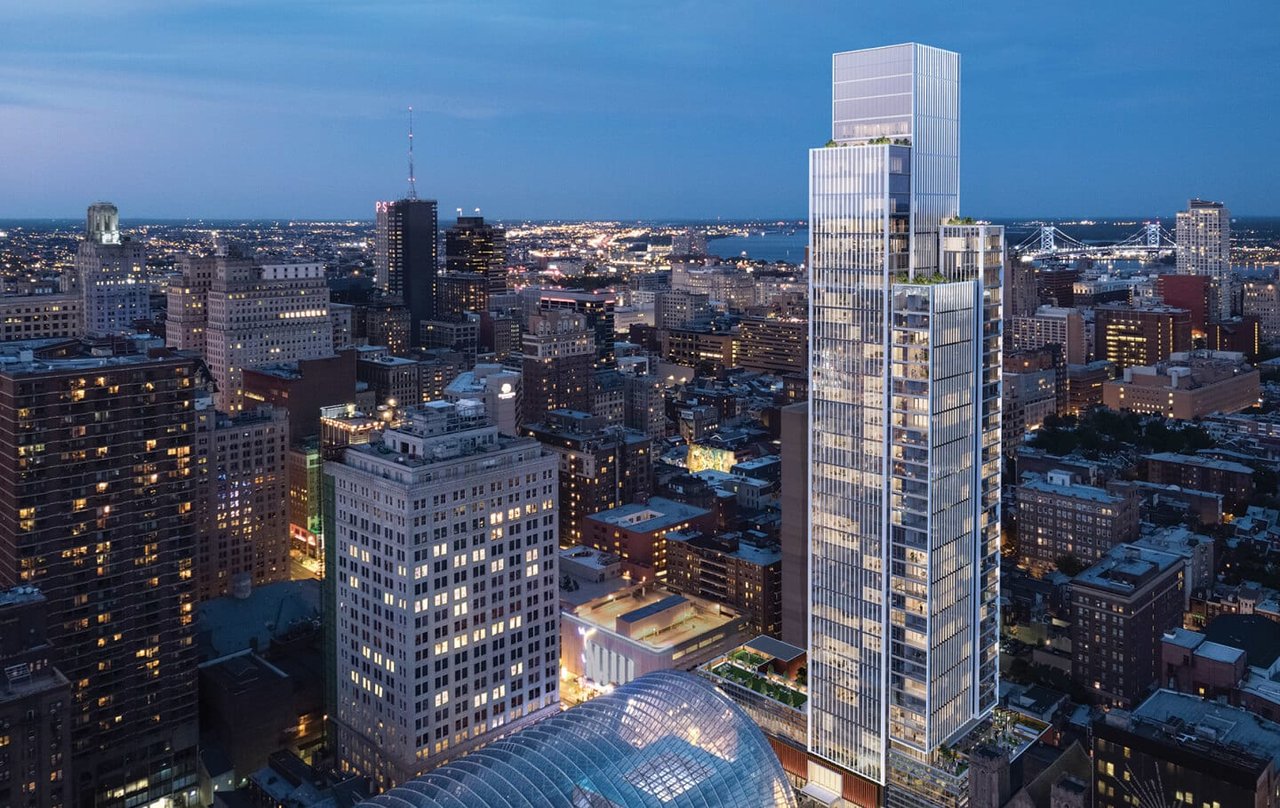
Rittenhouse offers depth in full‑service buildings. Product types range from prewar and mid‑century towers to new luxury high‑rises with concierge‑level amenities. Services often include 24‑hour staff, fitness centers, and on‑site or valet parking. The newest towers add spa areas, elevated fitness offerings, and premium finishes. Reporting on major projects such as The Laurel in the Philadelphia Inquirer underscores this high‑amenity model and a buyer base that values prestige and convenience.
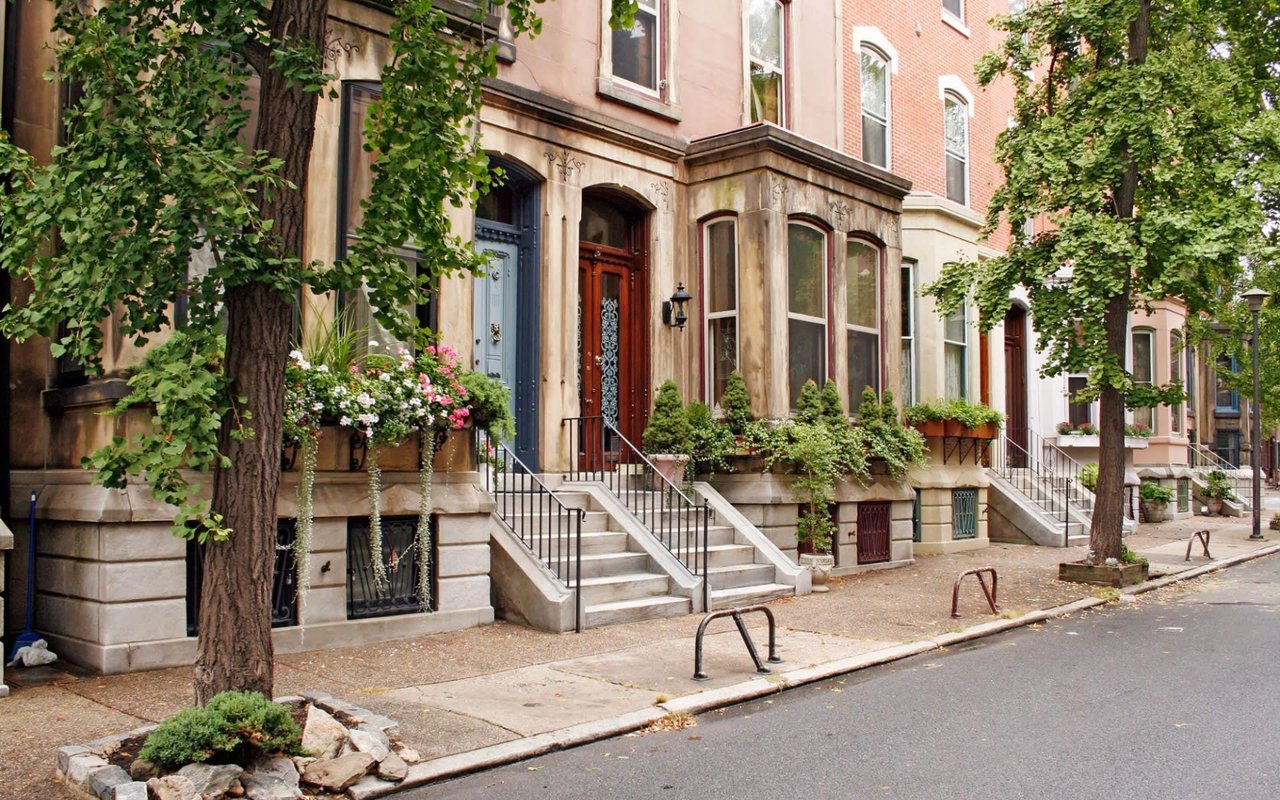
You will also find historic brownstones and side‑street townhomes. Unit sizes here tend to run larger on average than many Avenue‑area studios. If you want a two‑ or three‑bedroom with services, Rittenhouse usually has more options at the top end.
Avenue of the Arts and nearby 19107
On and near South Broad, you see a wider spread. Older mid‑century buildings and arts‑oriented conversions in 19107 include many studios and one‑bedrooms, such as the Arts Condominium at 1324 Locust. Amenities in older stacks are practical rather than lavish. You might have a front desk, fitness room, and included utilities. Parking is often leased off‑site.
There are also newer towers within a few blocks that bring upgraded amenities, but they are fewer in number compared with Rittenhouse’s lineup. If your goal is an in‑town pied‑à‑terre within feet of venues, the Avenue offers entry points at lower total prices. If you want valet parking, resort‑style amenities, and larger floor plans, you will likely find more selection around the Square.
Prices and value signals
Rittenhouse shows stronger price‑per‑square‑foot figures at the neighborhood level. Realtor.com’s December 2025 snapshot put Rittenhouse around 508 dollars per square foot on median listing basis, with a median listing price near 649,000 dollars. By contrast, 19107 and labeled Avenue‑of‑the‑Arts subareas show lower medians and a wider spread in listing data for the same period. Entry‑level studios near theaters can list at notably lower total prices, while Rittenhouse’s new luxury inventory reaches into the multi‑million range.
A few practical notes as you compare:
- Use closed sales from the past 3 to 12 months within the same building and stack for accuracy. Listing and sold figures can diverge in a shifting market.
- Clarify the provider’s boundary. Definitions of “Rittenhouse,” “19107,” and “Avenue of the Arts” vary across data sites, which changes medians.
- Price per square foot moves with floor height, view, parking rights, renovation level, and amenity package. Compare like with like.
Walkability, transit, and parking
Walkability is excellent in both locations. Rittenhouse scores as a “Walker’s Paradise,” with high transit and bike scores as well, according to Walk Score. Daily errands often happen on foot.
Transit access favors the Avenue if you want a front‑door subway. Walnut–Locust on the Broad Street Line sits directly on South Broad and ties into the Center City concourse, PATCO, and Regional Rail. Rittenhouse is within a short walk of the same network, so both areas are very well served.
Parking differs by building. Full‑service Rittenhouse towers are more likely to offer deeded or reserved garage parking, often at a premium. Many older 19107 buildings have limited on‑site parking, with residents using nearby garages or car‑sharing. Always verify whether parking is deeded, leased, or waitlisted for a specific unit.
Who each area fits best
- Choose Rittenhouse if you want immediate park access, a consistent residential street experience, and a deeper pool of full‑service luxury buildings. If you value larger floor plans and on‑site services, this area should be on your list.
- Choose the Avenue of the Arts if you want to be steps from venues and in the flow of the city’s cultural calendar. If you prefer a smaller in‑town residence or an entry‑price studio near theaters, the Avenue and nearby 19107 blocks can be a strong fit.
Either way, clarify your daily routine. How much space do you need? Do you want a staffed building? How do you feel about event‑night energy versus park‑front calm? Your answers will point you to the right address.
Touring checklist for smart comparisons
Use this quick list as you preview buildings and units:
- Unit size and layout: Compare square footage, not just bedroom count. Rittenhouse units often run larger; Avenue units skew smaller.
- Amenity level: Identify what the HOA includes. Full concierge, pool, valet parking, and brand‑level gyms are more common in Rittenhouse’s newest towers.
- Noise and orientation: Event nights on Broad Street can be lively. Check exposure, floor height, and window quality.
- Parking and storage: Confirm if parking is deeded, assigned, leased, or waitlisted. Ask about storage options.
- HOA and capital planning: Request a recent budget and any special‑assessment history. Older buildings may have lower dues but different reserve profiles.
- Walkability and transit: Time your walk to the places you visit most. The Walnut–Locust station places the Avenue on the subway spine.
What AveArts 2.0 could mean
The Avenue’s next decade will be shaped by the AveArts 2.0 public‑realm redesign. New medians, plantings, seating, and performance zones are intended to improve the pedestrian experience and support dining and hospitality. Axios coverage notes a multi‑phase approach that will activate the corridor over time.
For buyers, better sidewalks and more outdoor life usually translate to stronger place identity and potential demand. If you are evaluating a purchase near South Broad, factor in how the upcoming streetscape may enhance daily livability and long‑term appeal. For Rittenhouse owners and buyers, note that the Square already delivers a mature public‑space advantage. That stability is part of its enduring value.
How to choose with confidence
If you know you want park mornings, café afternoons, and a full‑service lobby, Rittenhouse likely tops your list. If you want to step out of the elevator and into the city’s cultural current, the Avenue of the Arts may be right for you. The decision often comes down to your preferred daily rhythm, desired square footage, and amenity priorities.
When you are ready to compare specific buildings, request recent closed comps by stack and floor, review HOA budgets, and clarify parking rights. A precise, building‑level view will help you price correctly and avoid surprises.
Ready to zero in on the best fit? For a discreet, data‑driven plan tailored to your goals, connect with Douglas Pearson to Request a private valuation & consultation.
FAQs
What is the core difference between Rittenhouse and the Avenue of the Arts in Philadelphia?
- Rittenhouse centers on a premier park and residential side streets, while the Avenue of the Arts is a performing‑arts corridor with major venues and an event‑driven street life.
How do Rittenhouse condo prices compare with 19107 listings?
- Rittenhouse shows higher neighborhood‑level medians, including a December 2025 median listing price near 649,000 dollars and about 508 dollars per square foot, while 19107 shows lower and more varied medians.
Is parking more available in Rittenhouse or near the Avenue of the Arts?
- Full‑service Rittenhouse buildings are more likely to include deeded or reserved garage parking; many older 19107 buildings rely on nearby garages or leased arrangements.
Will the Avenue of the Arts redesign impact home values?
- The AveArts 2.0 plan aims to improve pedestrian comfort and activation, which can support demand over time, though pricing will still vary by building, floor, and amenities.
How does transit access differ between Broad Street and Rittenhouse addresses?
- The Avenue sits directly on the Broad Street Line at Walnut–Locust for immediate subway access, while Rittenhouse is a short walk from the same network and other Center City connections.