If you are drawn to Washington Crossing by the river, you are probably not just shopping for square footage. You are looking at setting, privacy, preserved land, and a lifestyle shaped by the Delaware River corridor. Before you buy, it helps to understand how flood risk, land-use rules, and limited inventory can affect both day-to-day ownership and long-term value. Let’s dive in.
Why Washington Crossing Feels Different
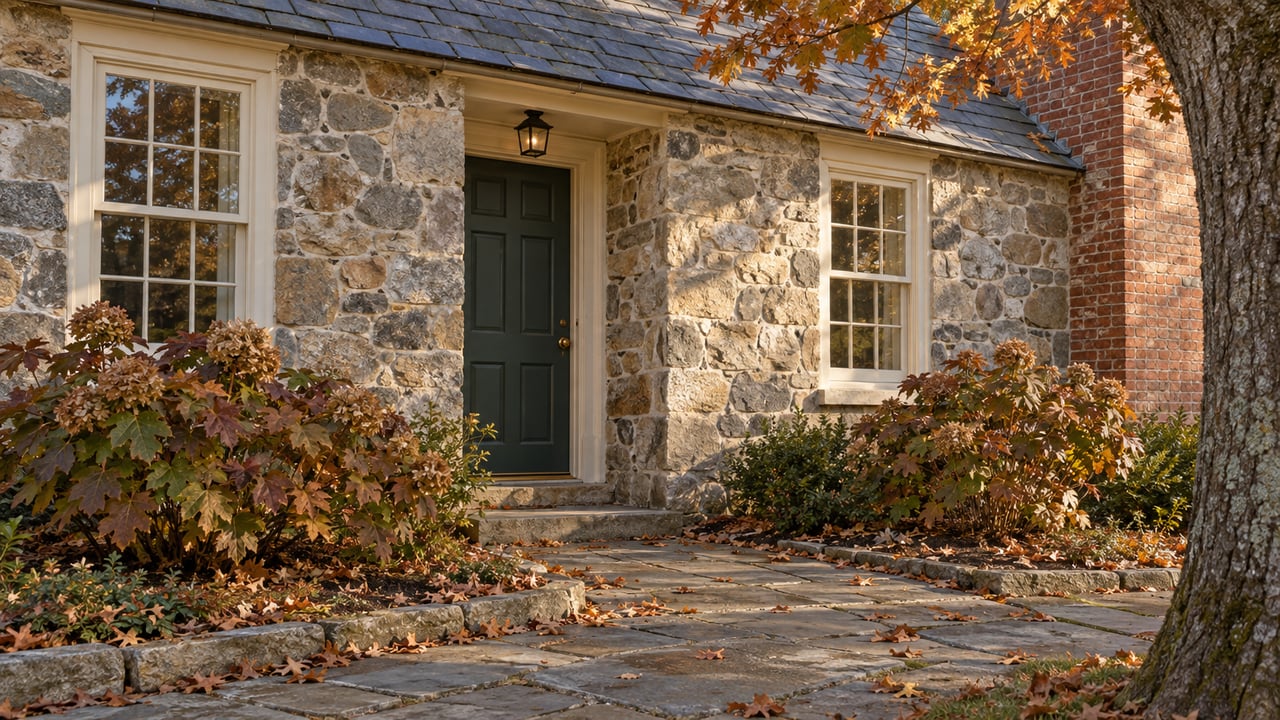
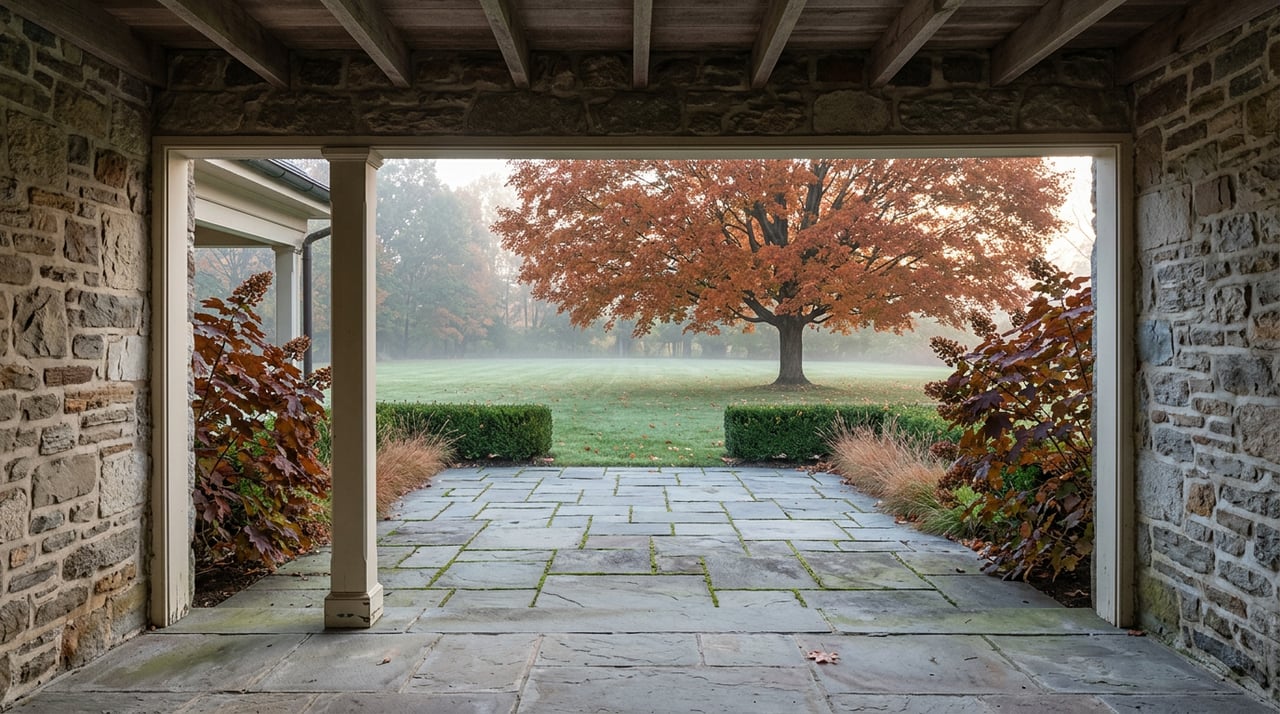
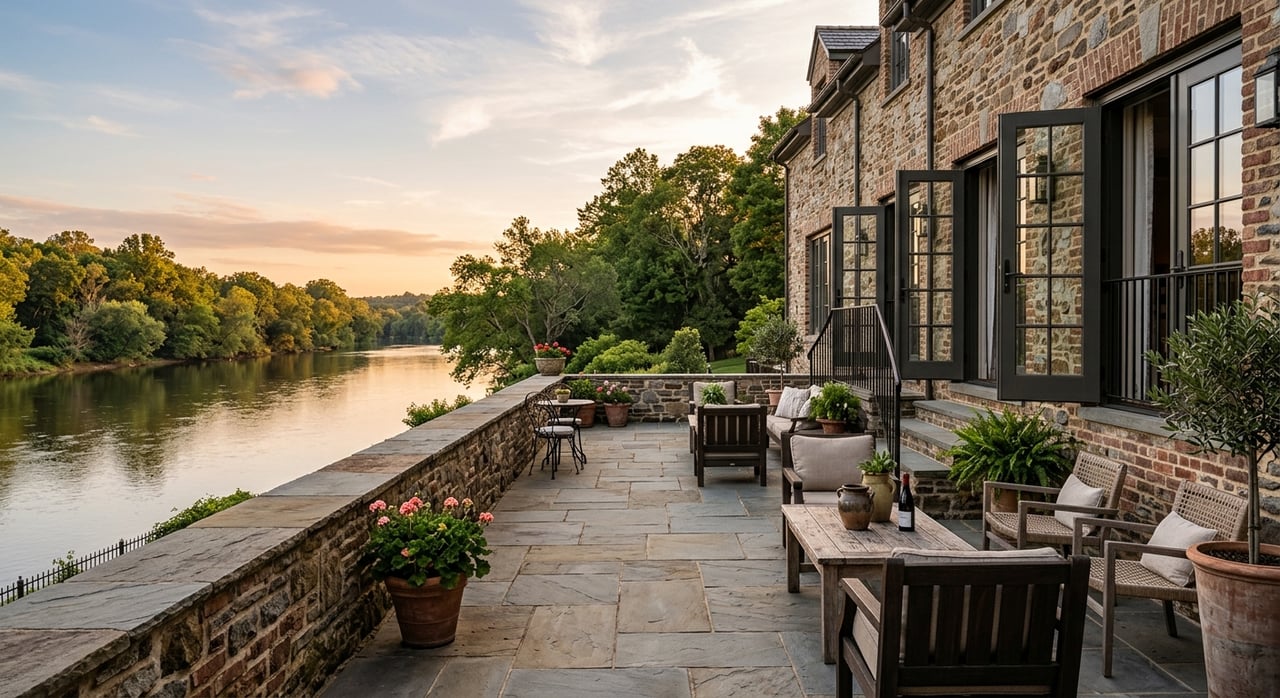
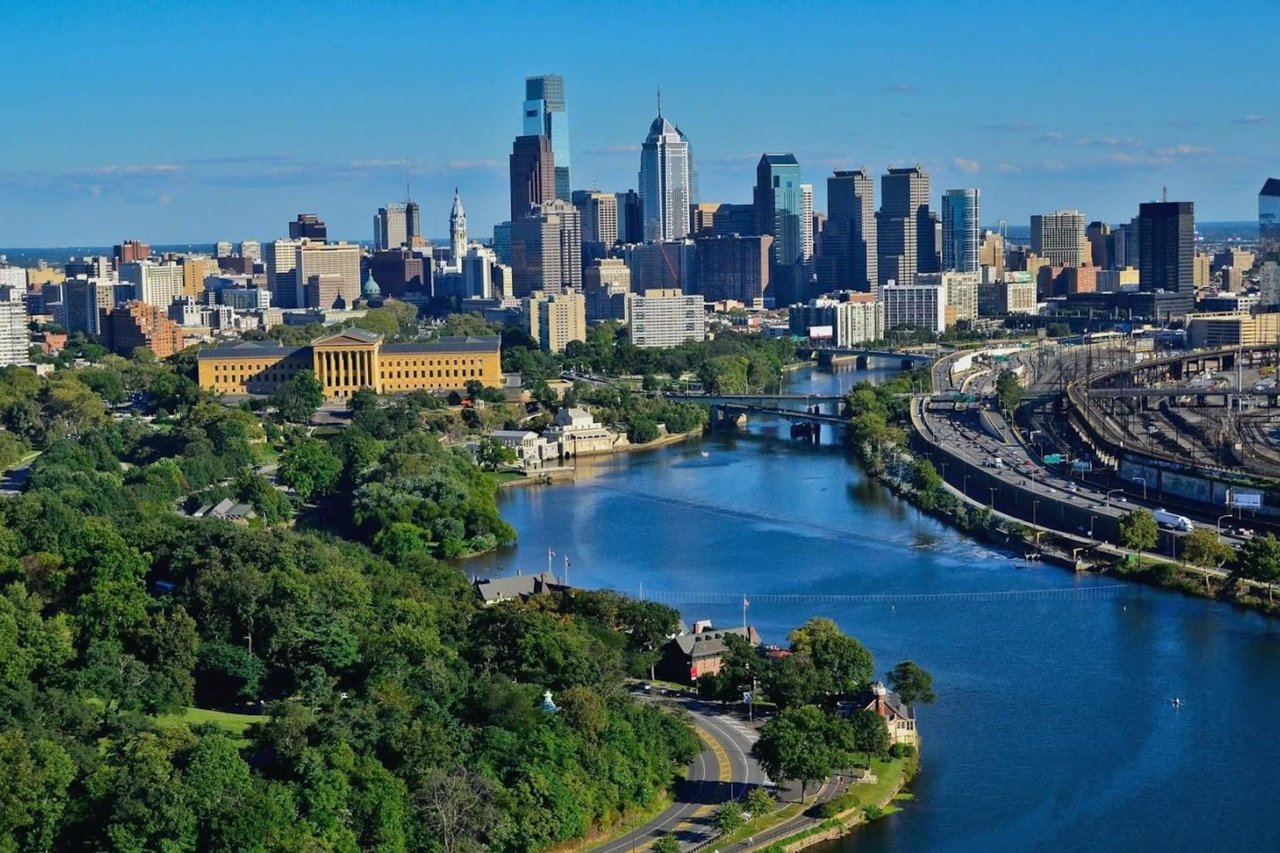
Washington Crossing sits in Upper Makefield Township, where the township says nearly 40 percent of the land is permanently preserved. That preserved setting is a big part of why the area feels open, scenic, and less changed than many nearby markets. It also helps explain why buyers often focus as much on land, views, and surroundings as they do on the house itself.
The river corridor adds another layer of appeal. Washington Crossing Historic Park preserves the crossing site and includes historic buildings, walking paths, fishing access, non-motorized boat launching, and views from Bowman's Hill Tower over the Delaware River Valley. The Lower Delaware is also designated as a National Wild and Scenic River, which reinforces the area’s natural and historic significance.
Upper Makefield describes itself as a bedroom community, and its history materials note that growth has slowed sharply since 2000 because of preservation efforts and near build-out. For you as a buyer, that often means a low-supply market where scarcity is part of the value equation. In practical terms, there may be fewer opportunities, and the right property can command a premium.
Flood Risk Comes First
If you are considering any home near the river or canal, flood due diligence should be at the top of your list. Upper Makefield reports major flooding along the Delaware River and Delaware Canal, and says as many as 200 properties are at higher risk. The township also notes that flood maps were updated in 2015.
It is also important to know that flood exposure is not limited to the most obvious parcels. Upper Makefield states that more than 20 percent of flood claims come from properties outside the high-risk flood area. That means you should avoid assuming that a home is in the clear simply because it is not visibly on the water.
The better approach is to verify the specific lot, not just the general location. Upper Makefield points buyers to parcel-level map tools, including the Bucks County Parcel and Floodplain Viewer, and FEMA explains that flood zones appear on official flood insurance rate maps. If a building is in a Special Flood Hazard Area, flood insurance may be required for federally regulated or insured loans.
If mapping seems off, there may be a process to challenge it. FEMA states that owners can request a Letter of Map Change when they believe a property has been mapped incorrectly. That does not guarantee a change, but it is one more reason to review the exact site conditions and elevation information early in the process.
Utilities Need Close Review
In many river-adjacent markets, buyers focus first on views and setting. In Washington Crossing, utility infrastructure deserves just as much attention. Upper Makefield says public wastewater treatment serves only a few developments, while most other properties rely on on-lot sewage systems and private water.
That can affect inspections, maintenance, and future planning. The township’s buyer disclosure materials require buyers to review wells, septic systems, wetlands, floodplains, stormwater facilities, water-quality studies, and any historic or preservation restrictions before closing. In other words, the property’s systems and land characteristics are not side issues here. They are central to your buying decision.
Before you move forward on a property, it is wise to confirm:
- Whether the home is served by public sewer or on-lot septic
- Whether water comes from a private well
- Whether wetlands or floodplain areas affect improvements
- Whether stormwater features are located on the site
- Whether any restrictions could limit future changes
Preservation Can Protect Value and Limit Flexibility
One of the strongest reasons buyers are attracted to this area is also one of the most important things to understand before closing. Much of the corridor’s appeal comes from preservation. Pennsylvania’s farmland preservation program allows state and county governments to purchase agricultural conservation easements, and the state says those easements are perpetual legal restrictions.
Bucks County also uses state, county, and local funds to buy conservation easements, while Heritage Conservancy works with landowners to preserve private land. In many cases, protected land remains privately owned. That means the open views and pastoral setting you enjoy may come from land that is preserved, not necessarily public.
Upper Makefield’s planning code protects floodplains, wetlands, watercourse buffers, agricultural lands, and historical sites. Its planned-preservation provisions say open space should, where possible, create buffers from roads and developed areas, protect streams and wooded areas, and not be separately sold, subdivided, or further developed. For buyers, that can support lasting character, but it can also narrow what can be changed later.
The Overlay District Matters
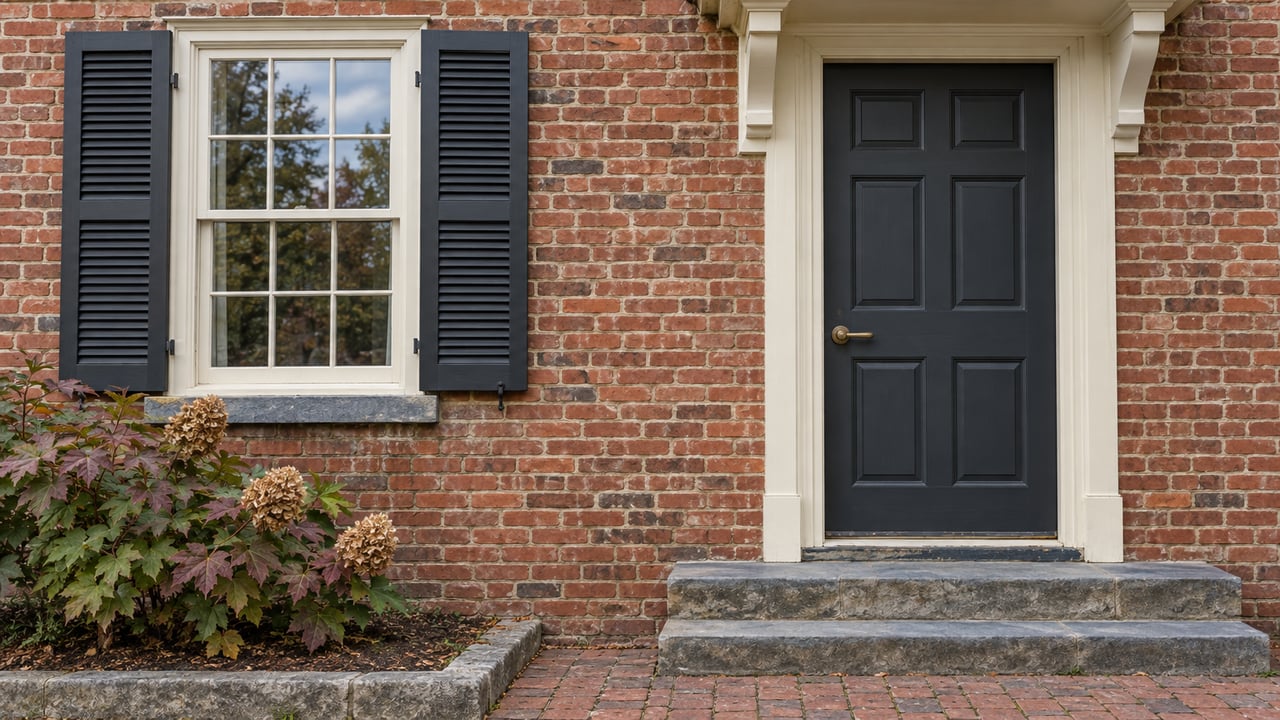
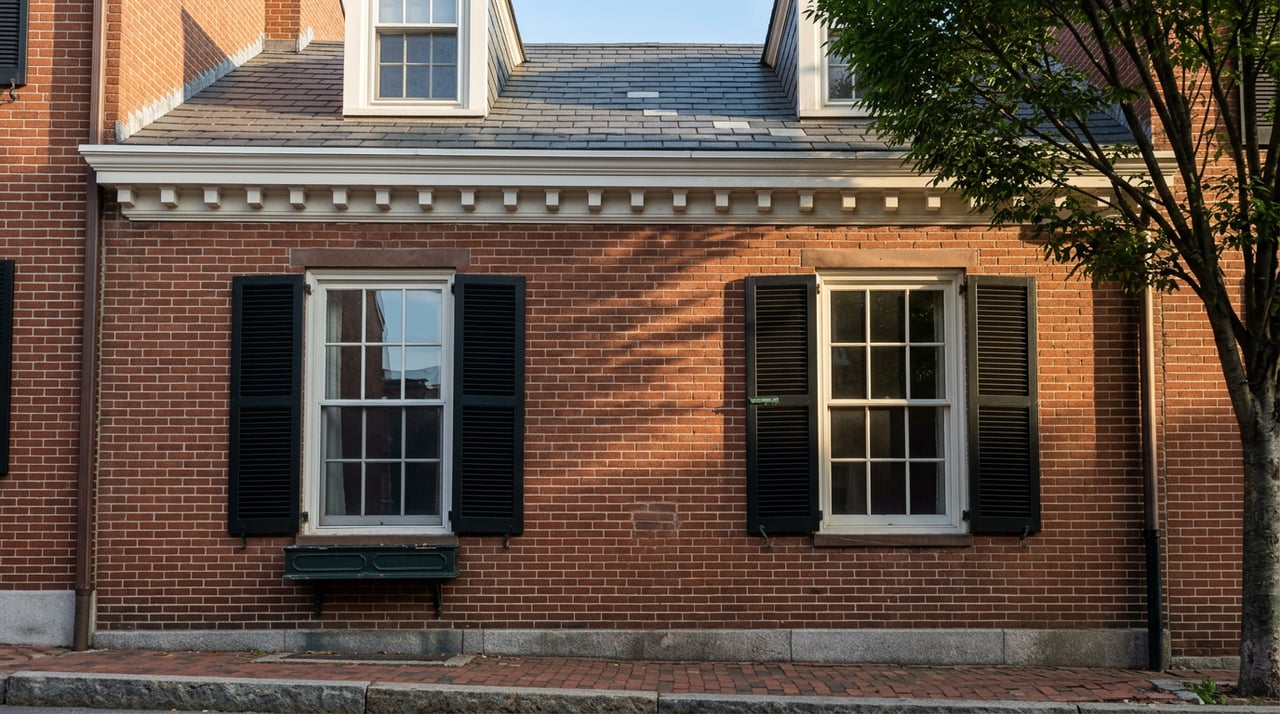
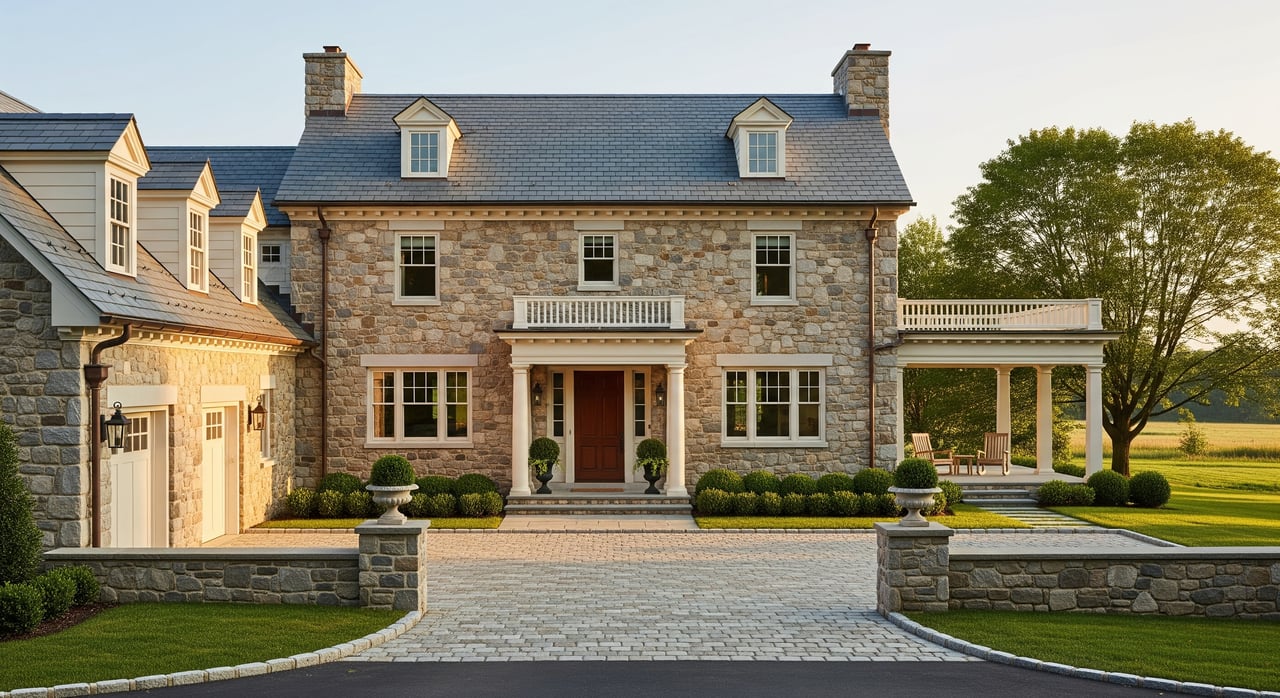
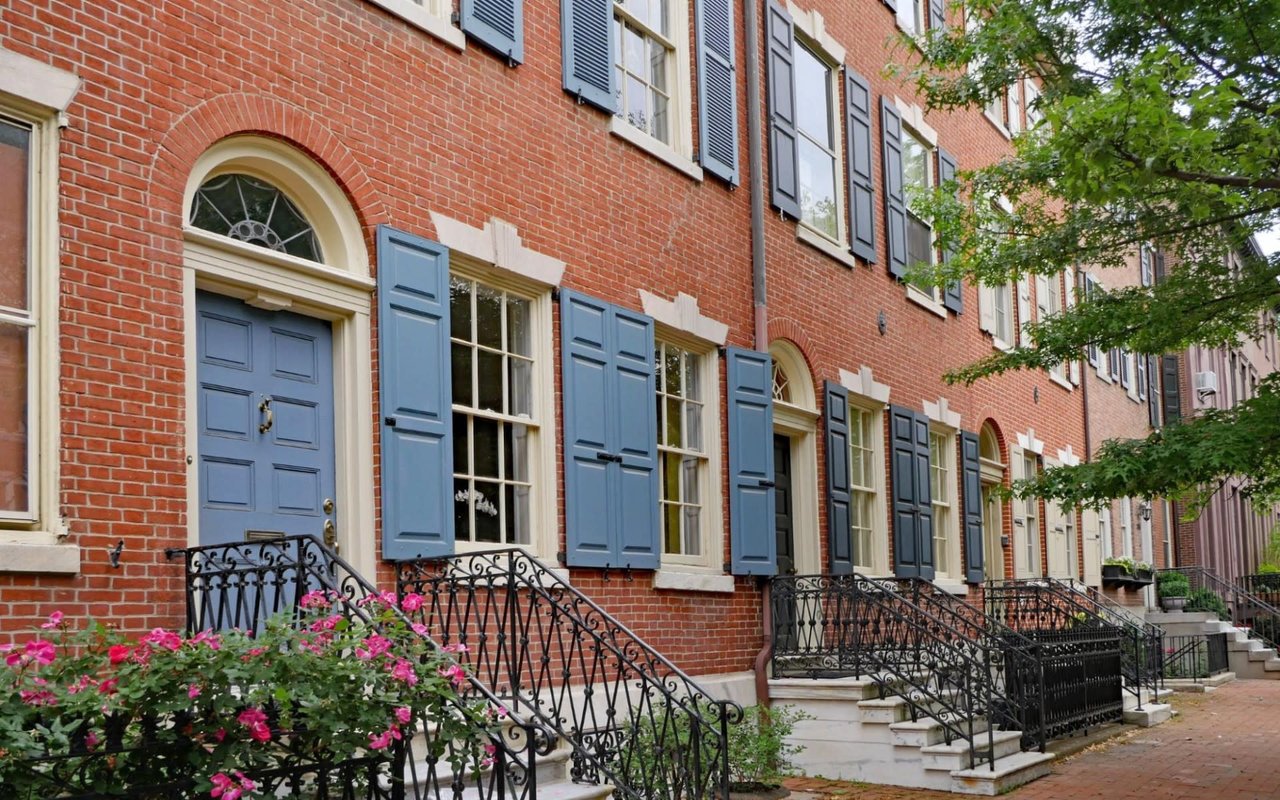
Some properties in the area fall within the Washington Crossing Overlay District. If a property is shown on the overlay map, subdivision and land development are subject to added design review. The ordinance says new development should reflect the area’s historical significance and use historically compatible materials and roof forms.
The ordinance also calls for screening HVAC equipment, preserving rustic road character, limiting curb cuts where possible, and keeping parking areas more secluded. These rules can help maintain a consistent streetscape and protect the broader setting. At the same time, they may reduce your flexibility if you plan to make major exterior changes.
If you are comparing homes, ask not only what the house is today, but what the rules may allow tomorrow. A protected viewshed can be a meaningful benefit. So can understanding where design review may shape future renovations or site work.
Lifestyle Benefits Are Real, But Access Varies
Washington Crossing offers a distinctive outdoor lifestyle. The historic park includes routes through forests, fields, and historic areas, while the Delaware Canal towpath connects the park’s upper and lower sections. According to DCNR, the towpath is used by walkers, joggers, bicyclists, cross-country skiers, and bird watchers.
Non-motorized kayaks and canoes may also be launched onto the Delaware River and the Delaware Canal in designated areas. The lower Delaware corridor is known for scenic and historic destinations, and the byway setting adds to the area’s day-to-day appeal. If you value a home that connects to nature and local history, this setting can be hard to replicate.
Still, scenic proximity does not always equal direct access. The Pennsylvania Fish and Boat Commission states that while the Commonwealth owns public waters to the ordinary low water mark, and there is a public easement between high and low water marks on navigable waters, the public does not have the right to cross private property to reach those waters. So a river-view property may offer beautiful outlooks without private launch rights or direct legal access across neighboring land.
Privacy and Activity Can Coexist
Many buyers come to Washington Crossing for privacy, open space, and a more protected landscape. Those qualities are real, but they come with trade-offs. The same preservation network that helps maintain views and character can also mean more public activity near park-adjacent areas and more oversight around exterior changes.
Upper Makefield notes that maintaining the viewshed requires ongoing coordination among property owners and township officials. If you are buying near the park, canal, or other preserved land, it is worth understanding how that setting feels on a weekday, on a weekend, and across seasons. A property can feel secluded while still being closely connected to a well-used recreational corridor.
What the Market Numbers Suggest
Current data points to a premium-priced, low-inventory market. Zillow reports an average home value in 18977 of $837,112, up 5.2 percent year over year as of April 30, 2026. Redfin reports a median sale price of $885,000 for March 2026, while Realtor.com shows a median listing price of about $887,000 with 17 properties for sale.
These figures are not identical because the platforms use different methods and time periods. Even so, they tell a consistent story. Washington Crossing is a high-value submarket where scarcity, preserved land, historic character, and river-corridor lifestyle all contribute to pricing.
That is why buying here often requires a broader lens. You are not only evaluating finishes, layout, and lot size. You are also weighing flood exposure, insurance implications, utility systems, preservation restrictions, and how all of those factors may affect future use and resale.
How To Buy More Carefully Here
A thoughtful purchase in Washington Crossing usually starts with a deeper property review than you might need in a more typical suburban market. The goal is not to avoid the area’s complexity. It is to understand it clearly before you commit.
As you narrow your options, focus on a few core questions:
- Is the parcel in or near a mapped floodplain?
- Would flood insurance likely be required or advisable?
- Are the water and sewer systems public or private?
- Do wetlands, buffers, or stormwater features affect the site?
- Is the property subject to conservation easements or preservation limits?
- Does the Washington Crossing Overlay District apply?
- What kind of river or trail access actually comes with the property?
The right answers can help you separate true long-term value from avoidable risk. In a market this specialized, careful due diligence is part of buying well.
If you are considering a purchase in Washington Crossing or anywhere along the Bucks County corridor, working with a broker who understands both the lifestyle appeal and the property-level details can make the process far more precise. For discreet guidance and owner-level attention, connect with Douglas Pearson.
FAQs
What should you check before buying near the Delaware River in Washington Crossing?
- You should verify the parcel’s floodplain status, potential flood insurance requirements, foundation and site conditions, and whether wetlands or stormwater features affect the property.
What utility systems are common in Washington Crossing homes?
- Many properties in Upper Makefield rely on private wells and on-lot sewage systems, since public wastewater treatment serves only a limited number of developments.
What is a conservation easement in Bucks County?
- A conservation easement is a perpetual legal restriction that can limit development or future changes to protected land, even when that land remains privately owned.
What does the Washington Crossing Overlay District affect?
- The overlay district adds design review for certain subdivision and land development activity and may influence exterior materials, roof forms, parking layout, curb cuts, and other site features.
Does a river-view home in Washington Crossing guarantee water access?
- No. A property may have a river view without including private launch access or a legal right to cross private land to reach the water.
What does the current Washington Crossing market look like?
- Available market snapshots point to a premium-priced, low-inventory market, with home values and sale prices in the mid-to-upper $800,000 range depending on the source and time period.