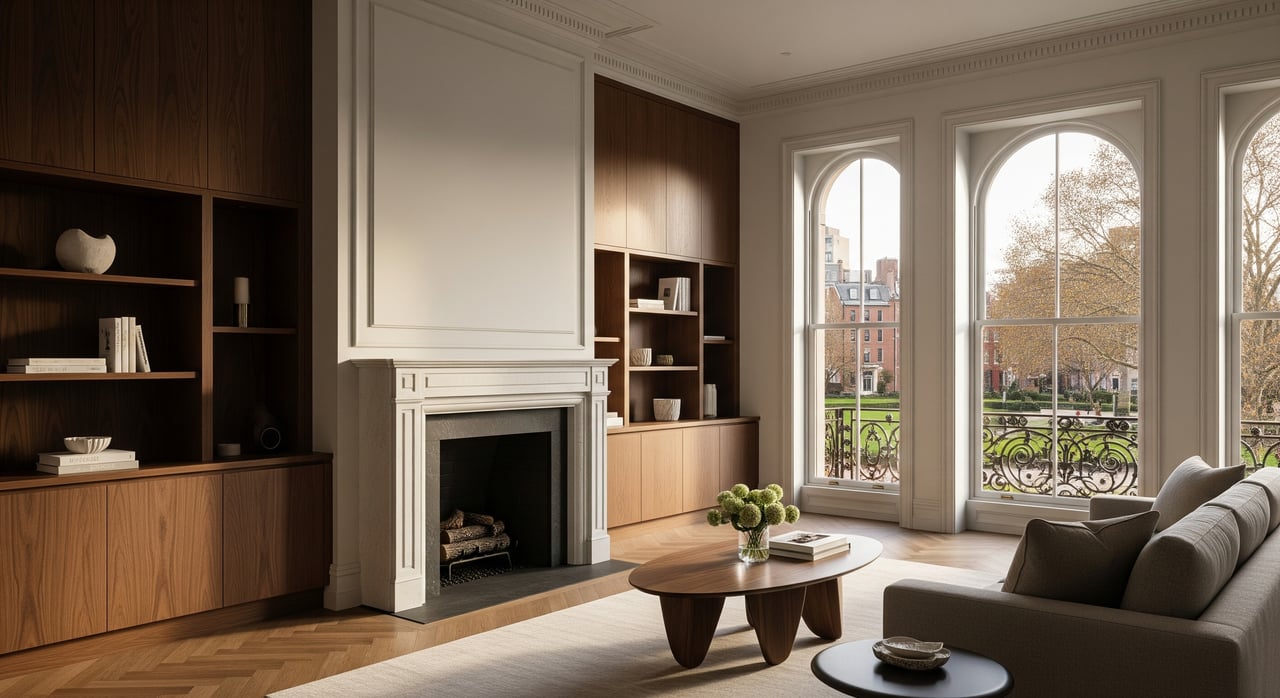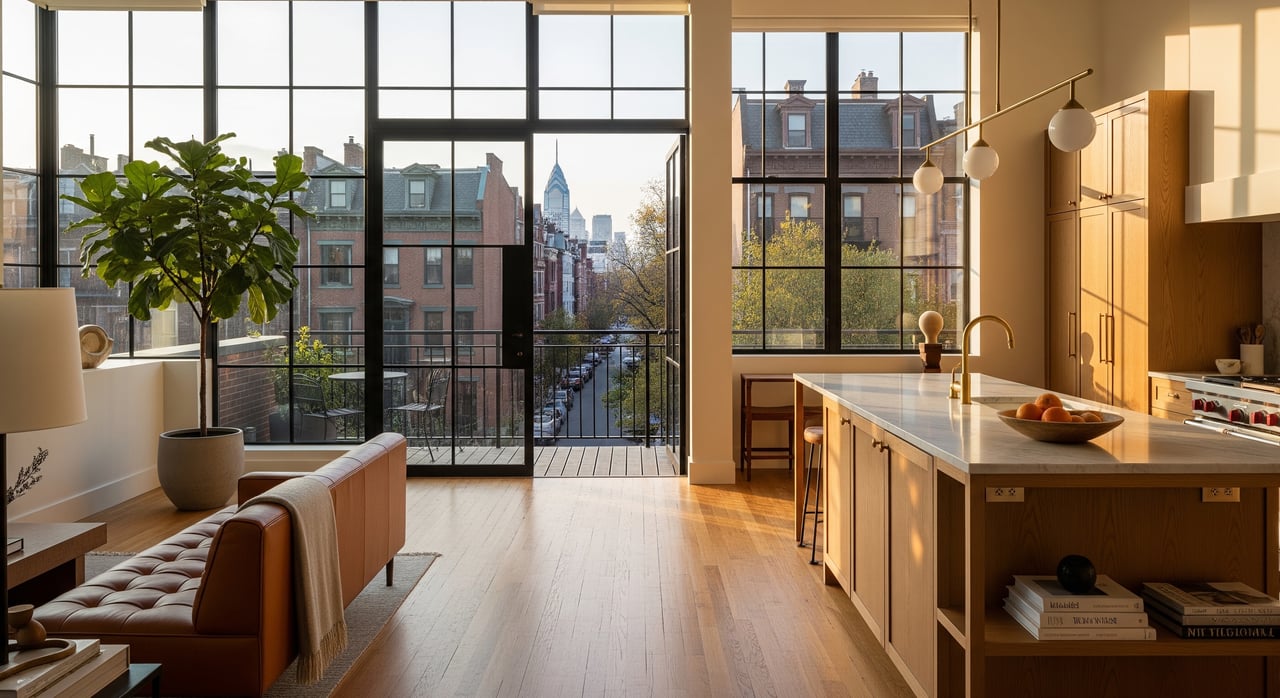
You only get one chance to show buyers that your Society Hill home is both authentically historic and thoughtfully updated. If you own in 19106, you know the value sits in the brick, the trim, the streetscape, and the story. The right plan protects that character, satisfies today’s buyer expectations, and keeps approvals and disclosures on track. In this guide, you’ll learn how to navigate approvals, tackle inspections, choose preservation‑sensitive upgrades, and present your home with confidence. Let’s dive in.
Why authenticity drives value in Society Hill
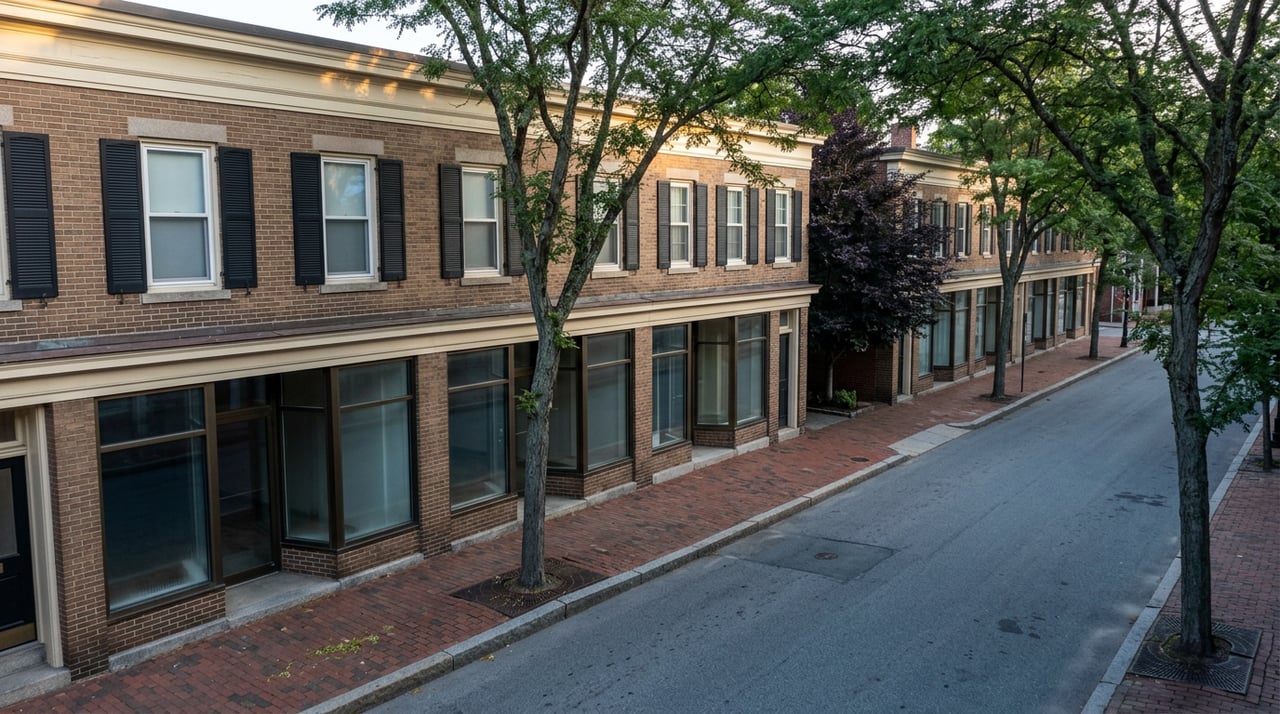
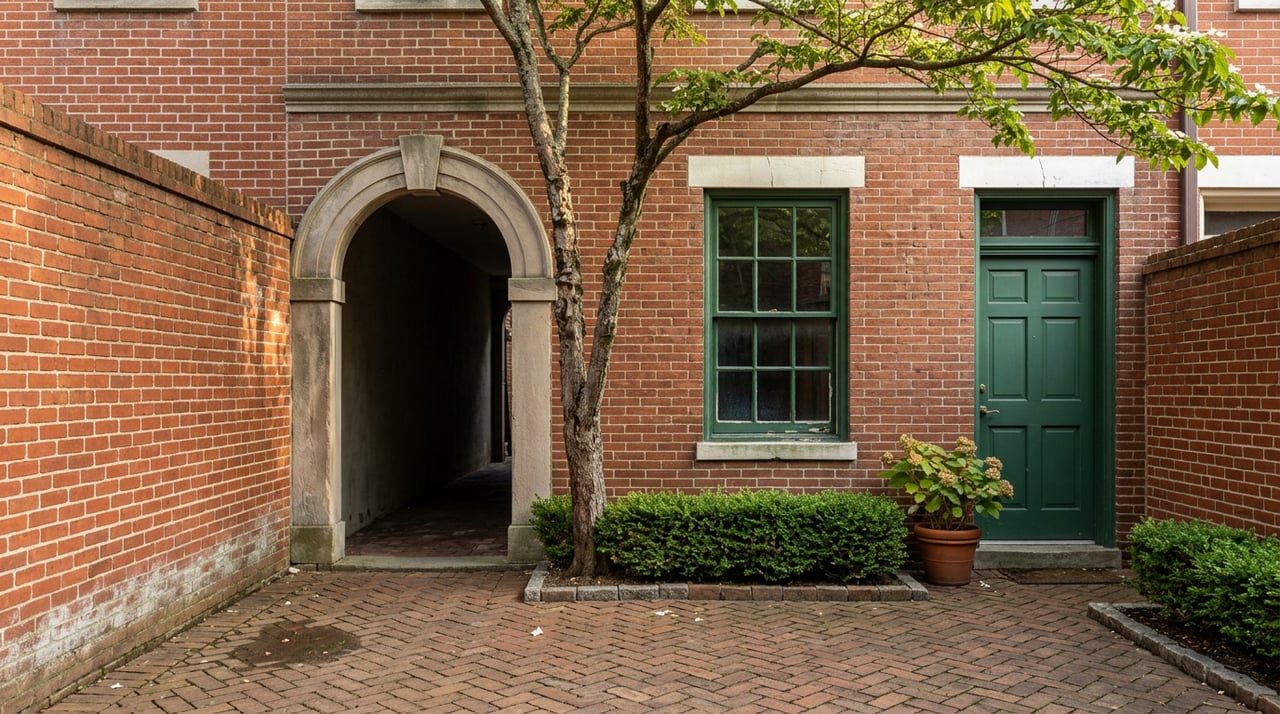
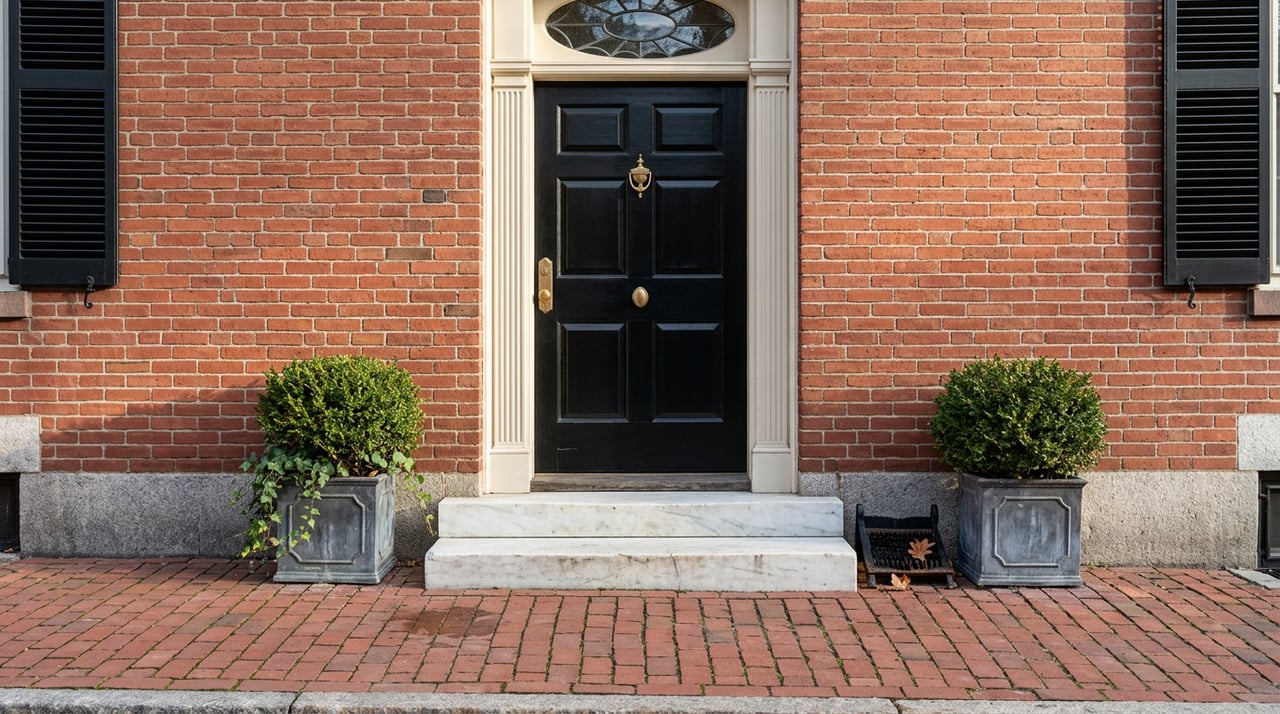
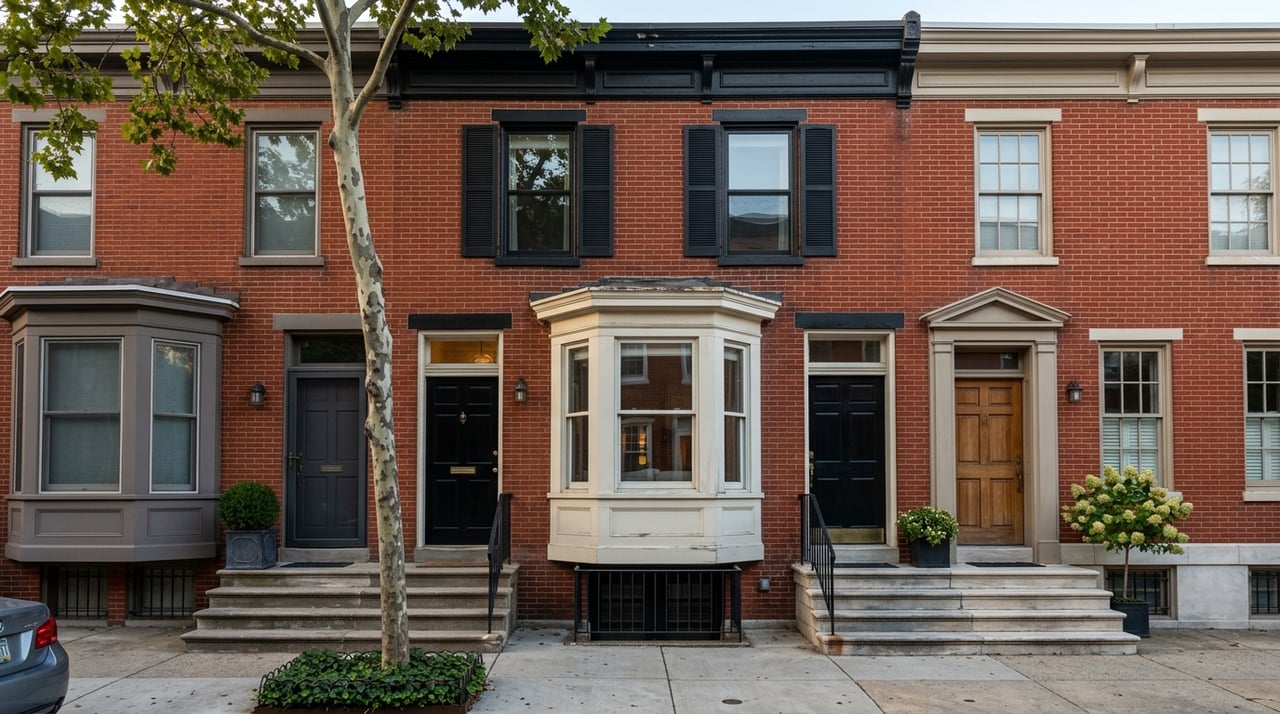
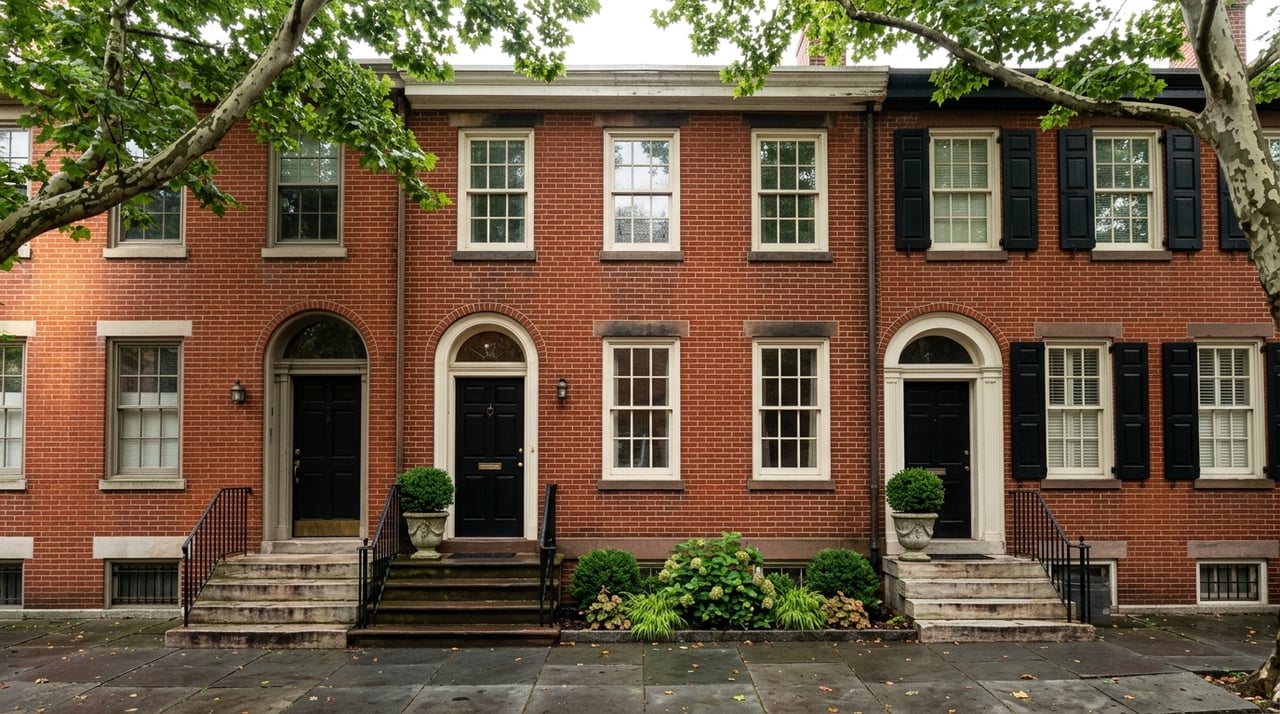
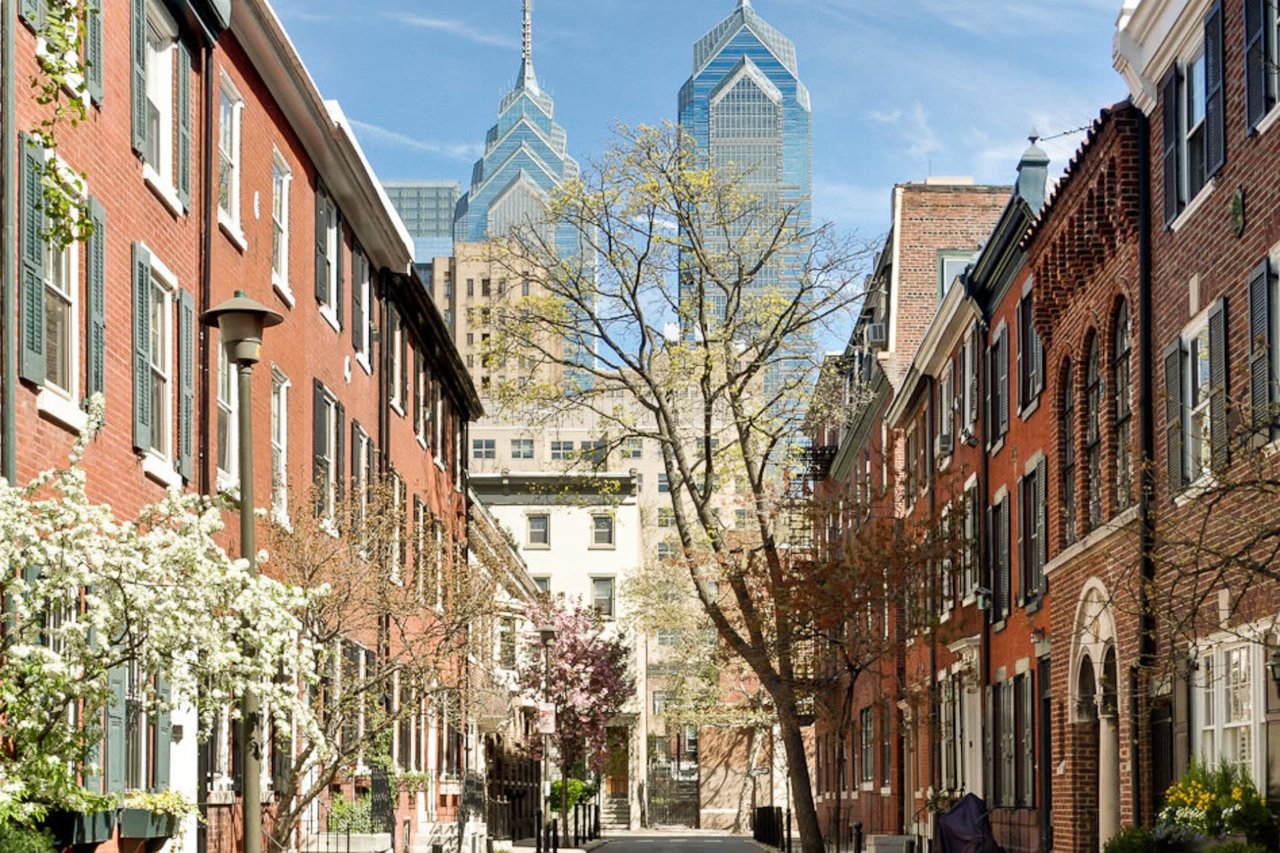
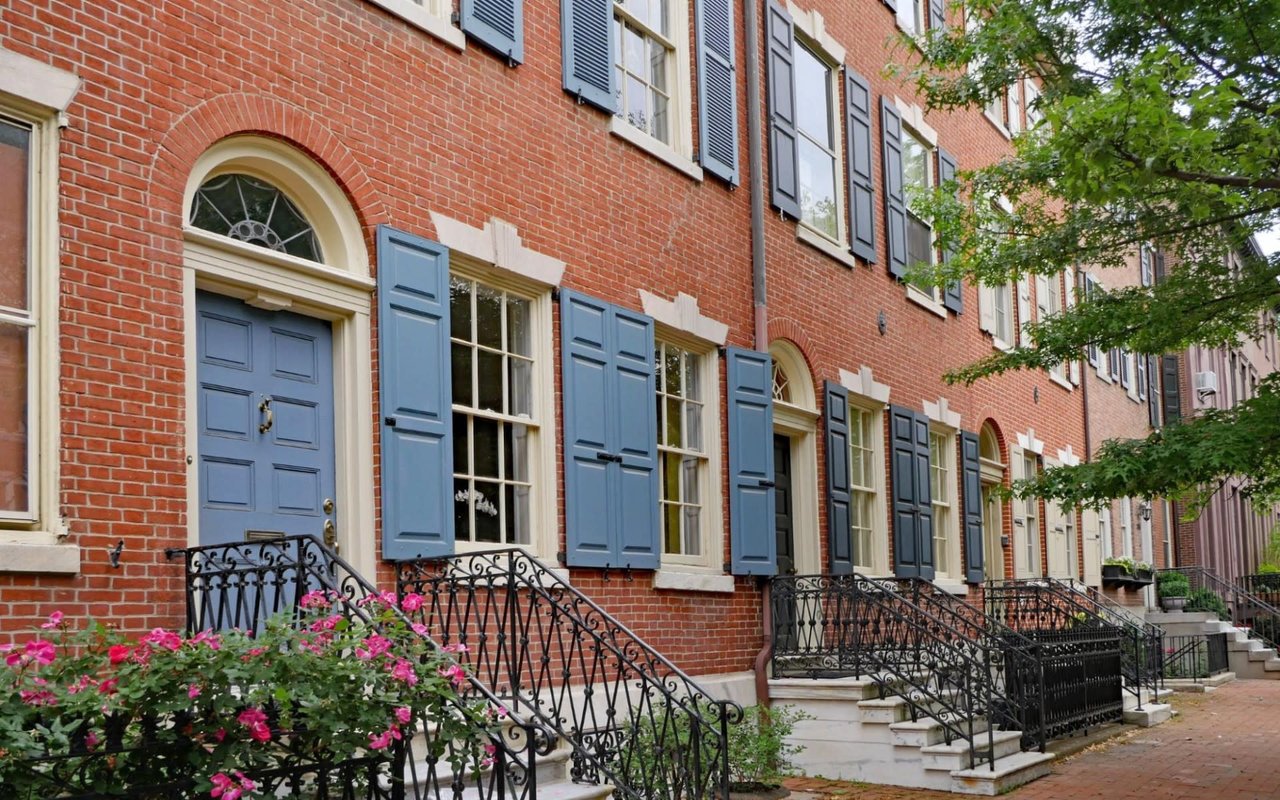
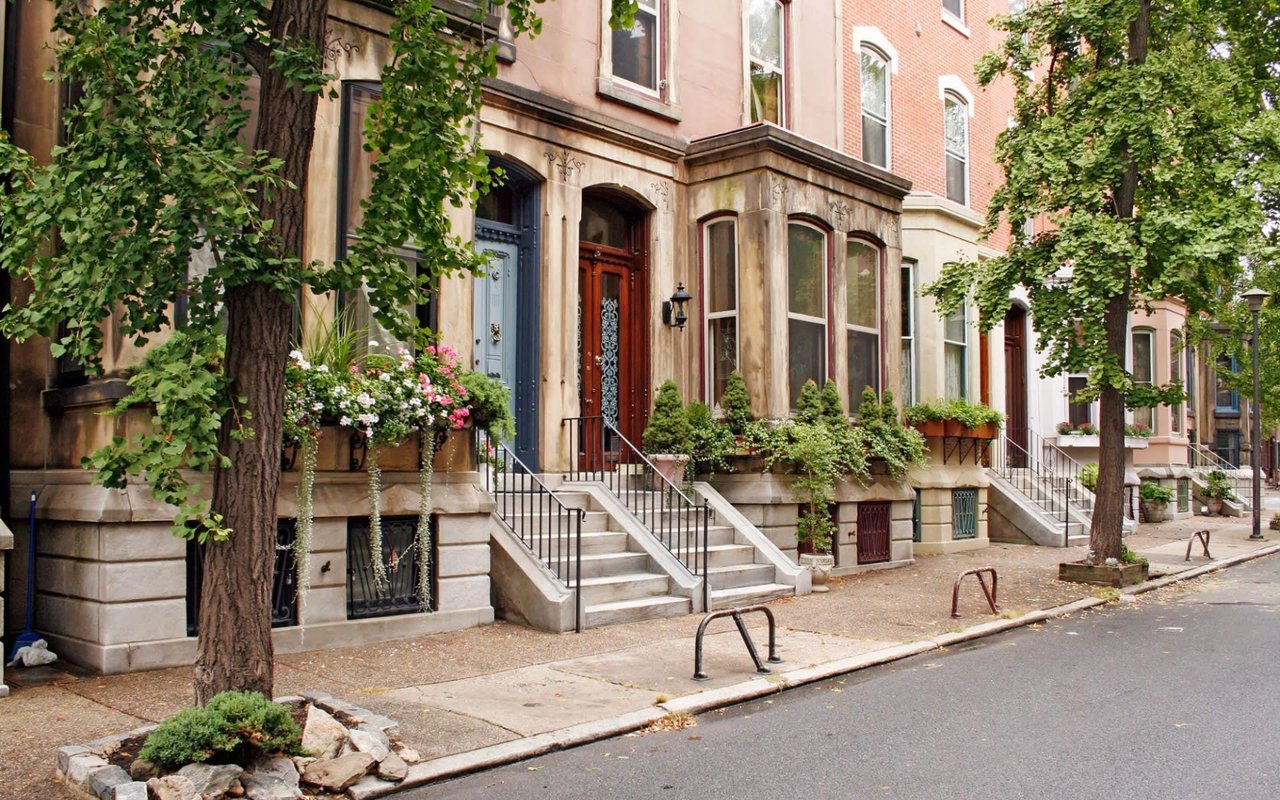
Society Hill is one of Philadelphia’s most significant historic neighborhoods. It is listed on the National Register of Historic Places and prized for its Federal and Georgian architecture, brick façades, and walkable Center City setting. You are selling more than square footage. You are offering buyers a rare mix of place, provenance, and daily convenience. That is why a preservation‑smart approach helps you maximize interest and protect your outcome.
To ground your planning, review the neighborhood’s national listing, which highlights its architectural importance and context in American urban history. You can find it on the National Park Service’s National Register database in the Society Hill entry.
- See the National Register listing for Society Hill: National Park Service database entry
Know your approvals: PHC, L&I, and the Standards
Most visible exterior work on a historic Philadelphia property requires review by the Philadelphia Historical Commission (PHC). Interior work usually does not need PHC review unless the interior is separately designated. Early staff consultation reduces surprises and delays. PHC staff approve many small projects administratively.
- What triggers review and how to apply: PHC — approval for work to a historic property
Separate from PHC design review, the Department of Licenses & Inspections (L&I) issues building, electrical, plumbing, and mechanical permits. For most projects, PHC review is integrated into the L&I permit process. Plan requirements and timelines vary by scope, so build this into your calendar.
- Permit guidance and submittal basics: Philadelphia L&I — construction and repair permits
Local reviewers use the Secretary of the Interior’s Standards to guide what is appropriate. These Standards favor repair over replacement, matching materials and profiles when replacement is necessary, and making new work compatible and reversible.
- Reference framework for appropriate work: Secretary of the Interior’s Standards
Pre‑listing due diligence for 19106 sellers
You can predict many issues in historic homes. Tackle safety, insurability, and compliance first, then move to appearance and comfort. The result is fewer buyer objections and stronger negotiating power.
Required disclosures and smart tests
Lead paint disclosure: If your home was built before 1978, federal law requires you to provide buyers with the lead disclosure packet and the EPA pamphlet “Protect Your Family From Lead in Your Home.” Buyers also have the right to a 10‑day testing period. This is routine in Society Hill. Learn more here: EPA lead disclosure guidance.
Radon in Pennsylvania: The Pennsylvania Department of Environmental Protection (DEP) strongly recommends testing, and the state certifies testers and mitigators. Completing testing and, if needed, mitigation before listing helps buyers move forward with confidence. DEP guidance cites common mitigation costs in the $800–$1,200 range, depending on layout. Start here: PA DEP Radon Division.
Flood risk: Society Hill is near the Delaware River, and some blocks are low‑lying. Confirm your FEMA flood zone and be ready to disclose any insurance history. Use the FEMA Map Service Center to look up your panel.
Recommended inspections
Hire qualified specialists who understand older buildings. A focused pre‑listing inspection plan prevents last‑minute renegotiations.
- Full pre‑listing home inspection to flag structural, roof, and moisture issues.
- Structural engineer review if you see settlement, major cracks, or sagging floors.
- Roofing and flashing check, especially if you have slate or complex gutter systems.
- Masonry and pointing review. Historic brick needs the right mortar composition and tooling. An incompatible mix can damage the brick over time.
- Chimney and fireplace inspection.
- Electrical inspection for safety and insurability. Identify knob‑and‑tube or overloaded subpanels.
- Plumbing and sewer line assessment. Older cast‑iron stacks and lead service lines are common in historic housing stock.
- Pest and termite inspection where relevant.
Insurance and financing considerations
Older electrical systems, unresolved moisture issues, or missing permits from prior work can cause underwriting delays. Gather permits, inspection records, and repair invoices now. If you are selling a condominium, request an estoppel/status letter early and confirm whether the association has active façade or envelope projects that could result in assessments.
Preservation‑sensitive updates buyers appreciate
Today’s buyers want comfort and efficiency, but not at the expense of character. Focus first on repairs that preserve original fabric, then layer in reversible, low‑visibility upgrades.
Repair first: windows, masonry, and roofs
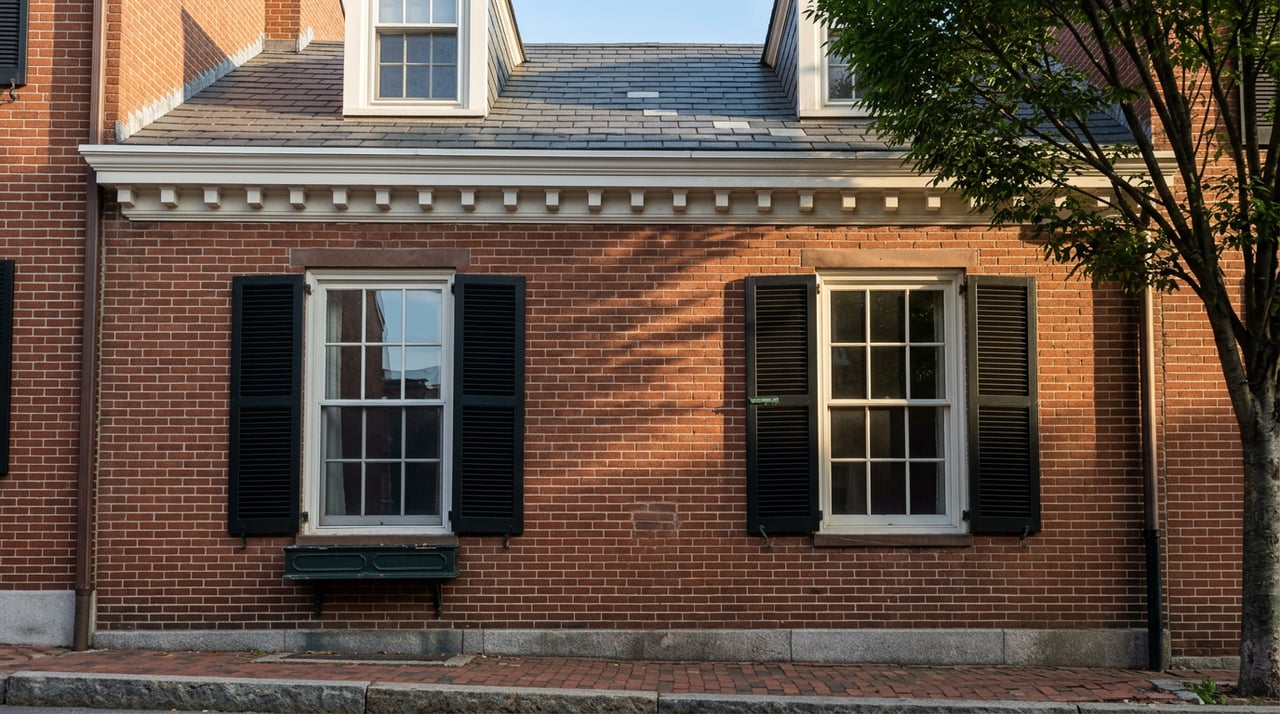
Windows: When possible, repair original wood sash by re‑glazing, re‑weighting, and weatherstripping. Add interior storm panels for comfort and efficiency while preserving appearance. For practical guidance on window repair vs replacement, review this overview: “Windows” preservation guidance. If a primary façade window is truly beyond repair, expect to document why and coordinate with PHC on an appropriate replacement.
Masonry: Match mortar chemistry and tooling when repointing. Hard, incompatible mortar can harm historic brick. Plan the work well in advance and keep samples and photos for your preservation file.
Roofs and gutters: Leaks damage interiors and scare buyers. Replace in‑kind or with visually compatible materials. Clean, repair, and confirm proper drainage before you list.
Efficiency and comfort with low visual impact
Insulation and air sealing: Prioritize the attic or top of the envelope. Do the work so it does not trap moisture or harm historic finishes.
HVAC and equipment: Update systems for comfort and indoor air quality. Place condensers, vents, and visible conduit on rear or not‑visible locations per PHC guidance. Keep any new elements discreet.
Kitchens and baths buyers expect
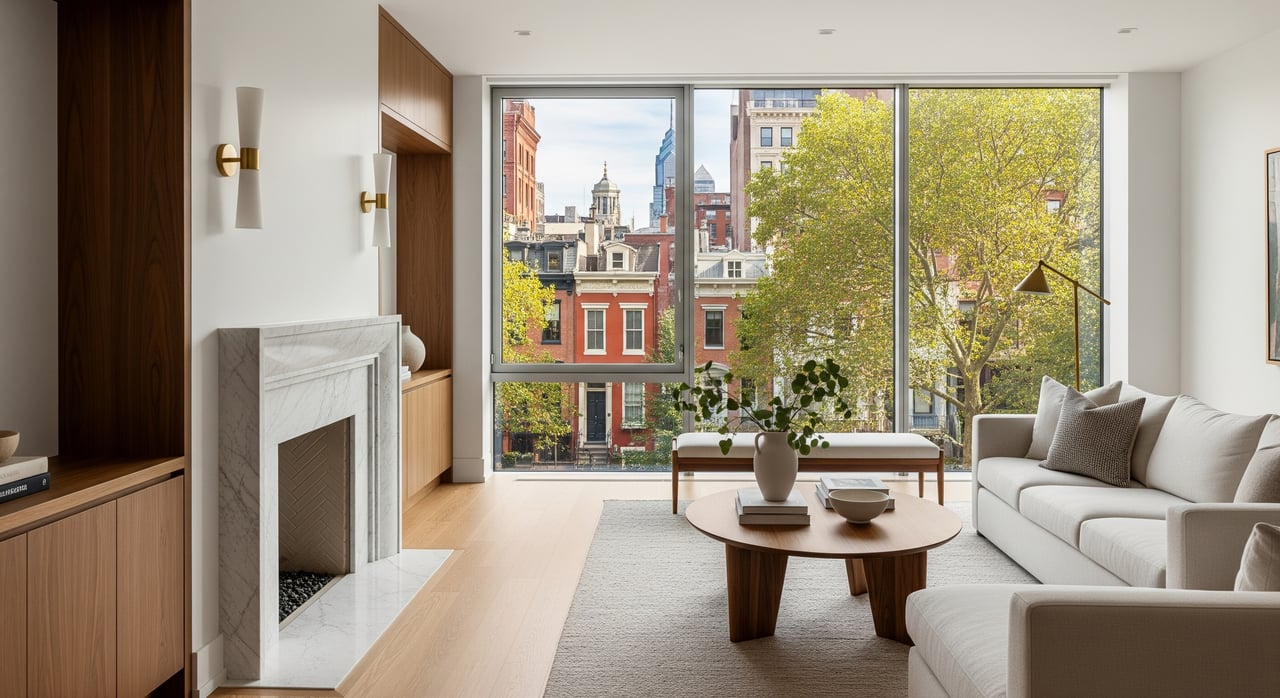
Kitchens and baths can be modern while respecting the home’s history. Choose clean, timeless finishes and keep layouts reversible where possible. Avoid cutting new openings on the primary façade or removing significant interior features like original staircases or mantels. If a replacement is unavoidable, design it to be compatible and differentiated, and follow PHC submission rules.
A note on tax credits
Federal Historic Rehabilitation Tax Credits apply to certified rehabilitation of income‑producing historic properties. They do not typically apply to owner‑occupied single‑family homes. If your property has a special income‑producing component, review the Secretary’s Standards and consult specialists before you assume any incentive applies.
Presentation and marketing for a historic audience
Your buyer pool values stewardship and story. Market the home as a well‑cared‑for historic asset with modern livability, not as a project to gut.
Cosmetic priorities with strong ROI
- Clean and repair original finishes. Small plaster, trim, and floor touch‑ups go a long way.
- Use historically appropriate paint colors where permitted and practical.
- Declutter and stage to highlight period details like mantels, stair profiles, and original hardware. A majority of buyer agents report that staging helps buyers visualize a property as a home, according to the National Association of REALTORS® Profile of Home Staging.
Photography that tells an architectural story
Invest in a photographer experienced with historic interiors. Ask for:
- Corrected verticals and balanced light so rooms feel true to life.
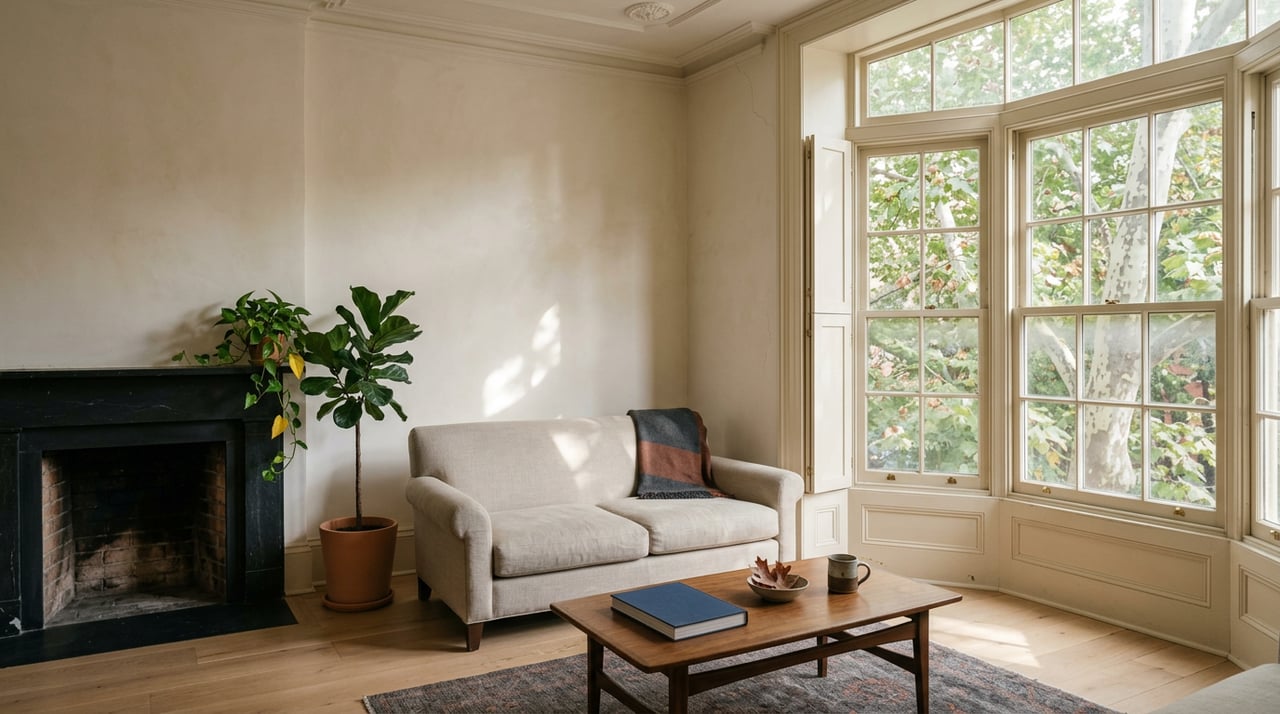
- Detail shots of woodwork, mantels, stair rails, and brickwork.
- Exterior context that captures cobblestones, gas lamps, and mature trees.
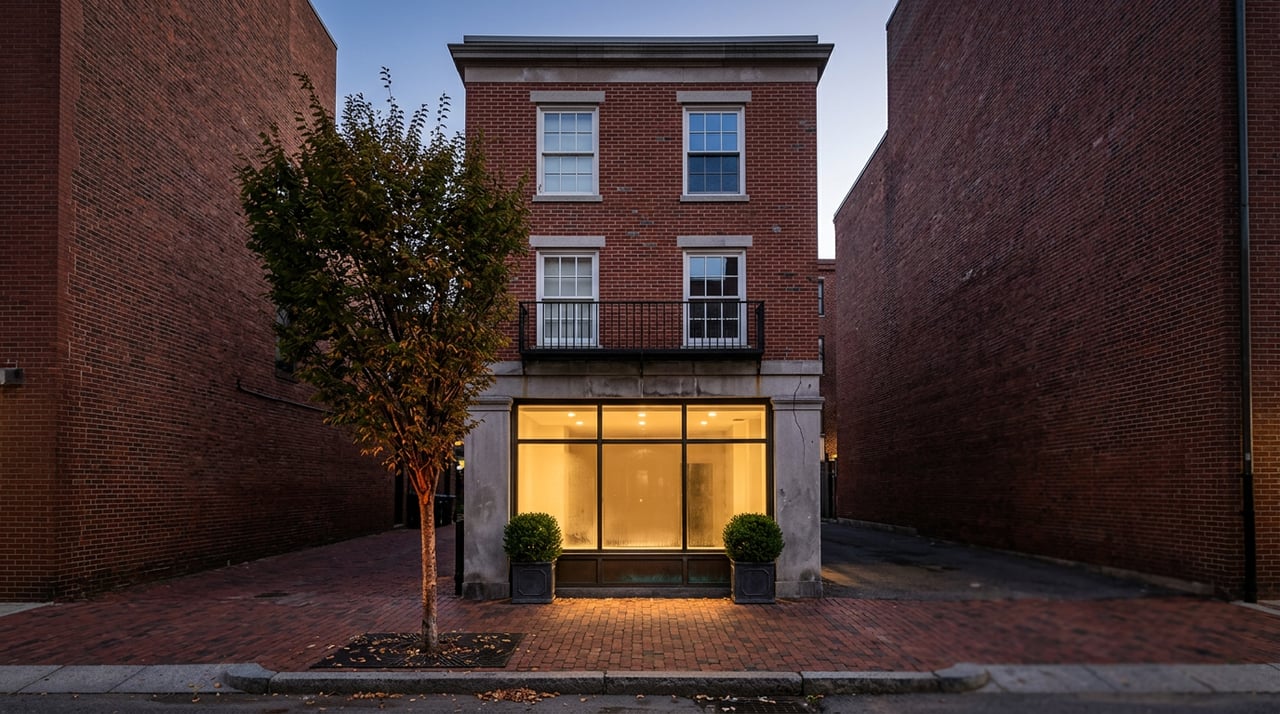
- Twilight façades to show warmth and streetscape ambiance.
Add measured floor plans and a high‑quality virtual walk‑through. Many buyers start online, and first impressions drive showings.
Build a concise preservation file
A clear, shareable preservation file builds trust and speeds decisions. Include:
- A brief, verified history of the house or condo unit. The Society Hill Civic Association’s neighborhood history is a good starting point for context.
- PHC documentation: prior approvals, decisions, and permits for exterior work.
- Contractor receipts and permits for systems upgrades and restoration.
- Lead, radon, and any relevant hazardous‑materials reports, plus mitigation certificates.
- Before/after photos of conservation work and measured floor plans.
- A short summary of “what we kept and why” to showcase stewardship.
A practical 3–12 month seller timeline
Use this framework if you plan to list within the next year.
- Contact PHC staff for an informal review of planned pre‑listing work. Ask what needs review and what can be approved administratively. Gather any historic photos you have.
- Order a full pre‑listing home inspection and targeted specialists as needed: structural engineer, electrical, roofing, chimney, pest. Schedule radon testing with a PA‑certified tester.
- Triage and complete work in this order: safety and code (wiring, leaks), envelope and moisture control (masonry, gutters), small conservation jobs (paint, trim, floors), and reversible efficiency measures (attic insulation, interior storm panels). Use contractors experienced with historic materials. Pull permits as required through L&I.
- If exterior work is planned, prepare PHC submission materials with photos, drawings, and samples. Submit with permit applications and allow for staff review or, for larger changes, public hearings.
- When work is complete, stage and schedule professional photography. Compile your preservation file, inspection and mitigation reports, PHC letters, and contractor receipts for your listing packet.
Common pitfalls to avoid
- Skipping early PHC contact. Small issues often get quick, staff‑level approvals.
- Replacing original windows on the primary façade without exploring repair or interior storms.
- Using the wrong mortar for repointing historic brick.
- Installing visible mechanicals on the primary elevation.
- Listing without radon testing and lead disclosure ready to go.
- Hiding defects rather than documenting repairs. Buyers in this segment value transparency.
Ready to sell with confidence
When you balance preservation and comfort, you meet Society Hill buyers where they live. Your home reads as authentic, cared for, and move‑in ready. If you want an elite, preservation‑smart marketing plan and owner‑level accountability, let’s talk. Request a private valuation and consultation with Douglas Pearson to position your 19106 property for a flawless launch and a strong result.
FAQs
What exterior changes on a Society Hill home need approval?
- Any work visible from the public way typically requires review by the Philadelphia Historical Commission, including windows, doors, roofing, masonry, and mechanical equipment; start with the PHC’s guidance page and contact staff early.
How should I handle old windows when selling a historic Philadelphia home?
- Repair original sash where feasible, add interior storm panels for efficiency and comfort, and coordinate any unavoidable replacements with PHC so the design and materials are appropriate for the primary façade.
Do I need to test for radon before listing my 19106 home or condo?
- Pennsylvania DEP strongly recommends radon testing, and providing test results (and mitigation documentation if needed) increases buyer confidence and can speed negotiations.
How can I show buyers that my upgrades respected the home’s history?
- Build a preservation file with PHC approvals, permits, contractor receipts, photos of conservation work, and a short “what we kept and why” summary to spotlight stewardship.
Are federal historic tax credits available to typical Society Hill homeowners?
- Federal Historic Rehabilitation Tax Credits generally apply to certified rehabilitation of income‑producing properties, not most owner‑occupied single‑family homes; consult specialists if your property has qualifying income use.
What documents should I gather before listing a historic Society Hill condo?
- Pull association estoppel/status letters, PHC approvals for any exterior work, permits and receipts for systems upgrades, inspection and mitigation reports, floor plans, and a brief verified history for context.