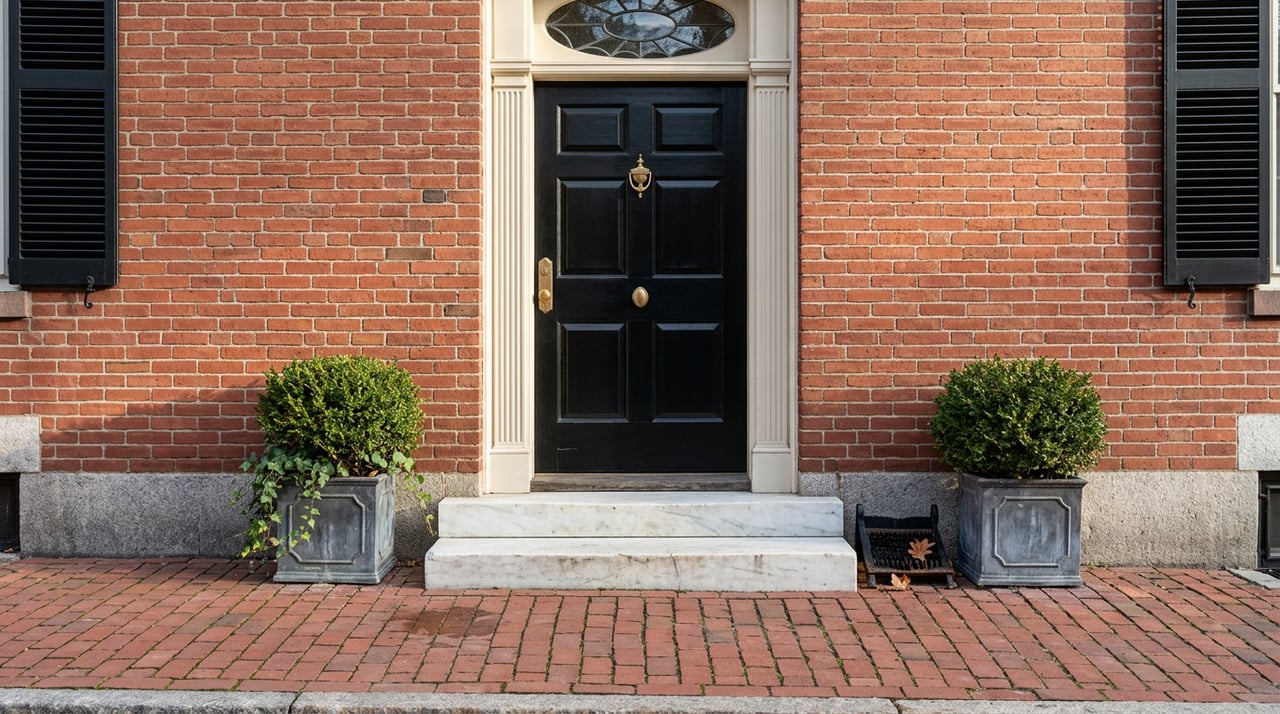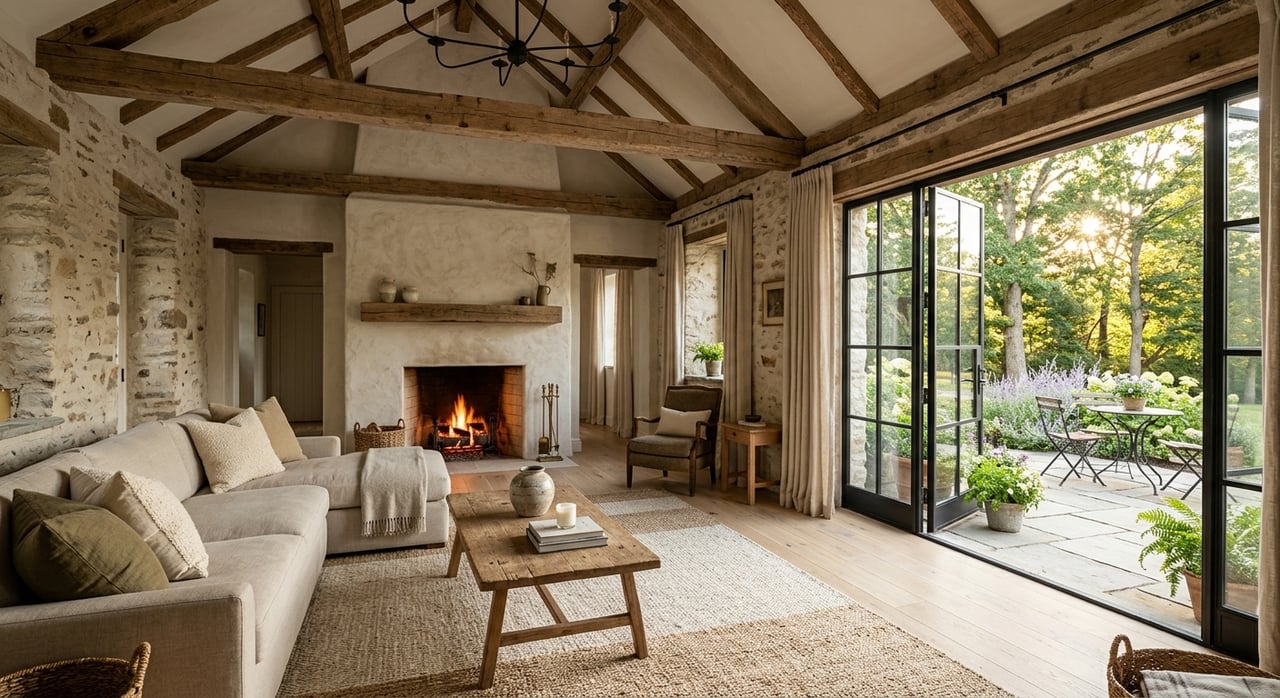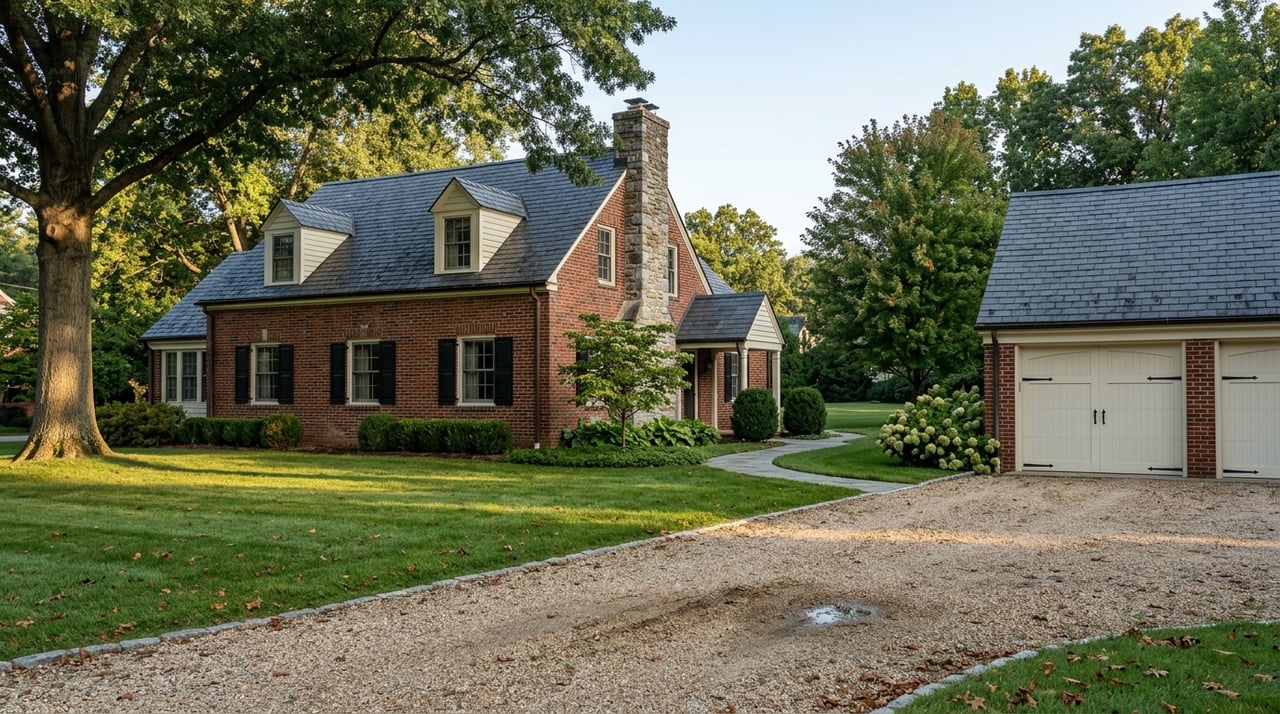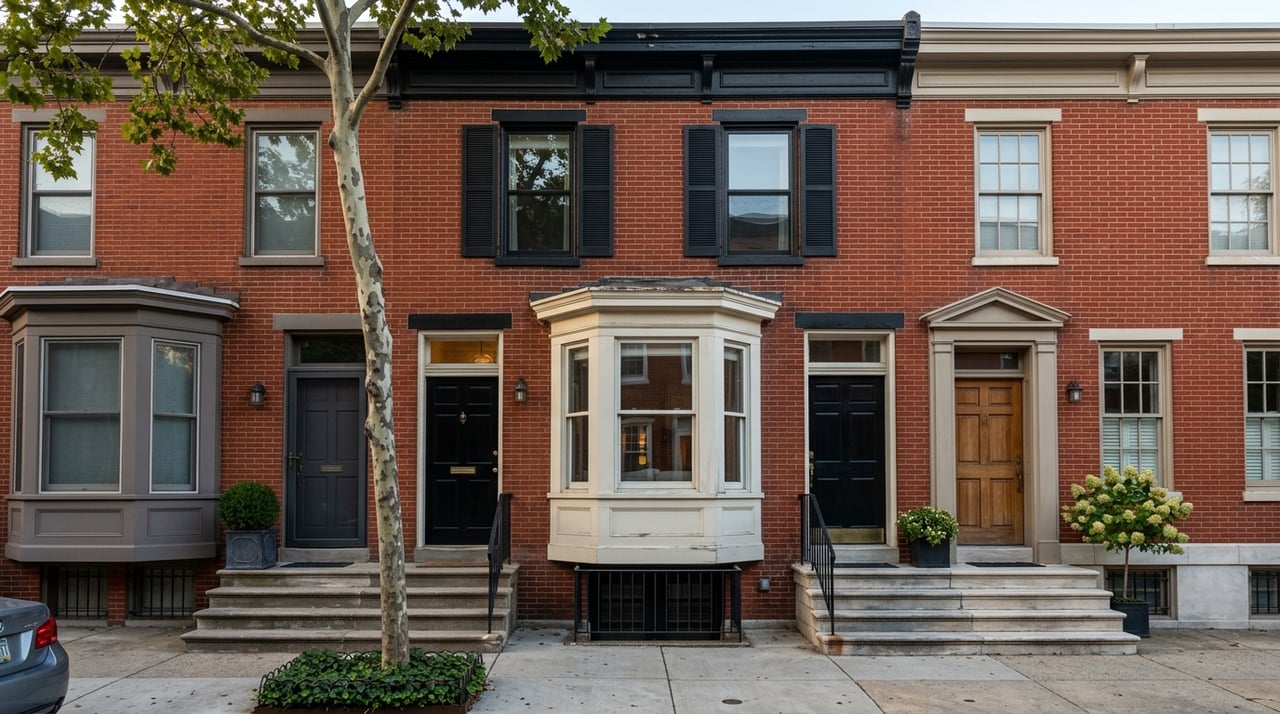
If you own a significant estate in Doylestown or Buckingham, timing is only part of the equation. In this part of Bucks County, strong pricing and relatively quick market times can create opportunity, but larger properties still reward careful planning far more than rushed exposure. If you want to protect privacy, present the property with precision, and reduce surprises once buyers start digging into details, the smartest move is to prepare well before spring and launch with a clear strategy. Let’s dive in.
Why timing matters for estate sales
Doylestown and Buckingham remain active, higher-priced Bucks County markets. As of March 2026, Doylestown had a median listing price of $799,900 with 25 median days on market, while Buckingham had a median listing price of $1.3125 million with 26 median days on market. Both were described as seller’s markets, with Buckingham at a 98% sale-to-list ratio and Doylestown at 100%.
That said, estate properties do not always behave like the broader market. In the higher-priced 18902 pocket, the median listing price was about $1.27 million with 78 days on market. That gap is a useful reminder that larger homes, acreage, and more complex property profiles often require sharper pricing, better presentation, and stronger documentation than a typical suburban listing.
Best season to list in Doylestown-Buckingham
If your timing is flexible, spring into early summer is the strongest general launch window. Zillow’s 2026 guidance points to late May as a national sweet spot for price, with strong returns often running from March through July, while Realtor.com identified April 12 through 18 as the nationally optimal listing week in 2026.
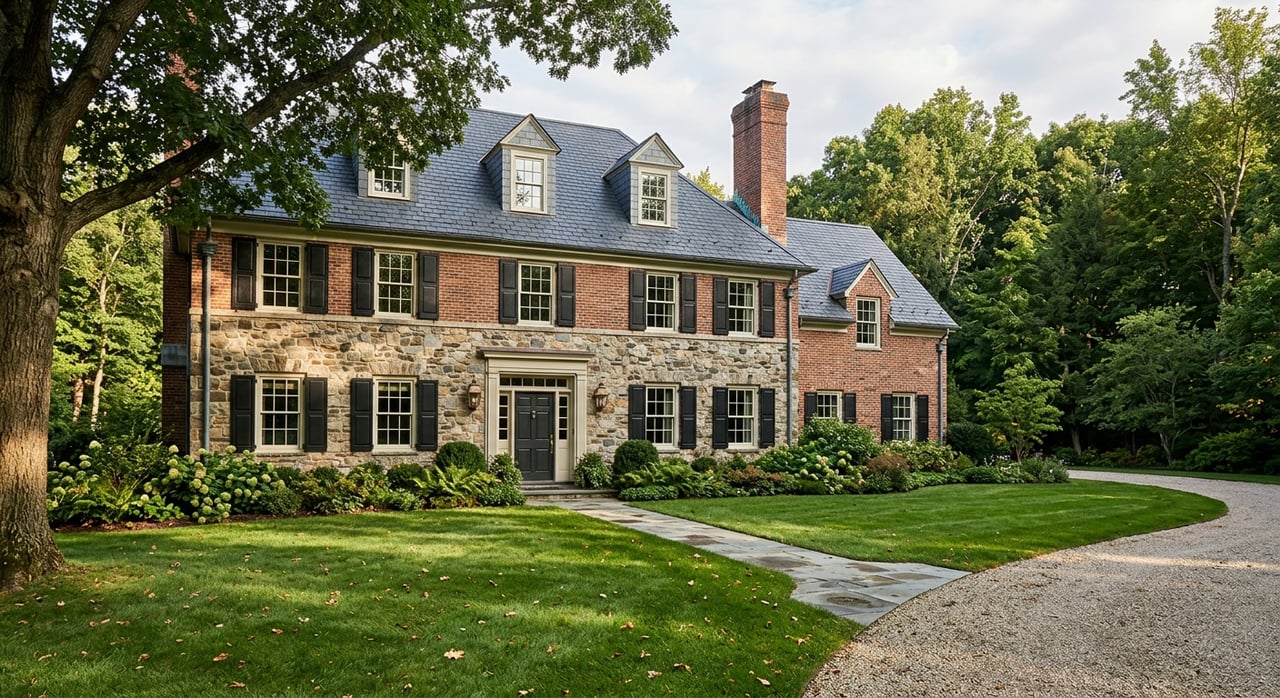
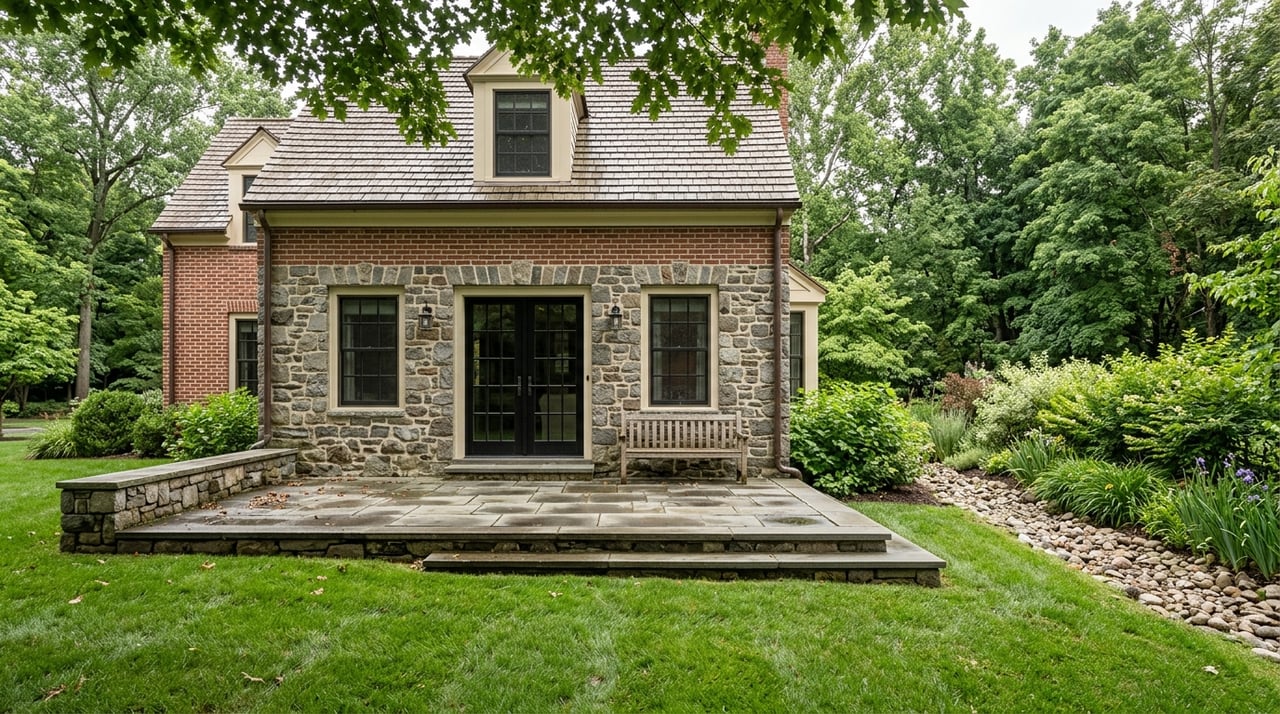
For an estate, though, the calendar should never outrank readiness. In Doylestown and Buckingham, grounds, approach, light, and privacy buffers are part of the value story. A home with mature landscaping, long driveways, outbuildings, gardens, or open land often shows best when the property is fully green, well maintained, and professionally photographed.
When spring is worth waiting for
Spring is often ideal if your estate relies on outdoor appeal. That can include lawns coming back, gardens in bloom, cleaner sightlines for aerial imagery, and stronger natural light across the house and land.
It is also the season when buyers can better understand how the property lives beyond the main residence. If a pool, terraces, sport court, carriage house, barn, or preserved acreage is part of the offering, spring presentation can make the full setting easier to grasp.
When to list earlier or later
You do not need to force a spring launch if the property is not ready. If records are incomplete, repairs are unfinished, or disclosure questions still need answers, waiting can protect your pricing position and reduce avoidable friction later.
Likewise, if your estate presents beautifully in another season, local readiness should lead the decision. A fully prepared launch with strong media and clean documentation usually outperforms an early listing that feels incomplete.
How far ahead you should prepare
For most estate sellers, the best results come from starting 6 to 12 months before you want to go live. That window gives you time to collect records, resolve open questions, test systems, and make thoughtful repair decisions instead of reactive ones.
A practical timeline looks like this:
- 6 to 12 months out: gather records, confirm acreage, identify easements or preservation status, review well and septic information, and decide which repairs are worth making before photography.
- 3 to 4 months out: finalize landscaping, staging, and media planning so the property is ready to launch when the grounds look their best.
- 2 to 4 weeks out: choose whether the property should launch as Office Exclusive, Coming Soon, or Active under Bright MLS rules.
- Launch week: if timing is flexible, a Thursday launch in spring or late spring is the strongest general pattern, but only if the property is fully prepared.
Start with records and property facts
Estate buyers tend to ask deeper questions, sooner. Before your home goes live, it helps to assemble a clean documentation packet with the deed, subdivision plans, recorded easements, permits, and records of improvements.
This matters in Bucks County because buyers are often directed to review recorded documents for easements and restrictions. The Bucks County Recorder of Deeds maintains real estate records, and a pre-list records audit can surface issues before they become negotiation problems.
Check for easements and restrictions
Pennsylvania’s disclosure form asks directly about encroachments, easements, title defects, liens, zoning or ordinance violations, flood zones or wetlands, and other material defects. If your estate includes shared drives, utility easements, conservation restrictions, or access questions, you want those clarified early.
That is especially important for larger parcels where land use assumptions can affect value. If buyers discover a restriction late in the process, they may renegotiate, delay, or walk away.
Confirm preservation status
If the parcel is a preserved farm or carries a conservation easement, that status should be identified and explained before launch. Bucks County’s preservation program has preserved 19,242 acres across 256 farms, and preserved parcels permanently limit development rights.
For the right buyer, preserved land can be a meaningful feature. But it should be presented clearly and accurately so expectations match the property’s actual rights and limitations.
Handle disclosure before buyers ask
Pennsylvania requires sellers to disclose known material defects that are not readily observable, and the completed disclosure must be delivered before an agreement of sale is executed. The form covers a wide range of issues, including roof concerns, basement water, wells, septic, hazardous substances, stormwater facilities, and more.
For an estate property, disclosure is not a last-minute formality. It should be part of your preparation strategy, because larger homes and country properties often have more systems, more history, and more opportunities for questions.
Focus on country-property systems
Private water and on-site sewage deserve special attention. Pennsylvania DEP notes that the state does not regulate private homeowner wells, while EPA recommends annual testing for total coliform bacteria, nitrates, total dissolved solids, and pH. Penn State also recommends annual bacteria testing, with pH and TDS every three years, plus added testing when agriculture or septic conditions make that sensible.
On the sewage side, the Bucks County Health Department permits on-site sewage facilities and handles malfunction investigations and repair matters. If your estate has a septic system, having permits, service records, and current information ready can help buyers evaluate the property with more confidence.
Consider a pre-list inspection
A pre-list inspection can make sense for estate sellers because it helps you learn what a buyer is likely to find. Zillow’s seller survey found that 54% of sellers had at least one offer fall through, with financing, appraisal shortfalls, and inspection issues among the leading causes.
That does not mean every issue must be fixed before launch. It does mean that known conditions, repair priorities, and likely negotiation points should be understood in advance.
Price the estate, not the zip code
One of the biggest mistakes in the luxury and estate segment is relying too heavily on broad local averages. Doylestown and Buckingham are strong markets, but the 18902 data shows that higher-priced properties can spend much longer on market than the median home.
That is why estate pricing should reflect the actual asset, not just the town name. Acreage, architectural quality, outbuildings, privacy, condition, system updates, preservation status, and usable land all shape value and buyer demand.
Why presentation affects pricing power
In estate sales, pricing and presentation work together. Buyers at this level expect to understand not just square footage and room count, but also layout, setting, arrival sequence, land use, and how the property feels as a whole.
A polished launch can support stronger pricing because it reduces uncertainty. It helps buyers see why a property is different, and it gives them a clearer framework for comparing it to other options.
Build the right media package
For a Doylestown-Buckingham estate, photos alone are rarely enough. Zillow has noted that buyers respond to listings that go beyond basic photos and facts, with tools like 3D floor plans and aerial-style exterior views helping people understand flow, setting, yards, driveways, and surrounding context.
That approach is especially important for larger properties where the value extends beyond the main house. Buyers should be able to understand the residence, the approach, the acreage, and the relationship between indoor and outdoor spaces before they ever visit.
What estate marketing should show
A strong estate media plan may include:
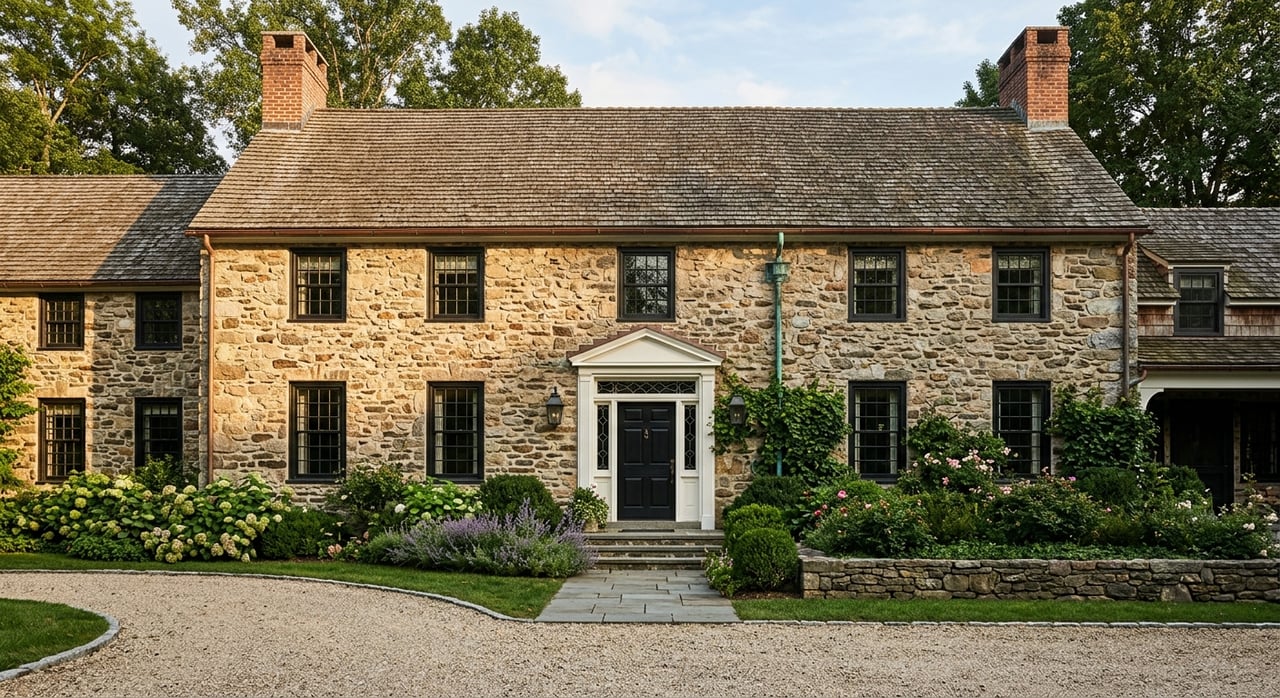
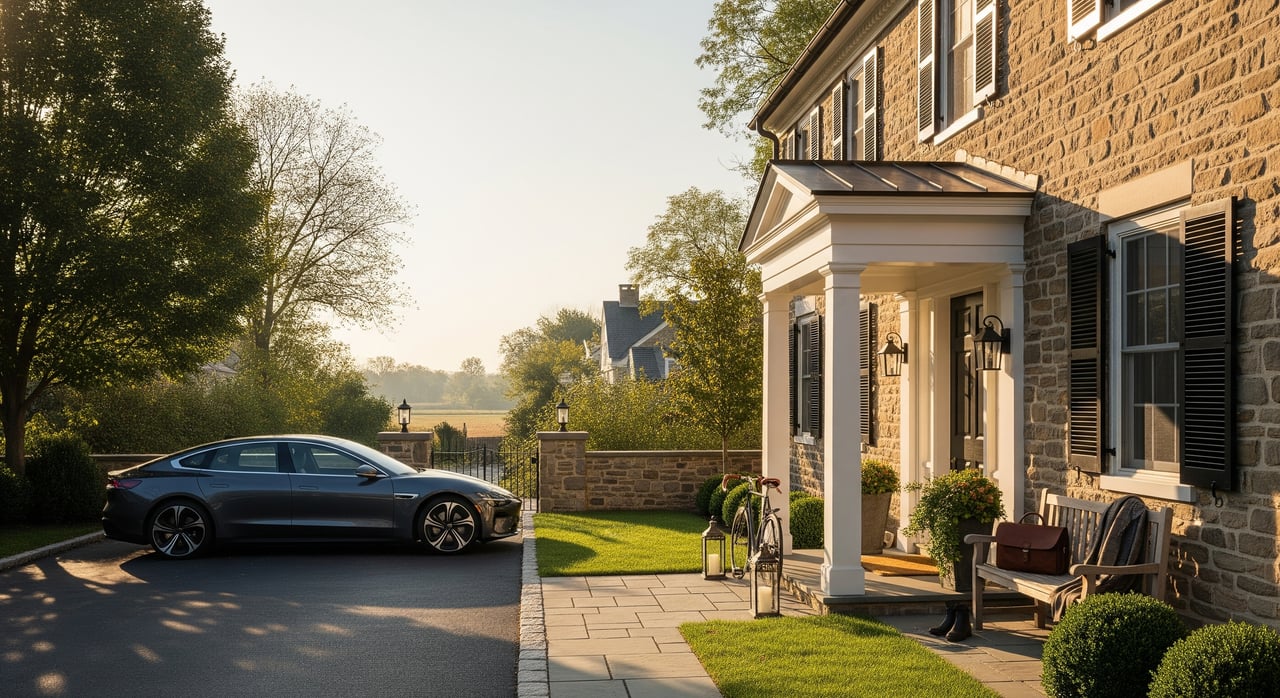
- The front approach and sense of arrival
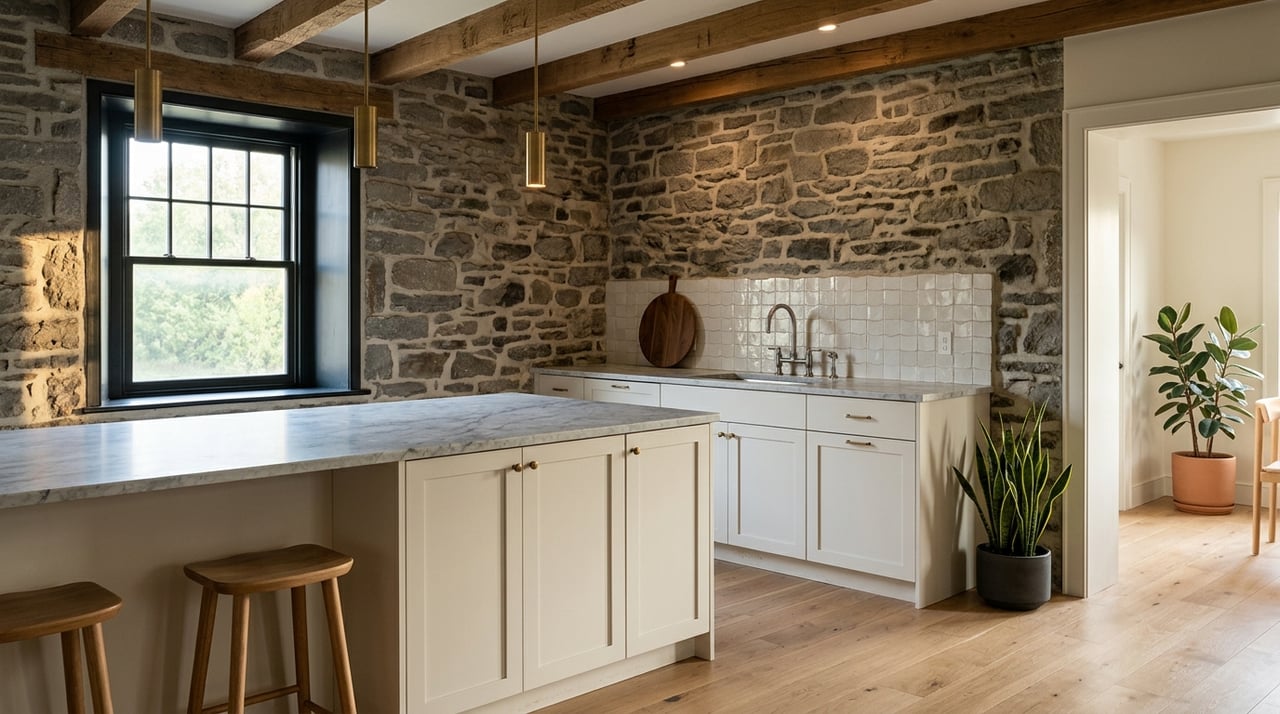
- The main residence and how key rooms connect
- Outdoor living areas, gardens, and terraces
- Pool areas, sport courts, barns, or accessory structures
- Driveways, parking areas, and privacy buffers
- Aerial context that helps explain land layout and surroundings
For Douglas Pearson’s clients, this kind of presentation fits a high-touch, full-service strategy. Cinematic photography and videography, curated storytelling, and broad distribution are most effective when the property facts and visuals are aligned from day one.
Protect privacy with the right launch status
Discretion matters for many estate sellers, but privacy has to be handled within Bright MLS rules. Bright allows an Office Exclusive when the seller wants privacy and the listing is not publicly marketed or distributed by Bright to other subscribers.
Bright also defines public marketing broadly. Yard signs and public-facing digital marketing count, and once public marketing begins, the listing must be changed to Active within one business day.
Office Exclusive vs Coming Soon
If confidentiality is your top priority, Office Exclusive may be the right fit, but only if you are comfortable avoiding public marketing during that phase. This can work for sellers who want a tightly controlled rollout.
If you want pre-market exposure without showings, Bright also allows Coming Soon status for up to 21 days. That can be useful when you want to build interest before the full launch, but it still needs to be managed carefully and within the rules.
Choose the right launch week
Once the property is truly ready, launch week becomes more meaningful. Zillow says Thursday has historically been the strongest day to launch, and spring to late spring is the most supported general pattern.
For an estate, though, launch week should be chosen around real-world presentation. If the landscaping is not ready, the aerials are not complete, or the disclosure packet still has gaps, a theoretically perfect week on paper may not serve you well.
A thoughtful launch usually wins
In Doylestown and Buckingham, the market can reward sellers who come to market with precision. But estates are rarely plug-and-play listings. They demand stronger documentation, better storytelling, more careful pricing, and a launch strategy that respects both presentation and privacy.
If you are planning a sale in the next 6 to 12 months, the best time to start is usually earlier than you think. A disciplined pre-list process can help you protect value, reduce surprises, and bring your property to market with the clarity serious buyers expect.
If you are considering the sale of a Doylestown-Buckingham estate and want a discreet, fully managed strategy, Douglas Pearson offers owner-level guidance, tailored presentation, and a private valuation and consultation.
FAQs
When is the best time to list an estate in Doylestown or Buckingham?
- If your timing is flexible, spring through early summer is generally the strongest window, but the best results usually come when the property, grounds, records, and media are fully prepared.
How early should you prepare a Bucks County estate for sale?
- A 6- to 12-month runway is often ideal for collecting records, reviewing easements, testing well water, organizing septic documentation, planning repairs, and preparing photography and video.
Can you sell a Doylestown-Buckingham estate privately?
- Yes, but privacy must follow Bright MLS rules. An Office Exclusive can support confidentiality if the property is not publicly marketed, and Coming Soon may be used for limited pre-marketing without showings for up to 21 days.
What disclosures matter most for a Pennsylvania estate sale?
- Pennsylvania requires disclosure of known material defects that are not readily observable, including issues related to the roof, water intrusion, wells, septic, easements, flood zones, hazardous substances, liens, title defects, and zoning or ordinance violations.
What should be included in a pre-list package for a Bucks County estate?
- A strong package may include the deed, subdivision plans, recorded easements, permits, improvement records, well test results, septic records, and any documentation related to preserved farmland or conservation easements.
Why do estate homes sometimes take longer to sell in Doylestown area zip codes?
- Higher-priced properties often have a smaller buyer pool and more detailed due diligence, so pricing, condition, documentation, and presentation tend to matter more than they do for the average home in the market.