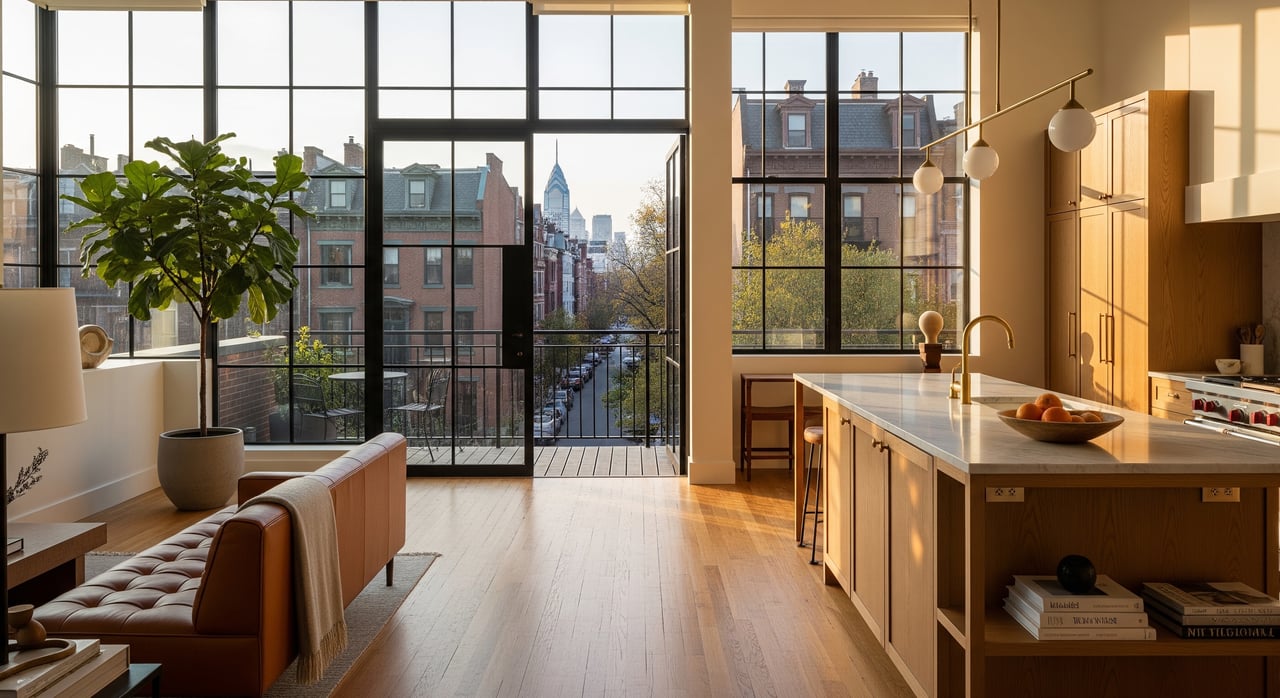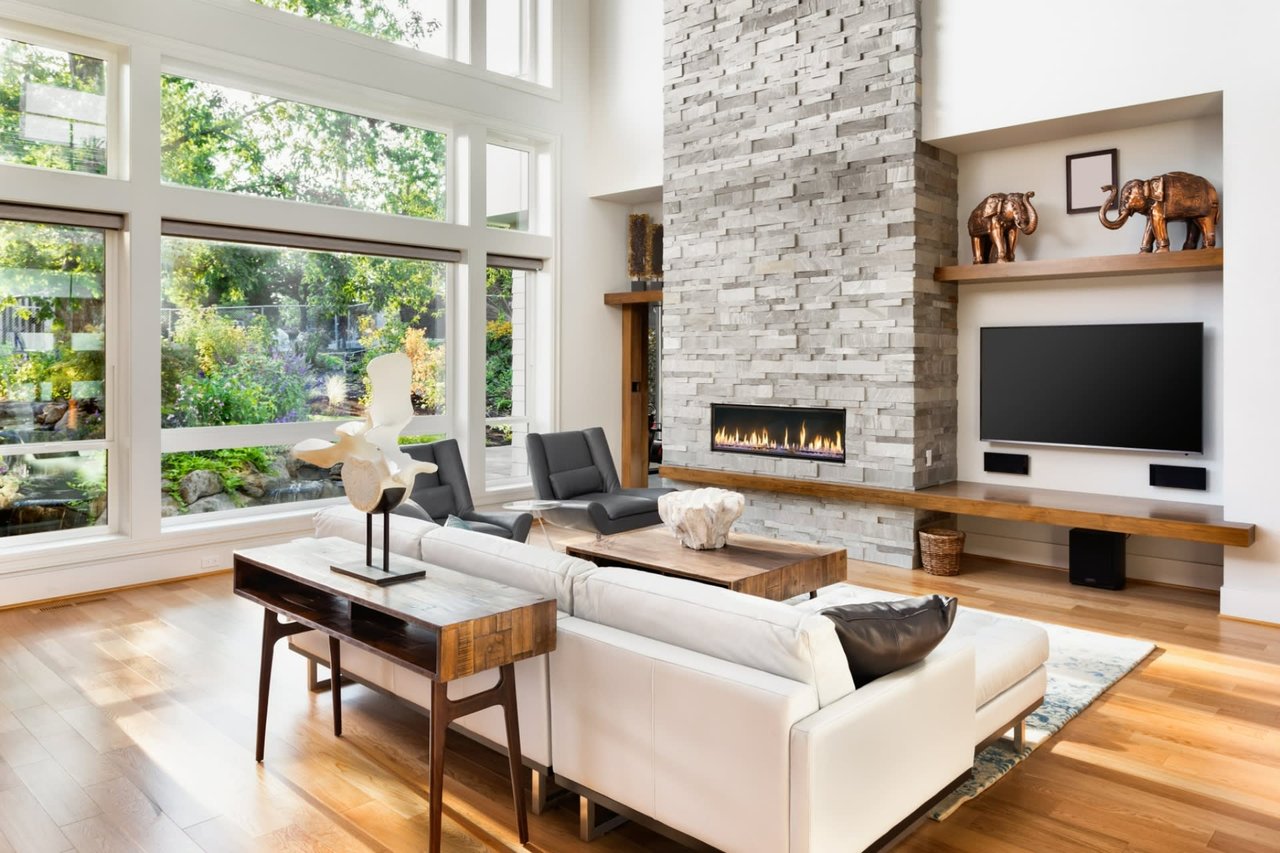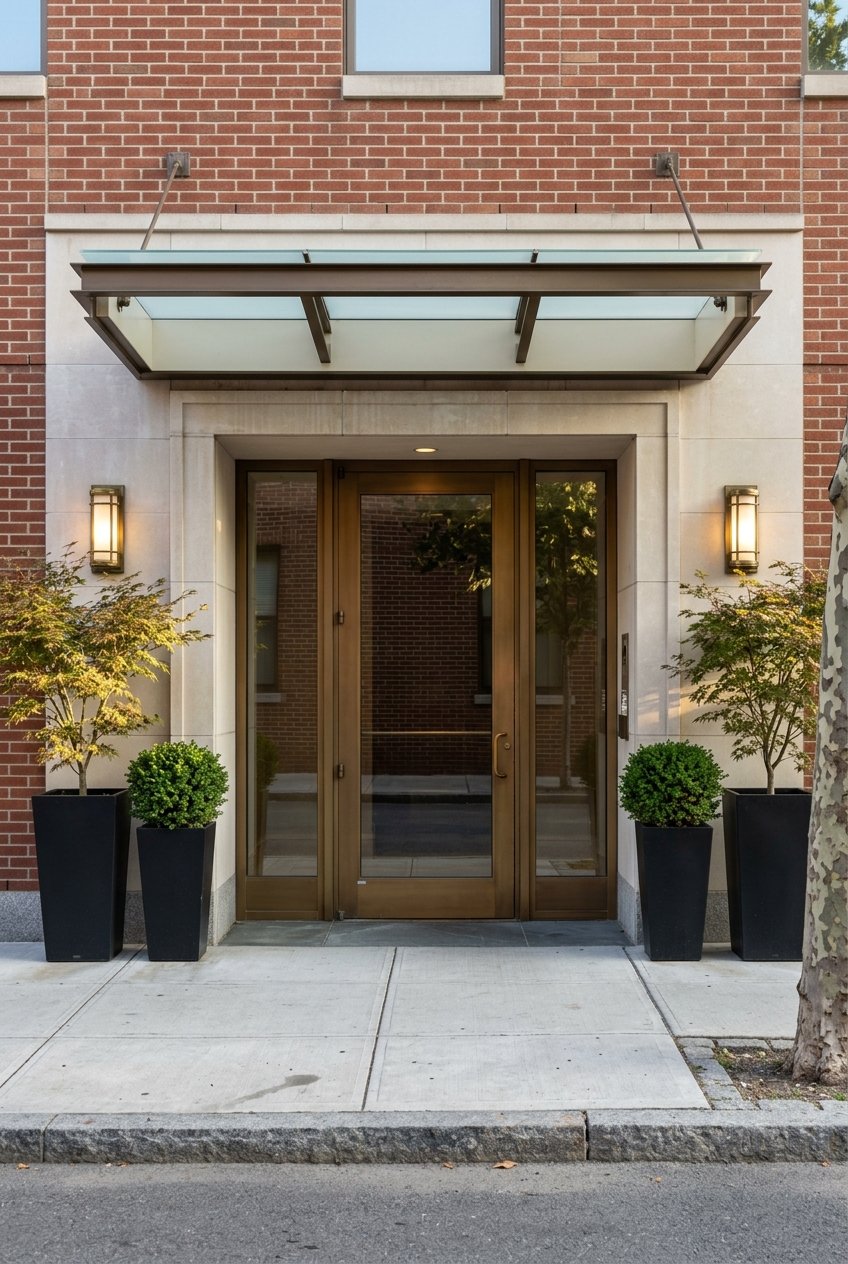
Choosing a luxury condo building in Rittenhouse Square is not just about finding the right address. It is about finding the right way to live. If you are comparing full-service towers, historic buildings, and private boutique residences, the options can feel surprisingly different from one another. This guide will help you sort through the trade-offs that matter most so you can choose with more clarity and confidence. Let’s dive in.
Why building choice matters
In Rittenhouse Square, the building often matters as much as the individual residence. The neighborhood offers a mix of newer amenity-rich towers, historic conversions, hotel-connected residences, and low-density boutique buildings within just a few walkable blocks.
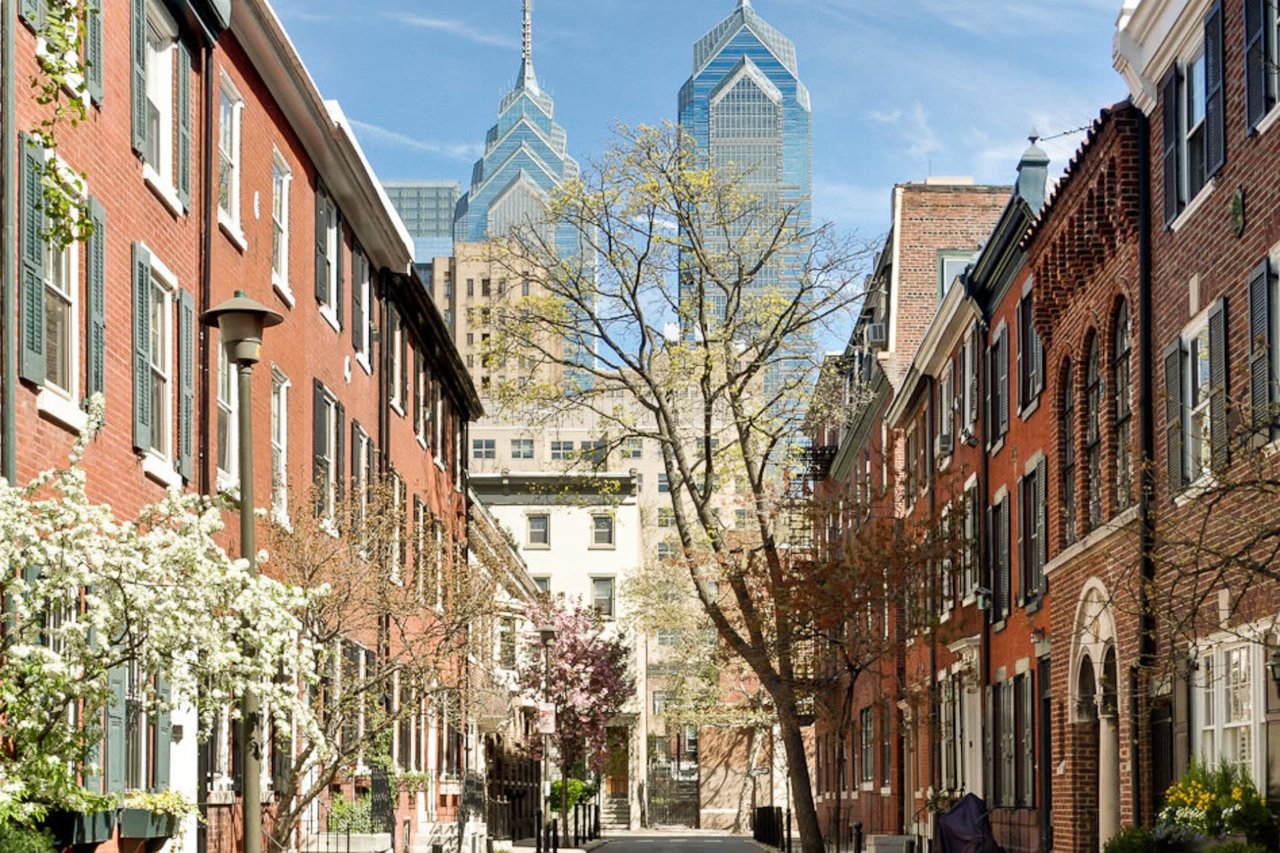
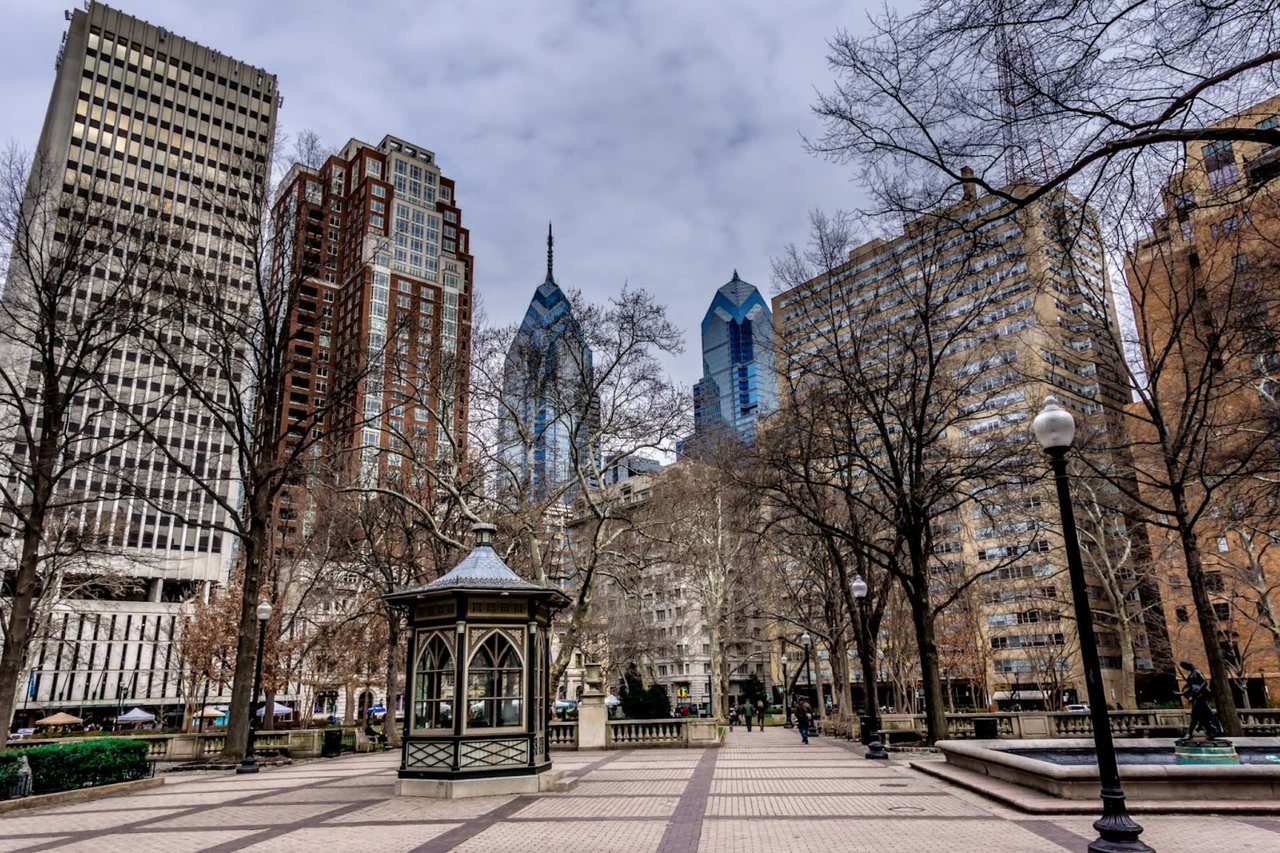
That variety is part of the appeal. Rittenhouse Square remains one of Philadelphia’s most established luxury residential districts, centered on a one-block park and surrounded by shopping, dining, cultural institutions, and historic streets. Because the setting is so strong, your decision often comes down to service model, architecture, privacy, and carrying costs more than location alone.
Recent top-end market activity also supports a more selective approach. Reporting on the 19103 market in 2025 pointed to renewed demand for newer buildings and select trophy units, with 12 ultra-luxury sales recorded in Rittenhouse Square in the fourth quarter of 2024. In practical terms, that means the best fit is usually the building and unit combination that aligns with how you plan to use the home.
Start with your lifestyle priorities
Before you compare finishes or views, think about your daily routine. Do you want valet service, a concierge, and multiple amenity spaces? Or would you rather have fewer neighbors, more privacy, and a quieter arrival experience?
For many buyers, this is the real dividing line. In Rittenhouse, one building may feel like a luxury hotel, while another feels more like a classic city residence with traditional proportions and a formal lobby.
If you want full-service tower living
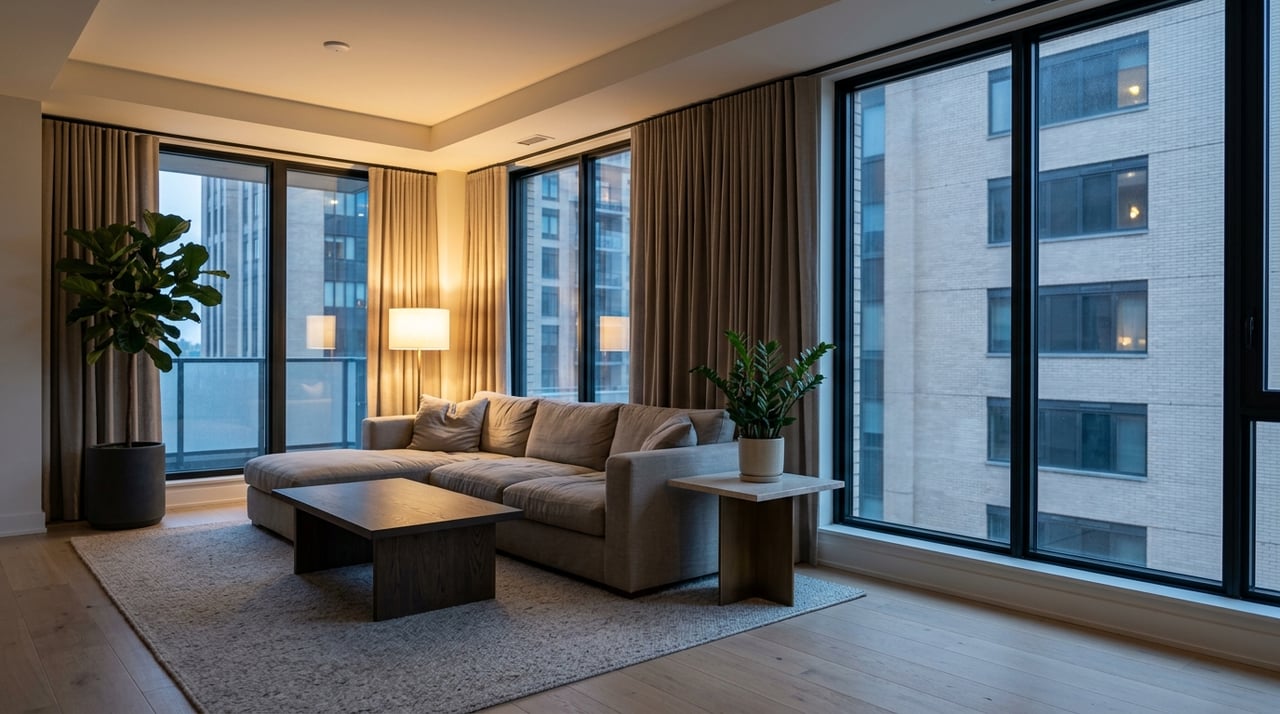
Newer towers tend to appeal to buyers who want a polished, amenity-driven experience. These buildings often feature concierge service, valet parking, fitness facilities, pools, and shared spaces designed for convenience and entertaining.
10 Rittenhouse is a strong example. It includes 161 condominium residences, below-grade parking, retail at street level, and amenities such as concierge service, valet parking, a saline lap pool, spa, fitness center, clubroom, board room, wine storage, and restaurant access. For many buyers, it offers a classic trophy-tower feel with a more established presence.
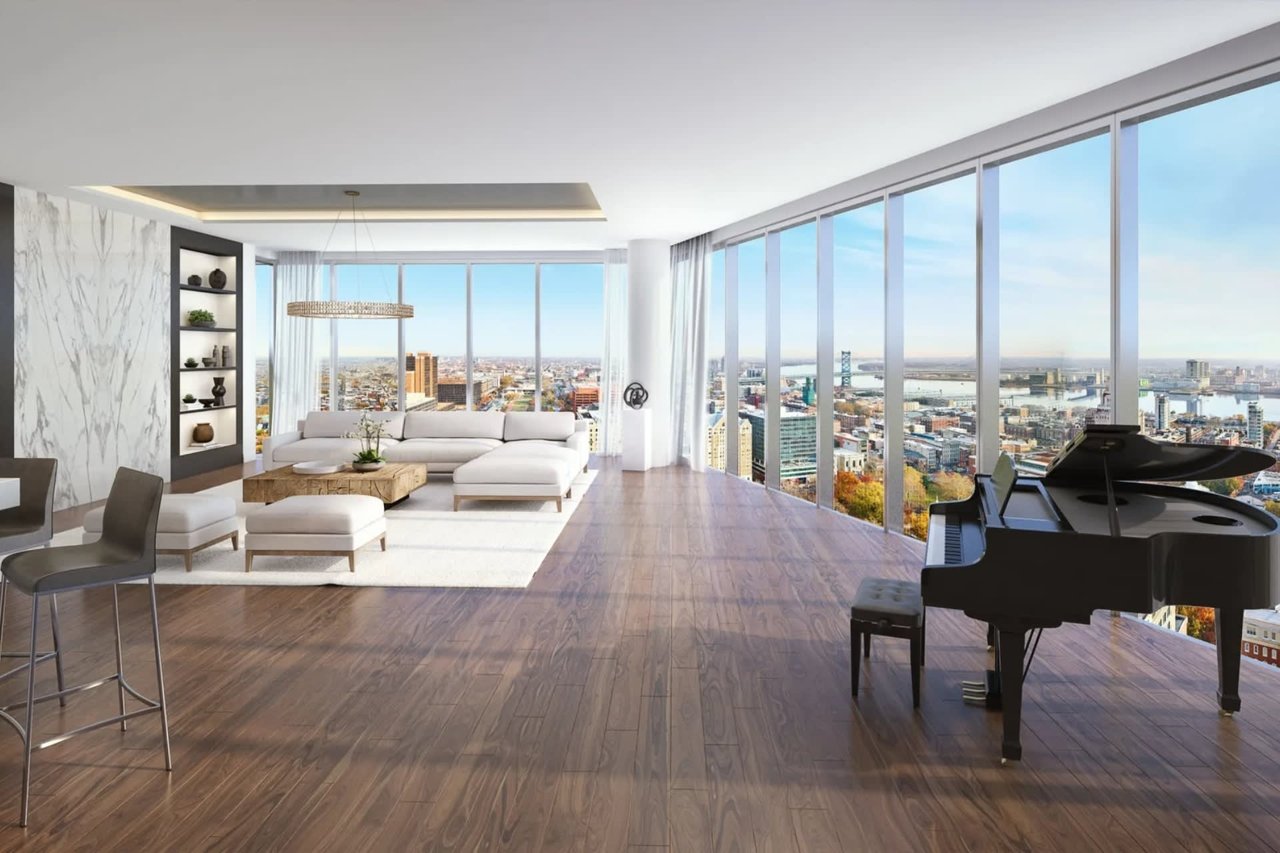
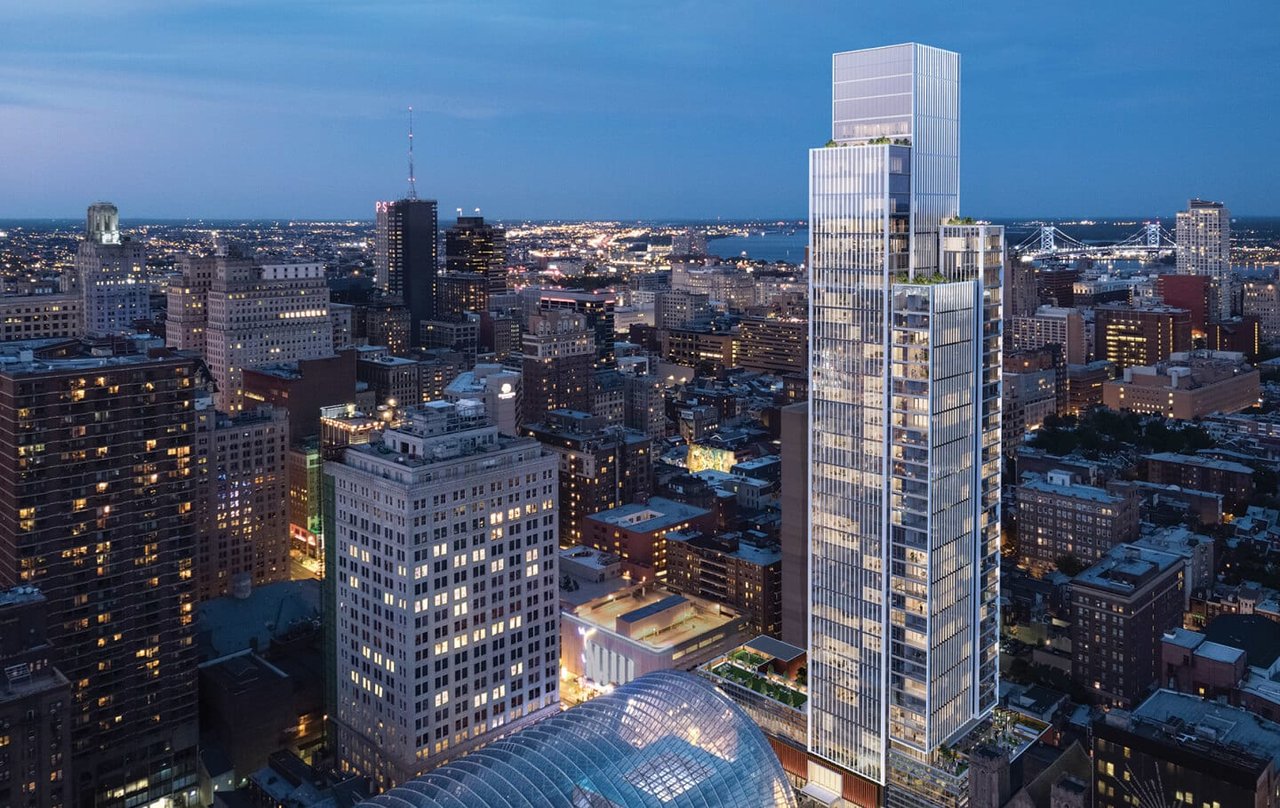
The Laurel is the newest major statement in the neighborhood. It is described as the tallest residential building in Philadelphia and includes 65 condominium units above apartments, along with valet parking, indoor and outdoor pools, a fitness center, locker rooms, sauna, yoga and Peloton room, club room, terrace, conference room, dog spa, and private town car service. If you prioritize newer construction, high-floor views, and a highly amenitized lifestyle, this may be the clearest fit.
If you prefer historic character
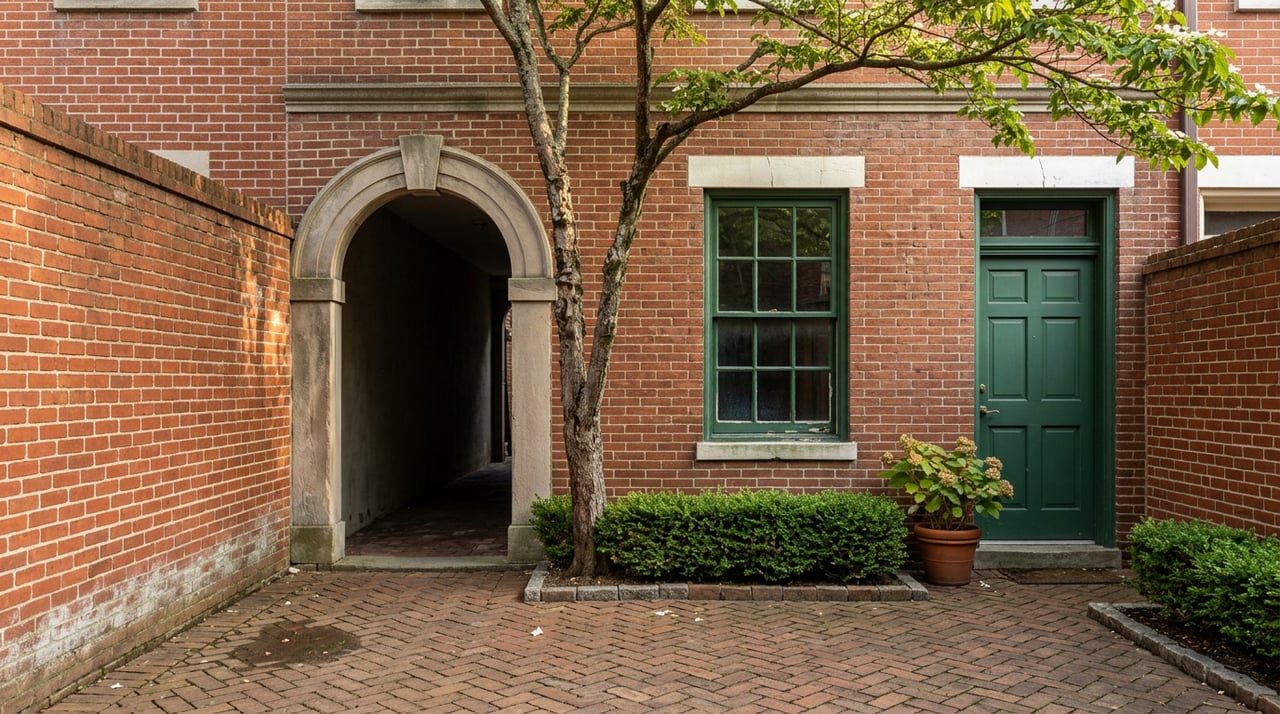
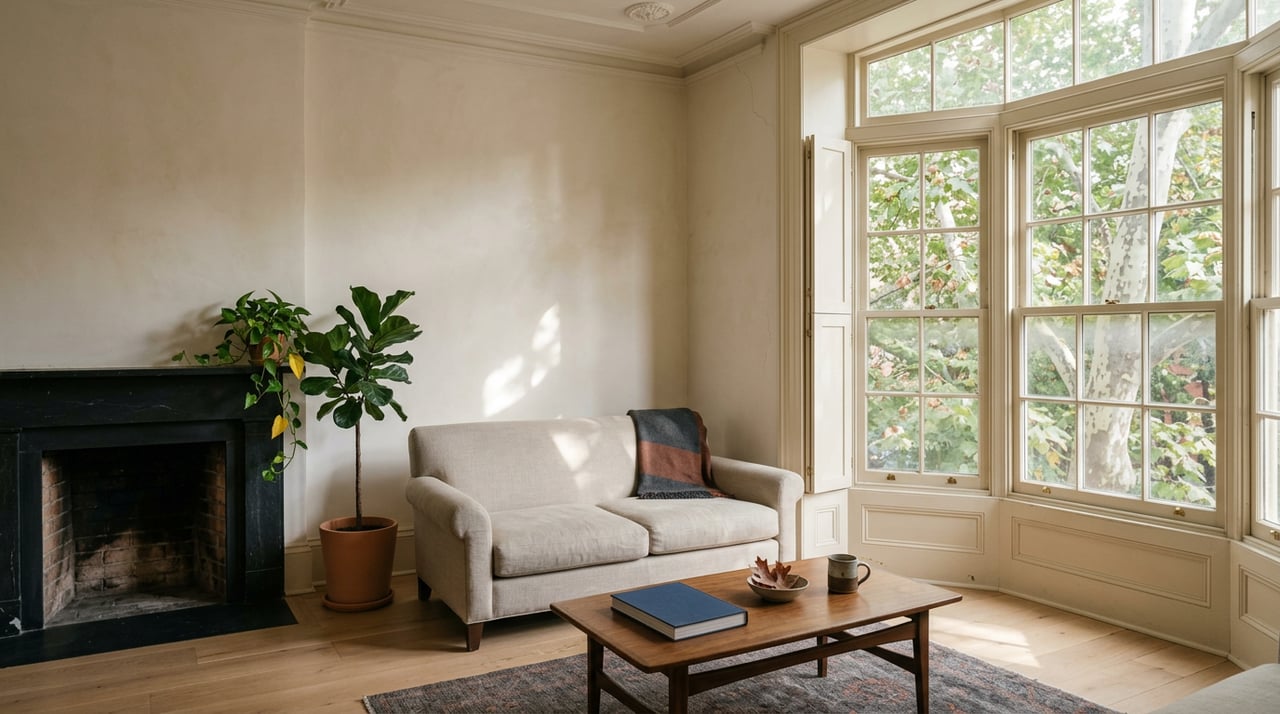
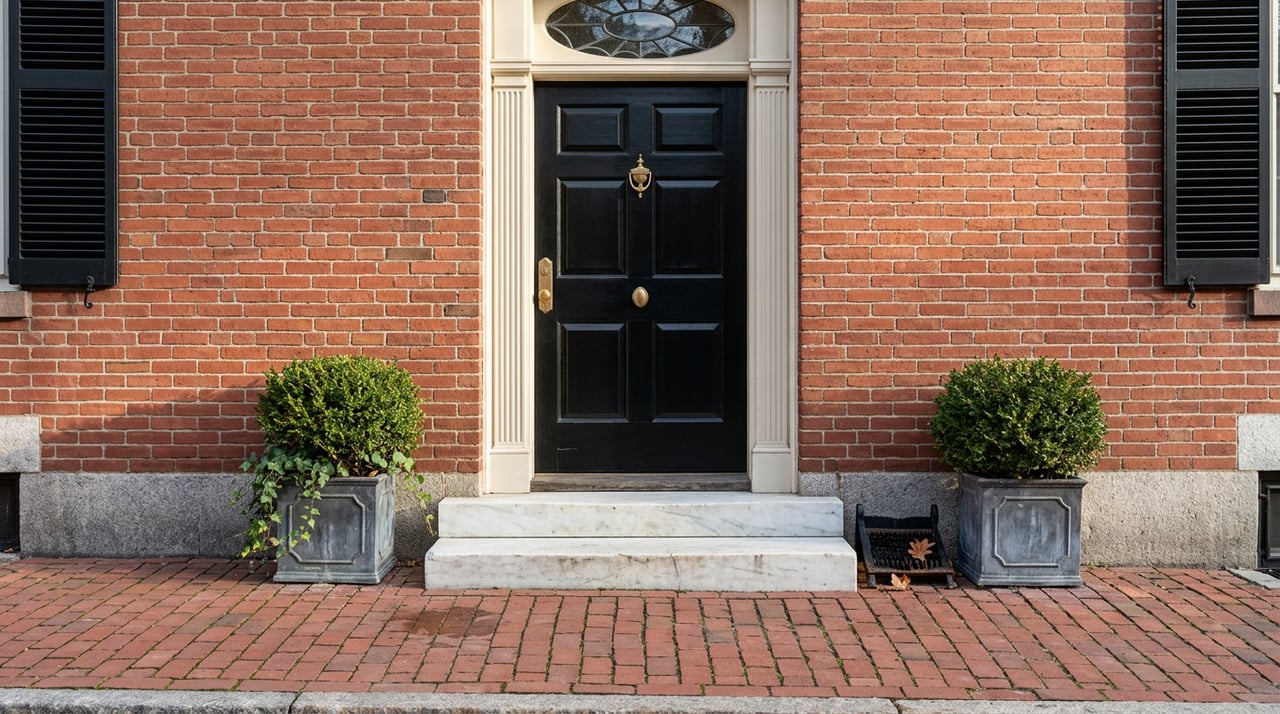
Some buyers want architectural history, formal layouts, and the sense of permanence that pre-war buildings can offer. In Rittenhouse, these homes often trade some of the glass-and-tower aesthetic for original character and a more traditional residential feel.
Parc Rittenhouse began as the Penn Athletic Club in 1925 and is a contributing property in the Rittenhouse-Fitler Historic District. Today it offers condo living with amenities that include a rooftop pool club, fitness center, resident lounge, media room, doorman, concierge, and garage parking. It can be a compelling option if you want history with a modern amenity package.
Rittenhouse Plaza stands apart because it is a pre-war co-op rather than a standard condo. Buyers often consider it for formal layouts, an Art Deco lobby, a 24-hour doorman, concierge service, a shared courtyard, and a bundled monthly fee structure that may include taxes and several utilities. If you value old-world architecture and want a different ownership model, it deserves close attention.
The Barclay is another important pre-war comparison point. Located on the southeast corner of the square, it is known for its 1929 origins, later condo conversion, fitness center, rooftop terrace, and 24-hour doorman. It often appeals to buyers who want classic architecture without moving fully into a newer tower lifestyle.
If privacy matters most
Not every luxury buyer wants a large building with heavy amenity traffic. If privacy, limited neighbors, and direct access are high on your list, a boutique building may be a better match.
1706 Rittenhouse is one of the strongest examples of this category. The building is described as having 31 full-floor residences, direct elevator access into the home, automated parking, 24-hour concierge, a fitness center, sauna, indoor lap pool, clubroom, conference center, and a resident garden. For buyers who value discretion and a low-density environment, this is a distinctive option.
If you want hotel-style service
Some buyers want a residence that feels like a private home but operates with hospitality-level support. That is a different experience from a standard condo tower.
The Rittenhouse Hotel and Condominiums is the clearest fit for that lifestyle. The property offers access to a health club, indoor saltwater pool, steam room, sauna, spa, valet, dining venues, and 24-hour concierge service. If you want a part-time residence or simply prefer a more service-forward operating model, this format can be especially appealing.
If value within the area matters
Luxury in Rittenhouse does not always mean choosing the most expensive trophy address. Some buyers want close access to the square while keeping monthly costs more measured.
Wanamaker House sits just off the square and is often considered by buyers looking for a better-value luxury option nearby. The building includes 24-hour doorman service, garage parking, a fitness center, and a seasonal rooftop pool. It is worth considering if you want the Rittenhouse lifestyle without paying for the highest-profile building profile.
Compare ownership structure carefully
One of the most important differences in Rittenhouse is not visible in the lobby. It is the ownership format.
A standard condominium, a co-op, and a hotel-connected residence can each come with different expectations around fees, operations, and daily experience. If you skip this step, it is easy to compare buildings as if they are equivalent when they are not.
Condo, co-op, or hotel residence
A condo typically gives you ownership of the residence itself, with monthly dues that support common areas and services. A co-op usually comes with a different fee structure and operating model, and in Rittenhouse Plaza, sample listings show that monthly fees can include taxes and utilities such as heat, water, and trash removal.
A hotel-condo arrangement, such as at The Rittenhouse Hotel and Condominiums, layers hospitality services into the experience. That can be a major advantage if convenience is a top priority, but it is a different lifestyle choice than a purely residential building.
Look beyond the monthly fee
Luxury buyers often compare fees early, but the headline number rarely tells the full story. In Rittenhouse, fee structures are not apples to apples.
For example, a sample 10 Rittenhouse listing showed monthly HOA dues of about $2,608 and included items such as common-area maintenance, health club access, heat, parking, pool, sauna, sewer, trash, and water. At 1706 Rittenhouse, a sample listing showed a much higher monthly fee that bundled pool access, water, parking fees, exterior maintenance, insurance, snow removal, and trash.
Parc Rittenhouse shows broad fee ranges depending on the unit, while Rittenhouse Plaza’s co-op structure may include taxes and utilities in the monthly figure. That is why you should always compare what is included before deciding whether one building is truly more expensive than another.
Evaluate views, parking, and layout
Once you narrow the building list, focus on the traits that tend to shape daily enjoyment and long-term appeal. In this part of the market, small differences can matter a great deal.
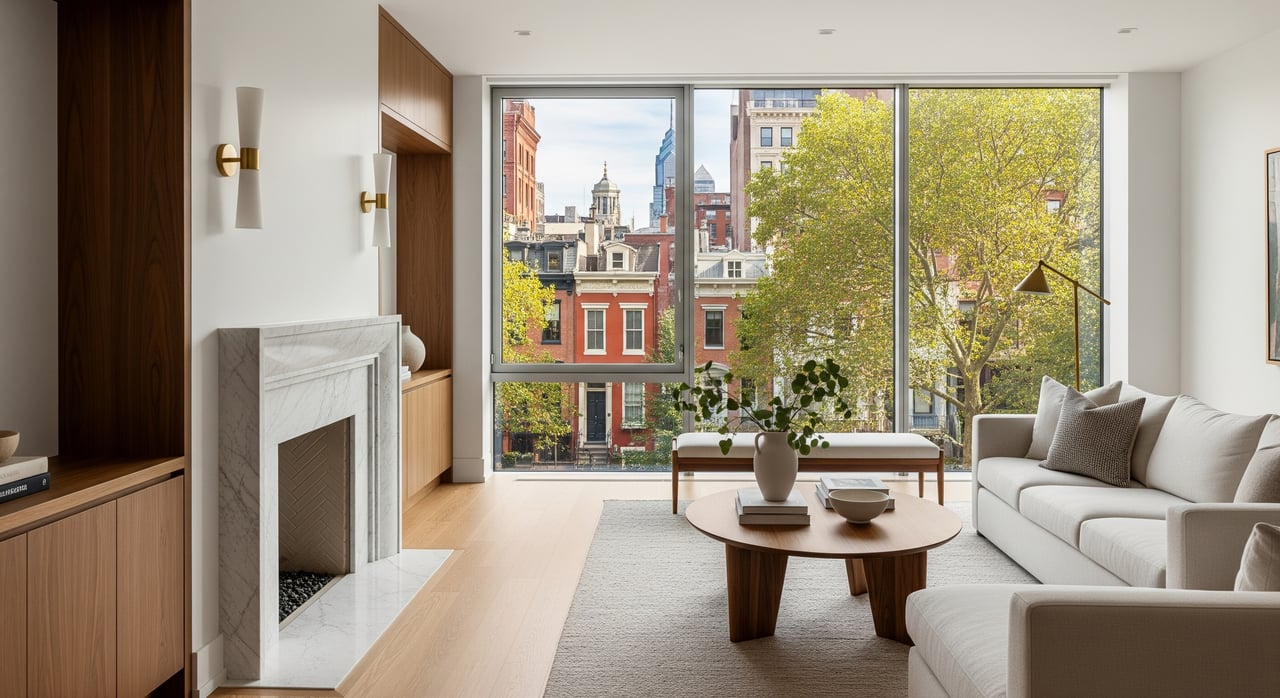
A residence with strong park or skyline views, natural light, efficient floor planning, and clear parking access may stand out more than one with a slightly better address but weaker fundamentals. This is especially relevant in a selective luxury market where buyers tend to be discerning.
Questions worth asking
Use this shortlist when comparing buildings and units:
- What exactly is included in the monthly fee, and what is billed separately?
- Is parking deeded, leased, valet-only, or subject to a waitlist?
- Do the views face the park, a side street, or another building?
- Is the property a condo or a co-op?
- Are there upcoming capital projects, assessments, or major mechanical upgrades?
- How much privacy do you actually have at the elevator, lobby, and amenity spaces?
- Are there historic-district considerations that could affect exterior changes or future renovation plans?
Consider architecture and daily feel
Buyers in Rittenhouse are often choosing between two design languages. Newer towers such as 10 Rittenhouse and The Laurel tend to emphasize large windows, high ceilings, terraces, and more contemporary systems.
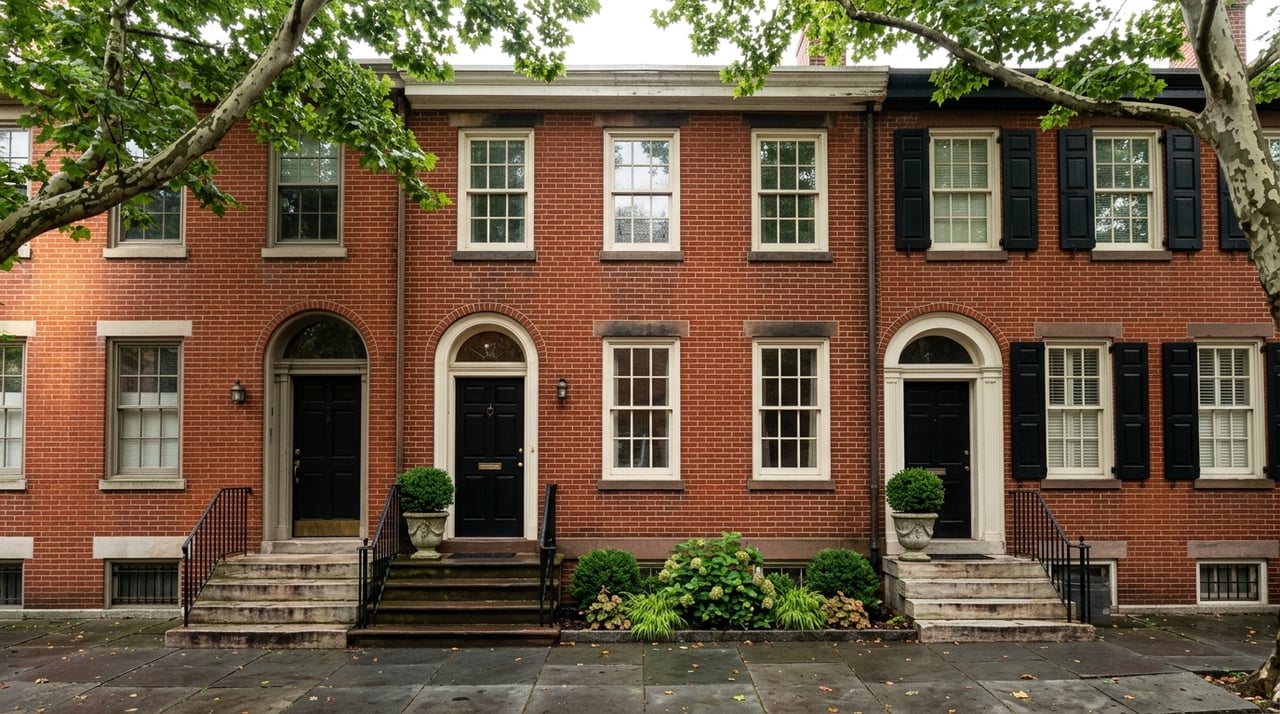
Pre-war and historic buildings such as Parc Rittenhouse and Rittenhouse Plaza lean into formal room layouts, traditional details, and a more classic city-residence feel. Neither is better in the abstract. The right choice depends on whether you want openness and modernity or architectural character and structure.
Think about resale position
Even if this is your long-term home, resale should still play a role in your decision. Recent reporting suggests that ultra-luxury demand in Rittenhouse remains active but selective, with newer move-in-ready buildings drawing particular interest.
That does not mean every newer unit outperforms every historic one. It suggests that buyers should pay close attention to the full package: views, parking, floor height, layout efficiency, natural light, building reputation, and service proposition. In this segment, the most resilient choice is usually the home that offers a clear and compelling reason for the next buyer to choose it.
A smart way to narrow your shortlist
If you are serious about buying in Rittenhouse, start by grouping buildings into lifestyle categories rather than touring everything at once. Most buyers can narrow the field quickly by deciding whether they want full-service tower living, pre-war character, boutique privacy, or hotel-style support.
From there, compare the actual operating model, monthly fee inclusions, parking arrangement, and unit-level strengths. That approach usually leads to a better decision than choosing based on prestige alone.
The right Rittenhouse luxury condo building is the one that fits your routine, priorities, and expectations for service. If you want a discreet, well-informed perspective on which buildings and units deserve your attention, Douglas Pearson offers private buyer guidance grounded in deep Center City market knowledge.
FAQs
What should you compare first in a Rittenhouse luxury condo building?
- Start with the building’s service model, ownership structure, monthly fee inclusions, privacy level, and parking setup before comparing finishes or staging.
Which Rittenhouse buildings are best for full-service amenities?
- Buildings often considered strongest for full-service living include 10 Rittenhouse and The Laurel, both of which offer concierge-focused operations and extensive amenity packages.
How is a Rittenhouse co-op different from a condo?
- A co-op such as Rittenhouse Plaza has a different ownership and fee structure than a condo, and sample listings show that monthly charges may include taxes and certain utilities.
Which Rittenhouse building is best for privacy?
- Buyers focused on privacy often look closely at 1706 Rittenhouse because it offers a limited number of residences and direct elevator access into the home.
Are monthly fees in Rittenhouse luxury buildings easy to compare?
- No. Fee structures vary widely by building and unit, so you should compare what is actually included rather than judging the monthly number by itself.
Do historic-district rules matter for Rittenhouse condo buyers?
- They can. Rittenhouse Square is part of a local historic district, and certain buildings and locations may involve review considerations for exterior changes.
Is newer construction always the better choice in Rittenhouse?
- Not necessarily. Newer buildings may appeal if you want modern systems and amenities, while historic buildings may be a better fit if you value character, formal layouts, and a more traditional residential feel.