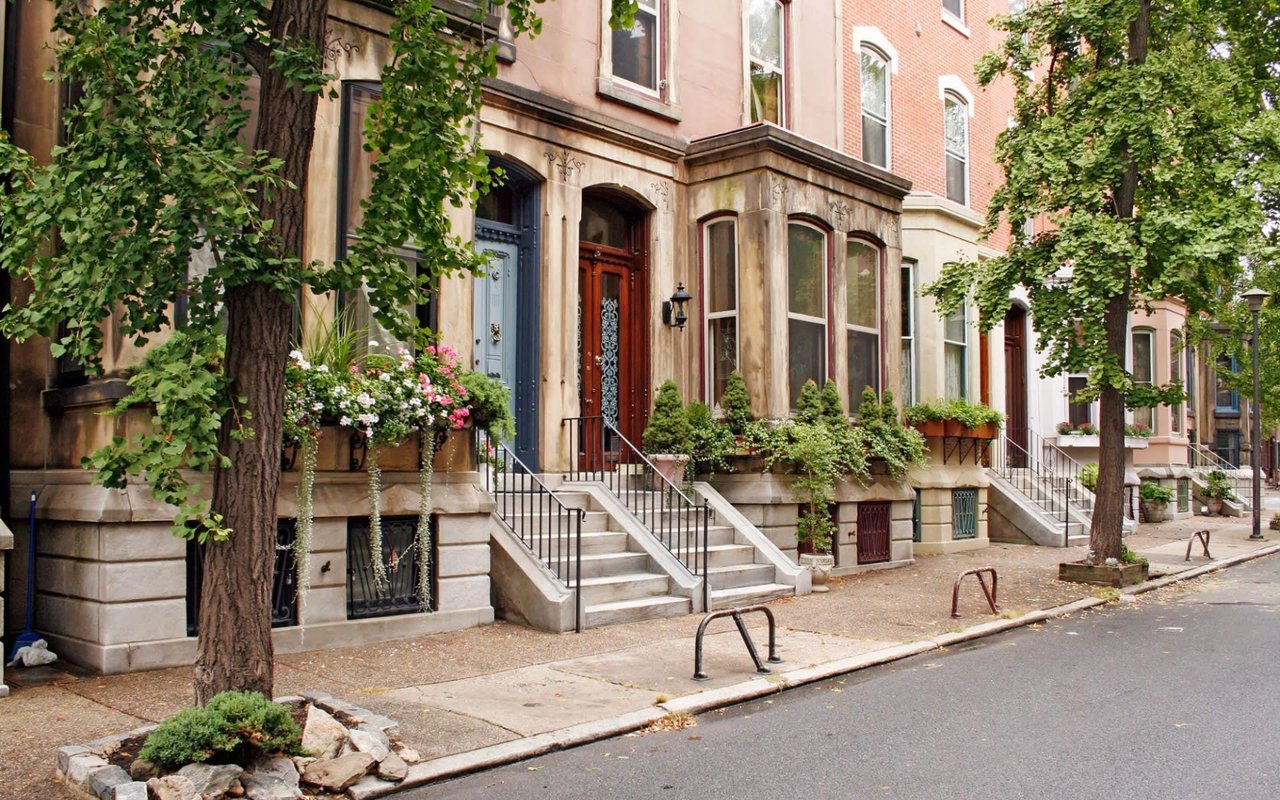
A Rittenhouse condo can do more than give you a city address. If you are weighing a pied-à-terre, a part-time residence, or a true investment unit, the decision comes down to how you plan to use the property, what the building allows, and whether the numbers hold up over time. In a market known for luxury pricing, strong walkability, and deep appeal to second-home buyers and premium renters, the right strategy matters. Let’s dive in.
Why Rittenhouse fits this use case
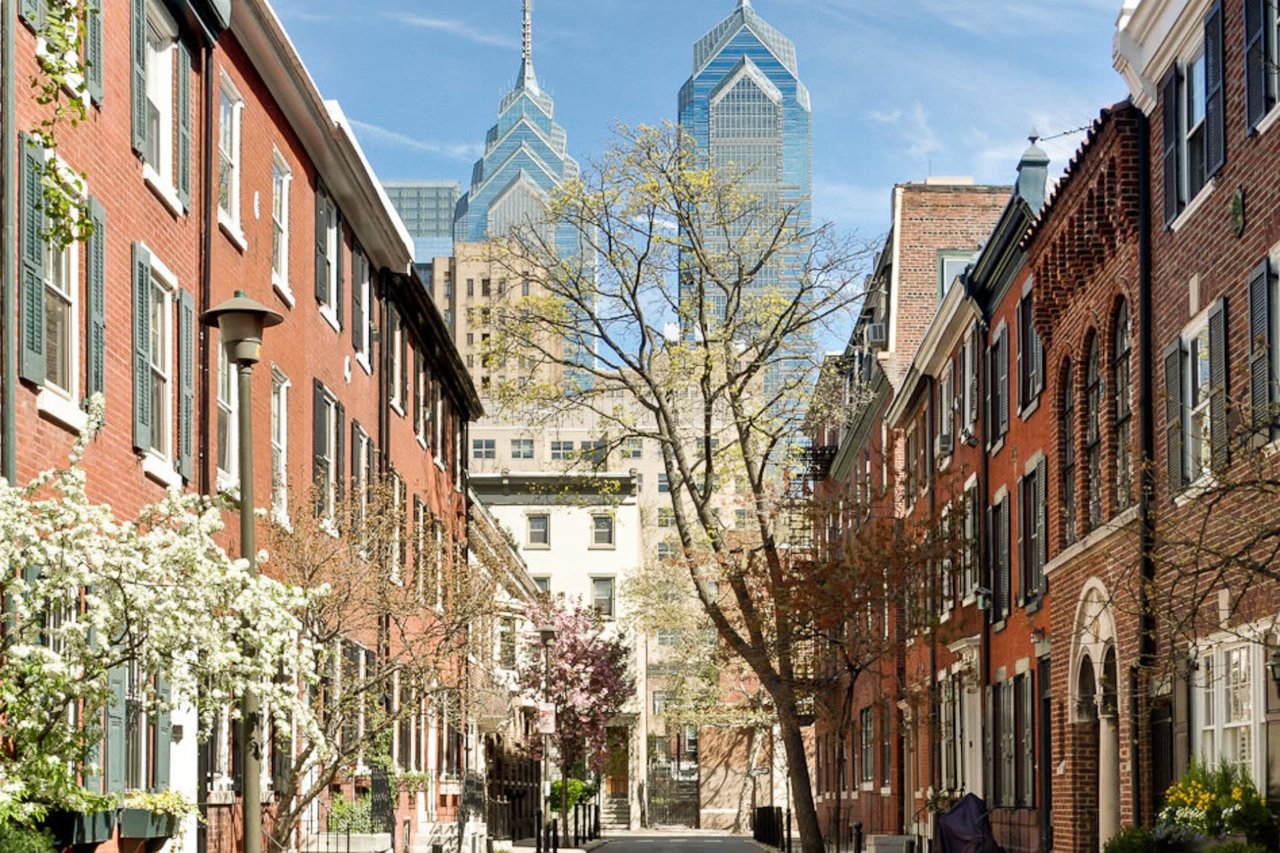
Rittenhouse Square remains one of Center City’s most established luxury condo markets. The neighborhood is centered around the park and known for its dense mix of dining, retail, cultural access, and easy pedestrian movement. SEPTA access and a highly walkable layout add to its appeal for buyers who want a convenient city base and for renters who value a low-friction daily routine.
That combination helps explain why Rittenhouse can work for both occasional personal use and income-producing ownership. It offers the kind of everyday convenience that supports demand from professionals, second-home users, downsizers, and renters looking for a polished urban experience.
Premium pricing still shapes the market
If you are considering Rittenhouse, it helps to start with the market’s pricing reality. The 19103 ZIP code recorded 12 ultra-luxury sales in the final quarter of 2024, and units at The Laurel sold at an average price of $3.64 million. In the broader Philadelphia metro luxury market, homes sold in about 64 days in November 2025 when well priced.
That does not mean every condo performs the same way. It means quality, building reputation, and pricing discipline matter. In a premium micro-market like Rittenhouse, the right unit can attract serious attention, but the wrong fit or unrealistic expectations can slow your result.
What makes a strong pied-à-terre
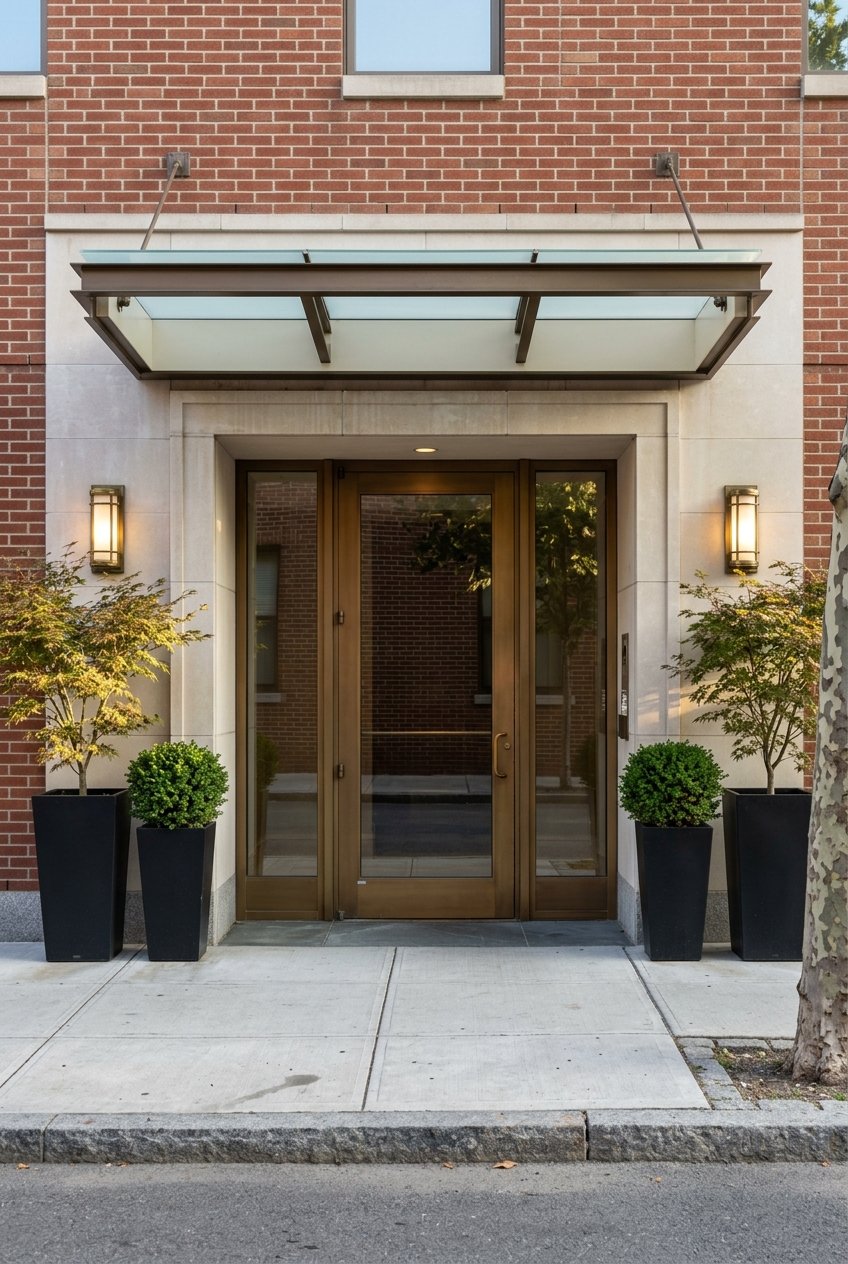
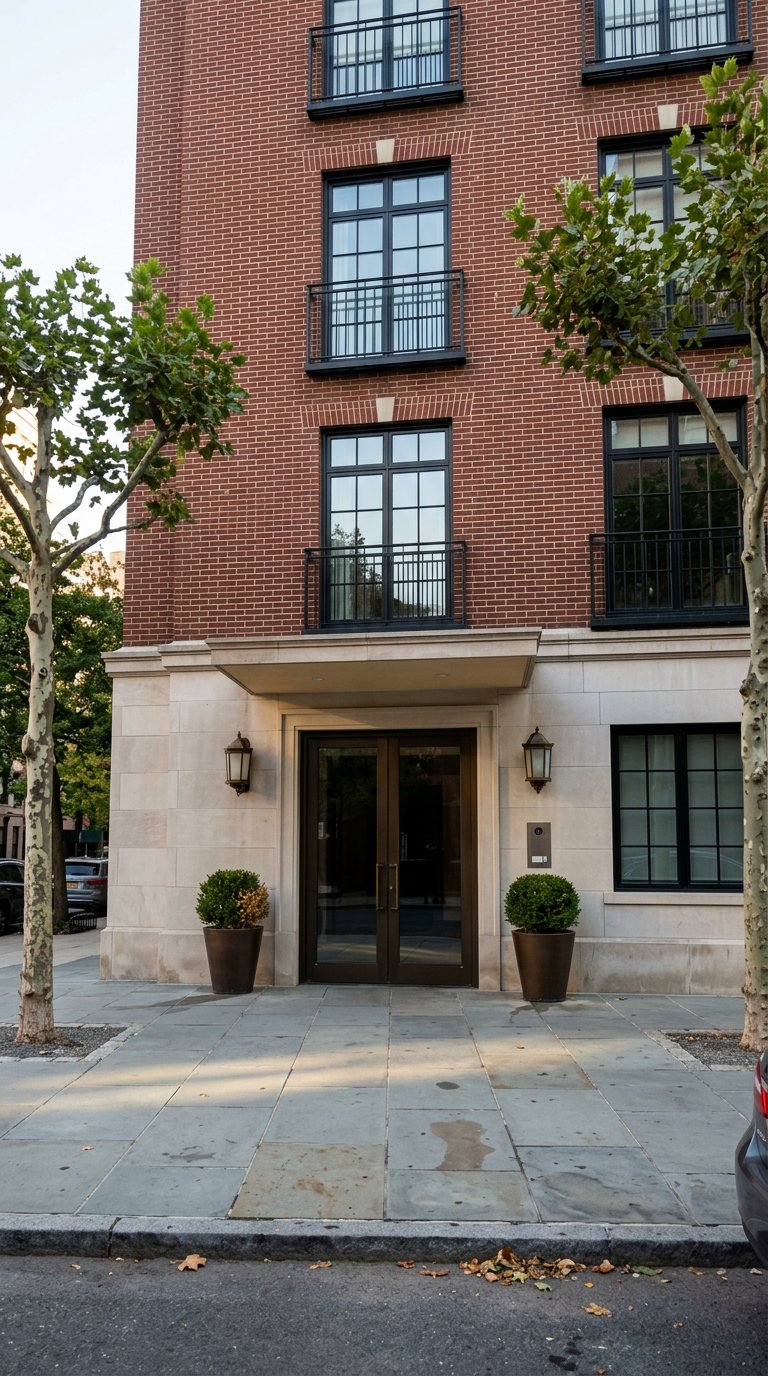
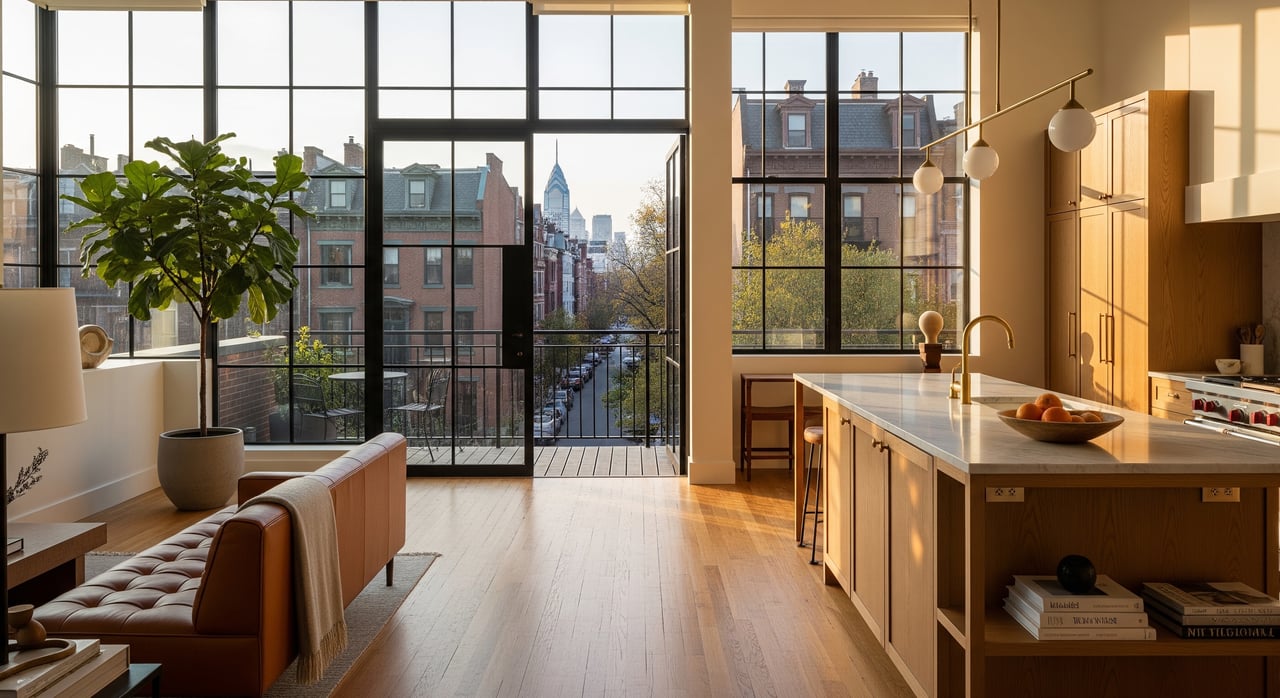
A successful pied-à-terre usually solves one problem well: it makes city living easy when you need it. For many buyers, that means a secure, low-maintenance residence with a strong arrival experience, good service, and immediate access to dining, shopping, and cultural venues.
In Rittenhouse, the most desirable pied-à-terre features often include:
- Newer or updated condition
- Doorman or attended building services
- Strong amenity package
- Park proximity
- Outdoor space
- Parking
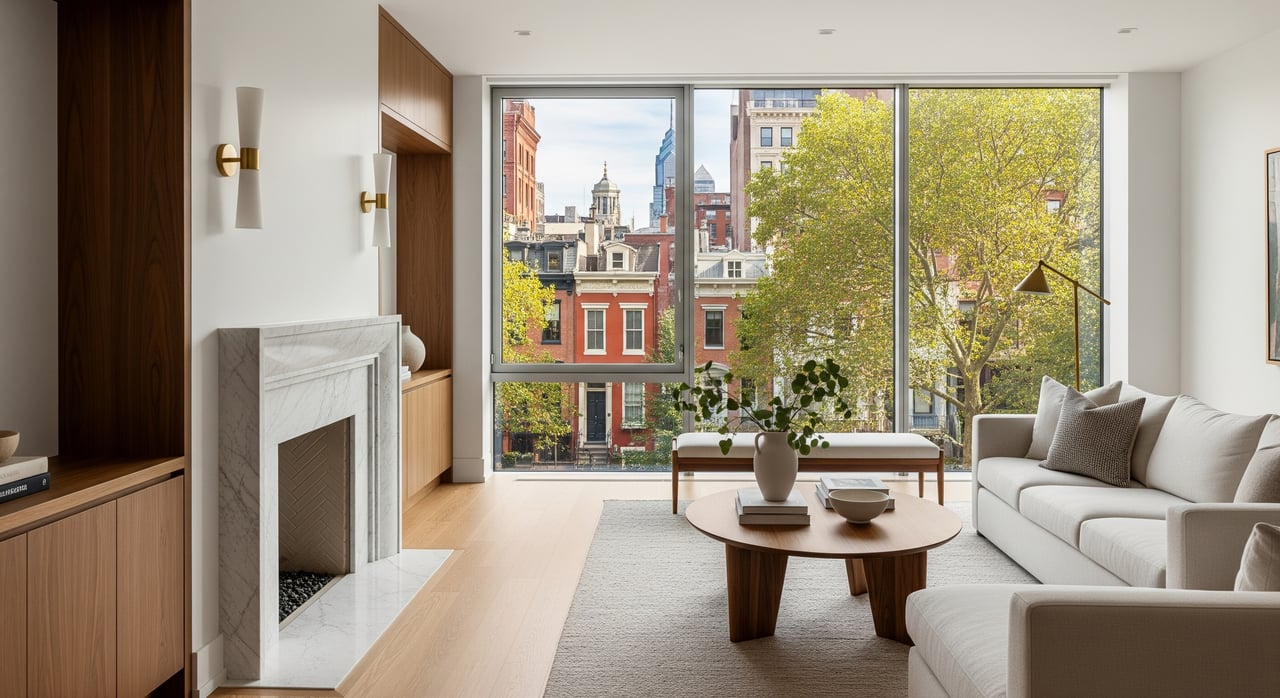
- Skyline or park views
- Easy building access for part-time use
If you plan to use the condo personally throughout the year, convenience often matters as much as square footage. A smaller, well-finished residence in the right building may serve you better than a larger unit with more operational friction.
What makes a better investment condo
If your main goal is rental income or long-term appreciation, the analysis shifts. You will want to focus less on personal taste and more on tenant demand, building policies, carrying costs, and exit flexibility.
Rittenhouse does show meaningful rental depth. RentCafe reports the average apartment rent in Rittenhouse Square at $2,588, with one-bedrooms averaging $2,356 and two-bedrooms averaging $3,514. At the higher end, luxury-building rents in the area have reached about $2,700 for studios, more than $10,000 for two-bedrooms, and roughly $13,577 to $17,000 for penthouse leases.
That spread is important. It shows that not every condo captures the same rent level. Premium rents tend to follow premium product, especially units that feel turnkey, current, and easy to lease.
Who rents luxury condos in Rittenhouse
The demand pool for high-end condos in Rittenhouse is broad. Recent market coverage notes stronger-than-expected activity from buyers under 40, while more traditional luxury demand still includes downsizers, empty nesters, executives, and legal or medical professionals.
On the rental side, top-tier leases often draw C-suite executives, athletes, and renters whose primary residence may be outside the city. These tenants often value move-in-ready finishes, well-run buildings, and a polished experience from the moment they enter the lobby.
Features that support rent and resale
If you are choosing between two similar condos, a few factors tend to carry more weight in this submarket. Newer construction, strong amenities, views, outdoor space, and parking can all improve both leasing appeal and resale depth.
Turnkey condition also matters. Recent leasing patterns in newer Rittenhouse-area buildings show that renters at the upper end have gravitated toward fresh finishes, penthouse-level positioning, rooftop amenities, and units that need little or no work before move-in.
Building rules matter as much as location
This is where many buyers make expensive assumptions. In Philadelphia condo ownership, the building’s declaration, bylaws, and rules can affect how you use the unit just as much as city law.
Under Pennsylvania’s Uniform Condominium Act, associations may adopt and amend rules, levy fines, and require delivery of governing documents in resale transactions. The declaration may also include restrictions on use, occupancy, and transfer. In practical terms, that means your intended plan for the condo must be checked against the building documents before you close.
A condo may look ideal on paper, but if the association limits rentals, restricts occupancy, or places operational hurdles on leasing, the unit may not fit your goals. For a pied-à-terre buyer, that may be manageable. For an investor, it can be central to the underwriting.
Long-term rentals are usually simpler
For many Rittenhouse condo buyers, a standard long-term rental or a furnished lease of 30 days or more is the cleaner path. Philadelphia requires a Rental License for long-term rentals, and the city’s rental framework also references a Certificate of Rental Suitability. For condominium owners, the city states that each condo unit needs its own Rental License, and common-area violations can affect license renewal.
This is one reason experienced buyers look beyond purchase price and projected rent. A well-managed building with clear rental procedures can be easier to operate than a building with unclear or restrictive policies.
Short-term rental plans need extra scrutiny
If you are considering nightly or short-term use, be careful. Philadelphia treats rentals of fewer than 30 days under a tighter licensing and zoning framework.
For a primary-resident host, the city requires a Commercial Activity License, a zoning permit for limited lodging, and a Limited Lodging Operator License. If there is no primary resident, the city treats the property as visitor accommodation and requires a zoning permit plus a Rental License with hotel designation.
The city also applies additional rules, including smoke and carbon monoxide alarms, no lodging signs, a cap of three unrelated occupants total, guest-hours limits, monthly hotel tax, and one-year recordkeeping. Just as important, city approval does not override a condo association’s restrictions. A unit can be eligible at the city level and still be unusable for your plan if the building documents prohibit it.
For that reason, many buyers view a Rittenhouse condo as a stronger fit for personal use, long-term rental, or furnished 30-plus-day leasing rather than nightly rental activity, unless both the city requirements and the condo documents clearly support short-term use.
Costs to model before you buy
A luxury condo purchase in Philadelphia involves more than the contract price. If you are evaluating a pied-à-terre or investment unit, your hold-period math should include acquisition costs, annual taxes, condo fees, and likely use restrictions.
Here are several items to model carefully:
- Realty transfer tax: Philadelphia’s total realty transfer tax is 4.578%, made up of 3.578% city tax and 1% Commonwealth tax, effective July 1, 2025
- Real estate tax: Philadelphia’s annual real estate tax is 1.3998% of assessed value
- Homestead Exemption: The city’s Homestead benefit applies only to a primary residence and reduces the taxable portion of assessment by $80,000
- Condo fees: These can materially affect carry cost and return
- Licensing and compliance: Rental use may trigger city licensing and operational requirements
For a true pied-à-terre, the Homestead Exemption generally will not apply unless the condo becomes your primary residence. That alone can change the economics when you compare occasional-use ownership with a full-time residence.
Tax planning affects the real return
If you rent the condo, rental income is generally taxable, and ordinary rental expenses may be deductible. Federal tax rules also generally allow depreciation once the property is placed in service, and furnishings may be depreciated as part of the rental activity.
Mixed personal and rental use is where things become more nuanced. If you plan to use the unit part of the year and rent it at other times, expense allocation and depreciation treatment become fact-specific. That is worth reviewing with a CPA before you buy, not after.
Exit planning matters too. Principal-residence gain treatment at both the federal and Pennsylvania level generally depends on ownership and occupancy tests. A condo held primarily as an investment may be taxed differently on sale than a unit that later becomes your principal residence.
How to choose the right strategy
If you are deciding between a lifestyle purchase and an investment-minded acquisition, start with your real use case. Ask yourself whether the condo is meant to simplify your time in the city, produce reliable rental income, preserve optionality for future use, or do some combination of all three.
Then test that goal against the building. In Rittenhouse, the best condo for your life is not always the best condo for your spreadsheet, and the best investment unit is not always the one with the most emotional appeal.
A disciplined review should include:
- Your intended use pattern
- The building’s rental and occupancy rules
- City licensing requirements tied to that use
- All-in carry costs
- Likely rent based on the specific unit, not neighborhood averages alone
- Resale depth based on building quality, condition, and features
Why local guidance matters in Rittenhouse
Rittenhouse is a nuanced condo market, not a one-size-fits-all one. Two units on the same block can have very different investment profiles based on building reputation, monthly fees, service level, rental rules, and finish quality.
If you are buying at this level, details matter. The right guidance can help you compare not just addresses, but the practical differences between a beautiful second home, a flexible hybrid hold, and a condo that truly works as an investment.
If you are considering a Rittenhouse condo as a pied-à-terre or investment, Douglas Pearson offers discreet, owner-level guidance for buyers who want a clear view of value, building fit, and long-term positioning.
FAQs
What makes a Rittenhouse condo appealing as a pied-à-terre?
- Rittenhouse offers walkability, dining, retail, cultural access, SEPTA connectivity, and a strong concentration of luxury buildings that support convenient part-time city living.
What rental type is usually more practical for a Rittenhouse condo investment?
- In many cases, a long-term rental or a furnished lease of 30 days or more is easier to underwrite because Philadelphia places tighter rules on rentals of fewer than 30 days and condo documents may also restrict short-term use.
What Philadelphia licenses may apply if you rent out a condo?
- For long-term rentals, the city requires a Rental License, and city rental services also include a Certificate of Rental Suitability. Philadelphia states that each condominium unit needs its own Rental License.
Can a condo association block your rental plans in Rittenhouse?
- Yes. Under Pennsylvania condominium law, condo documents may include restrictions on use, occupancy, and transfer, and city approval does not override HOA or condo association restrictions.
What features help a Rittenhouse condo command premium rent or resale value?
- Features that often support premium performance include newer construction, turnkey condition, doorman service, strong amenities, park proximity, outdoor space, parking, views, and an easy arrival experience.
What taxes should you review before buying a Philadelphia condo as a pied-à-terre or investment?
- Key items include Philadelphia’s 4.578% realty transfer tax, the city’s 1.3998% annual real estate tax rate, whether the Homestead Exemption applies, and how rental income, depreciation, and future sale treatment may affect your overall return.