Thinking about buying on the Avenue of the Arts? It can be one of the most exciting places to own a home in Center City, but it is not a one-size-fits-all condo market. If you are comparing buildings in and around 19107, you need to look beyond the address and understand how each block, building, and unit actually lives day to day. Here is what to know before you buy, so you can make a confident decision with fewer surprises.
The Avenue is a corridor, not one address
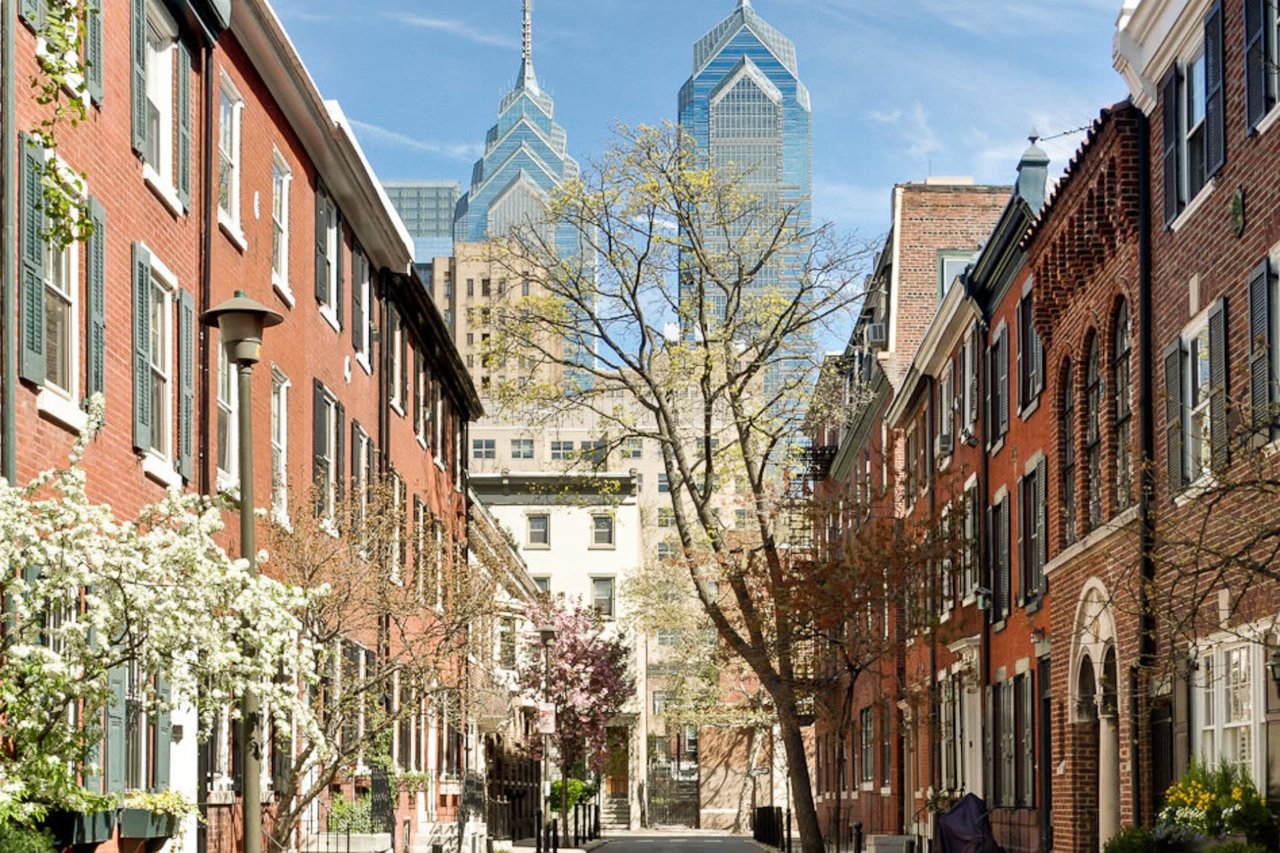
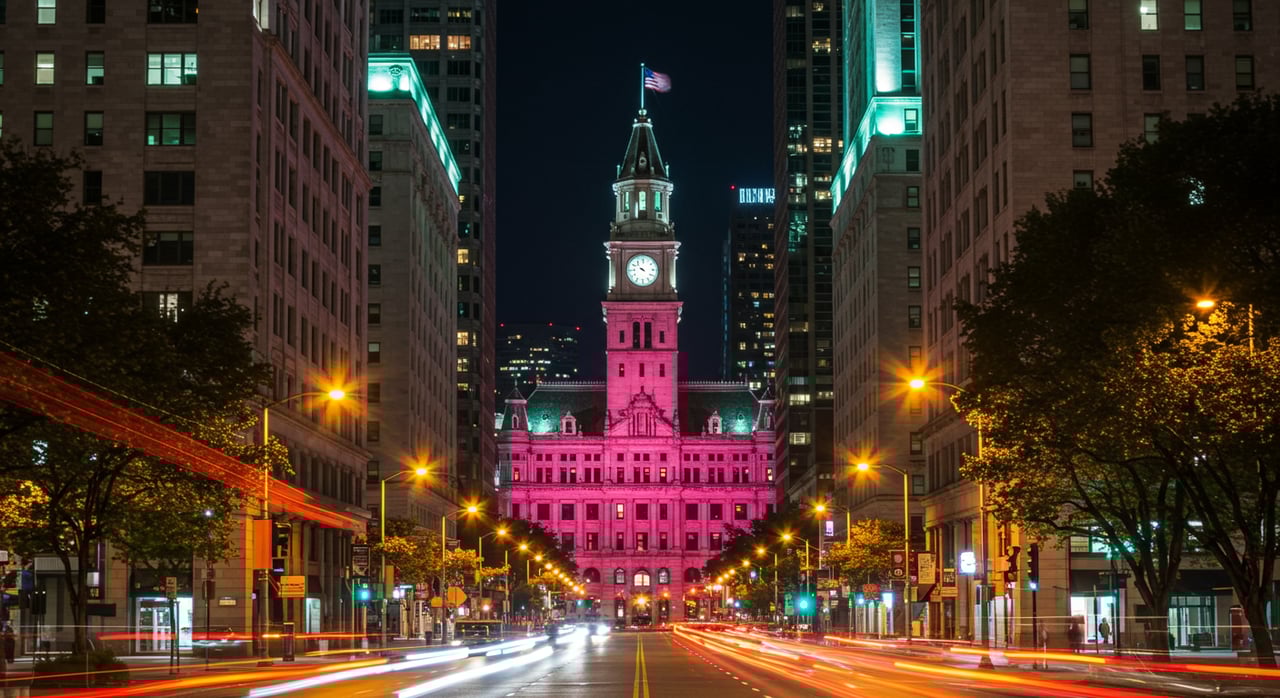
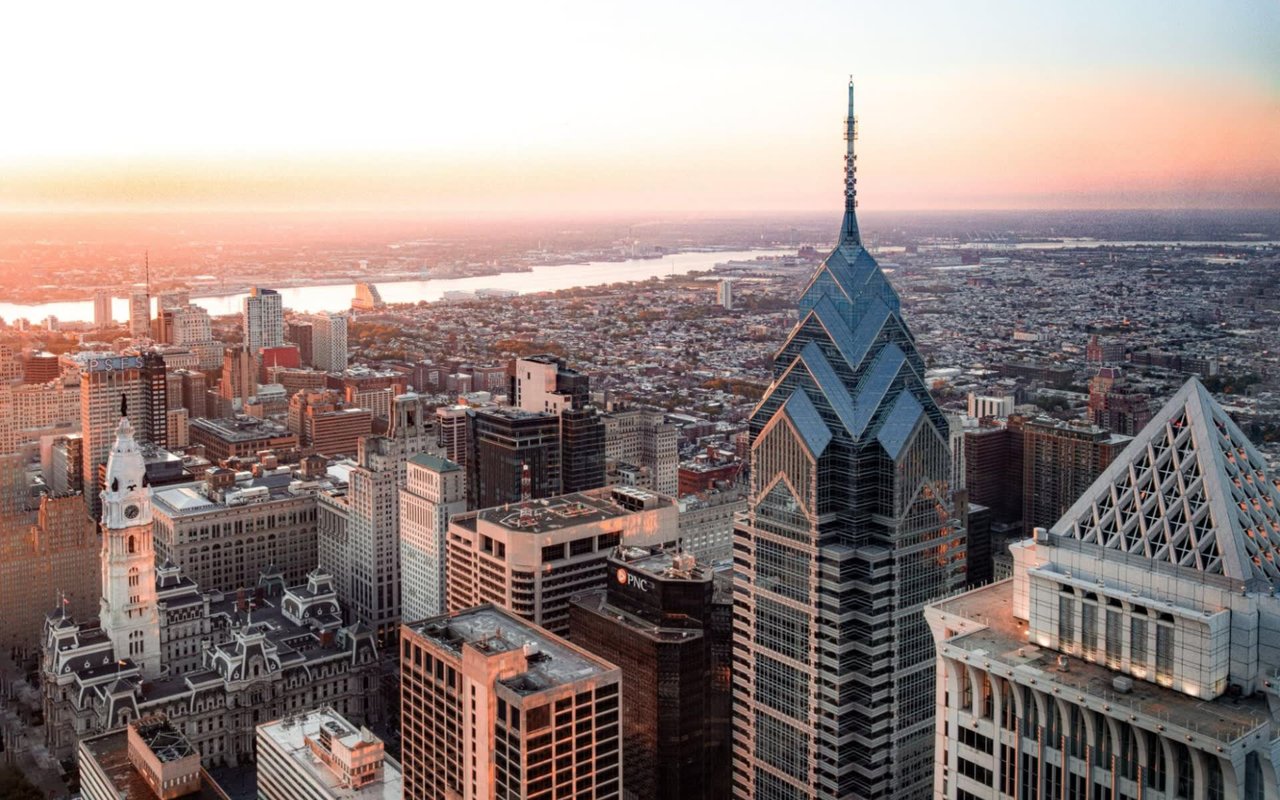
The Avenue of the Arts is best understood as a corridor along South Broad Street from City Hall to Washington Avenue, generally framed between 13th and 15th Streets. It is a dense mixed-use district shaped by theaters, hotels, restaurants, and residential buildings.
That matters because living here means more than owning a condo near cultural landmarks. You are buying into a streetscape with regular performances, hotel traffic, dining activity, and ongoing public investment. In practice, one block can feel very different from the next.
Daily life is shaped by entertainment
Official district materials describe the Avenue as home to about 10,000 theater seats, more than 4,000 apartment and condominium residences, six major hotels, and dozens of restaurants. That mix gives the area energy, convenience, and strong name recognition.
It also means the rhythm of the neighborhood changes throughout the day and week. Pre-show dining, post-show crowds, rideshare pickups, and hotel arrivals are part of the local pattern, especially along Broad Street.
Why that matters for buyers
If you want immediate access to performances, restaurants, and transit, this setting can be a major advantage. If you prefer a quieter residential feel, the exact building location and unit exposure become much more important.
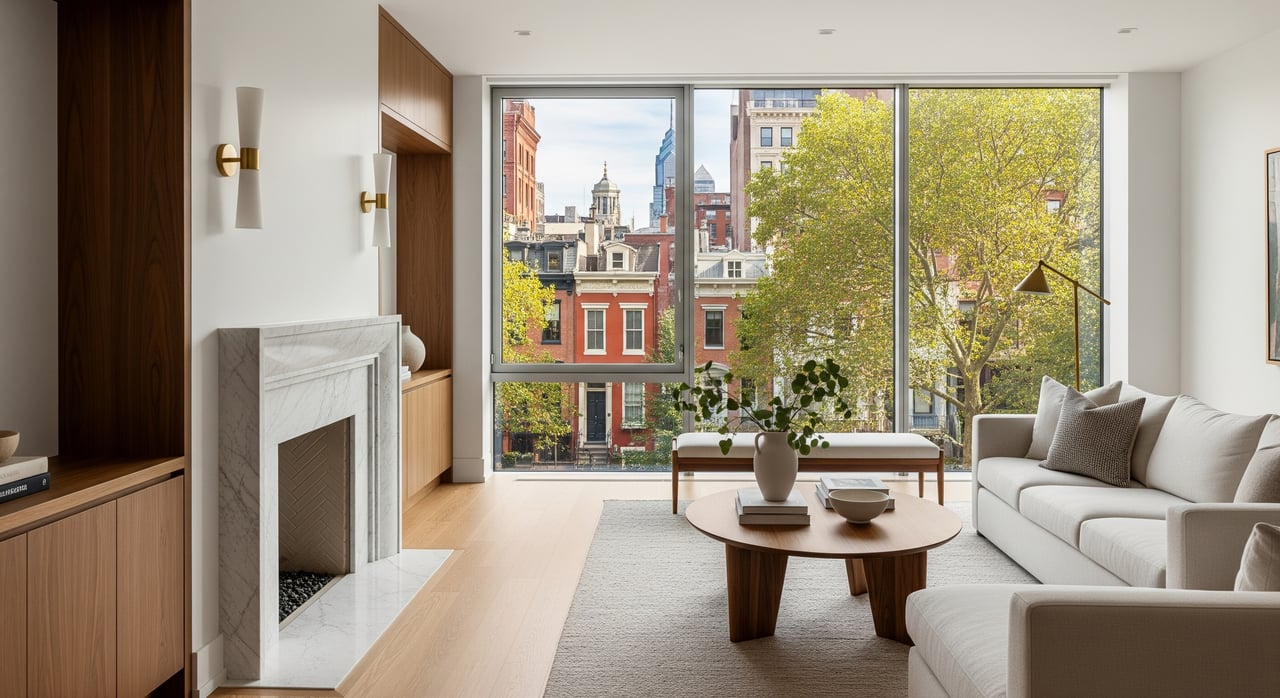
A unit facing Broad Street may offer dramatic views and a front-row connection to the district. A unit on a side street or interior-facing line may feel more insulated from activity.
Building styles vary more than many buyers expect
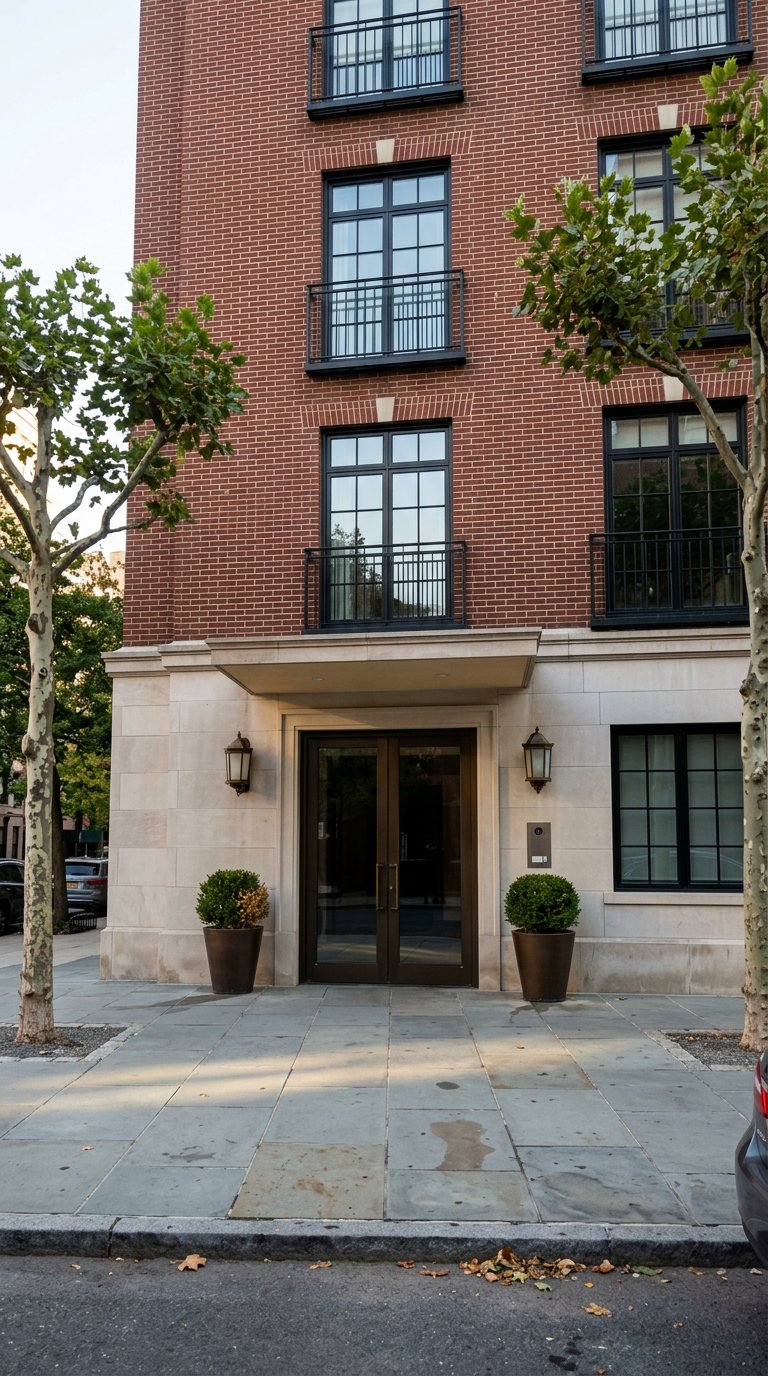
One of the biggest mistakes buyers make here is assuming all luxury buildings offer the same lifestyle. They do not. The Avenue includes newer towers with extensive amenities, as well as more established condominium buildings with a different operating style.
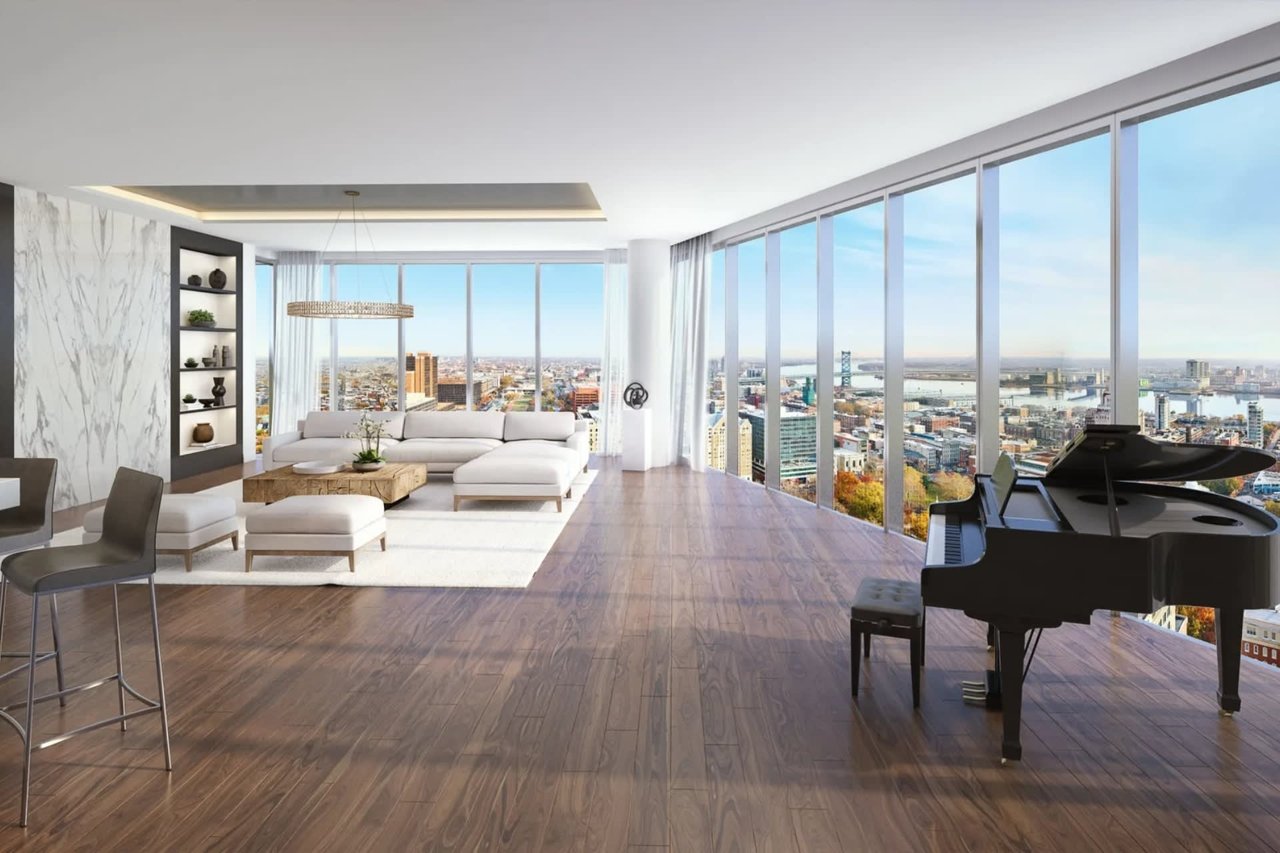
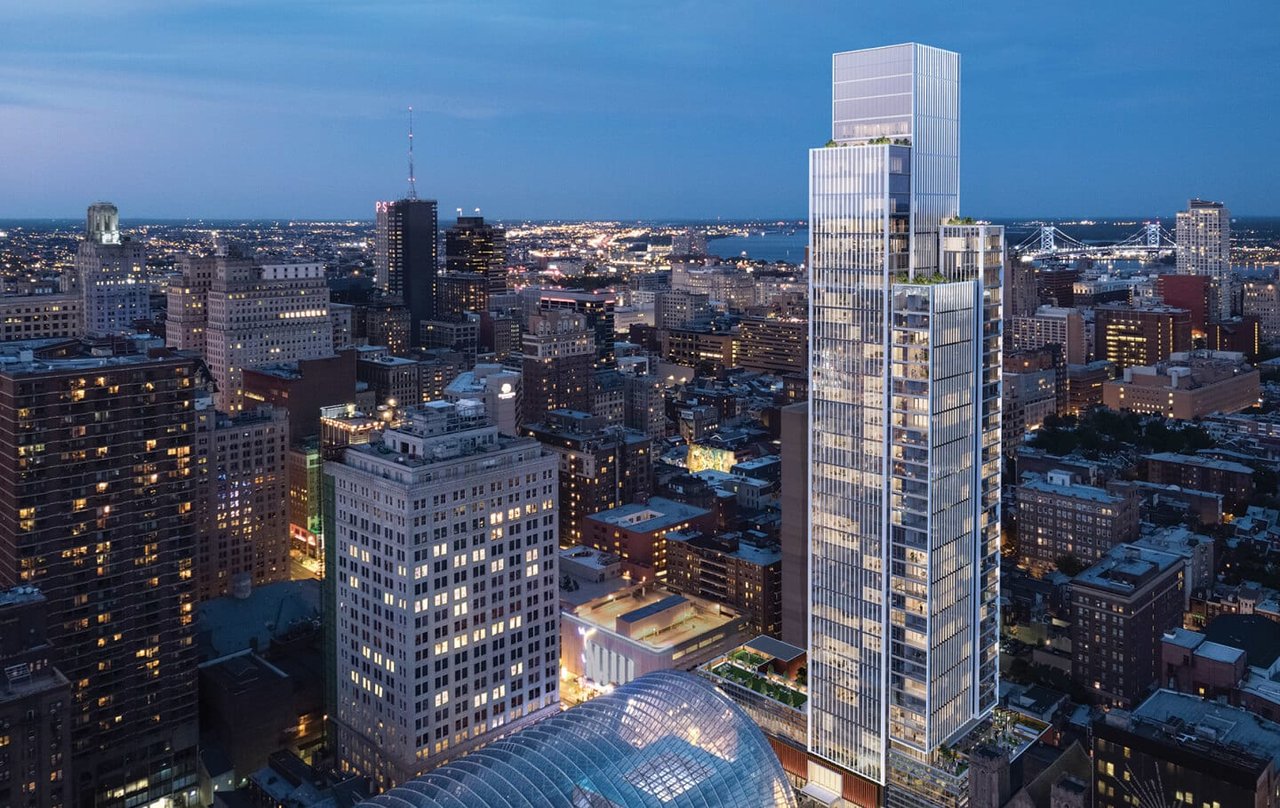
Arthaus is one example of a newer high-rise model. It is a 47-story tower with all-corner residences, floor-to-ceiling windows, and more than 36,000 square feet of amenities, including a lap pool, fitness center, concierge, valet, lounges, a community garden, greenhouse, dog run, and pet spa.
Symphony House reflects an earlier luxury condo model on the corridor. It includes residences, parking, restaurants, and the Suzanne Roberts Theatre at its base, which is a useful example of how mixed-use many Avenue buildings can be.
Compare the building, not just the finishes
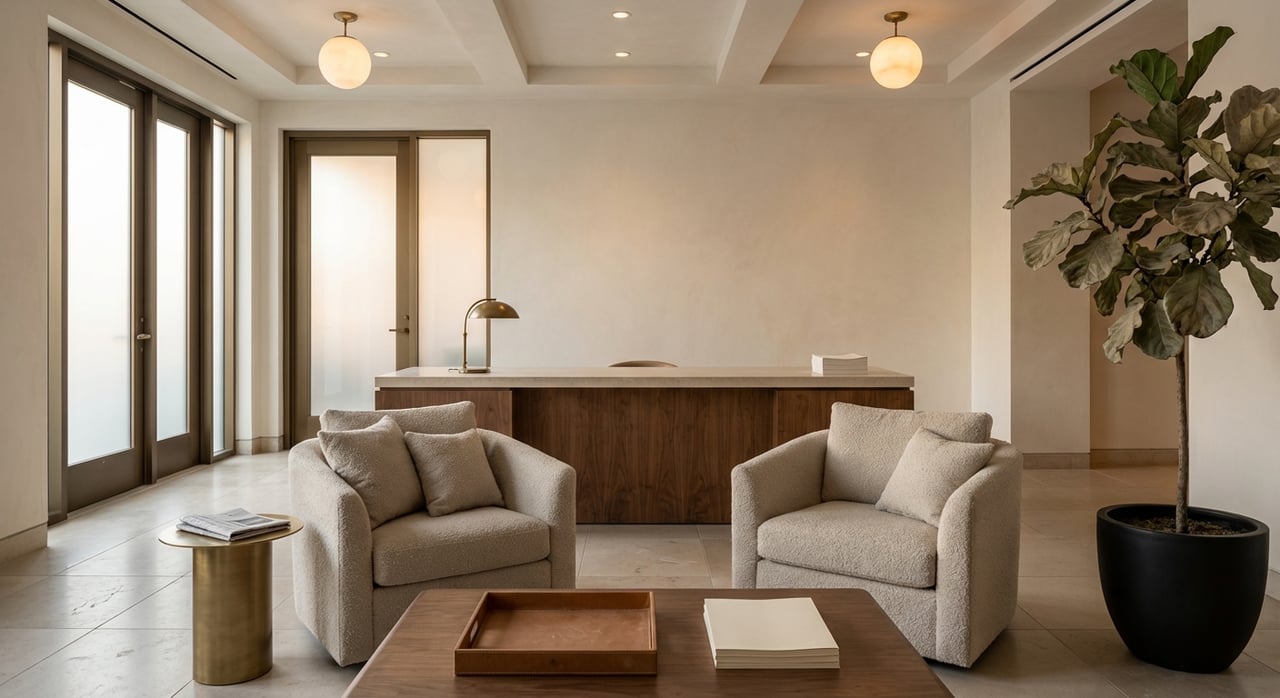
A polished lobby or attractive kitchen does not tell you enough. Before you buy, compare:
- Amenity package and how often you will actually use it
- Monthly condo fees
- Parking availability and access
- Valet or service model
- Building rules and operating structure
- Unit orientation and window design
Two residences with similar square footage can deliver very different ownership experiences depending on the building behind them.
Sound and light deserve extra attention
The Avenue of the Arts is an event corridor, not a quiet side street. Major venues along the corridor include the Academy of Music, the Kimmel Center, Miller Theater, Wilma Theater, Suzanne Roberts Theatre, and the Philadelphia Film Center.
For many buyers, that is the appeal. You are close to performances, architecture, and an unmistakably urban atmosphere. But if you are buying a primary residence, it is smart to test how that atmosphere feels at night, not just during a daytime showing.
Performance nights can feel very different
Crowd noise, curbside activity, valet movements, and rideshare pickups are more noticeable during events. The district also features decorative and enhanced lighting, and the AveArts 2.0 improvements add more lighting, public art, and outdoor public-space features over time.
If your unit faces Broad Street, you may notice more nighttime brightness than you would in a purely residential setting. That is not necessarily a drawback, but it is something to evaluate carefully before you commit.
A simple visit strategy
Before making an offer, try to visit the building more than once.
- Go once on a weekday evening
- Go once on a performance night
- Stand inside the unit with windows closed
- Spend time in the bedroom, not just the living room
- Step outside at the main entrance during active evening hours
This side-by-side comparison can tell you more than photos or floor plans ever will.
Unit orientation matters more here
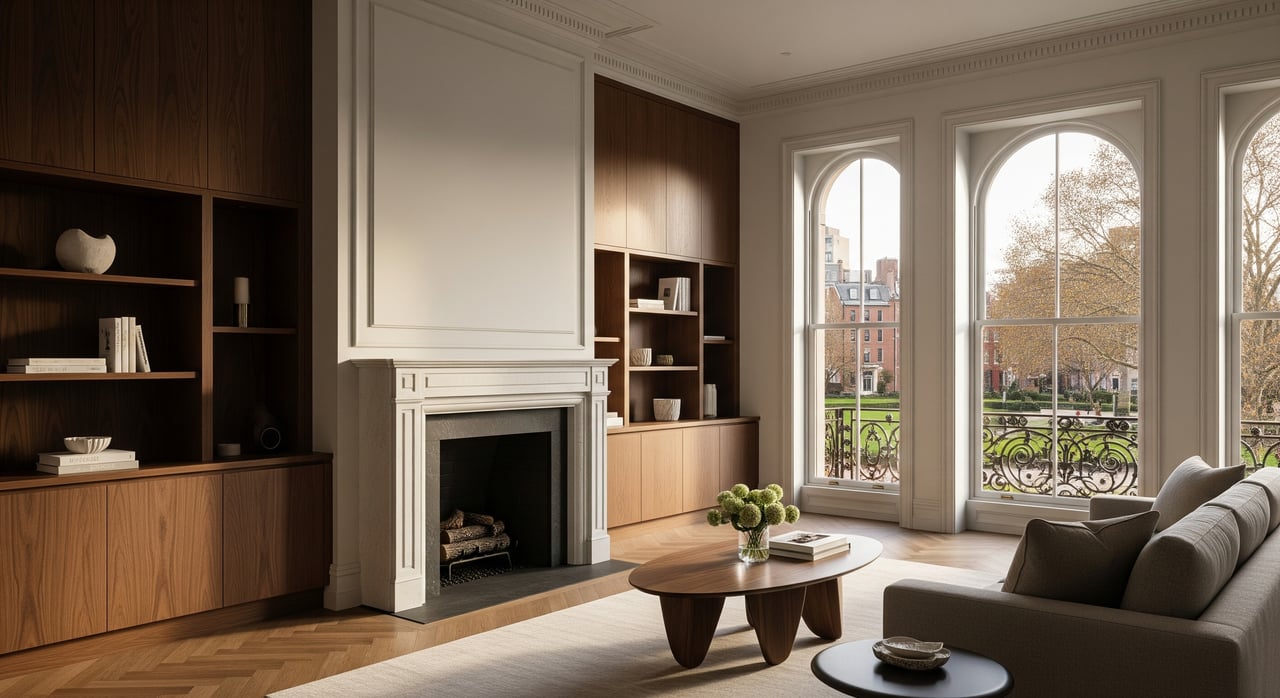
On the Avenue, the line you choose can matter almost as much as the building itself. Broad Street frontage, side-street placement, and interior exposure can produce very different experiences in terms of sound, privacy, and light.
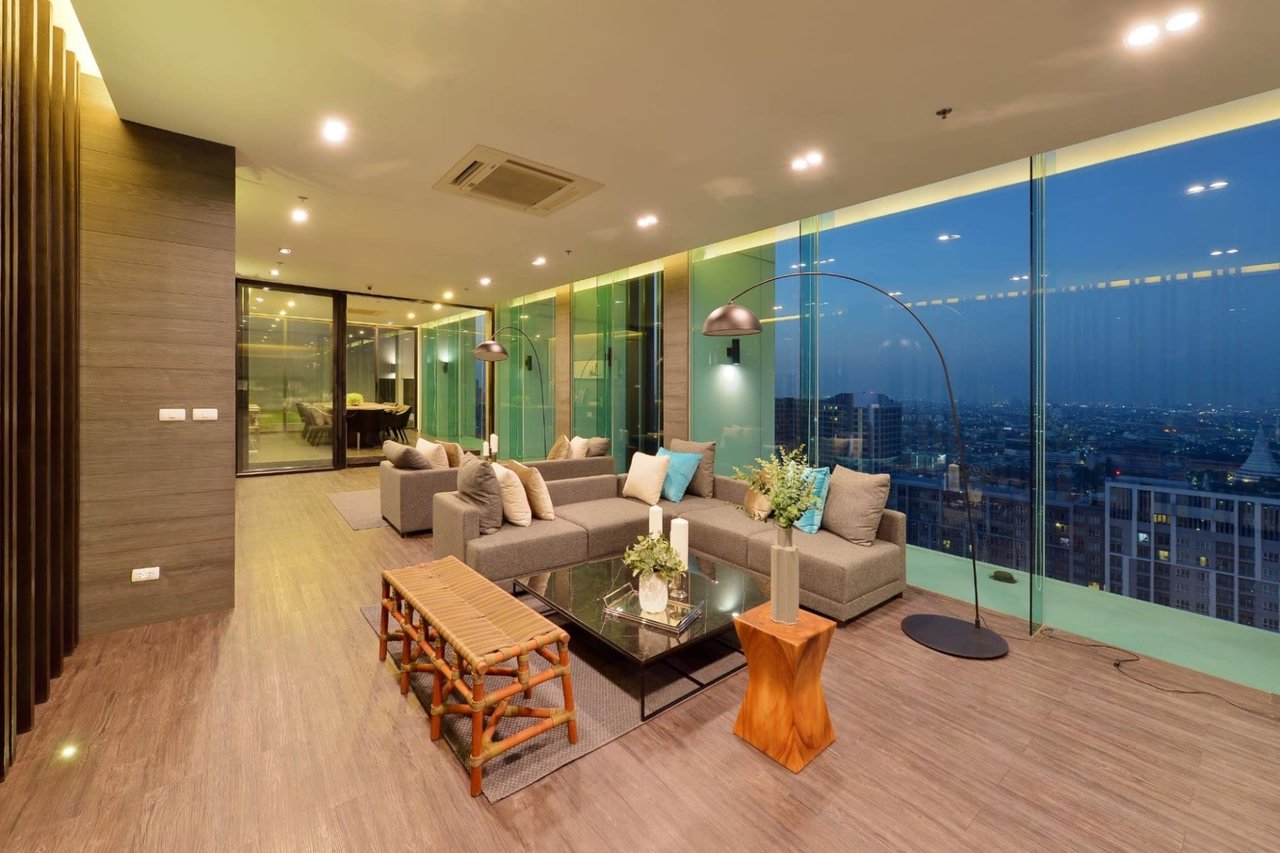
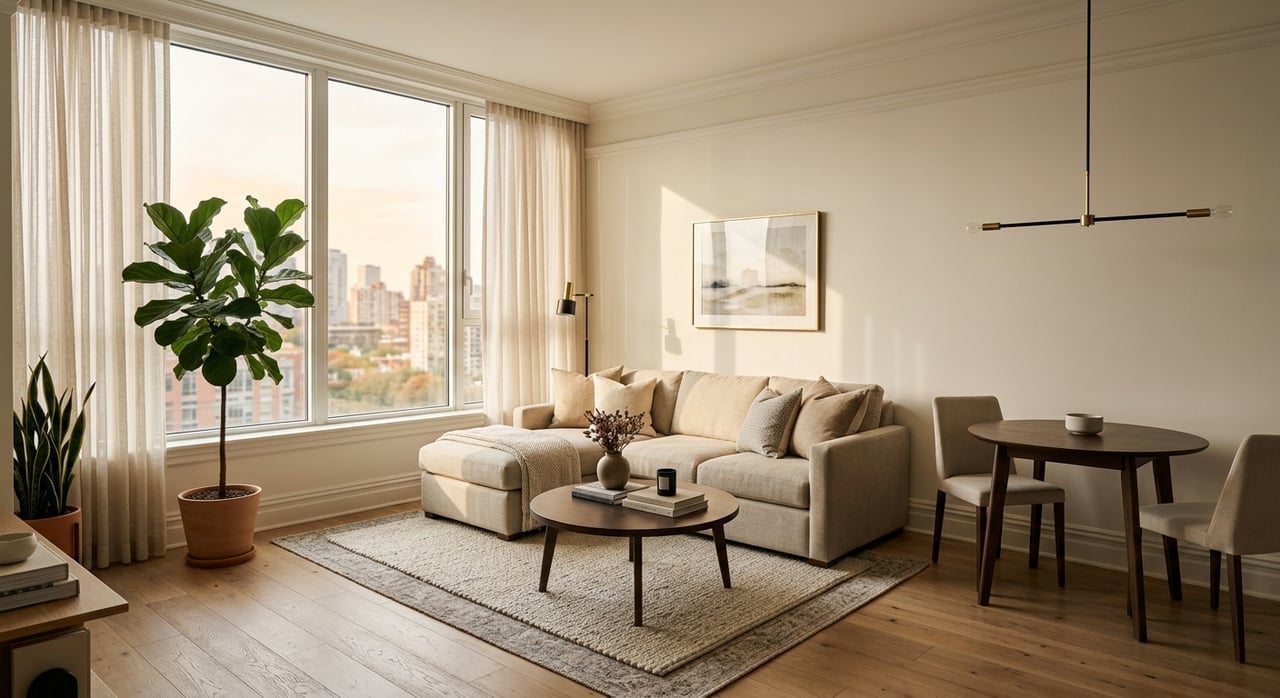
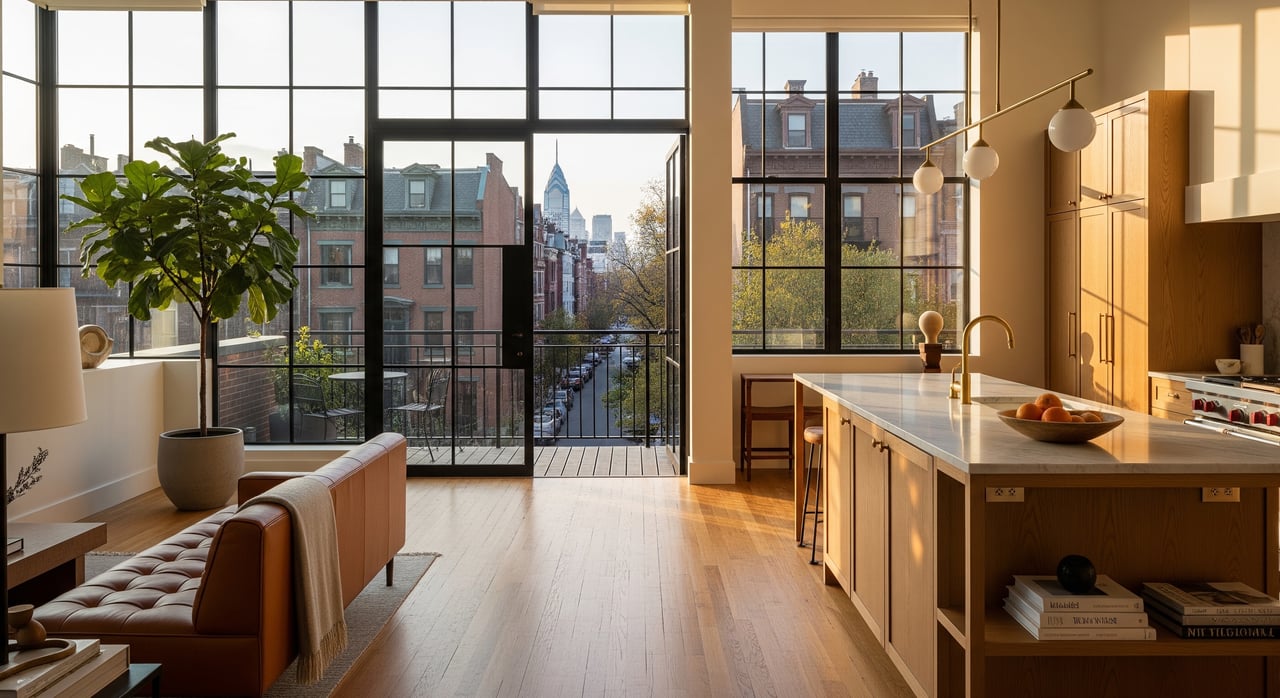
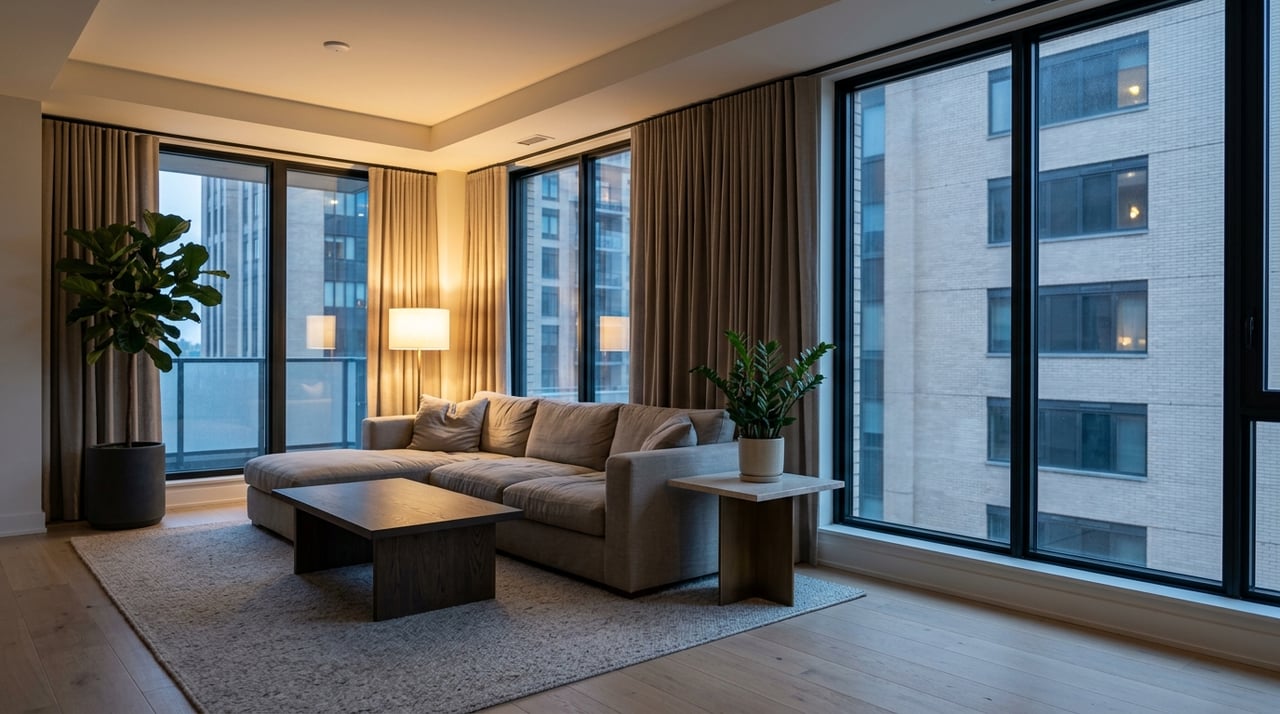
Floor-to-ceiling glass can be beautiful, especially in view-driven towers. It can also make window quality, shading, and light control more important. Ask whether the windows have been upgraded and whether the unit or building includes blackout treatments or other light-management features.
Questions worth asking
As you evaluate a specific unit, ask:
- Does the primary bedroom face Broad Street, a side street, or an interior area?
- How does the building manage event-night drop-offs and pickups?
- Are there regular delivery bottlenecks at the entrance?
- Does the building offer valet, self-park, or both?
- What light-control features are already in place?
These are practical details, but they can shape your comfort every day after closing.
Streetscape improvements can add value and disruption
The public realm along the Avenue is still evolving. In June 2026, Avenue of the Arts, Inc. reported completion of Phase 1A of AveArts 2.0, including a planted median between Spruce and Pine, along with lighting and banners as part of a broader $150 million long-term streetscape plan.
The larger plan is expected to add greenery, seating, public art, performance spaces, and enhanced lighting from City Hall to Washington Avenue. For buyers, this ongoing investment supports the corridor’s long-term appeal and visibility.
At the same time, any long-range streetscape effort can bring temporary inconvenience nearby. If work is active near a building you like, ask how current or planned construction may affect access, noise, or curbside patterns.
HOA review is essential in this market
Amenity-rich condominium buildings often have more operational complexity than simpler condo properties. That is why building-level due diligence matters so much on the Avenue.
Under Pennsylvania law, a condo seller must provide a resale package before contract execution or conveyance. That package includes core documents such as the declaration, bylaws, rules, fees, reserves, budget, financial statements, proposed capital expenditures, insurance information, and other operational details.
What to focus on in the resale package
When reviewing condo documents, pay close attention to:
- Current monthly fees
- Reserve levels
- Planned capital projects
- Pending judgments or major financial issues
- Rules affecting alterations or use
- Whether the condo is part of a master association
In a building with extensive amenities or service layers, these items can have a real impact on both monthly ownership cost and future resale appeal.
Philadelphia adds another due diligence step
In Philadelphia, a Property Sales Certification is also required for a sale. The city states that this certificate discloses zoning classification, last established use, and any uncorrected housing, building, safety, or fire violations.
This is a separate local review item and should not be confused with the condo resale package. Both matter. One helps you understand the condominium association and building operations, while the other adds city-specific property and compliance information.
Transit and access support long-term appeal
One reason the Avenue continues to draw buyers is convenience. The corridor benefits from strong Center City positioning, and transit access has seen recent investment.
SEPTA reopened the South Broad Concourse on June 2, 2026, restoring the underground connection between 15th Street/City Hall and Walnut-Locust. SEPTA is also improving 15th Street/City Hall Station with new fare gates, platform work, lighting, painting, and wayfinding.
Why buyers should care
Better transit connections can support easier daily movement and reduce some street-level congestion during major events. For resale, that kind of infrastructure investment can reinforce the area’s staying power.
The Avenue already benefits from strong recognition as one of Philadelphia’s core cultural corridors. Continued public and transit investment adds another layer to its long-term appeal.
What tends to hold value best
Not every condo on the Avenue will perform the same way over time. In this part of Center City, the most durable appeal often comes from homes that balance location with livability.
That usually means paying close attention to details such as interior quiet, practical parking, solid building financials, and a unit orientation that fits your lifestyle. A dramatic address matters, but a comfortable day-to-day experience matters just as much.
A smart buying approach
If you are serious about buying on the Avenue of the Arts, treat the search as both a lifestyle decision and a building-level analysis. Focus on the things that are hardest to change later, including exposure, noise, parking, building operations, and fees.
The right purchase here can offer cultural access, skyline presence, and true Center City convenience. The key is making sure the building and unit match how you actually want to live.
If you want a discreet, building-by-building perspective on Avenue of the Arts condos and other high-value Center City opportunities, connect with Douglas Pearson for a private consultation.
FAQs
What makes Avenue of the Arts different from other Center City condo areas?
- The Avenue of the Arts is a mixed-use cultural corridor with theaters, hotels, restaurants, and residential towers, so daily life is shaped more by events and nightlife activity than in a quieter condo district.
What should buyers in 19107 check before buying a condo on Broad Street?
- You should review unit orientation, noise levels, nighttime light exposure, parking setup, condo fees, and the building’s resale package before making a decision.
Why does unit exposure matter on Avenue of the Arts?
- A unit facing Broad Street may have stronger views and a more direct connection to the corridor, while a side-street or interior-facing unit may offer a quieter living experience.
What condo documents are important for Avenue of the Arts buyers in Philadelphia?
- Buyers should review the Pennsylvania condo resale package and the Philadelphia Property Sales Certification because they cover different parts of the due diligence process.
How do current Avenue of the Arts improvements affect buyers?
- The ongoing AveArts 2.0 streetscape improvements and SEPTA upgrades can support long-term appeal and access, but nearby work may also affect short-term noise, curbside flow, or construction conditions.