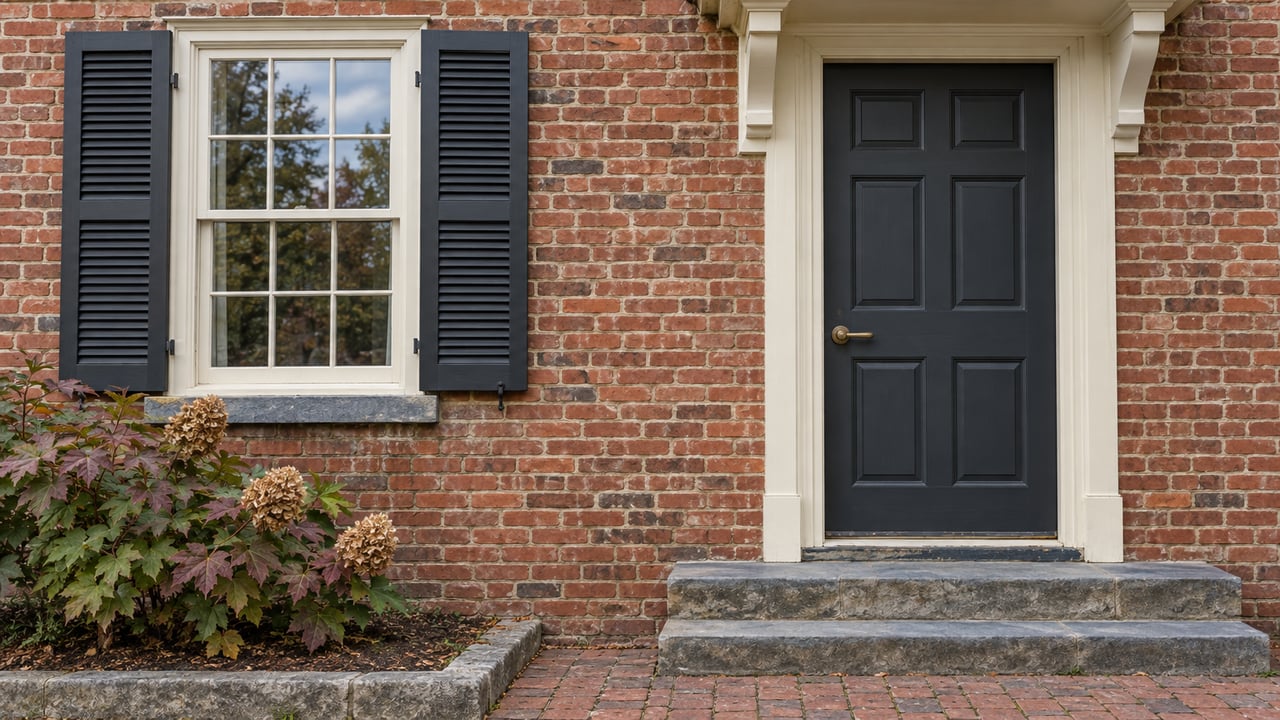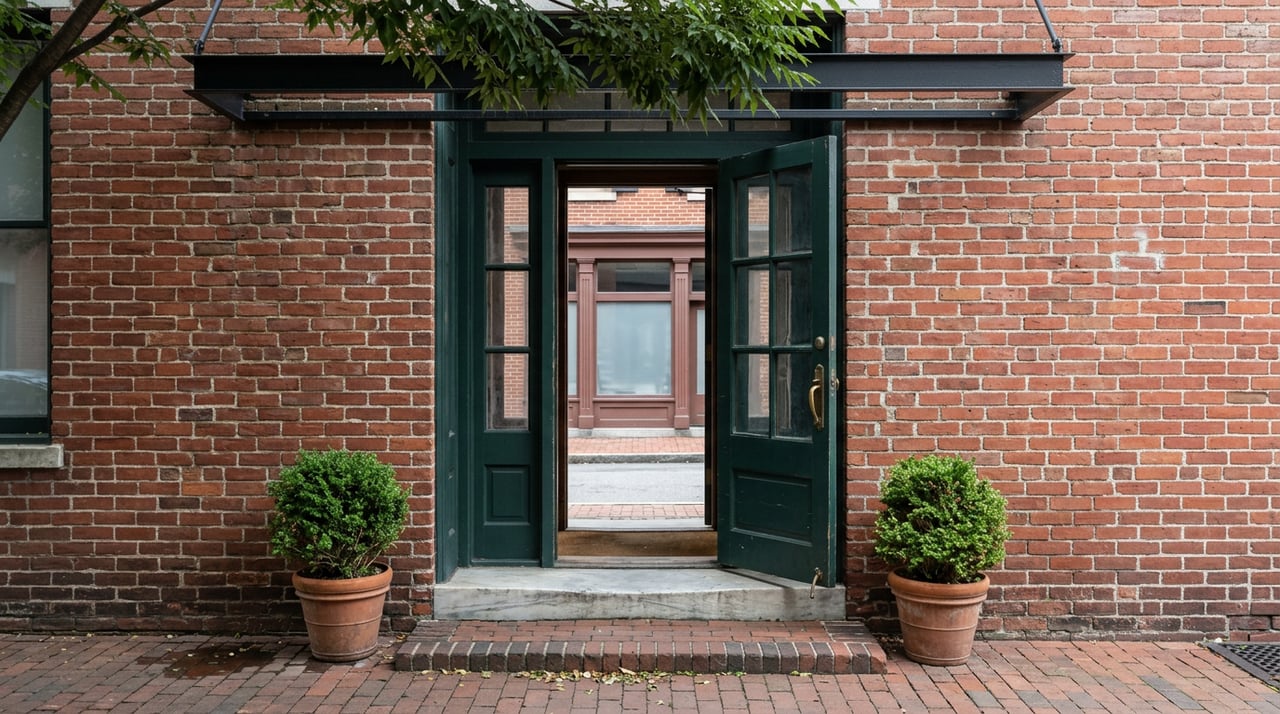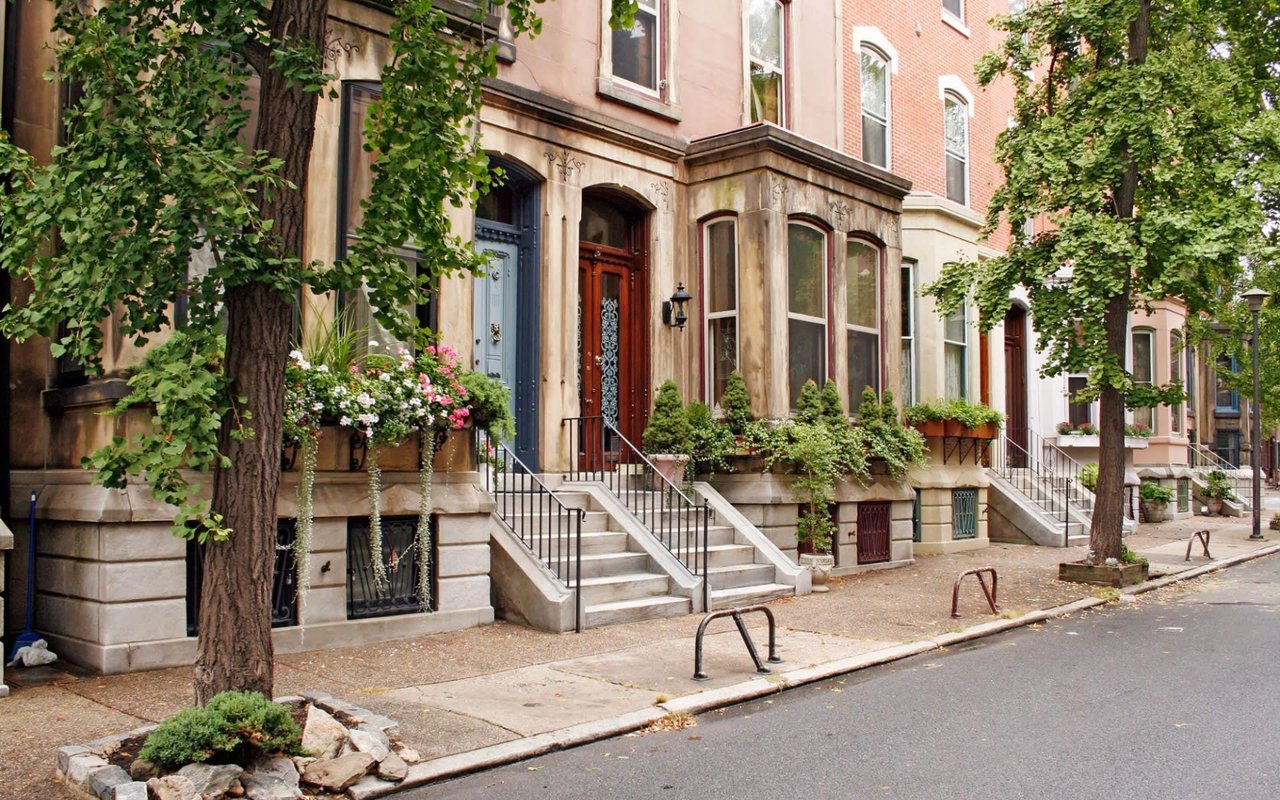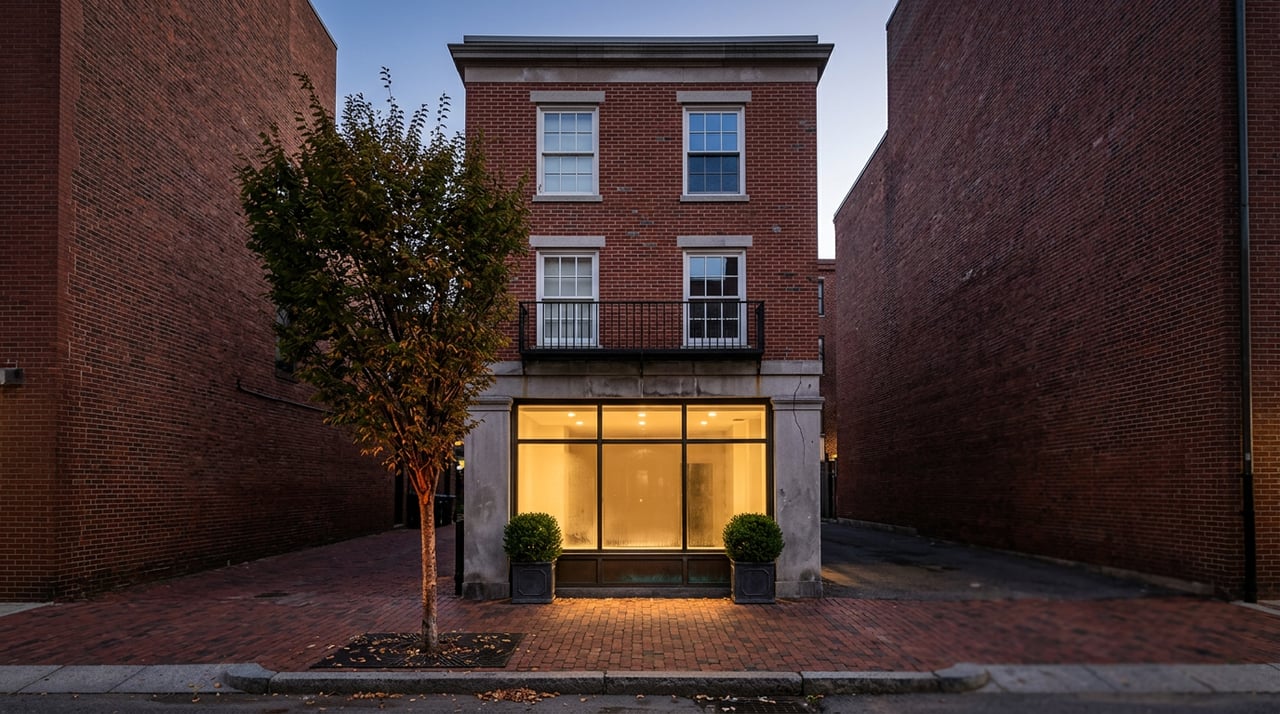
Walk down 18th Street toward Chancellor and you will pass a storefront that has been wrapped in construction paper since spring. For months the windows showed nothing but blue board, then a banner with a trident logo and a line about not finding someone named Petro. Neighbors who walked past twice a day had no idea what was coming until the full reveal in March. What is coming, as of this writing, is Stephen Starr's Pelican Club, a Greek room built around the story of Petros, the pelican who became a mascot of Mykonos after a fisherman rescued him in 1958. It is set to open in October.
That single storefront tells you less than the pattern around it. Look at who is actually signing these leases this year and a different story comes into focus. The people filling Rittenhouse Square's most visible corners in 2026 are, almost without exception, the same operators who have already been running rooms here for years. This is not a neighborhood attracting first-time bets from outsiders testing the market. It is one where the people who already know the block are the ones doubling down on it.
The Room That Keeps Changing Hands, Not Owners
Start with the space at 225 S. 18th Street. Devon Seafood Grill held that address for 25 years before closing over New Year's. Starr, who already runs eight restaurants in the neighborhood, from Barclay Prime and Parc to last summer's Borromini, is the one taking it over. The Pelican Club will sit across the lobby from Parc, a half block from Barclay Prime, and across the square from Borromini. When it opens, it becomes his ninth active restaurant within walking distance of the park itself.
"It's this mythical, legendary figure, kind of a protector of the island," Starr told the Inquirer about the pelican imagery he chose for the name. The theming matters less than the arithmetic behind it. Nine restaurants inside one operator's footprint on one square is not a coincidence of good timing. It is a bet that the neighborhood can absorb concept differentiation at the block level, that a Greek room draws a different table than the French brasserie two doors down without cannibalizing either one.
A few blocks away, a different kind of consolidation is playing out inside the same four walls. Scarpetta closed its doors for good on January 31 after a decade in business, in a room that had already housed one other long-running steakhouse, Smith & Wollensky, for a decade before that. Two consecutive ten-year tenancies have now ended in the exact same dining room. What replaces Scarpetta is not a smaller, safer concept. Atlas Restaurant Group's incoming Ruxton will occupy more of the hotel's footprint than Scarpetta did, growing from 120 seats to 220, with three private dining rooms and a 50-seat deck facing the Square. Construction begins this fall, with a target opening in spring 2027. Designer Patrick Sutton is building the room around a Jazz Age look, velvet upholstery and walnut millwork among the details already confirmed. A 220-seat room with its own park-facing deck is not a hotel restaurant filling a vacancy. It is a destination built to compete directly with Barclay Prime, one block over.
A Five-Restaurant Corner That Did Not Exist Five Years Ago
Walk the five minutes between Locust and Chancellor and you will pass through what has quietly become a Mediterranean corridor. Estia, on Locust Street, has been the neighborhood's Greek seafood anchor for years, the room regulars trust for whole branzino. Almyra, its younger sibling at 17th and Chancellor, brought a more modern Greek kitchen to the same stretch. Dear Daphne, from Schulson Collective, added a wine-bar-and-taverna hybrid to the mix. Borromini opened last summer at 1805 Walnut. The Pelican Club will be the fifth, arriving in October.
None of these five rooms is a first restaurant for its operator. That detail is easy to miss walking past any one storefront, but it changes the read of the whole corridor. A neighborhood does not accumulate five distinct restaurants built around one culinary identity, each with a different price point and reservation curve, unless the people opening them already trust the foot traffic. It happens because operators who have run other rooms here for years are choosing to build a second or third concept two blocks from their first one, rather than take that same capital to a different neighborhood entirely.
What Changed Hands, and Who Kept the Keys
| Address or space | Previous tenant | Incoming or new tenant | What's different |
|---|---|---|---|
| 225 S. 18th St. | Devon Seafood Grill, 25 years | The Pelican Club (Stephen Starr) | Ninth Starr restaurant in the neighborhood, opening October |
| The Rittenhouse hotel | Scarpetta, closed Jan. 31 | The Ruxton (Atlas Restaurant Group) | Seat count nearly doubles, 120 to 220, target spring 2027 |
| 2048 Rittenhouse Square | Friday Saturday Sunday, main room | Friday Saturday Sunday, rowhouse next door | New 18-seat chef's counter and tasting menu |
| Former Revolution Taco | Carolyn Nguyen's taco concept, a decade | Carolyn's Modern Vietnamese | Same owner, new Cajun-Vietnamese menu |
| Former Chika Ramen | Chika Ramen, closed spring 2025 | Frame Midtown (No Name Hospitality) | Existing Frame concept expands to a second room |
The pattern in that table is the point. Almost nothing here is a stranger arriving cold. Friday Saturday Sunday, already carrying both a James Beard win and a Michelin star, is not opening a second location across town. It is expanding into the rowhouse next door, adding an 18-seat counter that turns an already difficult Friday reservation into something closer to scarce. Carolyn Nguyen spent a decade building Revolution Taco; her next concept in the same footprint is Cajun-Vietnamese, drawing from her Louisiana childhood.
Not every announced project is keeping pace with its own timeline, which is its own kind of evidence. Ellen Yin's Italian concept for The Josephine had been targeting a spring debut. Build-outs slip more often than they hold, even for a restaurateur with Yin's track record, and a shifted opening is not a canceled one. It is worth knowing if you are the kind of resident who plans a dinner around a soft-launch date you read somewhere back in March.
What's Open—and What's Still Coming
Some of this does not require waiting until October. Bar Caviar, the champagne and caviar lounge from Ken and Vittoria Schutz, is set to open inside their boutique Dwight D Hotel at 256 S. 16th Street this fall, with 50 champagnes on the list, including 15 by the glass. Frame Midtown, the expansion of an existing concept into the former Chika Ramen space, opened this summer. The weekly rhythm around all of this construction has not paused either. Center City District Sips returns every Wednesday from 5 to 7 p.m. through August 26, with a Rittenhouse-heavy participant list that includes Cavanaugh's, Butcher Bar, Dear Daphne, and Bolo, among dozens of others across Center City. Thursday evenings through the end of August, Dilworth Park's Arts on Center Stage brings free outdoor performances to the Albert M. Greenfield Lawn, the kind of low-key weeknight plan that does not require a reservation six weeks out.
Allan Domb, the investor behind several Rittenhouse properties including Parc and the Barclay, told the Inquirer when Starr's plans for the Devon space first surfaced that "Rittenhouse Square is magical," pointing to the way the park draws both residents and visitors back to the same handful of blocks. The pattern of who is actually signing these leases backs him up. Operators do not stack multiple rooms, expand existing ones, or nearly double a seat count in a neighborhood they are unsure of. They do it in one where they have already watched the crowd show up, night after night, for years.
That is the part worth sitting with if you live here. The construction fencing on 18th Street, the scaffolding that will go up around the hotel this fall, the months of blue board before a name finally appears, all of it can read as disruption. Read differently, it is the same small group of people who already run this neighborhood's kitchens deciding the block still has room for one more idea. Douglas Pearson has spent years watching which corners on the Square change hands and which ones a chef or an investor chooses to hold onto, because the two tell different stories about where a neighborhood is headed. If you are weighing what any of this means for a property you own or are considering near the Square, reach out to request a private valuation and consultation.