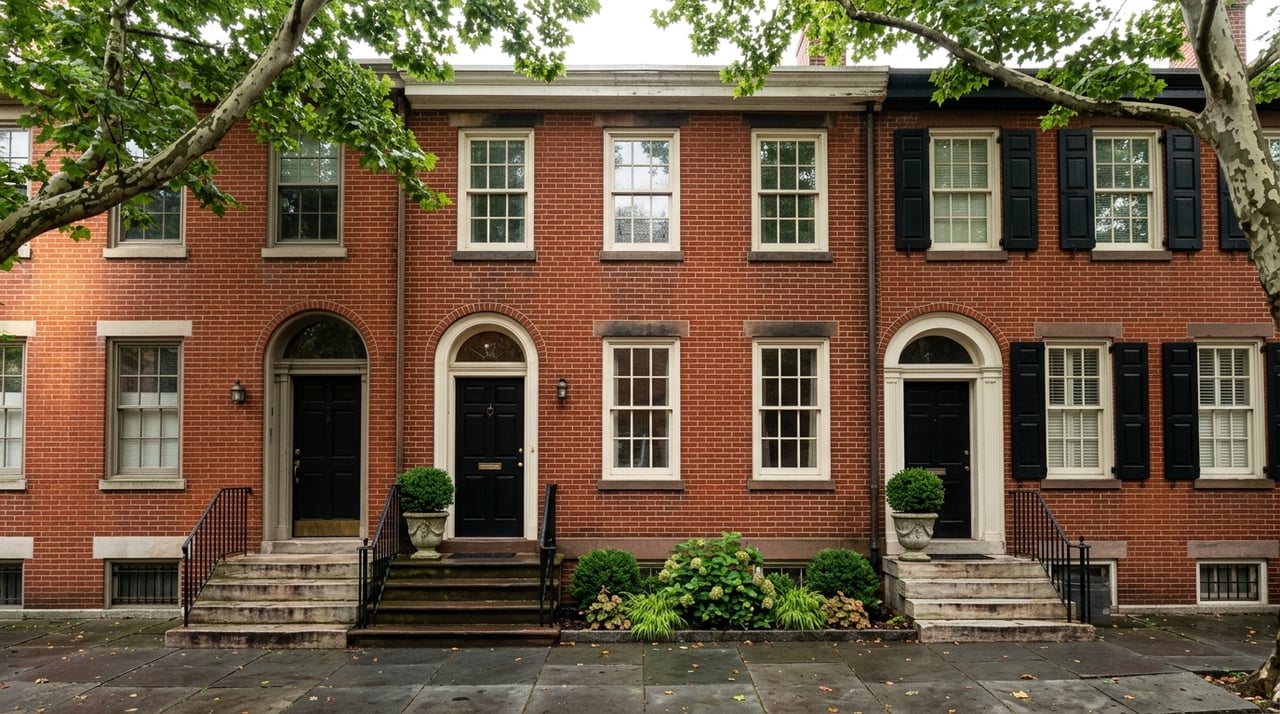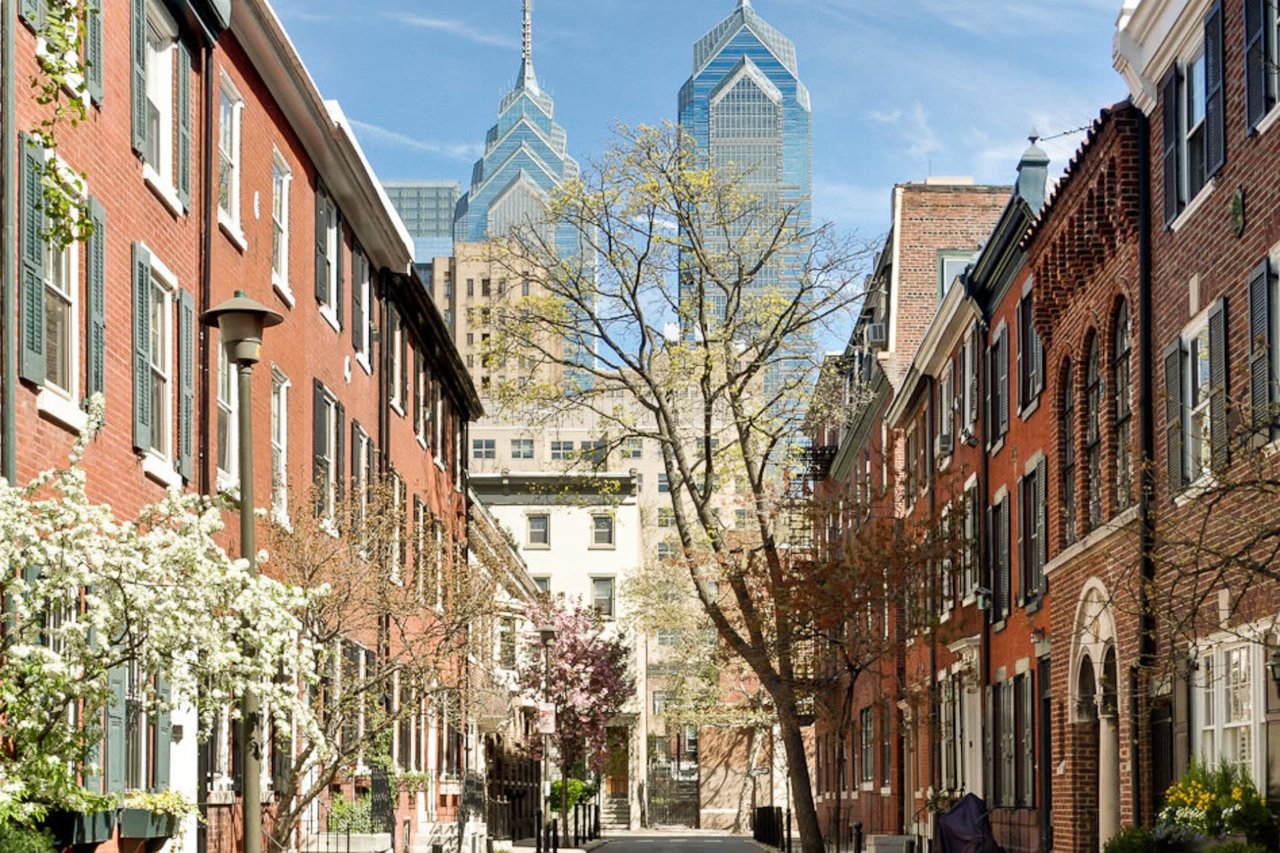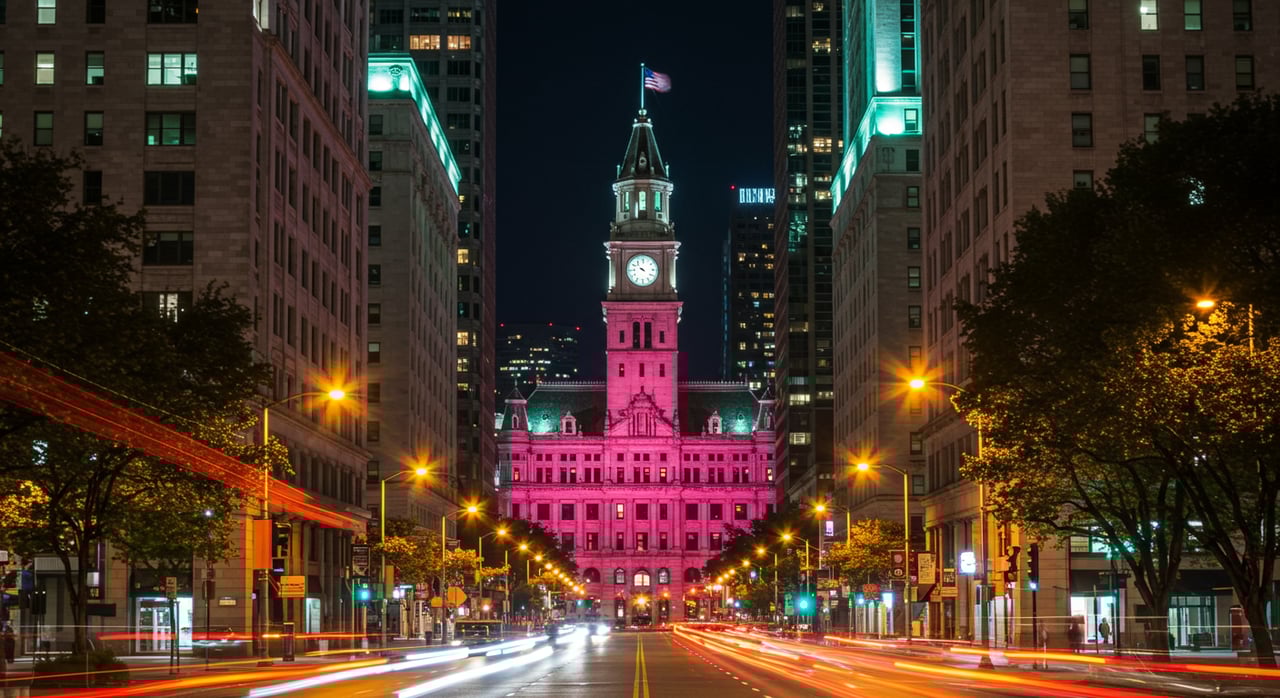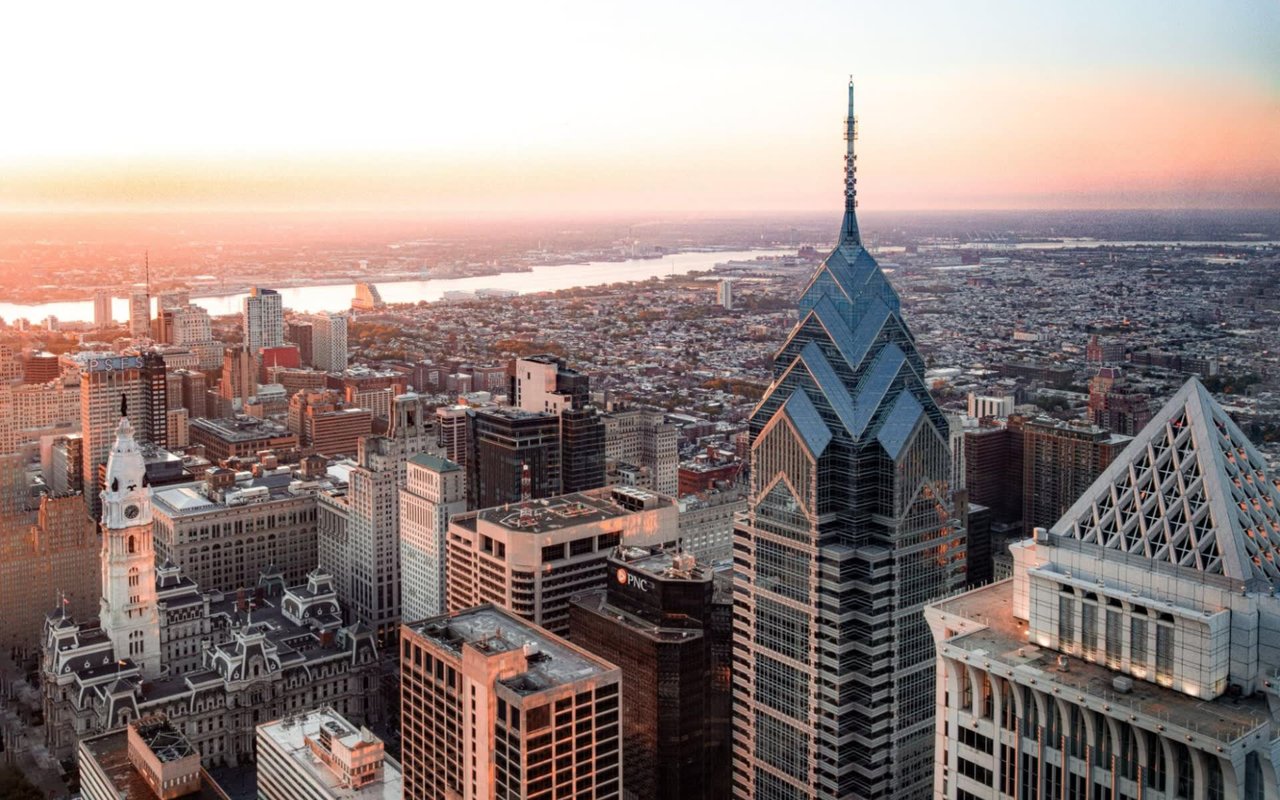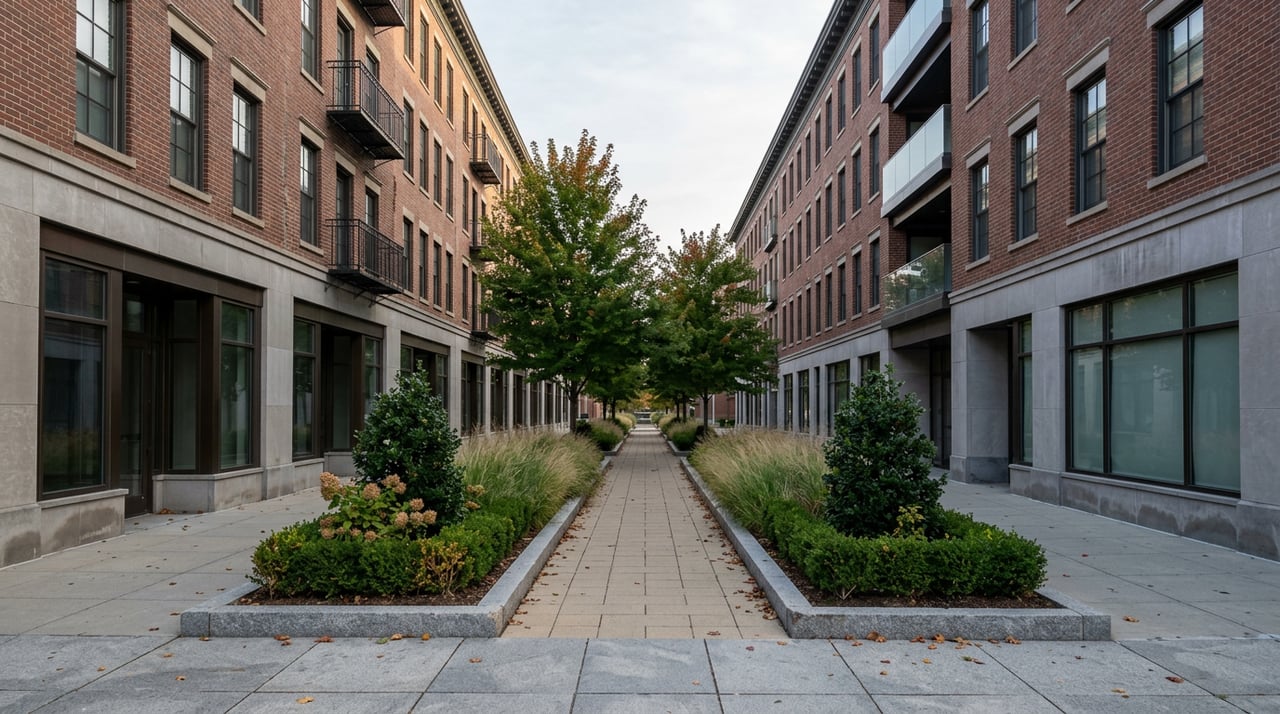
Stand at Broad and Spruce this week and the Avenue of the Arts looks finished. A raised median runs the length of the block in front of the Kimmel Center, planted with young native trees, catching afternoon light through leaves that weren't there in January. Walk two blocks south, past the plywood and orange fencing near Pine Street, and the Avenue looks exactly like it has for the past year: a construction zone with a vision statement.
Both are true at once, and that contradiction is the actual story this fall. The Avenue isn't wrapping up a renovation. It's handing off one finished piece while three bigger ones stay in motion, and the year that ties them together isn't 2026. It's 2027.
What Actually Got Built This Summer
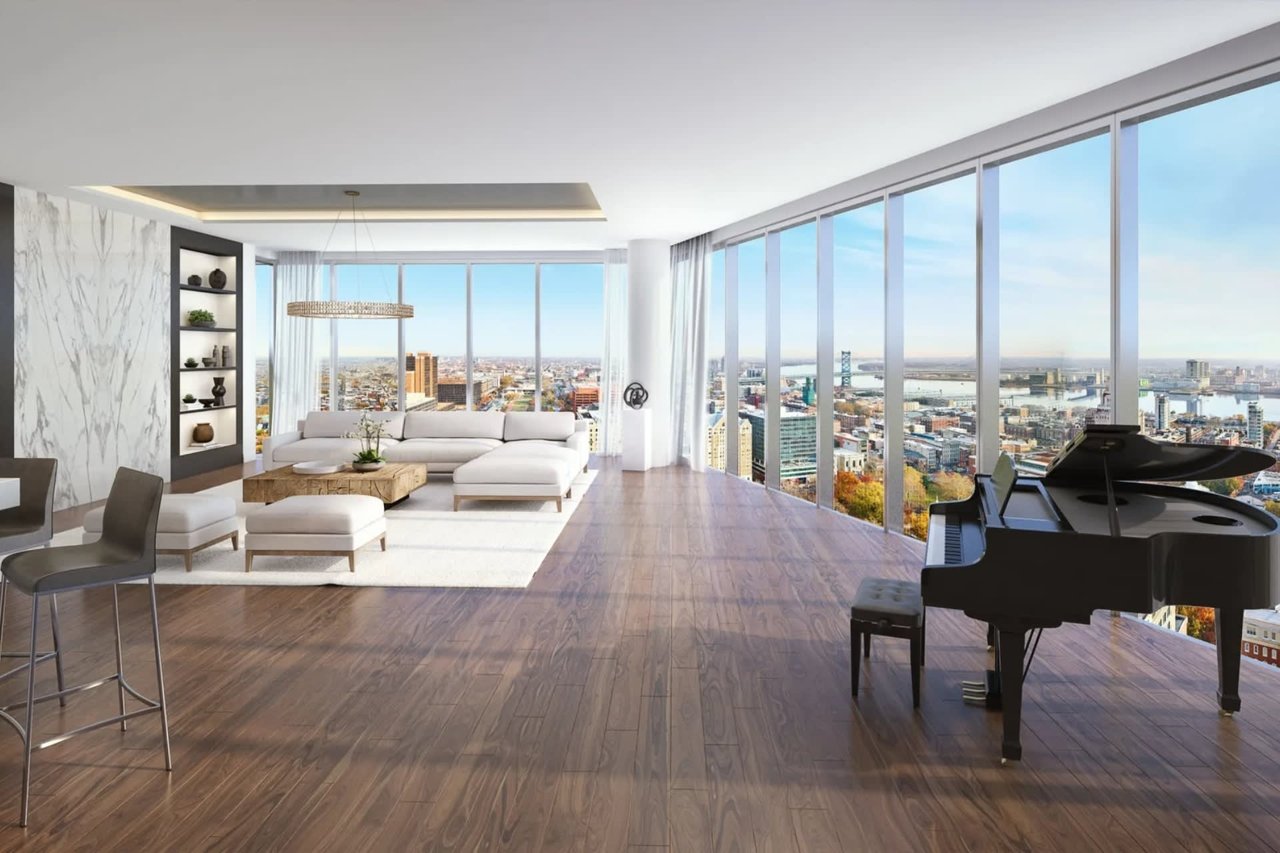
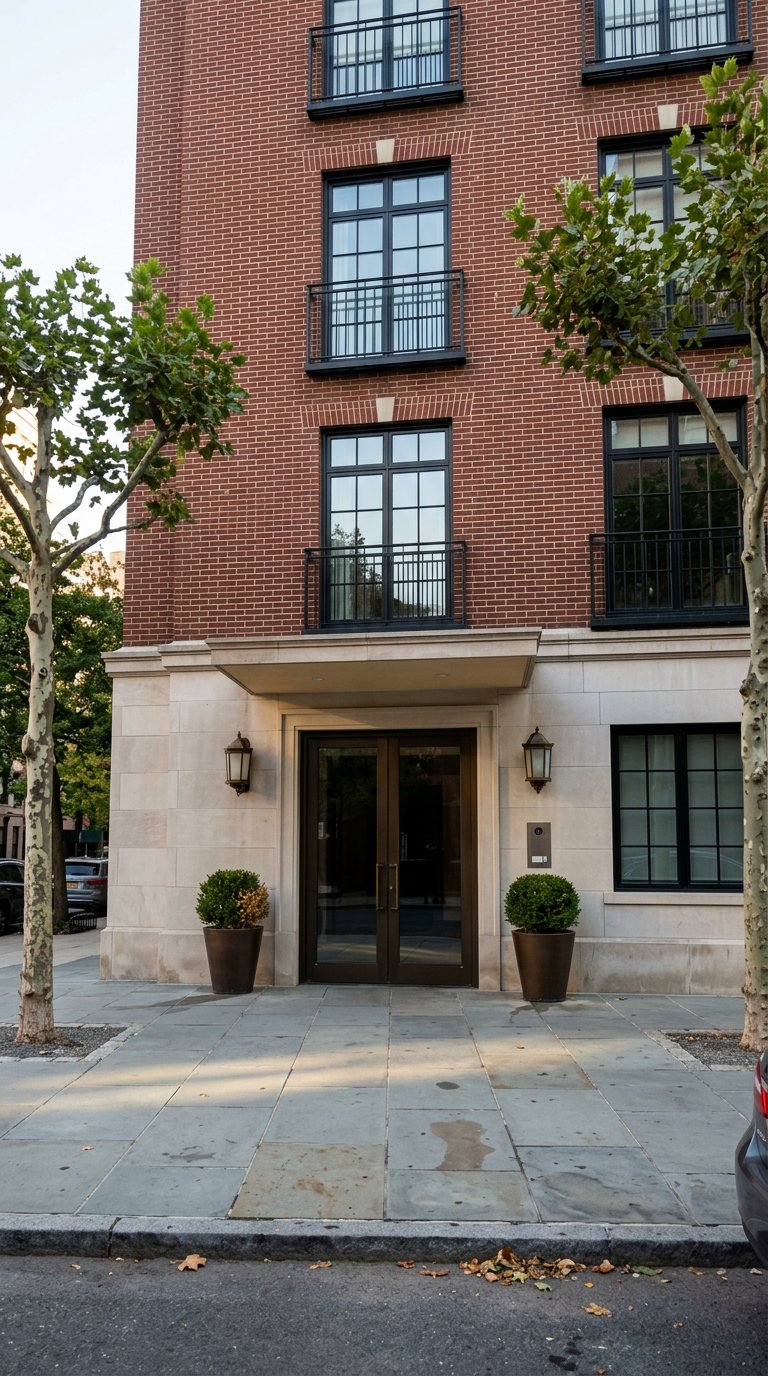
The finished stretch is Phase 1A of AveArts 2.0, a $150 million streetscape overhaul that broke ground on January 30, 2026 and was substantially complete about five months later, according to reporting from Philadelphia.Today. It covers a single block between Spruce and Pine, directly in front of the Kimmel Center for the Performing Arts and Arthaus Condominiums. That block now has:
- A raised, landscaped median with native trees and plantings
- A rainwater-collection cistern built into the median
- Curated lighting along the pedestrian edge
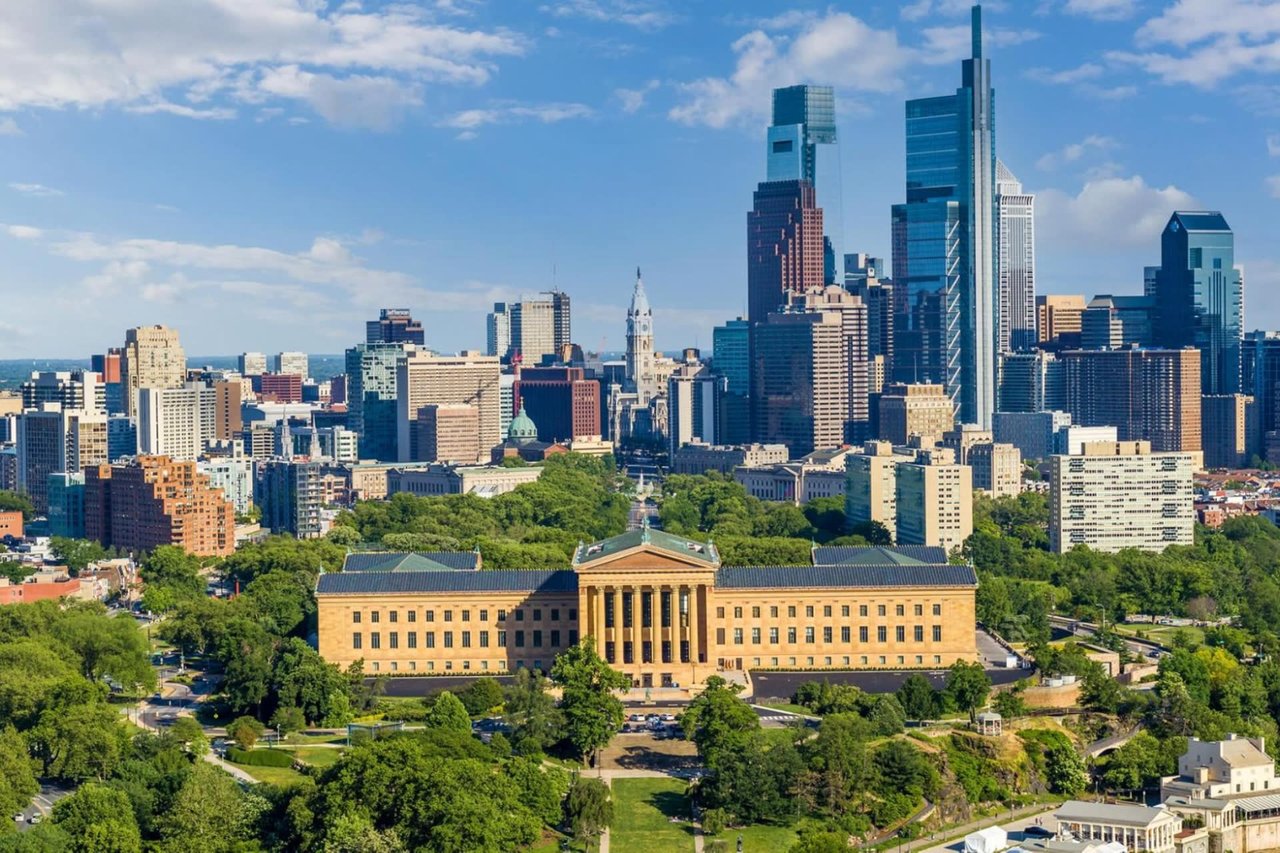
It is, by design, a small piece of something much larger. The full project, designed by the architecture firm Gensler, is meant to remake all ten blocks of South Broad Street from City Hall to Washington Avenue over the course of a decade, with construction moving one block at a time. The original 2024 estimate put the total cost at $100 million; by the January 2026 groundbreaking, that figure had grown to $150 million. Set against the $4.4 billion that city officials say the Avenue's cultural institutions represent, the streetscape budget is a modest bet on protecting a much larger asset, not a vanity project.
The Sculptures Arriving This Fall
The median isn't done accumulating detail. This fall, South Philadelphia sculptor Miguel Horn is installing a pair of works in the new planted strip, a different register than his 2021 piece ContraFuerte on Cuthbert Street, which became one of the more widely discussed public art installations Philadelphia has produced in recent years. For this commission, Horn used lidar scans of pedestrians moving through city spaces and rendered those movements in bright yellow, powder-coated steel. The next stage of the project, extending the public realm into the existing drop-off lane with curved planting beds, seating and additional art, is targeted for 2027, not later this year, a detail that matters if you've been budgeting for a finished sidewalk before winter.
A Bar Closes. A Restaurant Opens. Neither Is the Headline.
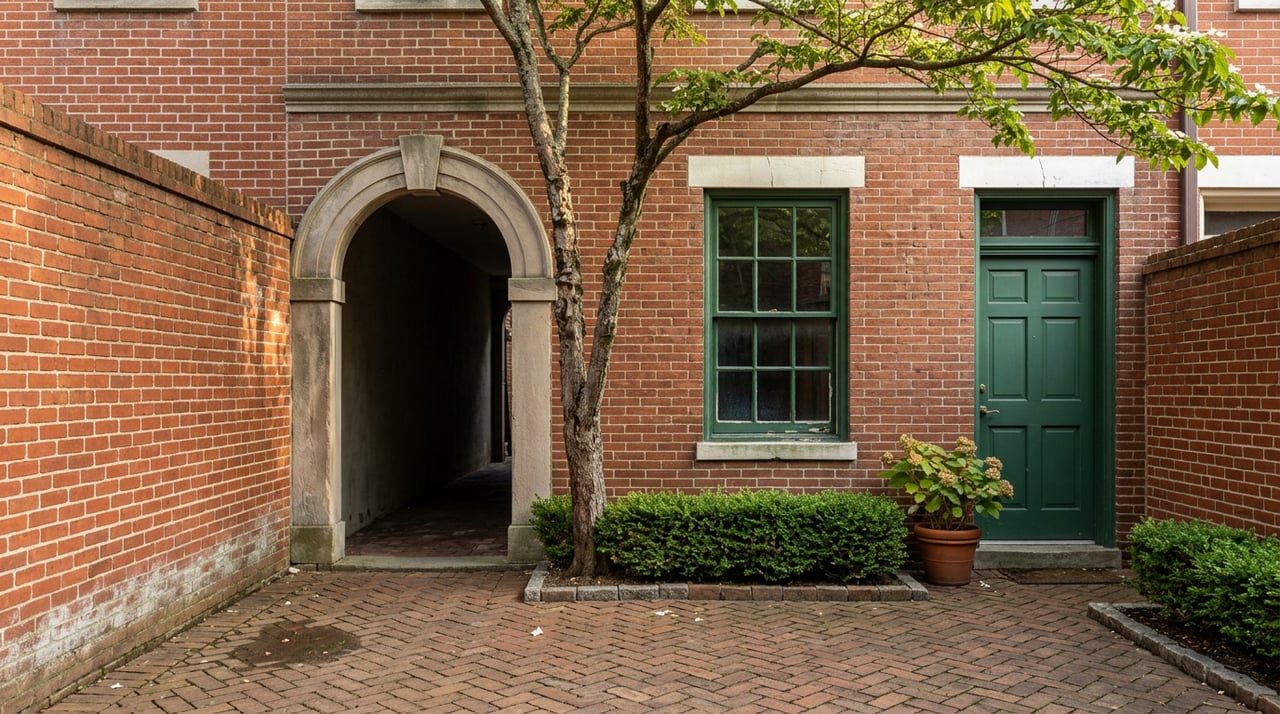
Two blocks from that median, at 355 South 15th Street, Frankie's Summer Club is closing for the season in late September. It's the seasonal wine garden tucked into the courtyard of the former Hamilton and Furness Halls, the University of the Arts buildings that Scout, the development firm behind South Philadelphia's Bok Building, purchased at bankruptcy auction for $12.25 million in February 2025. Food at Frankie's has been curated by Michael Ferreri, executive chef at Irwin's, and this was its second season running. Visit Philadelphia has noted that the site is expected to transition toward a year-round destination later in 2026, which means the September closing reads less like an ending and more like a pause before the next version of the same courtyard.
That courtyard sits inside a larger complex now known as the Village of Industry & Art, and its own timeline points to 2027 as well. Furness Hall, the 1875 Frank Furness dormitory on the site, is being converted into 45 apartments for artists: 35 income-restricted long-term units and 10 furnished units for visiting artists and short residencies, funded in part by a $2.5 million grant from the Knight Foundation announced in mid-August 2026. The target opening is late 2027, not this year.
A few blocks north, a very different kind of opening is landing on a firm date. On October 18, Kitchen + Kocktails by Kevin Kelley opens at 225 South Broad Street, taking over the ground floor of the Cambria Hotel in the space formerly occupied by Del Frisco's Grille. At 7,200 square feet with roughly 300 seats and about 125 new hospitality jobs, it will be the largest Black-owned restaurant in Philadelphia, part of a growing multi-city chain built by Dallas attorney-turned-restaurateur Kevin Kelley. The menu leans into elevated Southern comfort food: fried chicken and waffles, shrimp and grits, fried green tomatoes, jerk lamb chops, candied yams.
One closing, one opening, both permanent parts of the Avenue's identity even as the underlying buildings around them keep changing hands and use.
Two Timelines, Side by Side
| This fall (2026) | 2027 |
|---|---|
| AveArts median finished; Horn sculptures installed | Median project extends into drop-off lane with seating and planting beds |
| Frankie's Summer Club closes for the season | Furness Hall's 45 artist apartments open |
| Kitchen + Kocktails opens October 18 | Terra Hall reopens under Temple University as a cultural venue |
| Philadelphia Fringe Festival turns 30, opening night September 8 | Construction likely moves to the next block, Locust to Spruce |
The left column is what a resident will notice by Halloween. The right column is when the neighborhood's structural bets actually come due.
That 2027 date for Terra Hall deserves its own mention. The 17-story Beaux Arts building, built in 1911 as a Ritz-Carlton hotel and later UArts' main academic building, was purchased by Temple University, which has said it wants the space to become an intellectual and cultural hub for Center City, something like Philadelphia's answer to New York's 92nd Street Y. That reopening, the Furness Hall apartments, and the next phase of streetscape work are three separate projects run by three separate institutions, and they are all converging on the same twelve-month window.
Why the Fall Calendar Matters
Carl Dranoff, the developer who chairs Avenue of the Arts Inc., has described the corridor's economics as a kind of feedback loop: people who come down for a show end up at a restaurant afterward, and that spending is part of what justifies further investment in the street itself. The organization pushed hard to finish Phase 1A ahead of Philadelphia's marquee summer, when the city hosted 250th-anniversary events, World Cup matches and the MLB All-Star Game.
That same logic explains why Fringe Festival's 30th anniversary, kicking off September 8 with an opening night celebration, matters to this corridor even though FringeArts' home venue sits on Christopher Columbus Boulevard rather than Broad Street itself. The festival's 20-day run, with more than 300 events across the city, overlaps with the Avenue's own fall season: Ensemble Arts Philly's Broadway series at the Academy of Music, and a full slate at the Tony Award-winning Wilma Theater. When theater season and restaurant openings land in the same six weeks, foot traffic compounds. Kitchen + Kocktails opens October 18, adding another restaurant opening to the Avenue's fall calendar.
What This Actually Means If You Live Here
None of this means the Avenue is done, and none of it means residents should expect quiet. The block in front of the Kimmel looks finished because it is, for now, but the project's own architects have been explicit that the next stage doesn't arrive until 2027, and the block after that isn't scheduled at all yet beyond a general sense that Locust to Spruce comes next. If you live along this stretch, this fall is worth noticing precisely because it's a preview, not a conclusion: one bar closing on a known date, one restaurant opening on a known date, a pair of sculptures going up, one festival turning 30. The bigger shifts, the artist housing, the Temple reopening, the next construction phase, are still a year out.
That's useful information whether or not you're thinking about property here. A neighborhood that's mid-transformation behaves differently than one that's finished or one that hasn't started. The Avenue of the Arts, right now, is very specifically the former, and the next real marker to watch isn't a ribbon-cutting this October. It's 2027.
If you're weighing what that kind of sustained public investment and cultural momentum means for a property on or near the Avenue, Douglas Pearson tracks this corridor closely and is glad to talk through what it's worth right now. Request a private valuation & consultation.