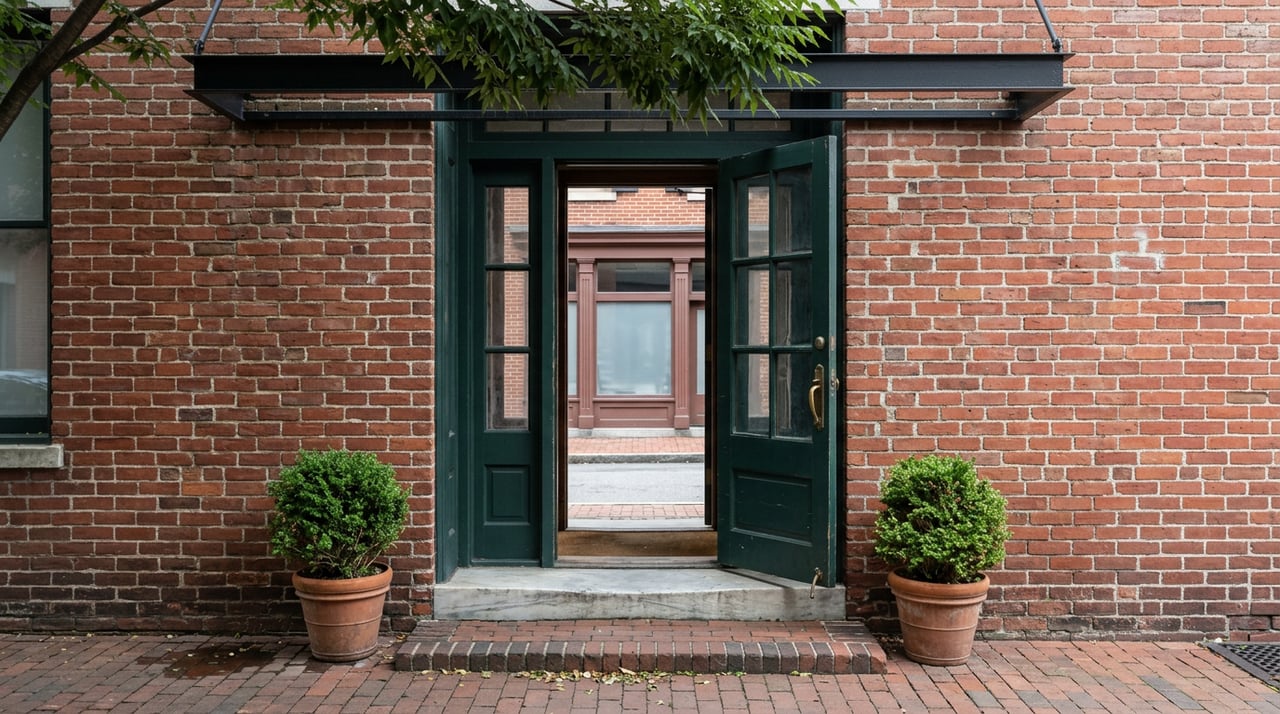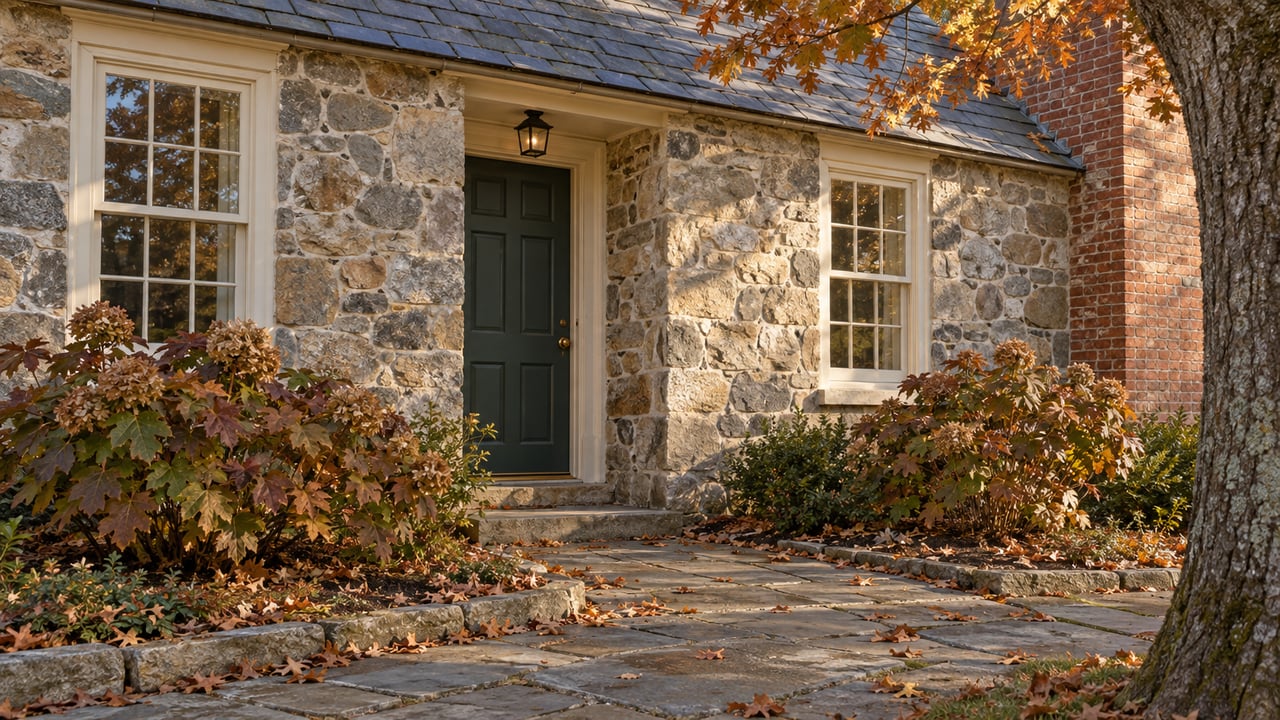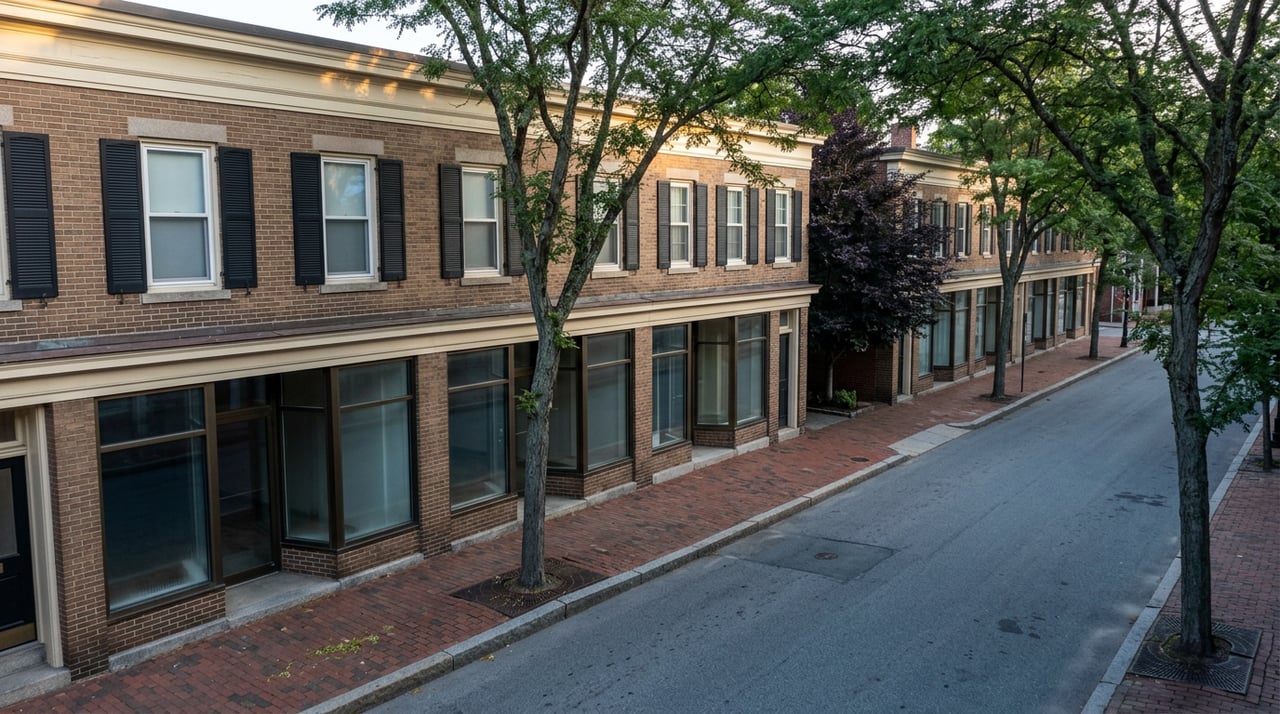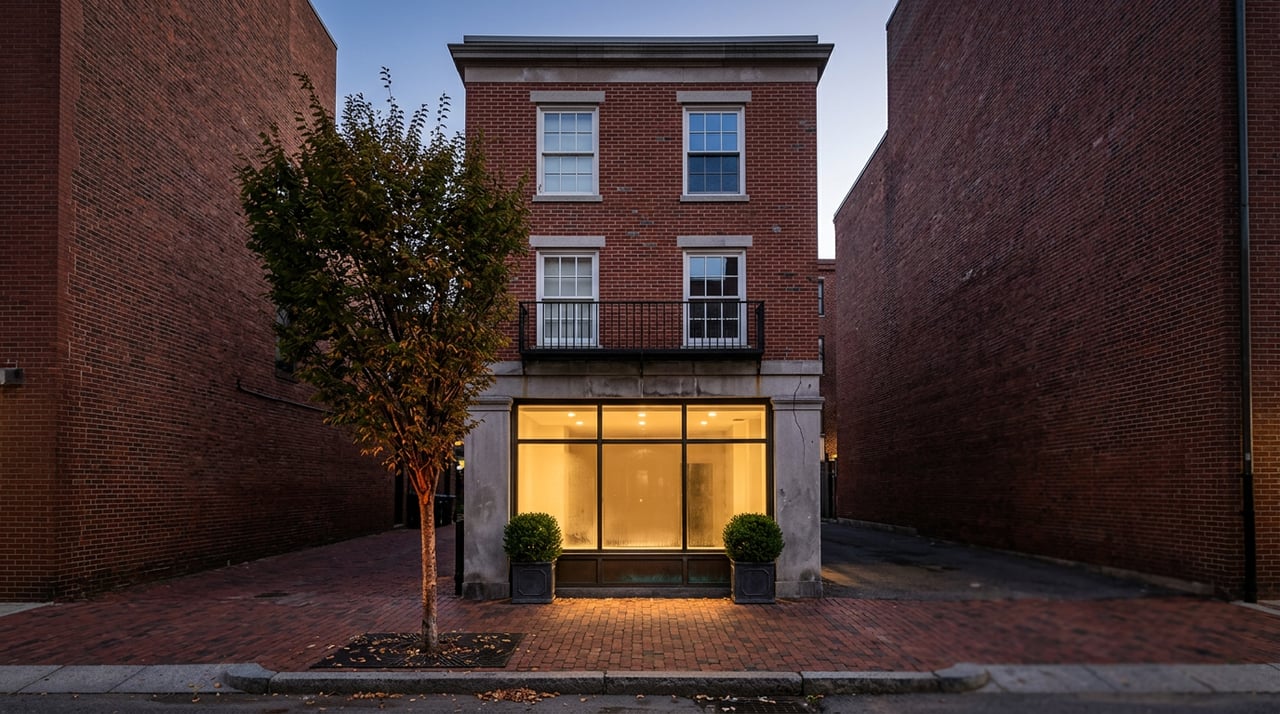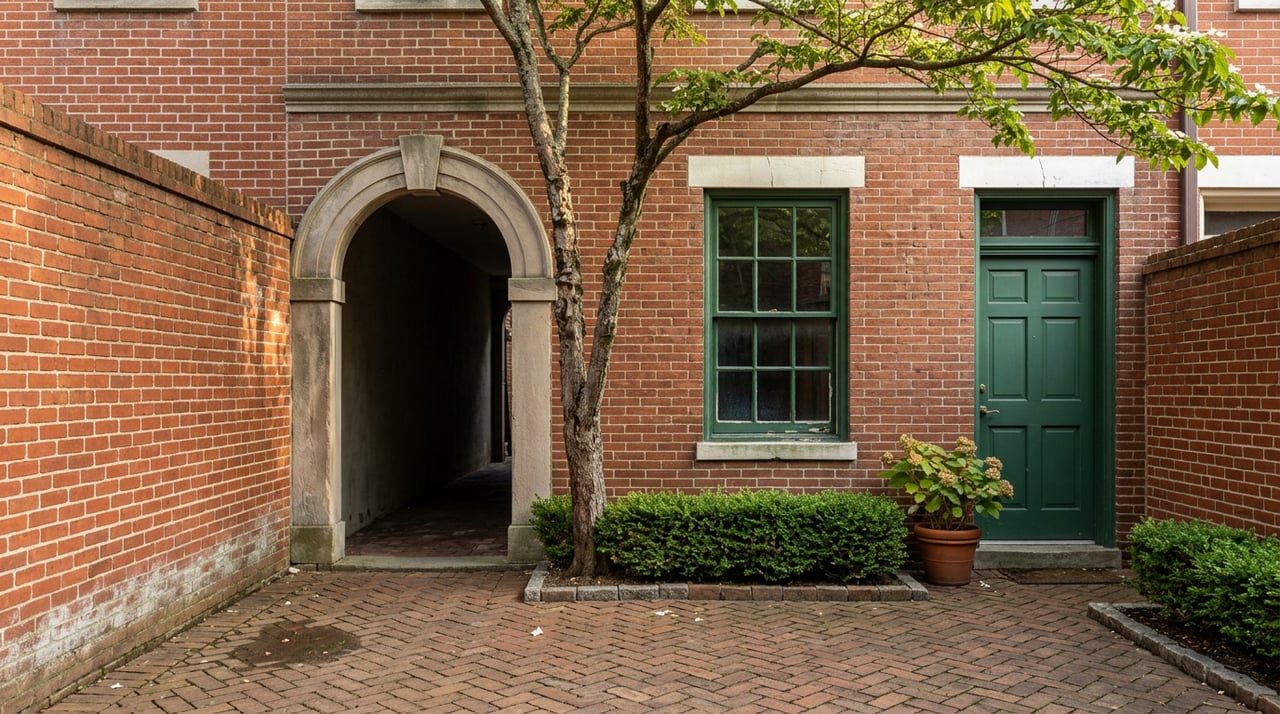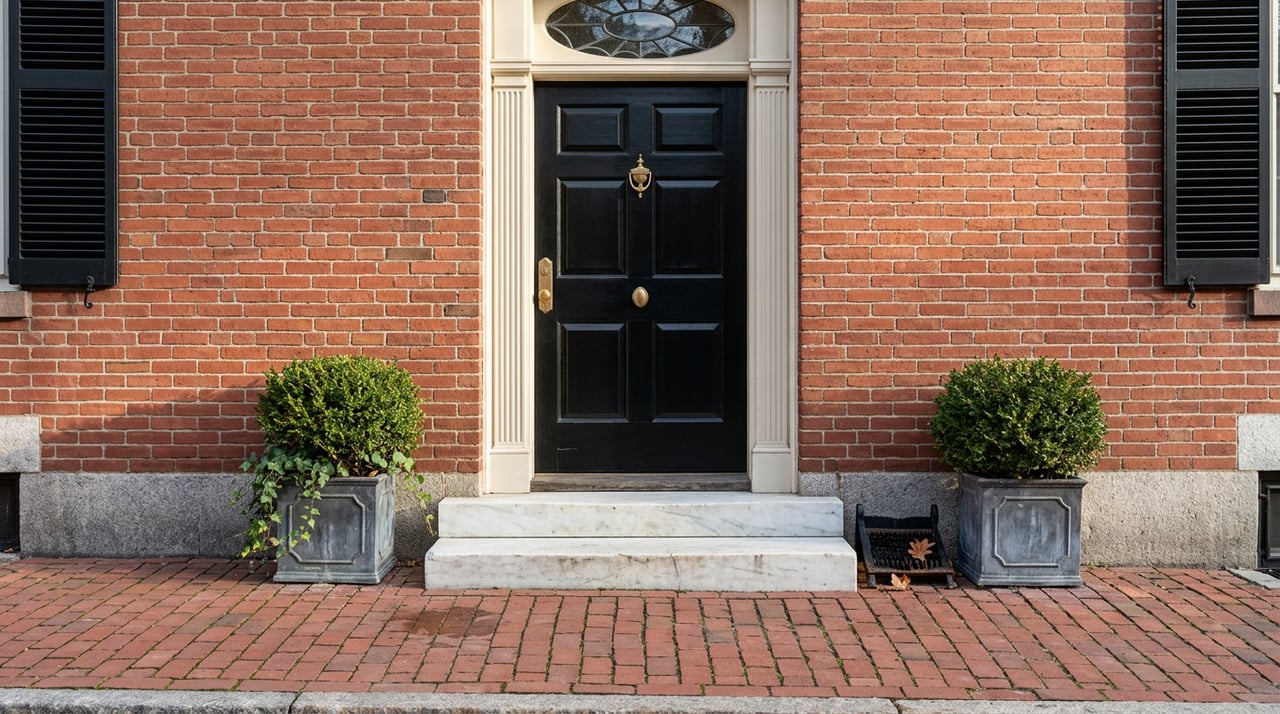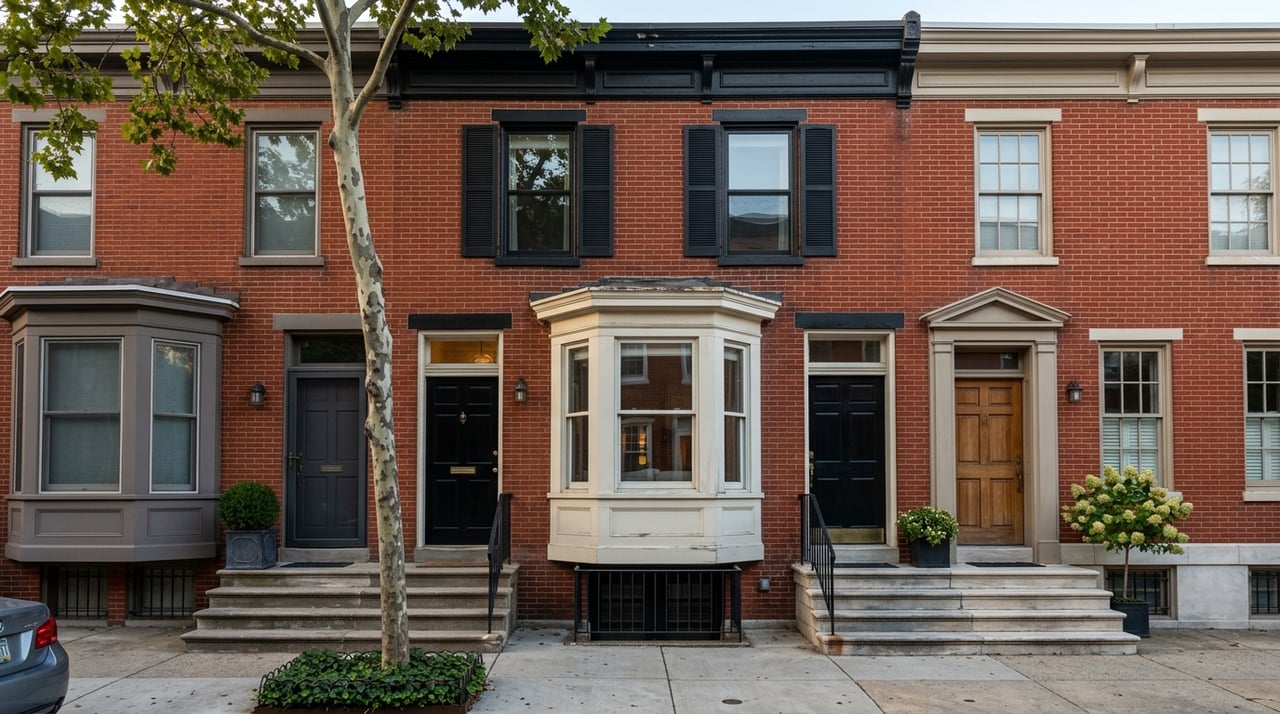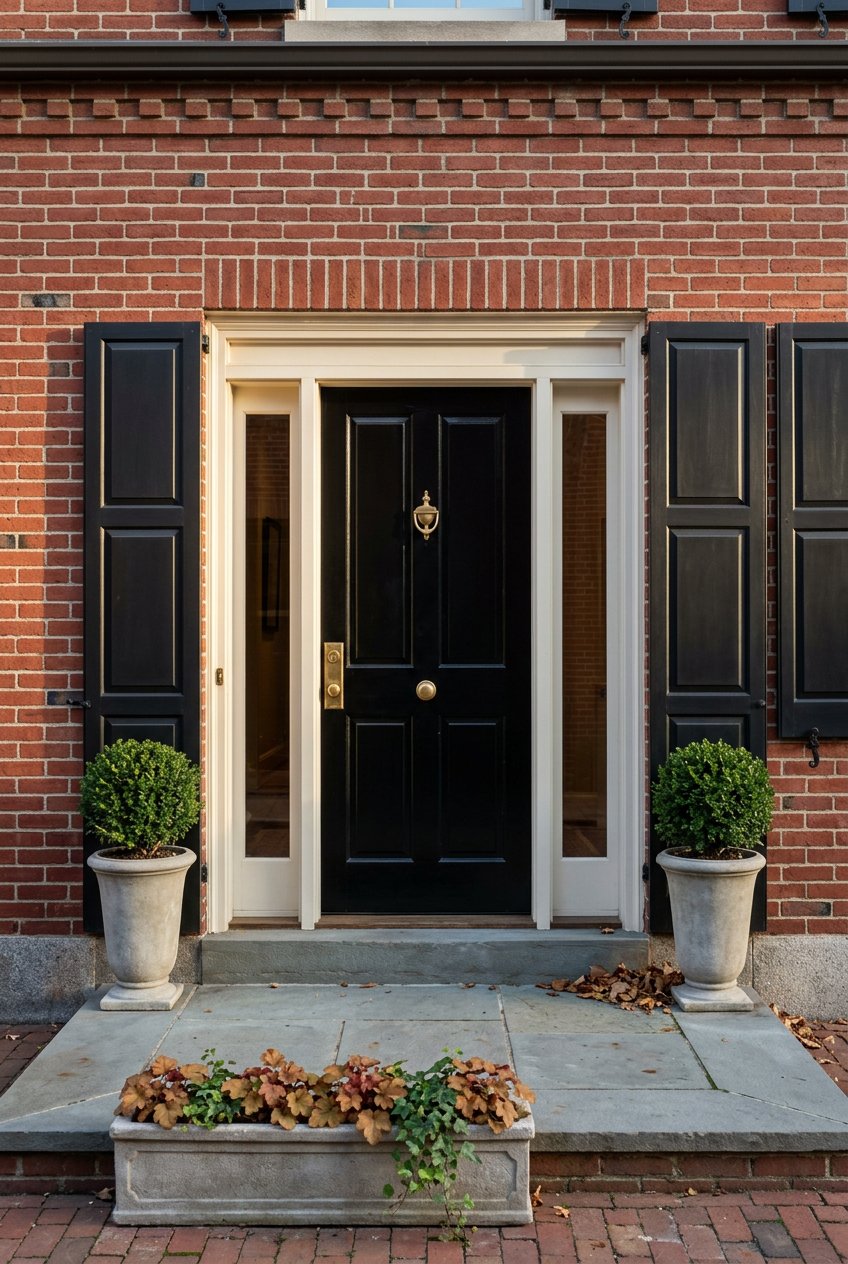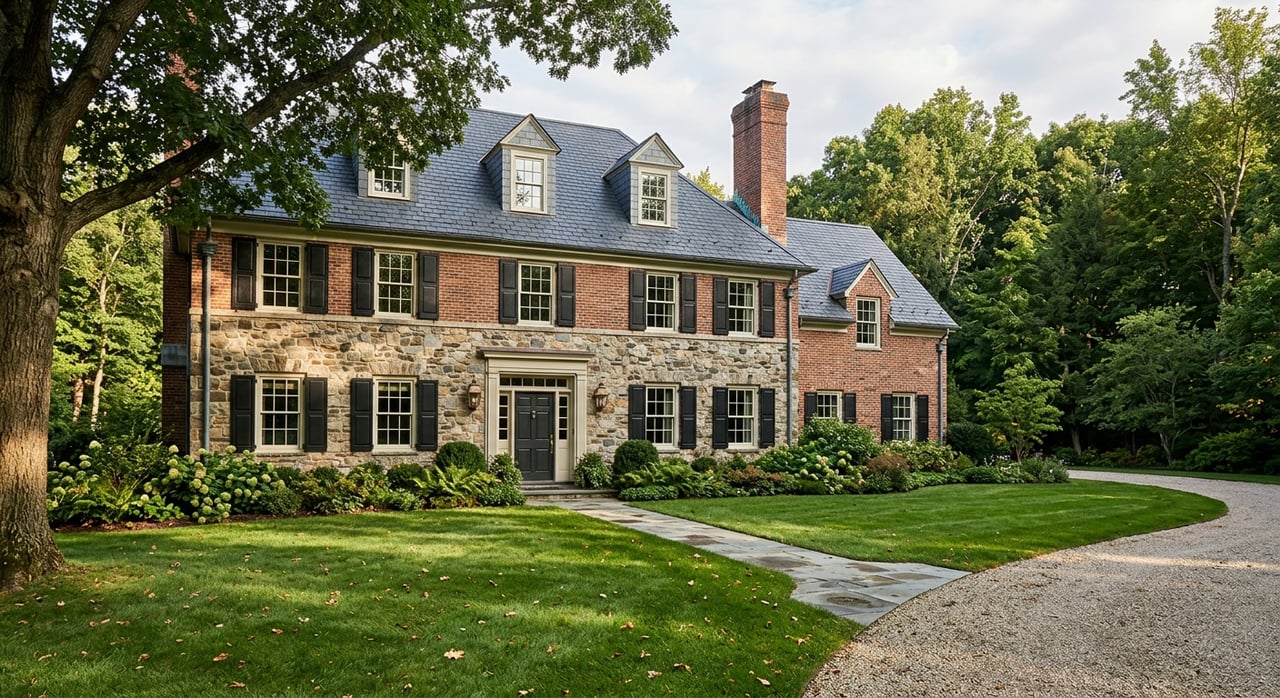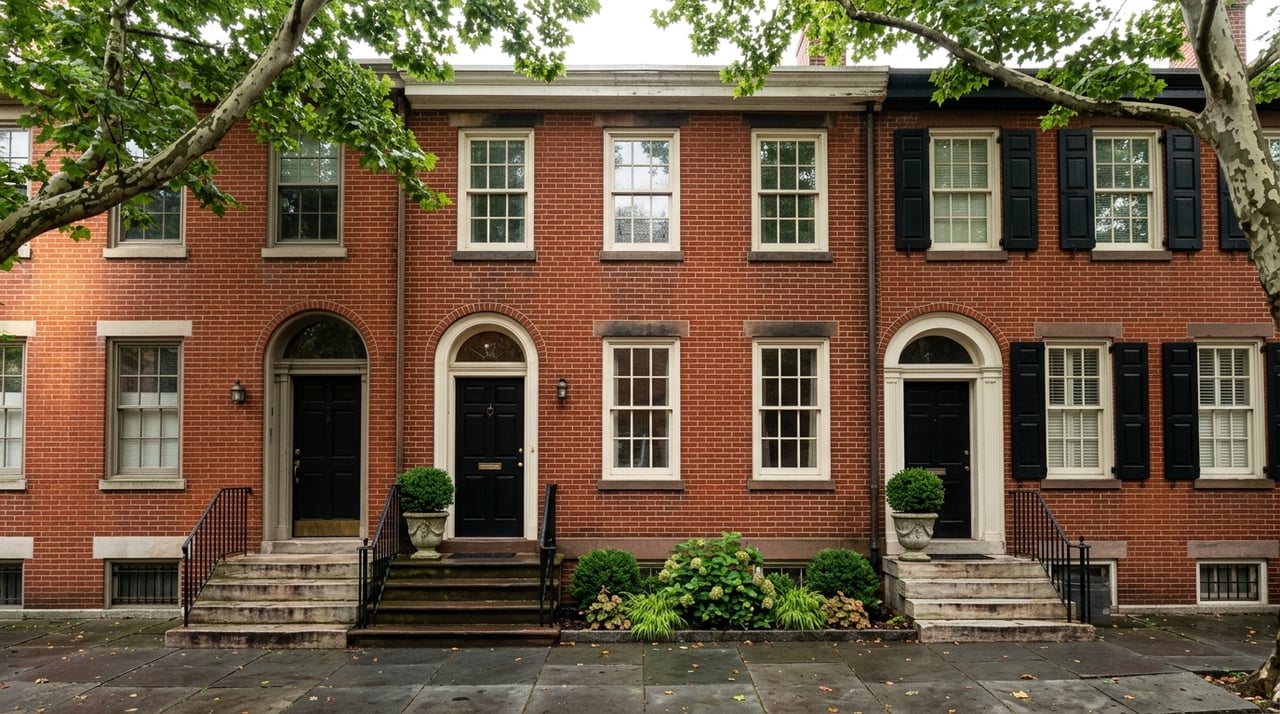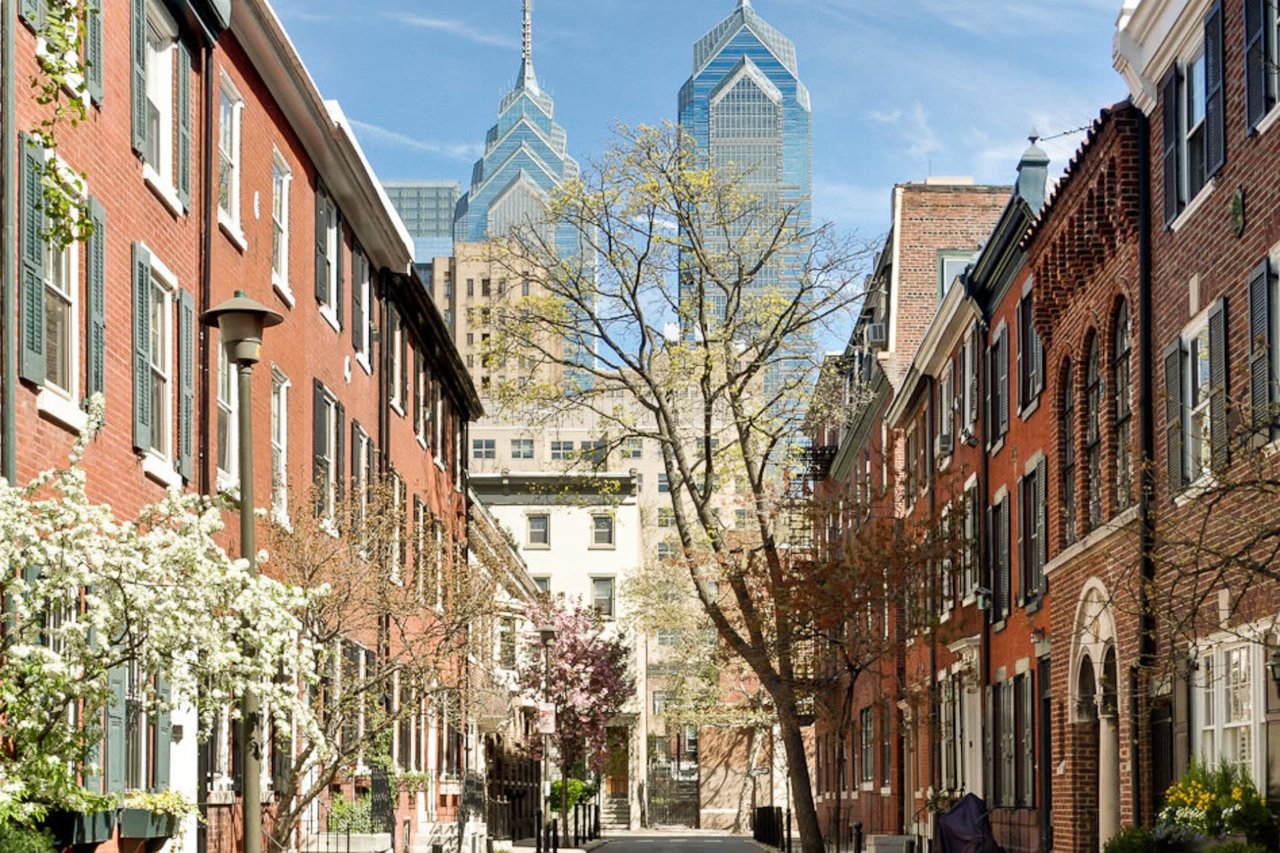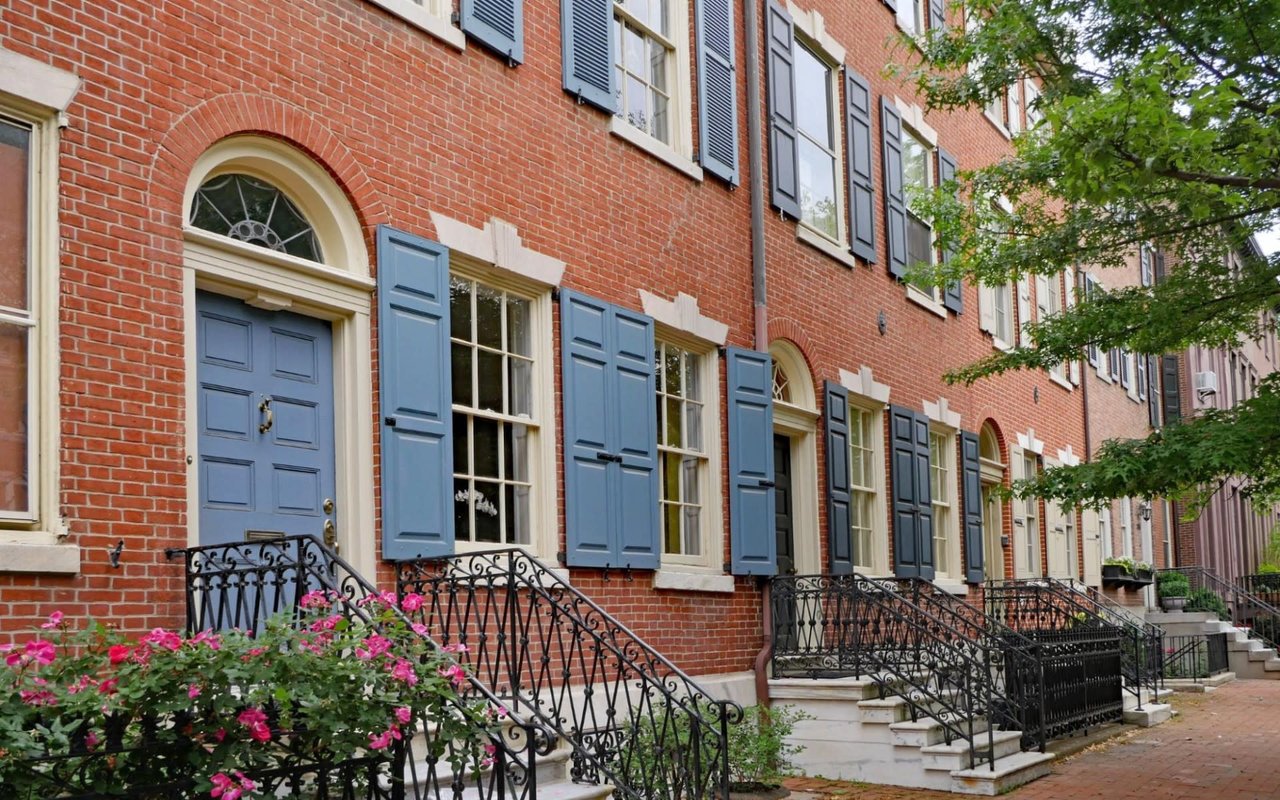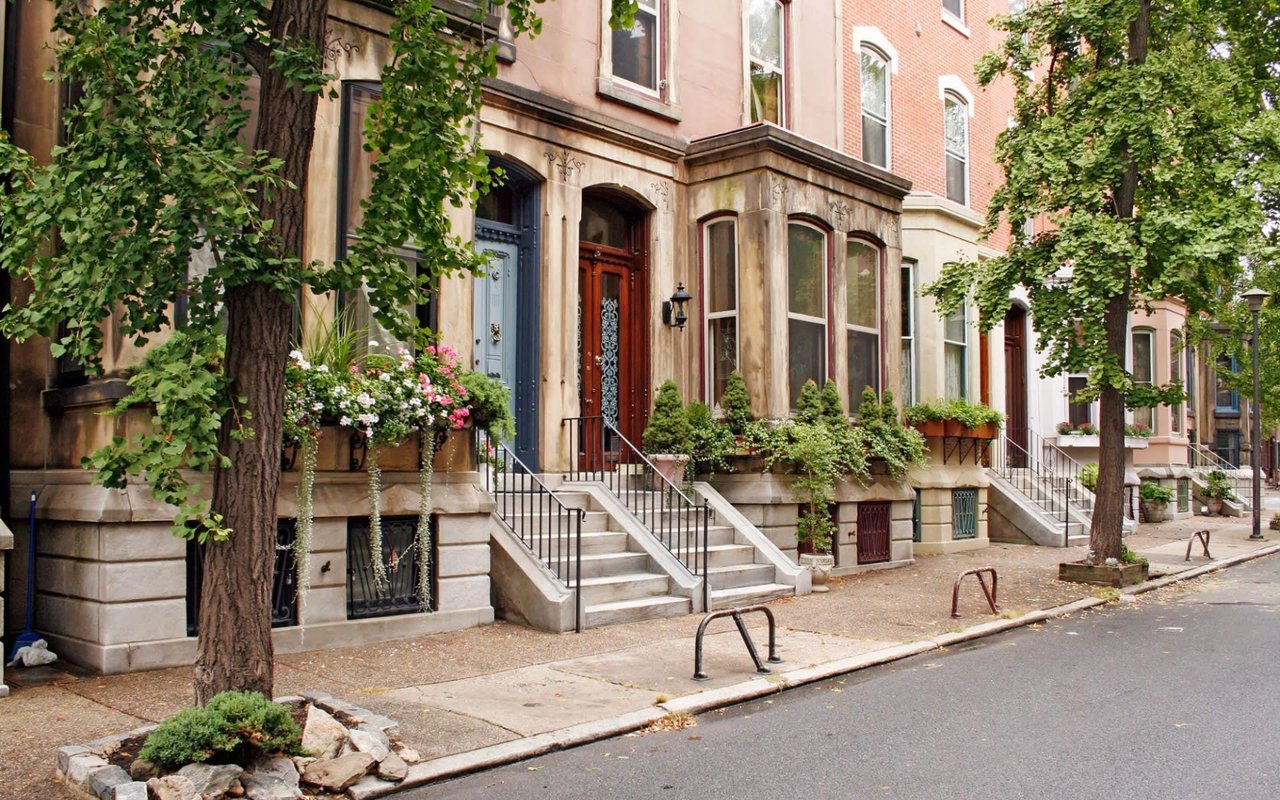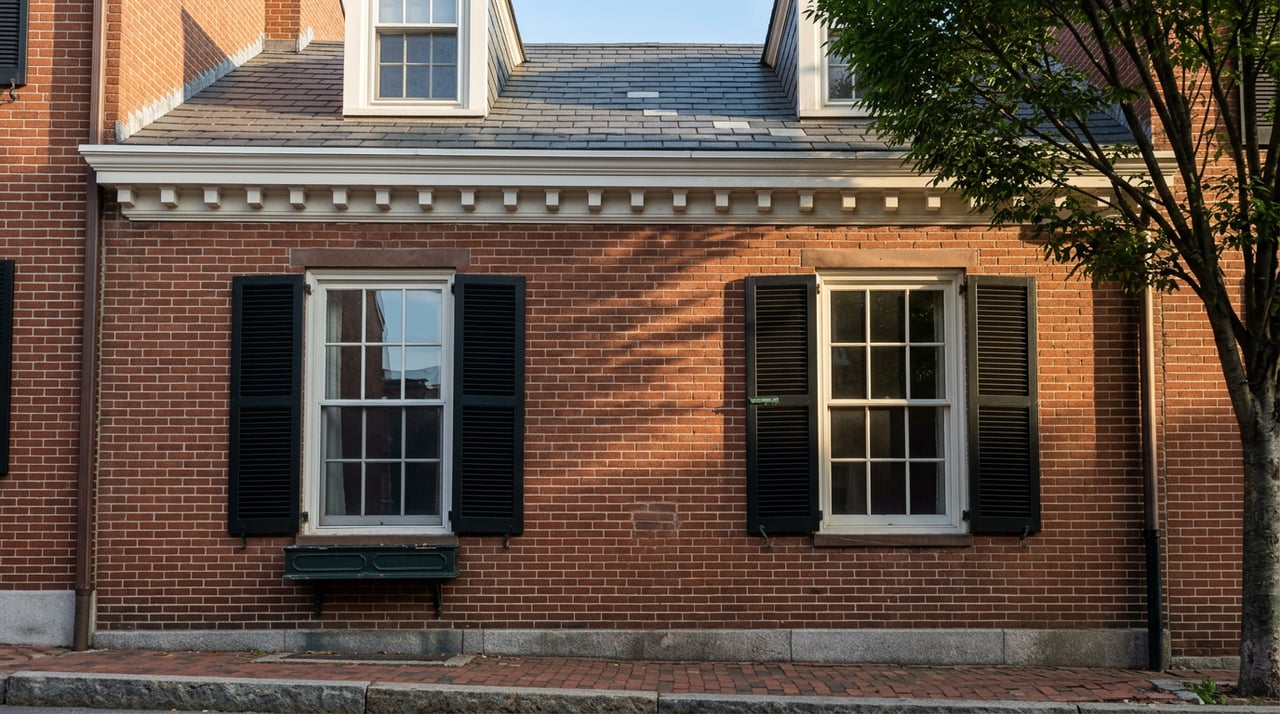
In April 2026, a homeowner on a contributing property inside the Society Hill Historic District applied to add an exterior sconce and an outlet near a doorway. Nothing structural, no addition, no new footprint. The Philadelphia Historical Commission's reviewer, Josh Schroeder, sent the file back with two requests: a photograph showing exactly where the sconce and outlet would sit, and the manufacturer's make and model information for the fixture itself. That single exchange is documented in the city's own April 2026 permit review log, and it captures something buyers and sellers in this neighborhood consistently underestimate. A porch light is not a paperwork afterthought here. It is a review.
Most people assume a Society Hill rowhome's time on market comes down to condition, price, or taste. The data says otherwise. The gap between a fast sale and a slow one in this neighborhood tracks less with the house and more with whether its exterior history is already documented before it ever hits the market.
What Actually Triggers a Review, and What Doesn't
Every property individually listed on the Philadelphia Register, and every contributing building inside the Society Hill Historic District, falls under Philadelphia Historical Commission jurisdiction for exterior work. The trigger is visibility from a public street or alley, not the size of the project. According to the city's own guidance, review applies to:
- Windows, storm windows, dormers, doors, storm doors, security doors, garage doors, and shutters
- Exterior light fixtures, window boxes, railings, grilles, and grates
- Porches, steps, stoops, ramps, decks, balconies, and patios
- Fences, walls, gates, sidewalks, driveways, and parking areas
- Facades, cornices, trim, and doorways
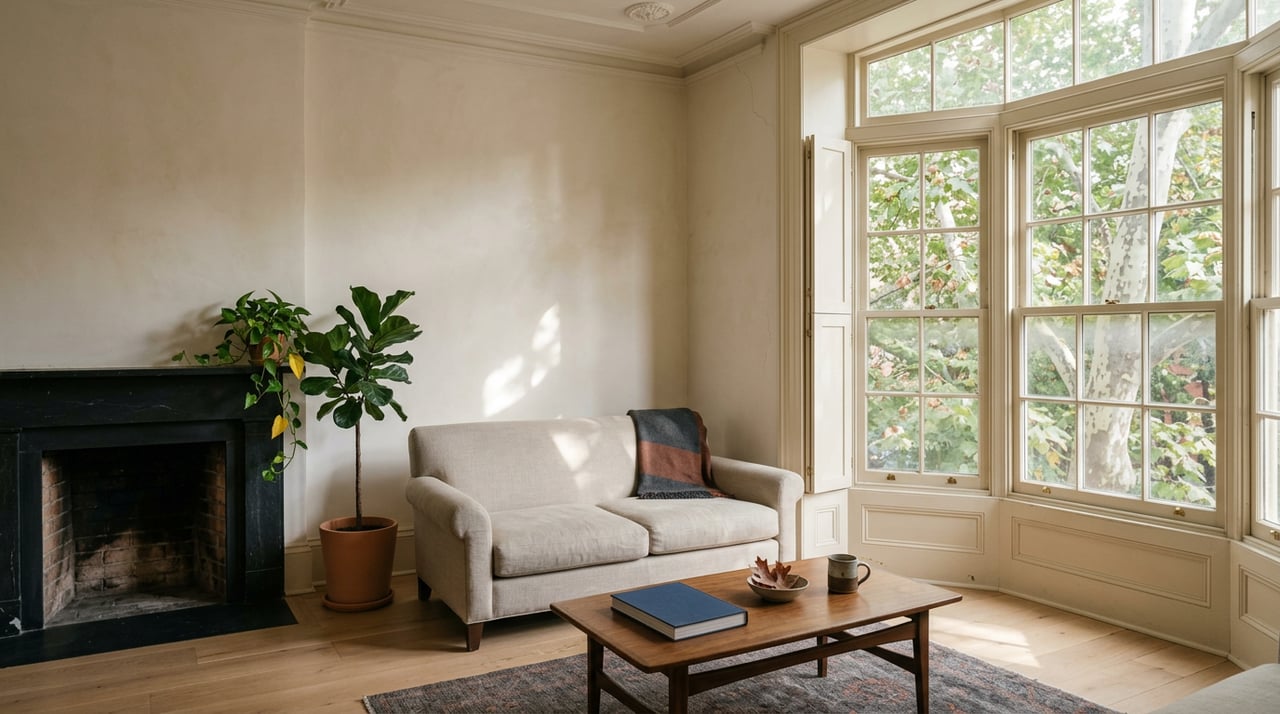
Interior work is a different story. The commission's jurisdiction over interiors only applies when the interior itself carries a separate designation, which is rare in Society Hill's rowhomes. A full kitchen gut, a new HVAC system, rewired electrical, all of that typically proceeds without commission involvement as long as the exterior stays untouched. That distinction matters more than most buyers realize when they're comparing a Society Hill rowhome to a comparable property outside a historic district.
Two Paths, Two Very Different Calendars
The commission's staff handles the overwhelming majority of applications directly. City figures put staff-level approval at over 90 percent of building permit applications, resolved without ever going to a public hearing. For routine work, matched windows, in-kind stucco repair, a replacement roof using a comparable material, that path can move in days to a few weeks.
The remaining share gets referred to the Architectural Committee and then the full Commission, a process that runs through a public meeting and a vote.
| Review path | What it typically covers | Typical duration |
|---|---|---|
| Staff-level approval | Repairs, in-kind replacements, minor fixtures | Days to a few weeks |
| Architectural Committee + Commission | New construction, additions, visible design changes, demolition | 6 to 12 weeks from submission to decision, longer if continued |
| L&I permit issuance after PHC decision | Any project, once PHC has ruled | A couple of weeks for simple scopes, multiple months for structural work |
A roof deck addition or a new dormer submitted in June could easily still be in committee review come September. That is not a hypothetical. It is the ordinary calendar for anyone who waits to start the process until a sale is already in motion.
The Days-on-Market Gap No One Explains
Here is where the paperwork question turns into a pricing question. A snapshot of the Society Hill townhouse market in early April 2026 showed 12 active listings at a median asking price of $950,000, sitting on the market for a median of 108 days. Over that same window, the broader neighborhood average, which blends in condos and newer construction, sat closer to 63 days, with properties typically closing about 2 percent under list.
That is a 45-day spread inside the same three or four blocks. The obvious explanation would be condition or price. But look at what actually sold and when. In March 2026, 201 Delancey Street closed at $975,000 and 506 Spruce Street closed at $1.499 million, both well inside that same window. Going back further, 309 Spruce Street closed at $2.0 million in July 2025 and 632 Spruce Street closed at $2.125 million in June 2025, both after documented, comprehensive renovation campaigns.
The properties at the top of that range share a pattern. Their exterior work had already cleared commission review, and that history traveled with the listing rather than surfacing as a question during due diligence. The properties stuck at 108 days tend to be the ones where a buyer's attorney or inspector flags an undocumented change, a replaced window that doesn't match the original profile, a deck that was never submitted, a stoop repair with no paper trail, and the deal slows while someone tracks down what was actually approved.
The historic designation is not the obstacle. The absence of a resolved paper trail is.
Before You List, or Before You Write an Offer
For sellers, the fix is sequencing. Assemble commission approvals for any exterior work before your home ever goes live, not after an inspector asks. That means:
- Copies of Certificates of Appropriateness for any past exterior alterations
- Photographs and permit numbers tied to windows, doors, roofing, or masonry work
- A clear answer on whether any exterior feature was changed without going through the commission
Buyers should treat this the same way they would treat a title search. Ask for the property's PHC file before writing an offer, not after the home inspection. If a prior owner replaced windows or added a deck without documentation, that becomes your negotiation, your timeline, and potentially your problem to resolve before you can make further changes yourself.
One more timing detail worth knowing if you are submitting anything to the commission right now. The city redesigned its eCLIPSE permitting platform on July 13, 2026, so anyone who filed under the old interface before this summer should confirm the current submission flow with commission staff rather than assume the prior process still applies.
Two disclosure obligations sit alongside all of this and deserve equal attention. Most Society Hill rowhomes predate 1978, which means federal law requires sellers to disclose known lead-based paint hazards and provide the EPA/HUD pamphlet before a buyer signs. Separately, Pennsylvania's seller disclosure law requires known material defects to be disclosed and delivered before the agreement of sale is signed. Neither obligation goes away because a property carries historic status, and neither is satisfied by pointing to the home's age alone.
A Few Direct Questions
Does every home in Society Hill need Historical Commission approval for exterior work? If the property is individually listed on the Philadelphia Register, or contributes to the Society Hill Historic District, yes, for anything visible from a public street or alley. Interior-only projects generally do not require review unless the interior itself is separately designated.
How long should I actually budget? Plan for a few weeks if the work is routine and handled at the staff level. Plan for 6 to 12 weeks, sometimes longer, if the project is significant enough to require a full Architectural Committee and Commission review, and add time on top for L&I permit issuance once the PHC decision is in hand.
Does historic status hurt resale value? The sales data says the opposite, when the paperwork is in order. Buyers in this neighborhood consistently pay for documented character, not around it. The properties that struggle are the ones carrying unresolved exterior history, not the ones carrying a historic designation.
If you are weighing a purchase or a sale in Society Hill and want a clear read on what a specific property's history actually looks like before you commit to a timeline, Douglas Pearson can walk through it with you directly. Request a private valuation and consultation, and bring the questions the listing photos won't answer.