Washington Crossing Brewfest isn't happening this year. The festival, which pours more than 100 beverages from local, regional, and national breweries in the wooded grounds beside the Delaware River, will stay quiet in 2026. The organizers, Friends of Washington Crossing Park, announced the pause on the event's own site and said the break gives them room to "reimagine" the format before a return in 2027. The same announcement names this year's focus: commemorative programming for the 250th anniversary of the Crossing, including the rehabilitation of McConkey's Ferry Inn and capital upgrades to the Thompson-Neely Grist Mill.
McConkey's Ferry Inn is the project closest to the village, and the timing follows the calendar. December 2026 marks the 250th anniversary of the night Washington's troops crossed the Delaware from this exact stretch of river, and the Friends organization has built its 2026 plans around that milestone.
Where the Brewfest Effort Actually Went
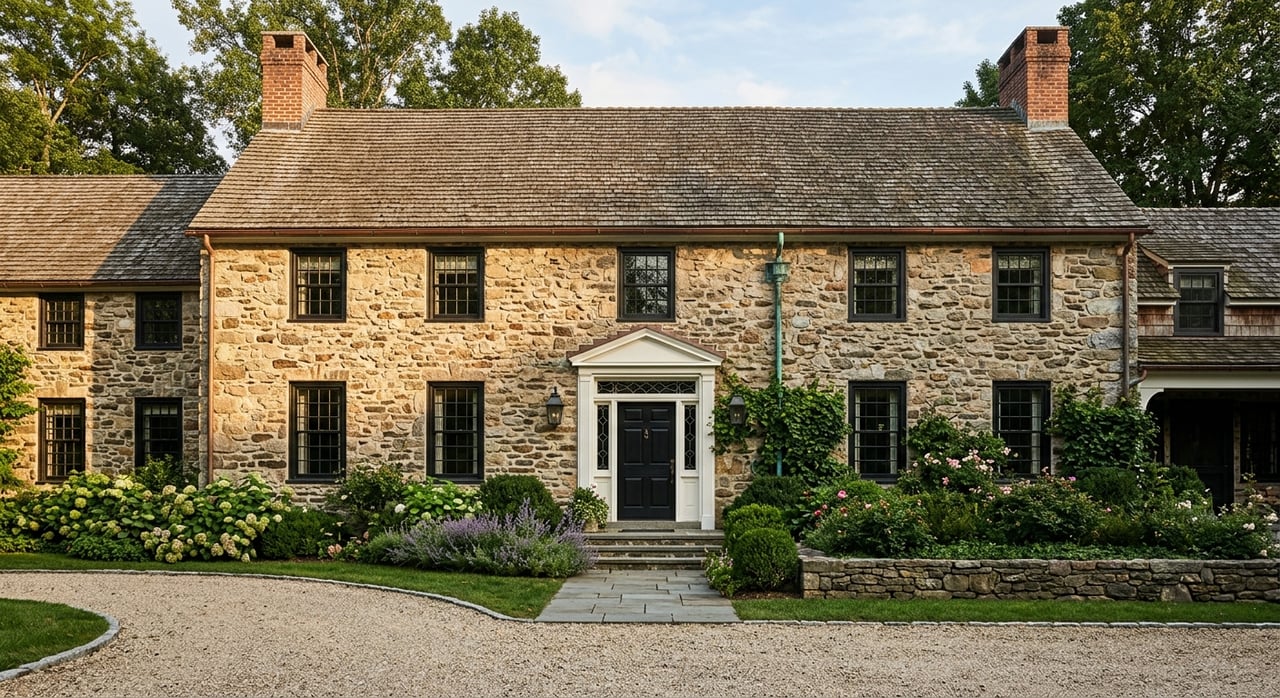
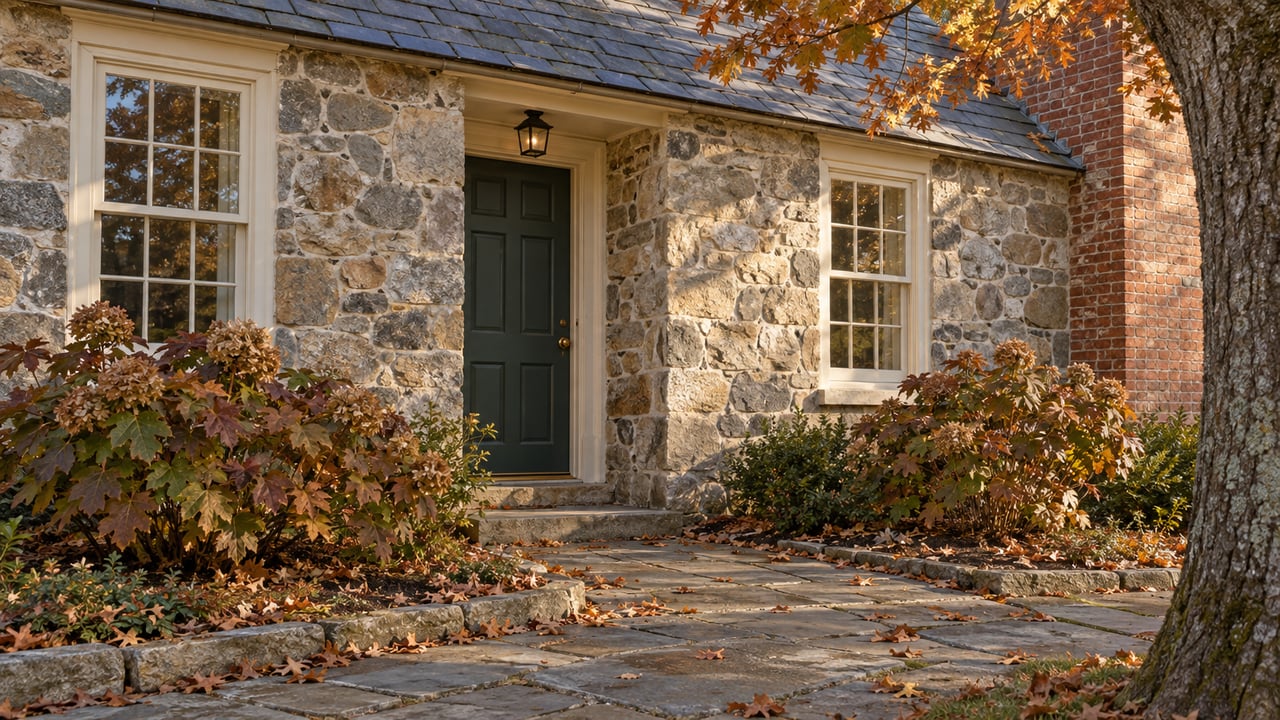
McConkey's Ferry Inn is the building where Washington and his officers ate dinner and finalized the crossing plan on December 25, 1776. Its earliest section dates to the 1750s, with additions through the early 1800s, and it is a landmark of the lower park. This year it's undergoing a full rehabilitation.
The National Park Service awarded Friends of Washington Crossing Park a $502,768 grant for the project, funded through the Historic Preservation Fund's Semiquincentennial Grant Program, a fund Congress created in 2020 specifically to prepare sites like this one for the country's 250th anniversary. It was one of only 20 cultural resource preservation projects funded nationally. The grant covers complete interior renovations to museum standards and an update to the building's National Register of Historic Places documentation, work that sits on top of an earlier $8.7 million capital project that already touched buildings throughout the park.
Jennifer Martin, the Friends organization's executive director, said when the grant was announced that the group was "grateful for the opportunity to restore the site in commemoration of the upcoming Semiquincentennial celebration." That anniversary work is the focus the Friends named for 2026 when they announced the Brewfest pause.
The Thompson-Neely House, a few miles north in the upper park, is getting a version of the same treatment on a smaller scale. Its exhibits on 18th-century military life have been refreshed this year with replica uniforms and weaponry, and artifacts on loan from the Mercer Museum and the Swan Historical Foundation are rotating through the broader exhibit program across the park for 2026.
The One Tradition That Didn't Get Rerouted
If Brewfest is the tradition that got paused, the Fall Lantern Tours are the one that didn't. They're running their normal schedule this year: Fridays and Saturdays from October 2 through October 31, with tours departing at 6:30 and 7:30 in the evening, timed to match the hour of day the actual crossing began.
The tour is an hour long and moves through the soldier encampment, the boat barn, and the battle map, with interpreters in period attire stationed at each stop. It's worth knowing what's inside that boat barn, because it's easy to walk past without registering it the rest of the year. Five replica Durham boats sit there, the same shallow-draft, 40-foot vessels that carried Washington's 2,400 soldiers across the river on Christmas night. Two of the replicas were built in Point Pleasant, New Jersey, in 1965 and 1976. The other three came later, built by boatbuilder Paul Rollins of York, Maine, in 1996 and 1997. They come out of the barn once a year, for the December reenactment, and sit unused the rest of the time. The Lantern Tours are the only regular chance to see them up close outside of that single night.
Where the Village Actually Eats
The village around the lower park hasn't changed much this year, which is its own kind of useful information if you live here and are deciding where to send out-of-town guests during construction season.
The Washington Crossing Inn, the stone building on River Road that dates to 1817, remains the reliable option for lunch or an early dinner, and it doesn't require the kind of advance reservation that comparable spots in New Hope do. For something later in the evening, Francisco's on the River is a dinner-only BYOB tucked into a bend in River Road just north of the visitor center. Chef-owner Francisco Argueta runs it, and the menu leans toward Italian standards like eggplant parmigiano and linguine with shellfish in a spicy tomato sauce, in a room with an enclosed front porch and a beamed ceiling that looks across the road at the river. For something faster, Colonial Farms operates a deli and bakery in the village itself, alongside two pizza places and a Dunkin, the kind of lineup that covers a picnic lunch before a walk on the towpath without requiring a drive into New Hope.
The Trail That Connects the Two Halves of the Park
Washington Crossing Historic Park runs as two sections. The lower park sits at the intersection of Routes 32 and 532, where the Historic Village and McConkey's Ferry Inn are. The upper section, near the Thompson-Neely House and Bowman's Hill Tower, is a few miles north. The Delaware Canal towpath runs between them, flat and shaded by tree cover, and it's the piece of infrastructure that turns two separate stops into one continuous stretch of ground rather than a list of attractions you drive between.
Bowman's Hill Wildflower Preserve sits just across River Road from the upper park, on the opposite side from the tower. It's a nonprofit devoted entirely to native plants, with 100 acres of fenced forest and 2.5 miles of hiking trails winding through it. Most people who live within a few miles of it have driven past the entrance more times than they've actually walked the trails, which is less an indictment than just how proximity works. It's there the rest of the year too, not just during the anniversary buildup.
What This Fall Is Actually Showing You
None of this reads as an obvious story if you only look at one piece of it. A paused beer festival looks like a scheduling issue. A construction fence around an old stone building looks like routine maintenance. Put them next to each other and the pattern is that Washington Crossing is spending 2026 converting a national commemoration into physical, permanent changes to the buildings people walk past every week. The lantern tours are the one thing running on the normal calendar, which makes them the clearest way to see the rest of the site while it's mid-transformation rather than waiting for the finished version to open sometime after the anniversary itself.
By this December, when the actual 250th anniversary of the crossing arrives, McConkey's Ferry Inn will likely be finished, the exhibits at Thompson-Neely will have settled into their permanent form, and Brewfest will presumably be back on a redesigned calendar. This fall is the window where you can still watch it happen instead of just visit the result.
Douglas Pearson works this stretch of River Road as part of his daily coverage of the Bucks County corridor, and he keeps an eye on projects like this one the way anyone who's spent years in a place does, not because a construction grant changes property values overnight, but because it's the kind of detail that tells you a place is still being cared for. If you're curious how this corner of Upper Makefield Township fits into the wider New Hope and Doylestown market he covers, Douglas Pearson is glad to talk it through.